

Chotacabras Cuellirrojo vs Chotacabras Europeo
Caprimulgus ruficollis frente a Caprimulgus europaeus
Juega un quiz con Chotacabras Cuellirrojo y Chotacabras Europeo
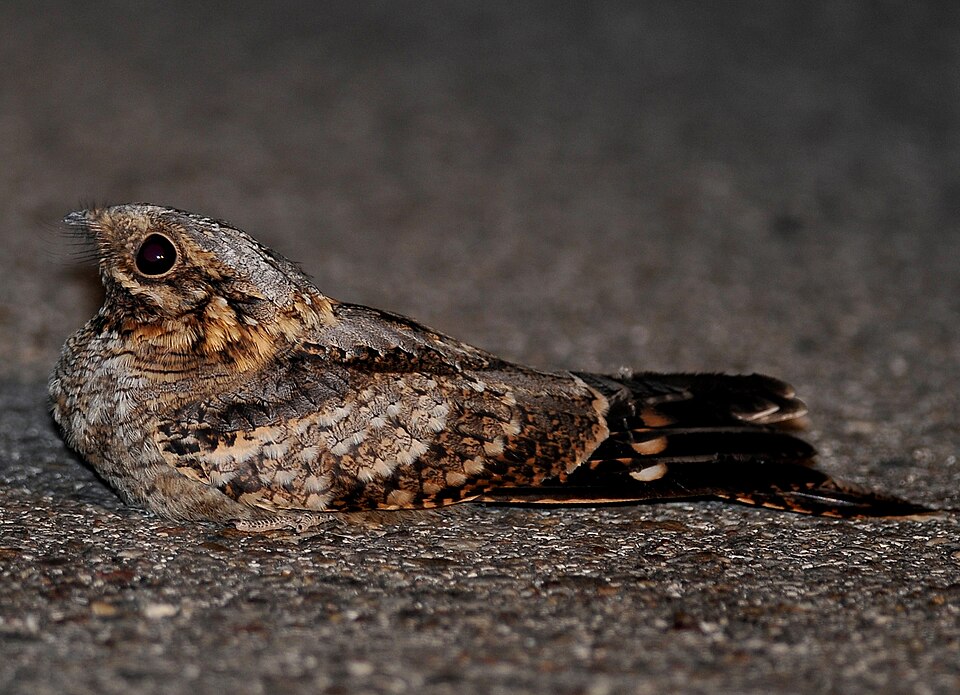 Chotacabras Cuellirrojo
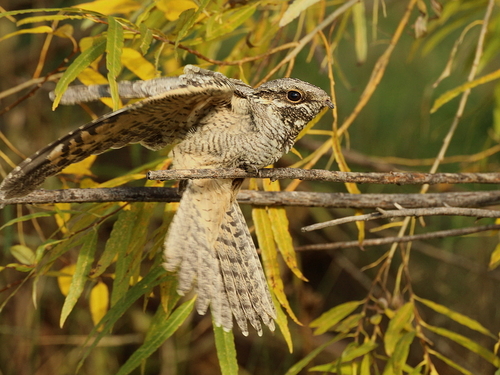 Chotacabras Europeo
En breve
La forma más confiable de separar el Chotacabras Cuellirrojo del Chotacabras Europeo es por tamaño y la presencia de un llamativo collar rufoso en el cuello del Cuellirrojo. El Cuellirrojo es claramente más grande, con una cola más larga y tiene más blanco en las alas y la cola en ambos sexos. En vuelo, los machos del Chotacabras Europeo muestran parches blancos en las primarias y las puntas de la cola, mientras que el Cuellirrojo de ambos sexos tiene blanco en estas áreas. El plumaje general del Cuellirrojo es más cálido y más variado, con un amplio y conspicuo collar rufoso, mientras que el Europeo es de un gris-marrón más frío con un collar de color crema más estrecho. Estas diferencias son más evidentes con buena luz o cuando los pájaros están posados, pero la observación cuidadosa del tamaño, el color del collar y las marcas de las alas/cola generalmente confirmará la identificación.
Consejos de identificación
- Tamaño y Estructura: El Chotacabras Cuellirrojo es notablemente más grande y con cola más larga que el Chotacabras Europeo. En comparación directa, busca un pájaro más robusto y alargado en vuelo o posado.
- Collar Rufoso: El Cuellirrojo muestra un amplio y conspicuo collar rufoso (castaño) alrededor del cuello, visible en ambos sexos y todas las edades. El Europeo tiene un collar de color crema mucho más estrecho y pálido, a menudo menos obvio.
- Blanco en Alas y Cola: El Cuellirrojo tiene manchas blancas prominentes en las alas y los lados de la cola en ambos sexos, mientras que los machos del Chotacabras Europeo tienen un parche blanco en el ala (a través de tres primarias) y puntas de cola blancas, pero las hembras carecen de estas áreas blancas por completo. Si ves un pájaro tipo hembra con blanco en el ala o la cola, es un Cuellirrojo.
- Tono General del Plumaje: El Cuellirrojo es más cálido y más variado, con un gris-líquenes, crema, castaño y rayas y estrías negras. El Europeo es de un gris-marrón más frío, menos variado y carece de los ricos tonos castaños.
- Partes Inferiores: Las partes inferiores del Cuellirrojo están más barradas, dando un aspecto más patrón; las del Europeo son más marrones y más simples por debajo, con menos contraste.
- Estilo de Vuelo: El Cuellirrojo vuela con batidos de alas fuertes y deliberados y largos deslizamientos, apareciendo más grande y poderoso. El Europeo es más ligero, más flotante y más aleteante en vuelo.
- Postura al Posarse: Ambos se posan a lo largo, pero el tamaño más grande y la cola más larga del Cuellirrojo pueden ser evidentes si se ven bien.
- Canto: El Cuellirrojo emite un repetitivo "kyok-kyok-kyok..." que sube y baja; el Europeo produce un trino continuo y chirriante. Si escuchas un canto que varía en volumen con el movimiento de la cabeza, sospecha que es un Cuellirrojo.
- Aleteo: Ambas especies pueden aletear, pero el del Cuellirrojo es un chasquido agudo sobre la espalda, a menudo durante el cortejo.
- Hábitat: En Iberia y el Noroeste de África, el Cuellirrojo prefiere brezales arenosos abiertos con árboles o arbustos dispersos; el Europeo es más generalista y está más extendido.
- Diferencias Sexuales: Solo los machos del Chotacabras Europeo muestran blanco en el ala y la cola; ambos sexos del Cuellirrojo lo hacen. Esto es crucial para separar aves hembras/inmaduras.
- Rango Geográfico: El Cuellirrojo está restringido al Suroeste de Europa y el Noroeste de África; el Europeo está ampliamente distribuido por Europa y Asia. Fuera de su rango, predomina el Europeo a menos que haya evidencia sólida del Cuellirrojo.
- Vagrancia: El Cuellirrojo es un vagrante raro al norte de su rango; verifica el collar rufoso y el tamaño si se sospecha.
- Tiempo de Muda: No suele ser diagnóstico en el campo, pero los adultos e inmaduros del Europeo pueden mostrar huecos de muda a finales del verano/otoño, mientras que el tiempo de muda del Cuellirrojo está menos documentado.
- Trampas: Los Chotacabras Europeos inmaduros se parecen a las hembras adultas y carecen de blanco en el ala/cola, por lo que pueden confundirse con hembras del Cuellirrojo. Usa el tamaño, el color del collar y la calidez general del plumaje para separarlos.
Tamaño
El Chotacabras Cuellirrojo es el chotacabras europeo más grande, con una masa corporal de alrededor de 84 g y una longitud de 32 cm, en comparación con la longitud de 24.5–28 cm y una masa más ligera del Chotacabras Europeo (machos 51–101 g, hembras 67–95 g). El Cuellirrojo también tiene una cola más larga y una envergadura más amplia (64 cm frente a 52–59 cm del Europeo). En el campo, el Cuellirrojo parece más robusto y alargado, especialmente en vuelo. El Europeo es notablemente más pequeño y más compacto, con una cola y alas más cortas.
Plumaje
- Aves Juveniles/Primer Otoño: No se describen diferencias específicas de patrón en el ala superior para juveniles, pero los jóvenes Chotacabras Europeos emplumados se parecen a las hembras adultas (más grises, menos blanco en el ala/cola).
- Adultos: El Chotacabras Cuellirrojo tiene un llamativo collar rufoso (castaño) en el cuello, partes superiores de color gris-líquenes fuertemente barradas y estriadas con crema, castaño y negro, y ambos sexos muestran manchas blancas en las alas, los lados de la cola y la garganta. El Chotacabras Europeo es de un gris-marrón más frío arriba, con un collar de color crema más estrecho en la parte posterior del cuello, y en los machos, un parche blanco en el ala a través de tres primarias y puntas blancas en las dos plumas exteriores de la cola; las hembras carecen de estos parches blancos. El blanco del Cuellirrojo en el ala y la cola es más extenso y está presente en ambos sexos, mientras que el del Europeo está restringido a los machos. Las partes inferiores del Cuellirrojo están más barradas, y la impresión general es más cálida y más variada, mientras que el Europeo es más simple y grisáceo.
Comportamiento
Ambas especies son crepusculares y nocturnas, con un vuelo silencioso, flotante y similar al de una polilla. El vuelo del Chotacabras Cuellirrojo se describe como fuerte y deliberado, alternando entre batidos de alas y deslizamientos, mientras que el del Chotacabras Europeo es muy flotante y silencioso. Ambos se posan a lo largo en ramas o rieles y son altamente crípticos cuando están en reposo. El Cuellirrojo puede ser más propenso a cantar desde un posadero y utiliza aleteos mecánicos durante el cortejo, al igual que el Europeo, pero el contexto y la frecuencia pueden diferir ligeramente.
Hábitat
El Chotacabras Cuellirrojo cría en brezales arenosos abiertos con árboles o arbustos, principalmente en Iberia y el Norte de África, y pasa el invierno en el oeste tropical de África. El Chotacabras Europeo tiene un rango de cría mucho más amplio, a través de la mayor parte de Europa y el Paleártico hasta Mongolia y el Noroeste de China, y ocupa una variedad más amplia de hábitats abiertos. En Iberia y el Noroeste de África, ambos pueden ocurrir, pero el Cuellirrojo está restringido al suroeste, mientras que el Europeo está más extendido. La superposición de hábitat es posible en el sur de Europa, pero el Cuellirrojo prefiere terrenos más arenosos y abiertos.
Voz
El canto del Chotacabras Cuellirrojo es un repetitivo mecánico "kyok-kyok-kyok..." que sube y baja a medida que el pájaro gira su cabeza, y también produce un agudo aleteo durante el cortejo. El canto del Chotacabras Europeo es un trino largo y sostenido, a veces durando hasta 10 minutos, con trinos burbujeantes ocasionales y aleteos. El chirrido del Europeo es más continuo y mecánico, mientras que el del Cuellirrojo es más interrumpido y varía con el movimiento de la cabeza. Ambas especies pueden ser ventríloquas y difíciles de localizar solo por sonido, pero la estructura del canto es diferente.
Chotacabras Cuellirrojo · Chotacabras Europeo · Mis aves difíciles