
Motmot

アカエリヒメアオバト 対 ベニガシラヒメアオバト

Ptilinopus dohertyi 対 Ptilinopus porphyreus

アカエリヒメアオバトとベニガシラヒメアオバトのクイズ
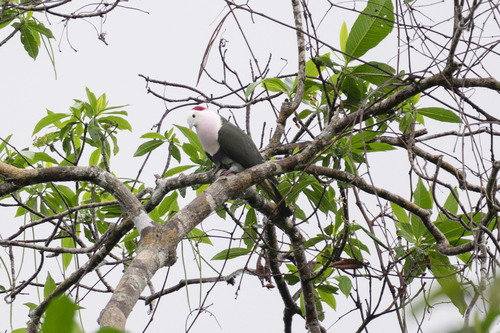
アカエリヒメアオバト (Ptilinopus dohertyi) アカエリヒメアオバト
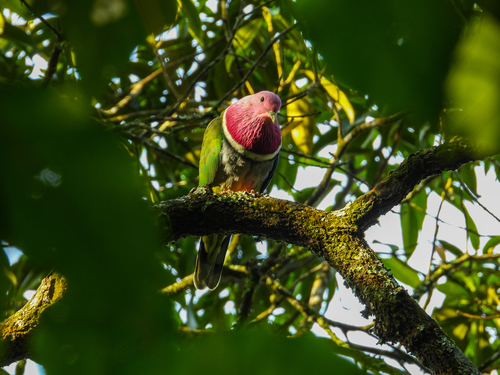
ベニガシラヒメアオバト (Ptilinopus porphyreus) ベニガシラヒメアオバト

メディア

読み込み中…

要点

最も信頼できるフィールドマークは頭部と首の色彩です:アカエリヒメアオバトはクリーミーな白い頭と上部の首を持ち、特徴的な赤い後頭部の斑点があります。一方、ベニガシラヒメアオバトのオスは目を引く紫がかったピンクの頭、首、喉を持っています。両種はインドネシアの山地森林に生息する緑色の体を持つ果実鳩ですが、アカエリは大きく、スンバ島に特有で、ベニガシラは小さく、スマトラ、ジャワ、バリに分布しています。幼鳥のアカエリヒメアオバトは成鳥よりもはるかに緑色で、鈍い雌や幼鳥のベニガシラヒメアオバトと混同されることがあります。特に光が乏しい場合や未熟な鳥の場合は、頭の模様、胸の帯、尾の下部の色彩に注意を払うことが重要です。

識別のコツ

  1. 頭部と首の色彩(成鳥): アカエリヒメアオバトはクリーミーな白い頭と上部の首を持ち、淡いピンクの下部の首と胸との間に狭い黄白色の帯があり、特徴的な赤い後頭部の斑点があります。ベニガシラヒメアオバトのオスは紫がかったピンクの頭、首、喉を持ち、下部は緑がかった黒で縁取られた白い帯があります。雌や幼鳥は鈍い色合いですが、クリーミーな白い頭や赤い後頭部は決して示しません。
  2. 胸の帯: アカエリヒメアオバトは淡いピンクの胸と灰色がかった緑の腹部を分ける暗紫色の胸の帯を示します。ベニガシラヒメアオバトは特に雌や幼鳥では胸の帯が弱いか存在しません。
  3. 上面: アカエリは暗い金属的な紫青色の上面を持ち、羽の縁は緑がかっていますが、ベニガシラは上面がより均一に緑色です。
  4. 尾の下部の羽毛: アカエリは緑と黄色の縞模様のある尾の下部の羽毛を示し、ベニガシラは縞模様のない黄色の尾の下部の羽毛を持っています。
  5. くちばしと足の色: アカエリは黄色い先端の灰色のくちばしと紫がかった灰色の足を持っています。ベニガシラは緑がかったくちばしとピンクの足を持っています。これらは微妙ですが、近距離で役立ちます。
  6. サイズと構造: アカエリは小さくてコンパクトなベニガシラよりもはるかに大きく(35 cm)、がっしりとしています。一緒に見られたり他の鳩と一緒に見られたりした場合、サイズは強い手がかりです。
  7. 幼鳥の混同: 幼鳥のアカエリははるかに緑色で、鈍い雌や幼鳥のベニガシラに似ることがありますが、依然として大きく、紫がかったピンクの頭はありません。胸の帯と尾の下部の模様が分離に役立つかもしれません。
  8. 性差(ベニガシラ): オスだけが完全な紫がかったピンクの頭と明確な胸の帯を持ち、雌や幼鳥は鈍い色合いで、弱いか存在しない胸の帯とあまり鮮やかでない頭を持っています。
  9. 飛行と止まり方の印象: 両種は樹冠に生息しますが、アカエリの大きなサイズは飛行中や止まっているときにより遅く、重たく見えるかもしれません。
  10. 生息地と分布: アカエリはスンバ島にのみ生息し、ベニガシラはスマトラ、ジャワ、バリに生息しています。標高も手がかりです:ベニガシラは高い標高(しばしば2000 m以上)を好み、アカエリは通常500 m以上です。
  11. 声: ベニガシラだけが柔らかい「フー」という声を出すことが知られています;アカエリの声の欠如は診断的ではありません。
  12. 虹彩の色: ベニガシラはオレンジ色の虹彩を持っています;アカエリの虹彩の色は記載されていませんが、視認できれば役立つかもしれません。
  13. 文脈的手がかり: スンバ島の外で鳥市場やソーシャルメディアで見られた場合、ほぼ確実にベニガシラです。アカエリは広く取引されていません。
  14. 季節的変動: どちらの種にも強い季節的な羽毛の変化は見られませんが、幼鳥と雌のベニガシラは常にオスより鈍い色合いで、幼鳥のアカエリは成鳥よりもはるかに緑色です。
  15. 落とし穴: 幼鳥のアカエリを鈍いベニガシラと混同しないように注意してください。特に光が乏しい場合や部分的な視界では、サイズ、頭の模様、尾の下部の羽毛に焦点を当てることが最良の分離に役立ちます。

大きさ

アカエリヒメアオバトは明らかに大きな種で、平均35 cmの長さで、大きな果実鳩として説明されています。ベニガシラヒメアオバトは小さくてコンパクトで、正確な長さは示されていませんが、一貫して小さくてカラフルであるとされています。直接比較すると、アカエリは特に止まっているときや他の鳩と一緒に見られるときに、よりがっしりとして長く見えます。サイズだけでは距離での診断は常に可能ではありませんが、観察者の地域から両者が知られている場合、違いは重要です。

羽色

行動

両種は樹冠に生息する果実鳩で、通常は森林の高いところで果物を食べています。ベニガシラヒメアオバトは非常に目立たず、葉の中でうまくカモフラージュされていることで知られており、オスが唯一の巣作りを行います。アカエリヒメアオバトの行動はメモにはあまり詳しく記載されていませんが、大きな果実鳩として、機敏さが少なく、動きがより慎重である可能性があります。両者とも一般的に静かで目立たず、アカエリの大きなサイズは飛行中や開いた枝に止まっているときにより目立つかもしれません。

生息環境

アカエリヒメアオバトはスンバ島に特有で、通常500 m以上の亜熱帯または熱帯の湿った山地森林に生息していますが、時には160 mまで下がることもあります。ベニガシラヒメアオバトはスマトラ、ジャワ、バリの山地森林に特有で、通常は高い標高(1000–2200 m、しばしば2000 m以上)に生息しています。したがって、場所は強い手がかりです:スンバ島の外での目撃はベニガシラであり、スンバ島内ではアカエリのみが期待されます。両者とも密集した森林の山地生息地を好みますが、ベニガシラはより高い標高と広い島の範囲に制限されています。

声

ベニガシラヒメアオバトだけが記載された声を持っています:柔らかい「フー」。アカエリヒメアオバトの声の記述は利用できないため、声は信頼できる分離要因ではありません。呼び声が聞こえ、確実にベニガシラに一致する場合を除きます。

より良い説明を送る

比較と同じ項目を使ってください。文章はすぐに公開されます。

The most reliable field mark is the head and neck coloration: Red-naped Fruit-Dove shows a creamy white head and upper neck with a distinctive red nape patch, while Pink-headed Fruit-Dove males have a striking purple-pink head, neck, and throat. Both species are green-bodied fruit doves of Indonesian montane forests, but Red-naped is larger and endemic to Sumba, whereas Pink-headed is smaller and found on Sumatra, Java, and Bali. Juvenile Red-naped Fruit-Doves are much greener than adults, which can cause confusion with the duller female and juvenile Pink-headed Fruit-Doves. Careful attention to the head pattern, breast band, and undertail coloration is essential for separation, especially in poor light or with immature birds.

  1. Head and Neck Coloration (Adults): Red-naped Fruit-Dove has a creamy white head and upper neck, sharply separated from the pale pink lower neck by a narrow yellowish-white band, and a distinctive red nape patch. Pink-headed Fruit-Dove males have a purple-pink head, neck, and throat, bordered below by a white band outlined in greenish-black. Females and juveniles are duller but never show the creamy white head or red nape.
  2. Breast Band: Red-naped Fruit-Dove shows a dark purple breast band separating the pinkish breast from the greyish-green belly. Pink-headed Fruit-Dove has a weaker or absent breast band, especially in females and juveniles.
  3. Upperparts: Red-naped has dark metallic to purplish-blue upperparts with greenish feather edges, while Pink-headed is more uniformly green above.
  4. Undertail Coverts: Red-naped shows green and yellow streaked undertail coverts; Pink-headed has yellow undertail coverts without streaking.
  5. Bill and Leg Color: Red-naped has a yellow-tipped grey bill and purplish-grey legs. Pink-headed has a greenish bill and pink feet. These are subtle but useful at close range.
  6. Size and Structure: Red-naped is much larger and bulkier (35 cm) than the small, compact Pink-headed. If seen together or with other pigeons, size is a strong clue.
  7. Juvenile Confusion: Juvenile Red-naped are much greener and can resemble dull female or juvenile Pink-headed, but will still be larger and lack the purple-pink head. Breast band and undertail pattern may help separate.
  8. Sex Differences (Pink-headed): Only males have the full purple-pink head and clear breast band; females and juveniles are duller, with a weak or absent breast band and a less vivid head.
  9. Flight and Perched Jizz: Both species are canopy dwellers, but Red-naped's larger size may make it appear slower and more ponderous in flight or when perched.
  10. Habitat and Range: Red-naped is only on Sumba; Pink-headed is on Sumatra, Java, and Bali. Elevation is also a clue: Pink-headed prefers higher elevations (often above 2000 m), Red-naped is usually above 500 m.
  11. Voice: Only Pink-headed is known to give a soft 'hoo'; absence of vocalization is not diagnostic for Red-naped.
  12. Iris Color: Pink-headed has an orange iris; iris color is not described for Red-naped but may help if visible.
  13. Contextual Clues: If seen in a bird market or on social media from outside Sumba, it is almost certainly Pink-headed, as Red-naped is not widely traded.
  14. Seasonal Variation: No strong seasonal plumage change is noted for either species, but juvenile and female Pink-headed are always duller than males, and juvenile Red-naped are much greener than adults.
  15. Pitfalls: Beware of confusing juvenile Red-naped with dull Pink-headed, especially in poor light or partial views. Focus on size, head pattern, and undertail coverts for the best separation.

Red-naped Fruit-Dove is a noticeably larger species, averaging 35 cm in length, and is described as a large fruit pigeon. Pink-headed Fruit-Dove is smaller and more compact, with no exact length given but consistently referred to as small and colorful. In direct comparison, Red-naped will appear bulkier and longer, especially when perched or seen alongside other pigeons. Size alone is not always diagnostic at a distance, but the difference is significant if both are known from the observer's region.

  • Juveniles/Immatures: Juvenile Red-naped Fruit-Doves are much greener overall than adults, lacking the creamy white head and red nape, which can make them resemble the duller, greenish juvenile or female Pink-headed Fruit-Dove. However, even young Red-naped should show a more robust size and a less distinctly pink or purple head compared to Pink-headed. Juvenile Pink-headed Fruit-Doves are drabber versions of the female, with a weak or absent breast band and a generally greenish appearance.

  • Adults: Red-naped Fruit-Dove adults have a creamy white head and upper neck, a narrow yellowish-white band separating the head from the pale pink lower neck and breast, and a unique red patch on the nape. The breast is divided from the greyish-green belly by a dark purple band. The upperparts are dark metallic to purplish blue with greenish feather edges, and the undertail coverts are streaked green and yellow. Pink-headed Fruit-Dove males have a purple-pink head, neck, and throat, bordered below by a white band outlined in greenish-black, green upperparts, grey underparts, and yellow undertail coverts. Females are duller, with a weaker breast band and less vivid head coloration. The iris, bill, and feet also differ: Pink-headed has an orange iris, greenish bill, and pink feet, while Red-naped has a yellow-tipped grey bill and purplish-grey legs.

Both species are canopy-dwelling fruit doves, typically feeding on fruit high in the forest. Pink-headed Fruit-Dove is noted for being very inconspicuous and well-camouflaged among foliage, and males are the sole nest builders. Red-naped Fruit-Dove behavior is less detailed in the notes, but as a large fruit pigeon, it is likely less agile and more deliberate in movement. Both are generally quiet and unobtrusive, but the larger size of Red-naped may make it more conspicuous in flight or when perched in open branches.

Red-naped Fruit-Dove is strictly endemic to Sumba, inhabiting subtropical or tropical moist montane forests, usually above 500 m but sometimes as low as 160 m. Pink-headed Fruit-Dove is endemic to mountain forests of Sumatra, Java, and Bali, typically at higher elevations (1000–2200 m, often above 2000 m). Thus, location is a strong clue: any sighting outside Sumba is Pink-headed, and within Sumba, only Red-naped is expected. Both prefer dense, forested mountain habitats, but Pink-headed is more restricted to higher elevations and a broader island range.

Only Pink-headed Fruit-Dove has a described vocalization: a soft 'hoo.' No vocal description is available for Red-naped Fruit-Dove, so voice is not a reliable separator unless the call is heard and confidently matched to Pink-headed.

変更を破棄しますか?

保存していない編集があります。今離れると失われます。

アカエリヒメアオバト · ベニガシラヒメアオバト · 苦手な鳥