
Red-naped Fruit-Dove vs Pink-headed Fruit-Dove
Ptilinopus dohertyi contro Ptilinopus porphyreus
Fai un quiz con Red-naped Fruit-Dove e Pink-headed Fruit-Dove
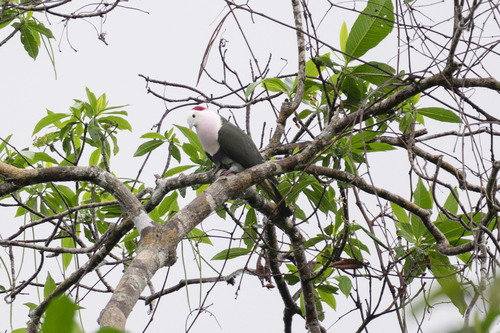 Red-naped Fruit-Dove
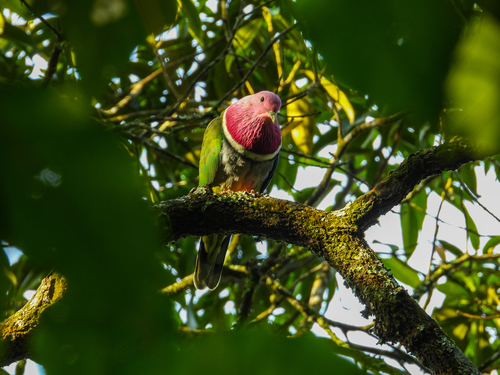 Pink-headed Fruit-Dove
In breve
Il segno distintivo più affidabile è la colorazione della testa e del collo: il Red-naped Fruit-Dove mostra una testa e un collo superiore di un bianco crema con una distintiva macchia rossa sulla nuca, mentre i maschi del Pink-headed Fruit-Dove hanno una testa, un collo e una gola di un sorprendente colore viola-rosa. Entrambe le specie sono colombe fruttifere dal corpo verde delle foreste montane indonesiane, ma il Red-naped è più grande ed endemico a Sumba, mentre il Pink-headed è più piccolo e si trova a Sumatra, Giava e Bali. I giovani Red-naped Fruit-Dove sono molto più verdi degli adulti, il che può causare confusione con le femmine e i giovani Pink-headed Fruit-Dove più opachi. Un'attenta attenzione al motivo della testa, alla banda del petto e alla colorazione della parte inferiore della coda è essenziale per la separazione, specialmente in condizioni di scarsa illuminazione o con uccelli immaturi.
Consigli di identificazione
- Head and Neck Coloration (Adults): Il Red-naped Fruit-Dove ha una testa e un collo superiore di un bianco crema, nettamente separati dal collo inferiore rosa pallido da una stretta banda giallo-bianca, e una distintiva macchia rossa sulla nuca. I maschi del Pink-headed Fruit-Dove hanno una testa, un collo e una gola di colore viola-rosa, bordati in basso da una banda bianca delineata in verde-nero. Le femmine e i giovani sono più opachi ma non mostrano mai la testa bianca crema o la nuca rossa.
- Breast Band: Il Red-naped Fruit-Dove mostra una banda petto viola scuro che separa il petto rosato dalla pancia grigio-verde. Il Pink-headed Fruit-Dove ha una banda petto più debole o assente, specialmente nelle femmine e nei giovani.
- Upperparts: Il Red-naped ha parti superiori di un colore metallico scuro fino a blu-viola con bordi delle piume verdastri, mentre il Pink-headed è più uniformemente verde sopra.
- Undertail Coverts: Il Red-naped mostra copritrici della parte inferiore della coda verdi e gialle striate; il Pink-headed ha copritrici della parte inferiore della coda gialle senza striature.
- Bill and Leg Color: Il Red-naped ha un becco grigio con punta gialla e zampe grigio-viola. Il Pink-headed ha un becco verdastro e piedi rosa. Questi sono sottili ma utili a distanza ravvicinata.
- Size and Structure: Il Red-naped è molto più grande e massiccio (35 cm) rispetto al piccolo, compatto Pink-headed. Se visti insieme o con altre colombe, la dimensione è un forte indizio.
- Juvenile Confusion: I giovani Red-naped sono molto più verdi e possono assomigliare a femmine o giovani Pink-headed opachi, ma saranno comunque più grandi e privi della testa viola-rosa. La banda del petto e il motivo della parte inferiore della coda possono aiutare a separare.
- Sex Differences (Pink-headed): Solo i maschi hanno la testa viola-rosa completa e una chiara banda del petto; le femmine e i giovani sono più opachi, con una banda del petto debole o assente e una testa meno vivida.
- Flight and Perched Jizz: Entrambe le specie sono abitanti della canopia, ma la maggiore dimensione del Red-naped può farlo apparire più lento e più ponderoso in volo o quando è posato.
- Habitat and Range: Il Red-naped si trova solo a Sumba; il Pink-headed si trova a Sumatra, Giava e Bali. L'altitudine è anche un indizio: il Pink-headed preferisce altitudini più elevate (spesso sopra i 2000 m), il Red-naped si trova solitamente sopra i 500 m.
- Voice: Solo il Pink-headed è noto per emettere un 'hoo' morbido; l'assenza di vocalizzazione non è diagnostica per il Red-naped.
- Iris Color: Il Pink-headed ha un'iride arancione; il colore dell'iride non è descritto per il Red-naped ma può aiutare se visibile.
- Contextual Clues: Se visto in un mercato degli uccelli o sui social media da fuori Sumba, è quasi certamente un Pink-headed, poiché il Red-naped non è ampiamente commerciato.
- Seasonal Variation: Non si nota un forte cambiamento di piumaggio stagionale per nessuna delle due specie, ma i giovani e le femmine di Pink-headed sono sempre più opachi dei maschi, e i giovani Red-naped sono molto più verdi degli adulti.
- Pitfalls: Fai attenzione a confondere i giovani Red-naped con i Pink-headed opachi, specialmente in condizioni di scarsa illuminazione o visioni parziali. Concentrati su dimensione, motivo della testa e copritrici della parte inferiore della coda per la migliore separazione.
Taglia
Il Red-naped Fruit-Dove è una specie notevolmente più grande, con una lunghezza media di 35 cm, ed è descritto come una grande colomba fruttifera. Il Pink-headed Fruit-Dove è più piccolo e più compatto, senza una lunghezza esatta fornita ma costantemente riferito come piccolo e colorato. In un confronto diretto, il Red-naped apparirà più massiccio e lungo, specialmente quando è posato o visto accanto ad altre colombe. La dimensione da sola non è sempre diagnostica a distanza, ma la differenza è significativa se entrambe sono conosciute dalla regione dell'osservatore.
Piumaggio
-
Juveniles/Immatures: I giovani Red-naped Fruit-Dove sono molto più verdi nel complesso rispetto agli adulti, privi della testa bianca crema e della nuca rossa, il che può farli assomigliare ai giovani o alle femmine di Pink-headed Fruit-Dove più opachi. Tuttavia, anche i giovani Red-naped dovrebbero mostrare una dimensione più robusta e una testa meno distintamente rosa o viola rispetto al Pink-headed. I giovani Pink-headed Fruit-Dove sono versioni più opache delle femmine, con una banda del petto debole o assente e un aspetto generalmente verdastro.
-
Adults: Gli adulti del Red-naped Fruit-Dove hanno una testa e un collo superiore di un bianco crema, una stretta banda giallo-bianca che separa la testa dal collo inferiore rosa pallido e dal petto, e una macchia rossa unica sulla nuca. Il petto è separato dalla pancia grigio-verde da una banda viola scura. Le parti superiori sono di un colore metallico scuro fino a blu-viola con bordi delle piume verdastri, e le copritrici della parte inferiore della coda sono striate di verde e giallo. I maschi del Pink-headed Fruit-Dove hanno una testa, un collo e una gola di colore viola-rosa, bordati in basso da una banda bianca delineata in verde-nero, parti superiori verdi, parti inferiori grigie e copritrici della parte inferiore della coda gialle. Le femmine sono più opache, con una banda del petto più debole e una colorazione della testa meno vivida. Anche l'iride, il becco e i piedi differiscono: il Pink-headed ha un'iride arancione, un becco verdastro e piedi rosa, mentre il Red-naped ha un becco grigio con punta gialla e zampe grigio-viola.
Comportamento
Entrambe le specie sono colombe fruttifere che abitano la canopia, tipicamente nutrendosi di frutta in alto nella foresta. Il Pink-headed Fruit-Dove è noto per essere molto poco appariscente e ben camuffato tra il fogliame, e i maschi sono gli unici costruttori di nidi. Il comportamento del Red-naped Fruit-Dove è meno dettagliato nelle note, ma essendo una grande colomba fruttifera, è probabile che sia meno agile e più deliberato nei movimenti. Entrambi sono generalmente silenziosi e discreti, ma la maggiore dimensione del Red-naped può farlo apparire più appariscente in volo o quando è posato su rami aperti.
Habitat
Il Red-naped Fruit-Dove è strettamente endemico a Sumba, abitante di foreste montane umide subtropicali o tropicali, solitamente sopra i 500 m ma talvolta anche a 160 m. Il Pink-headed Fruit-Dove è endemico delle foreste montane di Sumatra, Giava e Bali, tipicamente a altitudini più elevate (1000–2200 m, spesso sopra i 2000 m). Pertanto, la posizione è un forte indizio: qualsiasi avvistamento al di fuori di Sumba è Pink-headed, e all'interno di Sumba, ci si aspetta solo il Red-naped. Entrambi preferiscono habitat montani densi e boscosi, ma il Pink-headed è più ristretto a altitudini più elevate e a un'ampia gamma insulare.
Voce
Solo il Pink-headed Fruit-Dove ha una vocalizzazione descritta: un 'hoo' morbido. Nessuna descrizione vocale è disponibile per il Red-naped Fruit-Dove, quindi la voce non è un separatore affidabile a meno che il richiamo non venga udito e abbinato con sicurezza al Pink-headed.
Red-naped Fruit-Dove · Pink-headed Fruit-Dove · I miei uccelli difficili