

Motmot

アカアシイワシャコ 対 ハイイロイワシャコ

Alectoris rufa 対 Alectoris graeca

アカアシイワシャコとハイイロイワシャコのクイズ
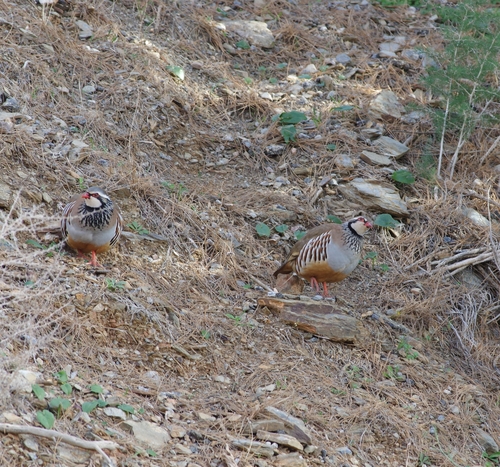
アカアシイワシャコ (Alectoris rufa) アカアシイワシャコ
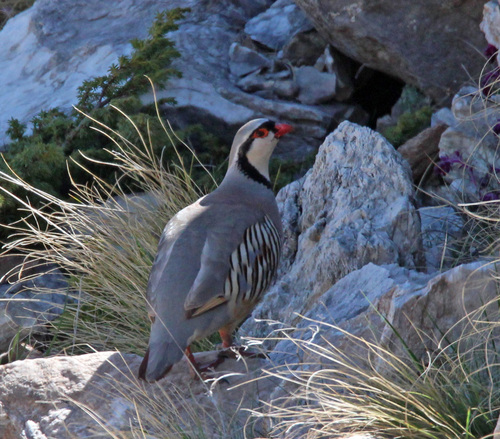
ハイイロイワシャコ (Alectoris graeca) ハイイロイワシャコ

メディア

読み込み中…

要点

アカアシイワシャコとハイイロイワシャコを区別する最も信頼できる方法は、顔と喉に焦点を当てることです:アカアシイワシャコは、下に黒い筋模様がある太い黒いゴルゲットで縁取られたクリーミーな白い喉を持ち、ハイイロイワシャコは、はっきりとした黒いゴルゲットを持つ白い顔と前首を示します。両者は赤い脚と赤褐色の横腹を持っていますが、アカアシイワシャコの横腹はより大胆でクリーンにマーキングされています。背中の色と胸の色調も微妙に異なり、アカアシイワシャコは上が砂褐色で下がピンクがかったバフ色で、ハイイロイワシャコは明るい茶色の背中と灰色の胸を持っています。野外では、これらの違いは中程度の距離で止まっている鳥に最もよく見られます。

識別のコツ

  1. Face and Throat Pattern: アカアシイワシャコは、下に広い三角形の黒い筋が伸びた、太くて固い黒いゴルゲットで縁取られたクリーミーな白い喉を持っています。ハイイロイワシャコは、はっきりとした黒いゴルゲットを持つ白い顔と前首を持っていますが、筋のある下喉が欠けています—これはすべての年齢で最も信頼できるマークです。
  2. Flank Markings: アカアシイワシャコは、各横腹に狭い黒い先端と鮮明な淡い背景を持つ、大胆でクリーンな赤褐色のバーを示します。ハイイロイワシャコの横腹は、クリーンにバーが付いているのではなく赤褐色の筋模様があるので、横腹のパターンの明確さと規則性を探してください。
  3. Back and Breast Color: アカアシイワシャコは上が砂褐色で、ピンクがかったバフ色の腹と淡い青灰色の胸を持っています。ハイイロイワシャコは背中がより灰色で、バフ色の腹を持つ灰色の胸があります。微妙ですが、良い光の中で役立つことがあります。
  4. Supercilium and Lores: アカアシイワシャコは、赤褐色の斑点の上に狭いオフホワイトのスーペリシリウムと黒いロアを持ち、明るい赤いアイリングがあります。ハイイロイワシャコの顔は、同じスーペリシリウムと複雑なロアパターンが欠けた、よりシンプルな白です。
  5. Gorget Shape and Definition: ハイイロイワシャコの黒いゴルゲットははっきりと定義されており、白い顔と前首と強く対比しています。アカアシイワシャコでは、ゴルゲットはより広く、下に筋模様があり、黒い筋のある下喉と合流します。
  6. Leg and Bill Color: 両種とも赤い脚とくちばしを持っているので、これは区別にはなりません。
  7. Flight and Jizz: 両種とも丸みを帯びた、短い尾を持ち、短距離を飛ぶために丸い翼で飛びます。飛行のジズに違いは記載されていません。
  8. Age and Sex: 提供されたノートには、どちらの種にも年齢や性別に特有のフィールドマークは記載されていないため、すべてのヒントは大人と未熟な個体に適用されます。
  9. Voice: 騒がしく繰り返される「ガーガーガーガーチャケラーチャケラーチャケラ」という音が聞こえたら、ハイイロイワシャコを聞いている可能性が高いです。アカアシイワシャコの鳴き声はここでは記載されていません。
  10. Habitat Context: 南ヨーロッパの岩の多い山岳地帯にいる場合、ハイイロイワシャコの方が可能性が高いです;農地や低地の開けた国では、アカアシイワシャコがより典型的です。しかし、範囲が重なったり導入が行われた場所では、単独で生息地に頼らないでください。
  11. Pitfalls: 両種はイワシャコに似ていますが、イワシャコは黄色がかった前首と異なる背中の色を持っています。特にハイブリダイゼーションや導入が行われた場所では、3種を混同しないように注意してください。
  12. Captive vs Wild: ニュージーランドや他の導入地域では、アカアシイワシャコは飼育下やゲームファームで見られる可能性が高いですが、ハイイロイワシャコは一般的に飼育されていません。これは文脈で役立つかもしれませんが、フィールドマークには役立ちません。
  13. Lighting and Distance: 遠距離や悪い光の中では、顔/喉のパターンや横腹のバーが見えにくい場合があります。最良の区別のために、頭と横腹の側面からのビューを得るようにしてください。
  14. No Reliable Size Difference: 両者はサイズと構造が似ているため、体重や長さを区別として使用しないでください。
  15. Summary: 最も自信を持って識別するために、常に顔/喉のパターンと横腹のバーを優先してください。

大きさ

両種は頑丈で丸みを帯びたイワシャコで、全体的な構造は似ています。唯一の利用可能な測定値はハイイロイワシャコのもので、平均的な成体の体重は632.5 gです [wikidata]。アカアシイワシャコの直接的な測定値は示されていませんが、両者は同じ属に属し、サイズと構造が似ています。サイズだけでは、これら二つの間の信頼できるフィールドマークにはなりません。

羽色

両種に対して年齢特有の飛行や翼のパターンマークは詳細に記載されていないため、成鳥と一般的な羽毛に焦点を当てます。アカアシイワシャコの成鳥は、砂褐色の上部、ピンクがかったバフ色の腹、淡い青灰色の胸を示し、クリーミーな白い喉の下に目立つ黒い筋模様のゴルゲットを持っています。顔には狭いオフホワイトのスーペリシリウム、赤褐色の斑点の上に黒いロア、明るい赤いアイリングがあります。横腹は赤褐色と黒で大胆にバーが付いており、各バーには狭い黒い先端と対照的な淡い背景があります。ハイイロイワシャコの成鳥は、明るい茶色の背中、灰色の胸、バフ色の腹を持ち、白い顔と前首、はっきりとした黒いゴルゲットを持っています(アカアシイワシャコのように下に筋模様はありません)。横腹は赤褐色の筋模様があり(クリーンにバーが付いていない)、脚は赤です。背中はアカアシイワシャコよりも灰色がかっており、前首は白で、黄色がかっていません。両種とも赤い脚を持ち、一般的に似たジズを持っていますが、顔と喉のパターンが主要な区別点です。

行動

両種は地上に生息するゲームバードで、動かされると飛ぶよりも走ることを好みます。もし逃げられた場合、彼らは丸い翼で短距離を飛びます。フィールドで信頼できる区別を行うための行動の違いは、情報源には強調されていません。

生息環境

アカアシイワシャコは南西ヨーロッパに自生し、他の地域にも導入されており、農地、開けた国、低地の生息地でよく見られます。ハイイロイワシャコは南ヨーロッパに自生し、通常はより山岳地帯や岩の多い地形を好みます。しかし、生息地の重複が発生することがあり、特に両者が導入されたりゲームバードとして管理されている地域では、生息地だけでは診断にはなりません。

声

ハイイロイワシャコの歌だけが記載されています:騒がしく繰り返される「ガーガーガーガーチャケラーチャケラーチャケラ」。提供されたノートにはアカアシイワシャコの声の記述はありません。ハイイロイワシャコの特徴的な鳴き声が聞こえない限り、声はここでは信頼できる区別にはなりません。

より良い説明を送る

比較と同じ項目を使ってください。文章はすぐに公開されます。

The most reliable way to separate Red-legged Partridge from Rock Partridge is by focusing on the face and throat: Red-legged has a creamy-white throat bordered by a bold black gorget with black streaking below, while Rock Partridge shows a white face and foreneck with a sharply defined black gorget. Both have rufous-barred flanks and red legs, but the Red-legged Partridge’s flanks are more boldly and cleanly marked. Back color and breast tone also differ subtly, with Red-legged Partridge being sandy-brown above and pinkish-buff below, versus the Rock Partridge’s light brown back and greyer breast. In the field, these differences are most visible on perched birds at moderate range.

  1. Face and Throat Pattern: Red-legged Partridge has a creamy-white throat bordered by a bold, solid black gorget, with broad triangular black streaks extending onto the lower throat and upper breast. Rock Partridge has a white face and foreneck with a sharply defined black gorget, but lacks the streaked lower throat—this is the single most reliable mark at all ages.
  2. Flank Markings: Red-legged Partridge shows bold, clean rufous-brown bars on the flanks, each with a narrow black leading edge and crisp pale backgrounds. Rock Partridge’s flanks are rufous-streaked rather than cleanly barred, so look for the clarity and regularity of the flank pattern.
  3. Back and Breast Color: Red-legged Partridge is sandy-brown above with a pinkish-buff belly and pale blue-grey breast. Rock Partridge is greyer on the back and has a grey breast with a buff belly. Subtle, but can help in good light.
  4. Supercilium and Lores: Red-legged Partridge has a narrow off-white supercilium and black lores above a reddish patch, with a bright red eye-ring. Rock Partridge’s face is plainer white, lacking the same supercilium and complex lore pattern.
  5. Gorget Shape and Definition: The black gorget on Rock Partridge is sharply defined and contrasts strongly with the white face and foreneck. On Red-legged Partridge, the gorget is broader, more streaked below, and merges with the black-streaked lower throat.
  6. Leg and Bill Color: Both species have red legs and bills, so this is not a separator.
  7. Flight and Jizz: Both species are rotund, short-tailed, and fly on rounded wings for short distances. No difference in flight jizz is described.
  8. Age and Sex: No age- or sex-specific field marks are described for either species in the provided notes, so all tips apply to adults and immatures alike.
  9. Voice: If you hear a noisy, repetitive 'ga-ga-ga-ga-chakera-chakera-chakera,' you are likely hearing Rock Partridge. Red-legged Partridge’s call is not described here.
  10. Habitat Context: If in rocky, mountainous terrain in southern Europe, Rock Partridge is more likely; in farmland or lowland open country, Red-legged Partridge is more typical. However, do not rely on habitat alone where ranges overlap or introductions have occurred.
  11. Pitfalls: Both species are similar to Chukar Partridge, but Chukar has a yellowish foreneck and different back color. Be careful not to confuse all three, especially where hybridization or introductions have occurred.
  12. Captive vs Wild: In New Zealand and other introduced areas, Red-legged Partridge is more likely in captivity or game farms, while Rock Partridge is not commonly kept. This may help in context, but not in field marks.
  13. Lighting and Distance: At long range or in poor light, the face/throat pattern and flank barring may be hard to see. Try to get a side-on view of the head and flanks for best separation.
  14. No Reliable Size Difference: Both are similar in size and structure; do not use bulk or length as a separator.
  15. Summary: Always prioritize the face/throat pattern and flank barring for the most confident identification.

Both species are robust, rotund partridges with similar overall structure. The only available measurement is for Rock Partridge, with an average adult body mass of 632.5 g [wikidata]. No direct measurement is given for Red-legged Partridge, but both are in the same genus and are similar in size and build. Size alone is not a reliable field mark between these two.

There are no detailed age-specific flight or wing pattern marks described for either species, so focus is on adult and general plumage. Red-legged Partridge adults show a sandy-brown upperpart, pinkish-buff belly, and pale blue-grey breast, with a prominent black-streaked gorget below a creamy-white throat. The face has a narrow off-white supercilium, black lores above a reddish patch, and a bright red eye-ring. The flanks are boldly barred with rufous and black, with each bar having a narrow black leading edge and contrasting pale backgrounds. Rock Partridge adults have a light brown back, grey breast, and buff belly, with a white face and foreneck, and a sharply defined black gorget (not streaked below as in Red-legged). The flanks are rufous-streaked (not as cleanly barred), and the legs are red. The back is greyer than in Red-legged Partridge, and the foreneck is white, not yellowish. Both species have red legs and a generally similar jizz, but the facial and throat pattern is the key separator.

Both species are ground-dwelling gamebirds that prefer to run rather than fly when disturbed. If flushed, they fly short distances on rounded wings. There is no behavioral difference highlighted in the sources that reliably separates them in the field.

Red-legged Partridge is native to southwestern Europe and has been introduced elsewhere, often found in farmland, open country, and lowland habitats. Rock Partridge is native to southern Europe, typically favoring more mountainous or rocky terrain. However, habitat overlap can occur, especially in areas where both are introduced or managed as gamebirds, so habitat alone is not diagnostic.

Only the Rock Partridge’s song is described: a noisy, repetitive 'ga-ga-ga-ga-chakera-chakera-chakera.' No vocal description is given for Red-legged Partridge in the provided notes. Voice is not a reliable separator here unless the Rock Partridge’s distinctive call is heard.

変更を破棄しますか?

保存していない編集があります。今離れると失われます。

アカアシイワシャコ · ハイイロイワシャコ · 苦手な鳥