

Pernice rossa vs Coturnice
Alectoris rufa contro Alectoris graeca
Fai un quiz con Pernice rossa e Coturnice
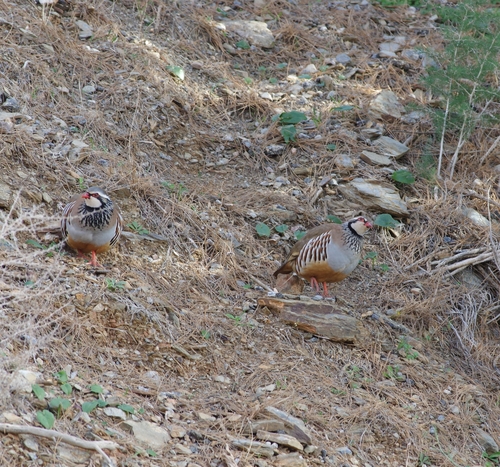 Pernice rossa
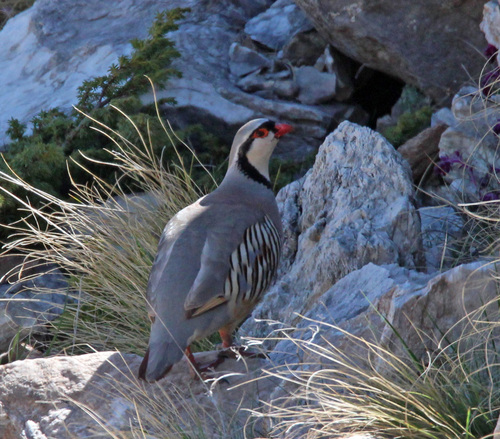 Coturnice
In breve
Il modo più affidabile per separare la Pernice rossa dalla Coturnice è concentrarsi sul viso e sulla gola: la Pernice rossa ha una gola bianco-cremosa bordata da un audace gorget nero con striature nere sotto, mentre la Coturnice mostra un viso bianco e un collo anteriore con un gorget nero ben definito. Entrambi hanno fianchi barrati di ruggine e gambe rosse, ma i fianchi della Pernice rossa sono più audacemente e pulitamente marcati. Anche il colore della schiena e il tono del petto differiscono sottilmente, con la Pernice rossa che è marrone sabbioso sopra e rosa-buff sotto, rispetto alla schiena marrone chiaro e al petto grigio della Coturnice. Sul campo, queste differenze sono più visibili sugli uccelli posati a distanza moderata.
Consigli di identificazione
- Schema del Viso e della Gola: La Pernice rossa ha una gola bianco-cremosa bordata da un audace gorget nero, con ampie striature triangolari nere che si estendono sulla gola inferiore e sul petto superiore. La Coturnice ha un viso bianco e un collo anteriore con un gorget nero ben definito, ma manca della gola inferiore striata: questo è il segno più affidabile a tutte le età.
- Marcature dei Fianchi: La Pernice rossa mostra barre di ruggine-brown audaci e pulite sui fianchi, ciascuna con un bordo nero stretto e sfondi chiari e netti. I fianchi della Coturnice sono striati di ruggine piuttosto che pulitamente barrati, quindi cerca la chiarezza e la regolarità del pattern dei fianchi.
- Colore della Schiena e del Petto: La Pernice rossa è marrone sabbioso sopra con una pancia rosa-buff e un petto blu-grigio chiaro. La Coturnice è più grigia sulla schiena e ha un petto grigio con una pancia buff. Sottile, ma può aiutare in buona luce.
- Supercilium e Lore: La Pernice rossa ha un supercilium stretto di colore bianco sporco e lore neri sopra una macchia rossastra, con un anello oculare rosso brillante. Il viso della Coturnice è più semplice, bianco, privo dello stesso supercilium e del complesso schema di lore.
- Forma e Definizione del Gorget: Il gorget nero sulla Coturnice è ben definito e contrasta fortemente con il viso e il collo anteriore bianchi. Sulla Pernice rossa, il gorget è più ampio, più striato sotto e si fonde con la gola inferiore striata di nero.
- Colore delle Gambe e del Becco: Entrambe le specie hanno gambe e becchi rossi, quindi questo non è un separatore.
- Volo e Jizz: Entrambe le specie sono rotonde, con code corte, e volano su ali arrotondate per brevi distanze. Non viene descritta alcuna differenza nel jizz di volo.
- Età e Sesso: Non vengono descritti segni specifici per età o sesso per nessuna delle due specie nelle note fornite, quindi tutti i suggerimenti si applicano sia agli adulti che ai giovani.
- Voce: Se senti un 'ga-ga-ga-ga-chakera-chakera-chakera' rumoroso e ripetitivo, probabilmente stai ascoltando la Coturnice. Il richiamo della Pernice rossa non è descritto qui.
- Contesto dell'Habitat: Se ti trovi in un terreno roccioso e montuoso nel sud Europa, è più probabile che tu veda la Coturnice; in terreni agricoli o aperti, la Pernice rossa è più tipica. Tuttavia, non fare affidamento solo sull'habitat dove gli areali si sovrappongono o sono avvenute introduzioni.
- Trappole: Entrambe le specie sono simili alla Coturnice, ma la Coturnice ha un collo anteriore giallastro e un colore di schiena diverso. Fai attenzione a non confondere tutte e tre, specialmente dove sono avvenute ibridazioni o introduzioni.
- In Cattività vs Selvatiche: In Nuova Zelanda e in altre aree introdotte, la Pernice rossa è più probabile che si trovi in cattività o in allevamenti di selvaggina, mentre la Coturnice non è comunemente tenuta. Questo può aiutare nel contesto, ma non nei segni sul campo.
- Illuminazione e Distanza: A lunga distanza o in scarsa luce, il pattern del viso/gola e la barratura dei fianchi possono essere difficili da vedere. Cerca di ottenere una vista laterale della testa e dei fianchi per la migliore separazione.
- Nessuna Differenza di Dimensione Affidabile: Entrambe sono simili in dimensione e struttura; non usare il volume o la lunghezza come separatore.
- Riepilogo: Dai sempre priorità al pattern del viso/gola e alla barratura dei fianchi per l'identificazione più sicura.
Taglia
Entrambe le specie sono robusti, partridges rotondi con una struttura complessiva simile. L'unica misura disponibile è per la Coturnice, con una massa corporea media adulta di 632,5 g [wikidata]. Non viene fornita alcuna misura diretta per la Pernice rossa, ma entrambe appartengono allo stesso genere e sono simili in dimensione e costruzione. La dimensione da sola non è un segno affidabile sul campo tra queste due.
Piumaggio
Non ci sono segni dettagliati specifici per l'età relativi al volo o al pattern delle ali descritti per nessuna delle due specie, quindi ci si concentra sul piumaggio adulto e generale. Gli adulti della Pernice rossa mostrano una parte superiore marrone sabbioso, una pancia rosa-buff e un petto blu-grigio chiaro, con un prominente gorget striato di nero sotto una gola bianco-cremosa. Il viso ha un supercilium stretto di colore bianco sporco, lore neri sopra una macchia rossastra e un anello oculare rosso brillante. I fianchi sono audacemente barrati di ruggine e nero, con ciascuna barra che ha un bordo nero stretto e sfondi chiari e contrastanti. Gli adulti della Coturnice hanno una schiena marrone chiaro, un petto grigio e una pancia buff, con un viso e un collo anteriore bianchi, e un gorget nero ben definito (non striato sotto come nella Pernice rossa). I fianchi sono striati di ruggine (non così pulitamente barrati), e le gambe sono rosse. La schiena è più grigia rispetto alla Pernice rossa, e il collo anteriore è bianco, non giallastro. Entrambe le specie hanno gambe rosse e un jizz generalmente simile, ma il pattern del viso e della gola è il separatore chiave.
Comportamento
Entrambe le specie sono uccelli di terra che preferiscono correre piuttosto che volare quando disturbati. Se spaventati, volano brevi distanze su ali arrotondate. Non viene evidenziata alcuna differenza comportamentale nelle fonti che separi affidabilmente sul campo.
Habitat
La Pernice rossa è nativa del sud-ovest dell'Europa ed è stata introdotta altrove, spesso trovata in terreni agricoli, aperti e habitat di pianura. La Coturnice è nativa del sud Europa, tipicamente preferendo terreni più montuosi o rocciosi. Tuttavia, può verificarsi sovrapposizione degli habitat, specialmente in aree dove entrambe sono state introdotte o gestite come uccelli da caccia, quindi l'habitat da solo non è diagnostico.
Voce
Solo il canto della Coturnice è descritto: un 'ga-ga-ga-ga-chakera-chakera-chakera' rumoroso e ripetitivo. Nessuna descrizione vocale è fornita per la Pernice rossa nelle note fornite. La voce non è un separatore affidabile qui a meno che non venga udita la distintiva chiamata della Coturnice.