

Motmot

セキショクヤケイ 対 チャエリイワシャコ

Gallus gallus 対 Alectoris barbara

セキショクヤケイとチャエリイワシャコのクイズ
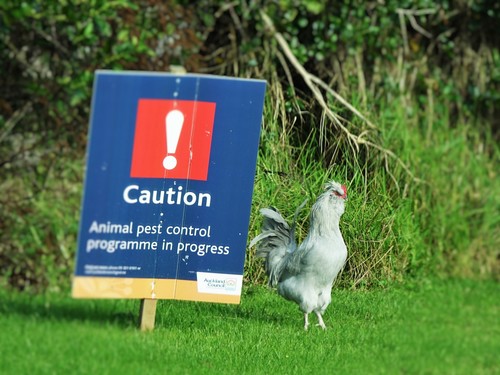
セキショクヤケイ (Gallus gallus) セキショクヤケイ
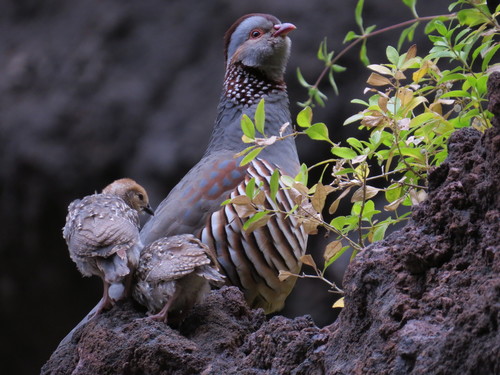
チャエリイワシャコ (Alectoris barbara) チャエリイワシャコ

メディア

読み込み中…

要点

セキショクヤケイとチャエリイワシャコの最も信頼できるフィールドマークは全体の形と尾です。セキショクヤケイ、特にオスは長く、虹色で、しばしば劇的に曲がった尾羽を持っていますが、チャエリイワシャコはコンパクトで短い尾を持ち、丸い体をしています。飛行中、チャエリイワシャコは丸い翼を示し、飛ぶよりも走ることを好みます。一方、セキショクヤケイは止まり木に止まるために飛ぶことは稀ですが、飛ぶときには長い尾と大きなサイズが明らかです。羽毛も強力な区別要因です:オスのセキショクヤケイは金色のハックルと大きな冠で鮮やかな色をしていますが、チャエリイワシャコは灰褐色の背中、クリーム色の腹、そして明確な赤褐色のゴルゲットを持っており、はるかに控えめです。雌と未成熟のセキショクヤケイは地味ですが、やはりシャコの顔の模様は欠けています。まず構造と尾の長さを確認し、その後頭の模様と脚の色を確認してください。

識別のコツ

  1. 尾の長さと形: セキショクヤケイ(特にオス)は非常に長く、しばしば曲がった虹色の尾羽を持っています。チャエリイワシャコは短くて太い尾を持っています。これは止まっている鳥と飛んでいる鳥の両方で見られ、すべての年齢と性別に対して信頼できます。
  2. 全体の形: ジャングルファウルは細長く、特に歩いたり走ったりしているときに長く見えます。チャエリイワシャコは丸い体を持ち、コンパクトで重心が低いです。
  3. 頭と顔の模様: チャエリイワシャコは広い赤褐色のゴルゲット(首のバンド)を持つ淡い灰色の顔を示し、この2種の中でユニークです。ジャングルファウルのすべての年齢と性別は無地の顔を持ち、オスは大きな赤い冠と肉垂を示し、雌は強い顔の模様が欠けています。
  4. 羽毛の色(オス): オスのセキショクヤケイは金色のハックル、虹色の尾、そして大きな赤い冠で明るい色をしています。チャエリイワシャコははるかに地味で、虹色や明るいハックルはありません。
  5. 羽毛の色(雌/未成熟): 雌と未成熟のジャングルファウルは地味な茶色で、シャコの顔の模様とゴルゲットが欠けています。チャエリイワシャコは常に顔と側面により多くの模様があります。
  6. 脚とスパー: 両種は赤い脚を持っていますが、オスのジャングルファウルだけが目立つスパーを持っています。スパーを見たら、それはオスのジャングルファウルです。
  7. 飛行スタイル: チャエリイワシャコはフラッシュされたときだけ飛び、短く丸い翼と速く直接的な飛行をします。ジャングルファウルは稀に飛び、通常は止まり木に行くために飛びますが、飛ぶときには長い尾が明らかです。
  8. 地上での行動: チャエリイワシャコは動かされたときに走ることを好み、しばしば群れで行動します。ジャングルファウルも走ることがありますが、オスは一人で見られ、止まり木からディスプレイしたり鳴いたりすることがあります。
  9. 鳴き声: クラシックなオンドリの鳴き声はジャングルファウルです。速くおしゃべりする呼び声はチャエリイワシャコです。
  10. 生息地: 原産地では、ジャングルファウルは密集した熱帯林にいます。チャエリイワシャコは開けた岩の多い地域や低木のある場所に生息しています。重複する地域(導入された個体群など)では、生息地の好みを確認してください。
  11. エクリプス羽毛: エクリプス(繁殖後)の羽毛を持つオスのジャングルファウルは背中により多くの黒があり、散在する赤橙色の羽毛がありますが、依然としてシャコの顔の模様やゴルゲットは欠けています。
  12. 群れの構造: チャエリイワシャコはしばしばペアや家族群で見られますが、ジャングルファウルの群れには少数のオスと多数の雌が含まれ、オスは時々一人で見られます。
  13. 冠と肉垂: ジャングルファウルのオスは大きく明らかな赤い冠と肉垂を持っていますが、チャエリイワシャコはこれらの特徴を全く持っていません。
  14. 止まり木行動: ジャングルファウルは夜に木に止まりますので、夕暮れ時に高い止まり木に飛び上がる鳥はおそらくジャングルファウルです。
  15. 落とし穴: 雌と未成熟のジャングルファウルは地味な色のため遠くからチャエリイワシャコと混同されることがありますが、常にシャコの強い顔の模様とゴルゲットが欠けています。

大きさ

セキショクヤケイはチャエリイワシャコよりもかなり大きく、長いです。成鳥のセキショクヤケイ(特にオス)は最大70 cmの長さに達し、体重は約672 g [wikidata]で、オスは時にはさらに重くなることもあります。チャエリイワシャコははるかにコンパクトで丸みを帯びており、短い体と尾を持ち、明らかに小さな体重(正確な体重は示されていませんが、常にジャングルファウルより少ない)です。フィールドでは、ジャングルファウルのサイズと長い尾がそれを細長く、より伸びたように見せる一方で、チャエリイワシャコはずんぐりとした丸い形をしています。

羽色

両種に特有の幼鳥や未成熟の翼の模様は記載されていないため、焦点は成鳥と一般的な羽毛にあります。オスのセキショクヤケイは目を引く存在です:首に長い金色のハックル、虹色の青/緑/紫の尾羽(非常に長く曲がったものもあります)、そして大きな赤い冠と肉垂を持っています。雌はカモフラージュのために地味な茶色で、華やかなオスの特徴は欠けていますが、依然として無地の顔と強い頭の模様はありません。チャエリイワシャコは全体的に灰褐色で、淡い灰色の顔、広い赤褐色のゴルゲット、そして赤褐色のストライプのある白い側面を持っています。胸は灰色で、腹はクリーム色です。シャコの顔の模様(灰色に赤いゴルゲット)はユニークで、ジャングルファウルのどの年齢や性別とも一致しません。両種は赤い脚を持っていますが、オスのジャングルファウルだけが目立つスパーを持っています。エクリプス(繁殖後)の羽毛では、オスのジャングルファウルは背中により多くの黒があり、散在する赤橙色の羽毛がありますが、依然としてシャコの顔とゴルゲットは欠けています。雌のジャングルファウルは季節ごとにあまり変わりません。

行動

セキショクヤケイは内気で、ほとんどの時間を地面で過ごし、数羽のオスと数羽の雌と共に群れで餌を探します。オスはしばしば一人で見られます。彼らは危険を逃れるためや夕暮れ時に木に止まるために飛ぶだけで、彼らの飛行は強いですが短いです。チャエリイワシャコも飛ぶより走ることを好みますが、フラッシュされたときには短い距離を丸い翼で飛びます。ジャングルファウルのオスは領土的で、目立つ場所から鳴いているのが見られることがあります。チャエリイワシャコはペアや家族群で見られることが多く、地面を素早く移動します。

生息環境

セキショクヤケイは東南アジアと南アジアの熱帯林や密集した下草に生息しています。チャエリイワシャコは北アフリカに自生し、開けた乾燥した岩の多い生息地を好み、しばしば散在する低木や茂みがあります。重複する地域(導入された個体群など)では、生息地が役立ちます:ジャングルファウルはより密なカバーに留まり、シャコはより開けた国の鳥です。

声

セキショクヤケイのオスはクラシックな「コケコッコー」という鳴き声を出し、これは大きく、はっきりしていて、遠くまで響き、領土を知らせたり、メスを引き寄せたりするために使用されます。チャエリイワシャコは騒がしくおしゃべりする呼び声を持ち、「トレトレトレトレトレチーチェトレトレトレ」となり、ジャングルファウルの鳴き声よりも速く、音楽的ではありません。本物のオンドリの鳴き声が聞こえたら、それはジャングルファウルです。速くおしゃべりする一連の音が聞こえたら、それはチャエリイワシャコです。

より良い説明を送る

比較と同じ項目を使ってください。文章はすぐに公開されます。

The most reliable field mark between Red Junglefowl and Barbary Partridge is overall shape and tail: Red Junglefowl, especially males, have long, iridescent, and often dramatically curved tail feathers, while Barbary Partridge is compact and short-tailed with a rotund body. In flight, Barbary Partridge shows rounded wings and prefers running to flying, whereas Red Junglefowl rarely flies except to roost, but when it does, the long tail and larger size are obvious. Plumage is also a strong separator: male Red Junglefowl are vividly colored with golden hackles and a large comb, while Barbary Partridge is much more subdued with a grey-brown back, buff belly, and a distinct reddish-brown gorget. Females and immature Red Junglefowl are drabber but still lack the partridge's face pattern. Use structure and tail length first, then check for head pattern and leg color.

  1. Tail length and shape: Red Junglefowl (especially males) have very long, often curved, iridescent tail feathers; Barbary Partridge has a short, stubby tail. This is visible in both perched and flying birds, and is reliable for all ages and sexes.
  2. Overall shape: Junglefowl is lanky and elongated, especially when walking or running; Barbary Partridge is round-bodied and compact, with a low center of gravity.
  3. Head and face pattern: Barbary Partridge shows a pale grey face with a broad reddish-brown gorget (neck band), unique among these two. Junglefowl of all ages and sexes have plain faces, with males showing a large red comb and wattle, and females lacking strong face markings.
  4. Plumage color (males): Male Red Junglefowl are brightly colored with golden hackles, iridescent tails, and a large red comb. Barbary Partridge is much duller, with no iridescence or bright hackles.
  5. Plumage color (females/immatures): Female and immature junglefowl are drab brown, lacking the partridge's face pattern and gorget. Barbary Partridge is always more patterned on the face and flanks.
  6. Legs and spurs: Both species have red legs, but only male junglefowl have prominent spurs above the foot. If you see a spur, it's a male junglefowl.
  7. Flight style: Barbary Partridge flies only when flushed, with short, rounded wings and a quick, direct flight. Junglefowl flies rarely, usually to roost, and when it does, the long tail is obvious.
  8. Behavior on the ground: Barbary Partridge prefers to run when disturbed, often in a group. Junglefowl may also run, but males can be seen alone and may display or crow from a perch.
  9. Vocalizations: A classic rooster crow is junglefowl; a rapid, chattering call is Barbary Partridge.
  10. Habitat: In native ranges, junglefowl are in dense, tropical forests; Barbary Partridge is in open, rocky, or scrubby areas. In introduced or overlapping areas, check for habitat preference.
  11. Eclipse plumage: Male junglefowl in eclipse (post-breeding) plumage have more black on the back and scattered red-orange plumes, but still lack any face pattern or gorget.
  12. Group structure: Barbary Partridge is often seen in pairs or family groups, while junglefowl flocks have a few males and more females, with males sometimes alone.
  13. Comb and wattle: Junglefowl males have a large, obvious red comb and wattle; Barbary Partridge lacks these features entirely.
  14. Roosting behavior: Junglefowl roost in trees at night, so birds seen flying up to high perches at dusk are likely junglefowl.
  15. Pitfall: Female and immature junglefowl can be confused with Barbary Partridge at a distance due to drab color, but always lack the partridge's strong face pattern and gorget.

Red Junglefowl is significantly larger and longer than Barbary Partridge. Adult Red Junglefowl (especially males) can reach up to 70 cm in length and have a body mass around 672 g [wikidata], with males sometimes even heavier. Barbary Partridge is much more compact and rotund, with a shorter body and tail, and a noticeably smaller mass (precise mass not given, but always less than junglefowl). In the field, the junglefowl's size and long tail make it appear lankier and more elongated, while Barbary Partridge is squat and rounded.

There are no distinctive juvenile or immature wing patterns described for either species, so focus is on adult and general plumage. Male Red Junglefowl are striking: long golden hackles on the neck, iridescent blue/green/purple tail feathers (some extremely long and curved), and a large red comb and wattle. Females are drab brown for camouflage, lacking the ornate male features, but still have a plain face and no strong head pattern. Barbary Partridge is overall grey-brown above, with a light grey face, a broad reddish-brown gorget, and rufous-streaked white flanks. Its breast is grey and belly buff. The partridge's face pattern (grey with a reddish gorget) is unique and not matched by junglefowl of any age or sex. Both species have red legs, but only junglefowl males have prominent spurs. In eclipse (post-breeding) plumage, male junglefowl show more black on the back and scattered red-orange plumes, but still lack the partridge's face and gorget. Female junglefowl do not change much seasonally.

Red Junglefowl is shy and spends most of its time on the ground, foraging in flocks with a few males and several females. Males are often seen alone. They fly only to escape danger or to reach roosts in trees at dusk, and their flight is strong but brief. Barbary Partridge also prefers running to flying, but when flushed, it flies short distances on rounded wings. Junglefowl males are territorial and may be seen crowing from prominent spots. Barbary Partridge is more likely to be seen in pairs or family groups, moving quickly on the ground.

Red Junglefowl is found in tropical forests and dense undergrowth across Southeast and South Asia. Barbary Partridge is native to North Africa and prefers open, dry, and rocky habitats, often with scattered bushes or scrub. In areas of overlap (such as introduced populations), habitat can help: junglefowl stick to denser cover, while partridges are more open-country birds.

Red Junglefowl males give the classic 'cock-a-doodle-doo' crow, which is loud, clear, and far-carrying, used to announce territory and attract mates. Barbary Partridge has a noisy, chattering call: 'tre-tre-tre-tre-tre-cheeche-tre-tre-tre', which is more rapid and less musical than the junglefowl's crow. If you hear a true rooster crow, it's junglefowl; if you hear a rapid, chattering series, it's Barbary Partridge.

変更を破棄しますか?

保存していない編集があります。今離れると失われます。

セキショクヤケイ · チャエリイワシャコ · 苦手な鳥