

Gallo bankiva vs Pernice sarda
Gallus gallus contro Alectoris barbara
Fai un quiz con Gallo bankiva e Pernice sarda
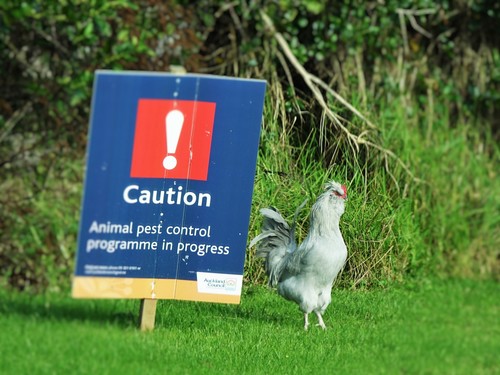 Gallo bankiva
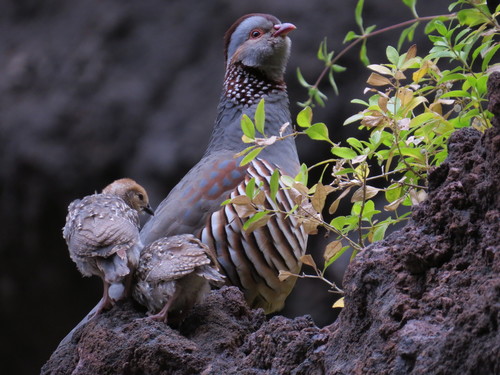 Pernice sarda
In breve
Il segno distintivo più affidabile tra Gallo bankiva e Pernice sarda è la forma generale e la coda: il Gallo bankiva, specialmente i maschi, ha piume della coda lunghe, iridescenti e spesso drammaticamente curve, mentre la Pernice sarda è compatta e con una coda corta e un corpo rotondo. In volo, la Pernice sarda mostra ali arrotondate e preferisce correre piuttosto che volare, mentre il Gallo bankiva vola raramente, tranne per posarsi, ma quando lo fa, la lunga coda e le dimensioni maggiori sono evidenti. Anche il piumaggio è un forte separatore: i maschi di Gallo bankiva sono vivacemente colorati con creste dorate e una grande cresta, mentre la Pernice sarda è molto più sobria con un dorso grigio-marrone, un ventre color buff e un gorget rosso-marrone distintivo. Le femmine e i giovani Gallo bankiva sono più opachi ma mancano ancora del motivo facciale della pernice. Usa prima la struttura e la lunghezza della coda, poi controlla il motivo della testa e il colore delle gambe.
Consigli di identificazione
- Lunghezza e forma della coda: il Gallo bankiva (specialmente i maschi) ha piume della coda molto lunghe, spesso curve e iridescenti; la Pernice sarda ha una coda corta e tozza. Questo è visibile sia negli uccelli posati che in volo, ed è affidabile per tutte le età e i sessi.
- Forma generale: il Gallo bankiva è slanciato ed allungato, specialmente quando cammina o corre; la Pernice sarda è rotonda e compatta, con un centro di gravità basso.
- Motivo della testa e del viso: la Pernice sarda mostra un viso grigio chiaro con un ampio gorget rosso-marrone (fascia del collo), unico tra questi due. I Gallo bankiva di tutte le età e sessi hanno volti semplici, con i maschi che mostrano una grande cresta rossa e bargigli, e le femmine che mancano di forti segni facciali.
- Colore del piumaggio (maschi): i maschi di Gallo bankiva sono vivacemente colorati con creste dorate, code iridescenti e una grande cresta rossa. La Pernice sarda è molto più opaca, senza iridescenza o creste brillanti.
- Colore del piumaggio (femmine/immaturi): le femmine e i giovani Gallo bankiva sono marroni opachi, privi del motivo facciale e del gorget della pernice. La Pernice sarda ha sempre un motivo più marcato sul viso e sui fianchi.
- Gambe e speroni: entrambe le specie hanno gambe rosse, ma solo i maschi di Gallo bankiva hanno speroni prominenti sopra il piede. Se vedi uno sperone, è un maschio di Gallo bankiva.
- Stile di volo: la Pernice sarda vola solo quando viene disturbata, con ali corte e arrotondate e un volo rapido e diretto. Il Gallo bankiva vola raramente, di solito per posarsi, e quando lo fa, la lunga coda è evidente.
- Comportamento a terra: la Pernice sarda preferisce correre quando viene disturbata, spesso in gruppo. Il Gallo bankiva può anche correre, ma i maschi possono essere visti da soli e possono esibirsi o cantare da un posatoio.
- Vocalizzazioni: un classico canto di gallo è il Gallo bankiva; un richiamo rapido e chiacchierino è la Pernice sarda.
- Habitat: nelle aree native, il Gallo bankiva si trova in foreste tropicali dense; la Pernice sarda si trova in aree aperte, rocciose o cespugliose. Nelle aree di sovrapposizione o introdotte, controlla le preferenze di habitat.
- Piumaggio in eclipse: i maschi di Gallo bankiva in piumaggio in eclipse (post-accoppiamento) mostrano più nero sulla schiena e piume rosso-arancioni sparse, ma mancano ancora di qualsiasi motivo facciale o gorget.
- Struttura del gruppo: la Pernice sarda è spesso vista in coppie o gruppi familiari, mentre i gruppi di Gallo bankiva hanno pochi maschi e più femmine, con maschi a volte soli.
- Cresta e bargigli: i maschi di Gallo bankiva hanno una grande cresta rossa evidente e bargigli; la Pernice sarda manca completamente di queste caratteristiche.
- Comportamento di posatoio: i Gallo bankiva si posano sugli alberi di notte, quindi gli uccelli visti volare verso posatoi alti al crepuscolo sono probabilmente Gallo bankiva.
- Trappola: le femmine e i giovani Gallo bankiva possono essere confusi con la Pernice sarda a distanza a causa del colore opaco, ma mancano sempre del forte motivo facciale e del gorget della pernice.
Taglia
Il Gallo bankiva è significativamente più grande e lungo della Pernice sarda. I Gallo bankiva adulti (specialmente i maschi) possono raggiungere fino a 70 cm di lunghezza e avere una massa corporea di circa 672 g [wikidata], con maschi a volte anche più pesanti. La Pernice sarda è molto più compatta e rotonda, con un corpo e una coda più corti, e una massa notevolmente più piccola (massa precisa non fornita, ma sempre inferiore a quella del Gallo bankiva). Sul campo, le dimensioni del Gallo bankiva e la lunga coda lo fanno apparire più slanciato e allungato, mentre la Pernice sarda è tozza e rotonda.
Piumaggio
Non ci sono modelli distintivi di ali giovanili o immaturi descritti per entrambe le specie, quindi ci si concentra sul piumaggio adulto e generale. I maschi di Gallo bankiva sono sorprendenti: lunghe creste dorate sul collo, piume della coda iridescenti blu/verde/viola (alcune estremamente lunghe e curve), e una grande cresta rossa e bargigli. Le femmine sono marroni opache per il camuffamento, prive delle caratteristiche ornate dei maschi, ma hanno comunque un viso semplice e nessun forte motivo sulla testa. La Pernice sarda è complessivamente grigio-marrone sopra, con un viso grigio chiaro, un ampio gorget rosso-marrone e fianchi bianchi striati di ruggine. Il suo petto è grigio e il ventre è color buff. Il motivo facciale della pernice (grigio con un gorget rosso) è unico e non è eguagliato da Gallo bankiva di alcuna età o sesso. Entrambe le specie hanno gambe rosse, ma solo i maschi di Gallo bankiva hanno speroni prominenti. Nel piumaggio in eclipse (post-accoppiamento), i maschi di Gallo bankiva mostrano più nero sulla schiena e piume rosso-arancioni sparse, ma mancano ancora del motivo facciale e del gorget della pernice. Le femmine di Gallo bankiva non cambiano molto stagionalmente.
Comportamento
Il Gallo bankiva è timido e trascorre la maggior parte del suo tempo a terra, foraggiando in gruppi con pochi maschi e diverse femmine. I maschi sono spesso visti da soli. Volano solo per sfuggire al pericolo o per raggiungere i posatoi sugli alberi al crepuscolo, e il loro volo è forte ma breve. La Pernice sarda preferisce anche correre piuttosto che volare, ma quando viene disturbata, vola per brevi distanze con ali arrotondate. I maschi di Gallo bankiva sono territoriali e possono essere visti cantare da punti prominenti. La Pernice sarda è più probabile che venga vista in coppie o gruppi familiari, muovendosi rapidamente a terra.
Habitat
Il Gallo bankiva si trova in foreste tropicali e sottoboschi densi in tutto il Sud-est e il Sud Asia. La Pernice sarda è nativa del Nord Africa e preferisce habitat aperti, asciutti e rocciosi, spesso con cespugli o arbusti sparsi. Nelle aree di sovrapposizione (come le popolazioni introdotte), l'habitat può aiutare: i Gallo bankiva si attaccano a coperture più dense, mentre le pernici sono più uccelli di campagna aperta.
Voce
I maschi di Gallo bankiva emettono il classico canto 'cock-a-doodle-doo', che è forte, chiaro e lontano, usato per annunciare il territorio e attrarre compagni. La Pernice sarda ha un richiamo chiassoso e chiacchierino: 'tre-tre-tre-tre-tre-cheeche-tre-tre-tre', che è più rapido e meno musicale del canto del Gallo bankiva. Se senti un vero canto di gallo, è Gallo bankiva; se senti una serie rapida e chiacchierina, è la Pernice sarda.