

Motmot

アカメジュズカケバト 対 セネガルショウビン

Streptopelia semitorquata 対 Halcyon senegalensis

アカメジュズカケバトとセネガルショウビンのクイズ
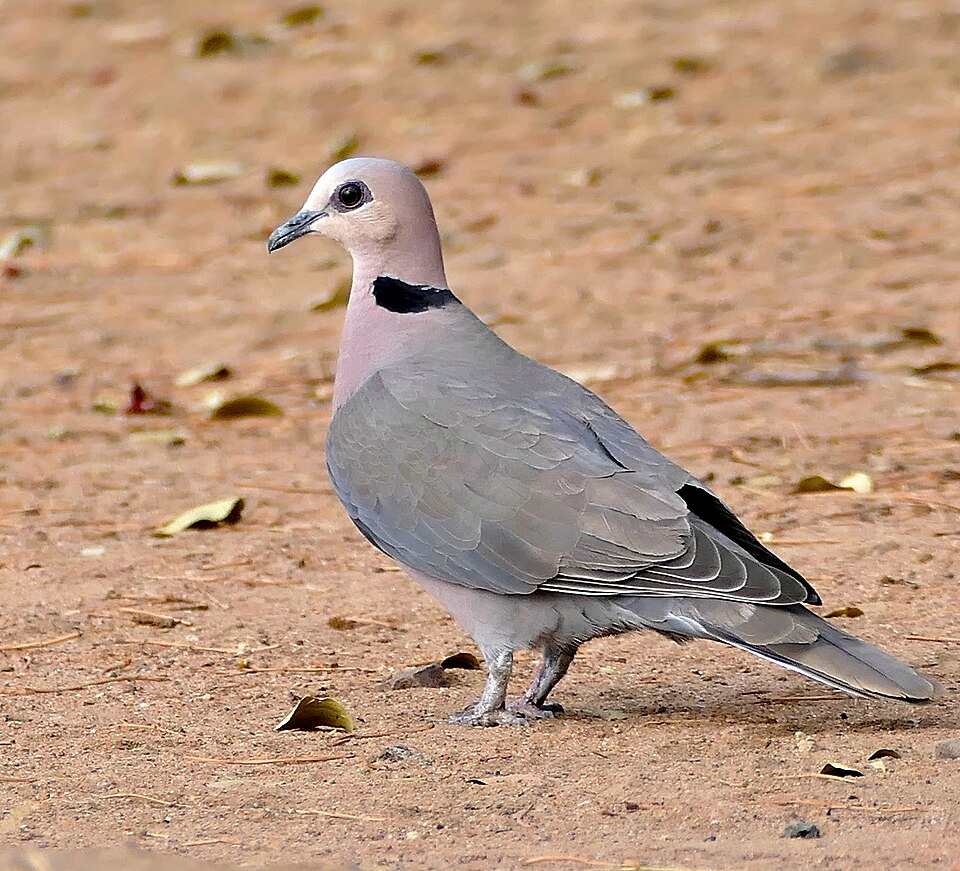
アカメジュズカケバト (Streptopelia semitorquata) アカメジュズカケバト
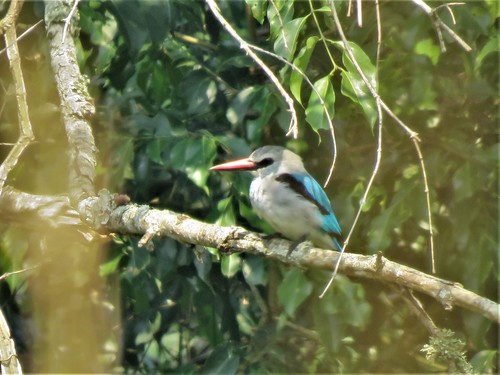
セネガルショウビン (Halcyon senegalensis) セネガルショウビン

メディア

読み込み中…

要点

アカメジュズカケバトとセネガルショウビンを区別する最も信頼できるフィールドマークは、全体の形と構造です:アカメジュズカケバトは小さな頭と長い尾を持つ大きくて重い体の鳩であり、一方セネガルショウビンはコンパクトで短い尾を持つ大きくて目を引く色のくちばしを持つ鳥です。飛行中、アカメジュズカケバトは暗い初列風切羽を持つ広く丸い翼を示し、一般的に均一で muted な色合いを持っていますが、セネガルショウビンは電気的な青い上面と黒と白の模様のある翼を見せます。幼鳥のアカメジュズカケバトはより鈍く茶色ですが、依然として鳩の形を保っていますが、幼鳥のセネガルショウビンは成鳥に似ていますが、茶色のくちばしを持っています。両種は森林の生息地に見られることがありますが、セネガルショウビンは目立つ場所に止まっているか、獲物を求めて飛び出すことが多いのに対し、アカメジュズカケバトは静かに餌を食べたり、木の間を飛んだりすることが多いです。

識別のコツ

  1. Overall shape and structure: アカメジュズカケバトは小さな頭と長く広い尾を持つ大きくて重い体の鳩です。セネガルショウビンは小さく、コンパクトな体、短い尾、非常に大きくて厚い二色のくちばし(上が赤、下が黒)を持っています。
  2. Bill color and shape: 鳩は小さな黒いくちばしを持っています;ショウビンは成鳥では上が赤で下が黒の巨大なダガーのようなくちばしを持っています。幼鳥のショウビンは茶色のくちばしを持っていますが、それでも大きく目立ちます。
  3. Plumage color (adults): 鳩は主に muted です:青灰色の額、暗い冠、モーブピンクからワインレッドの首と胸、灰褐色の上面、黒い初列風切羽、黒い半襟を持っています。ショウビンは上面が明るい青(背中、翼、尾)、下面が白で、黒い肩と目を通る暗いストライプがあります。
  4. Wing pattern in flight: 鳩は暗い初列風切羽を持つ広く丸い翼を示し、一般的に均一で muted な色合いを持っています。ショウビンは電気的な青い上面と黒と白の翼を見せ、白い下羽カバーと淡い白い翼帯があります。
  5. Eye and facial features: 鳩の虹彩は赤、オレンジ、または黄色がかっていることがあり、紫がかった赤の眼窩皮膚があります。ショウビンは目を通る暗いストライプ(ロレス)を持ち、マスクのような外観を与えます。
  6. Juvenile differences: 幼鳥の鳩は鈍く茶色ですが、鳩の比率を保っています。幼鳥のショウビンも鈍くなりますが、背中と翼に青を示し、茶色のくちばしを持っています。
  7. Leg color: 鳩は紫がかった赤の脚を持っています;ショウビンは暗い灰色の脚と足を持っています。
  8. Tail shape: 鳩の尾は長くて広い;ショウビンの尾は短くて四角いです。
  9. Behavior: 鳩は通常静かで、一人またはペアで餌を食べ、規則的な羽ばたきとフリックで飛びます。ショウビンはより目立ち、しばしばオープンな場所に止まり、翼を広げたり侵入者を攻撃したりします。
  10. Habitat context: 両種は森林地域に見られますが、ショウビンはオープンな森林や水の近くにいることが多く、目立つ場所に止まります;鳩はより密なカバーや地面にいることが多いです。
  11. Size impression: 鳩はショウビンよりもはるかに大きくて重いです;一緒に見たり、スケールのために馴染みのある種と一緒に見た場合にこれを使用します。
  12. Flight style: 鳩の飛行は強くて直接的で、規則的な羽ばたきがあります;ショウビンの飛行は迅速で直接的ですが、飛行中はよりコンパクトに見えます。
  13. Neck collar: 鳩は首に黒い半襟を持っています(時には不明瞭);ショウビンには襟がありません。
  14. Pitfalls: 両種の鈍い幼鳥は成鳥の明るさが欠けていることがありますが、構造とくちばしのサイズは信頼できます。ショウビンの青いトーンは決して鳩に匹敵しません。
  15. Perched posture: 鳩は直立して座り、しばしば丸まった外観を持っています;ショウビンはより水平に止まり、しばしば露出した枝に止まります。

大きさ

アカメジュズカケバトはかなり大きくて重く、体重は約235 g、長さは約30 cmで、'リングネック' 鳩の中で最も大きいです。セネガルショウビンは小さくてコンパクトで、長さは約23 cmで、はるかに軽いです(正確な質量は示されていませんが、ショウビンは一般的に同じサイズの鳩よりもはるかに軽いです)。鳩の体はより大きく、比率的に小さな頭を持っており、ショウビンはずんぐりした体型ですが、比率的に大きくて厚いくちばしを持っています。

羽色

行動

アカメジュズカケバトは通常一人またはペアで見られ、地面や木の上で静かに餌を食べ、特に群れを作ることはありません。その飛行は迅速で、規則的な羽ばたきと時折の鋭いフリックがあり、鳩に典型的です。対照的に、セネガルショウビンは攻撃的な領土意識を持ち、しばしば目立つ場所に止まり、白い翼の裏地を見せるために目を引く翼のディスプレイを行います。その飛行は迅速で直接的であり、獲物を捕まえるために止まりから飛び出すことがあります。ショウビンは侵入者、特に人間を攻撃する可能性が高く、一般的に行動がより目立ちます。

生息環境

両種はサハラ以南のアフリカに広く分布し、森林の生息地に見られることがありますが、好みは異なります。アカメジュズカケバトは砂漠を除くほとんどの生息地に一般的で、しばしば川の近くの森林に見られますが、都市や農村地域にも見られます。セネガルショウビンは森林地域を好みますが、特にオープンな森林やエッジに関連しており、しばしば水の近くにいます。ショウビンはオープンな場所に止まっていることが多いのに対し、アカメジュズカケバトは地面で餌を食べたり、木の間を飛んだりすることが多いです。

より良い説明を送る

比較と同じ項目を使ってください。文章はすぐに公開されます。

The most reliable field mark to separate Red-eyed Dove from Woodland Kingfisher is overall shape and structure: the dove is a large, heavy-bodied pigeon with a small head and long tail, while the kingfisher is a compact, short-tailed bird with a large, strikingly colored bill. In flight, the dove shows broad, rounded wings with dark primaries and a generally uniform, muted coloration, while the kingfisher flashes electric blue upperparts and black-and-white patterned wings. Juvenile doves are duller and browner but still pigeon-shaped, whereas juvenile kingfishers are similar to adults but have a brown bill. Both species may be found in wooded habitats, but the kingfisher is often seen perched conspicuously or sallying for prey, while the dove is more likely to be seen feeding quietly or flying between trees.

  1. Overall shape and structure: Red-eyed Dove is a large, heavy-bodied pigeon with a small head and long, broad tail. Woodland Kingfisher is smaller, with a compact body, short tail, and a very large, thick, bicolored bill (red above, black below).
  2. Bill color and shape: Dove has a small, black bill; kingfisher has a massive, dagger-like bill that is red above and black below in adults. Juvenile kingfishers have a brown bill, but it remains large and prominent.
  3. Plumage color (adults): Dove is mostly muted: bluish-grey forehead, darker crown, mauve-pink to wine-red neck and breast, greyish-brown upperparts, black primaries, and a black half-collar. Kingfisher is bright blue above (back, wings, tail), white below, with black shoulders and a dark stripe through the eye.
  4. Wing pattern in flight: Dove shows broad, rounded wings with dark primaries and a generally uniform, muted coloration. Kingfisher flashes electric blue upperparts and black-and-white wings, with white underwing coverts and a faint white wingbar.
  5. Eye and facial features: Dove's iris can be red, orange, or yellowish, with purplish-red orbital skin. Kingfisher has a dark stripe through the eye (lores), giving a masked appearance.
  6. Juvenile differences: Juvenile doves are duller and browner but retain pigeon proportions. Juvenile kingfishers are also duller but still show blue on the back and wings and have a brown bill.
  7. Leg color: Dove has purplish-red legs; kingfisher has dark grey legs and feet.
  8. Tail shape: Dove's tail is long and broad; kingfisher's tail is short and square.
  9. Behavior: Dove is typically quiet, feeding alone or in pairs, and flies with regular beats and flicks. Kingfisher is more conspicuous, often perches in the open, and may display wings or attack intruders.
  10. Habitat context: Both can be found in wooded areas, but kingfisher is more likely near open woodland or water and perches conspicuously; dove is more often in denser cover or on the ground.
  11. Size impression: Dove is much larger and heavier than kingfisher; use this if seen together or with familiar species for scale.
  12. Flight style: Dove's flight is strong and direct with regular wingbeats; kingfisher's is rapid and direct, but the bird appears more compact in flight.
  13. Neck collar: Dove has a black half-collar on the neck (sometimes indistinct); kingfisher lacks any collar.
  14. Pitfalls: Dull juveniles of both species may lack some adult brightness, but structure and bill size remain reliable. Blue tones on the kingfisher are never matched by the dove.
  15. Perched posture: Dove sits upright, often with a hunched, rounded appearance; kingfisher perches more horizontally, often on exposed branches.

Red-eyed Dove is significantly larger and heavier, with a body mass around 235 g and a length of about 30 cm, making it the largest of the 'ringneck' doves. Woodland Kingfisher is smaller and more compact, at about 23 cm in length and much lighter (exact mass not given, but kingfishers are generally much lighter than similarly sized doves). The dove's body is bulkier with a proportionally small head, while the kingfisher has a stocky build but a disproportionately large, thick bill.

  • Juvenile/immature birds: Juvenile Red-eyed Doves are duller and browner than adults, but retain the overall pigeon shape and lack any blue or bright coloration. Juvenile Woodland Kingfishers are also duller than adults and have a brown bill, but still show blue tones on the back and wings, and white underparts.
  • Adults: Red-eyed Dove has a pale bluish-grey forehead, darker crown, dark mauve-pink to wine-red neck and breast, greyish-brown upperparts, black primaries, and a black half-collar on the neck. The iris can be red, orange, or yellowish, with purplish-red orbital skin and legs. Woodland Kingfisher is strikingly different: bright blue back, wing panel, and tail, white head, neck, and underparts, black shoulders, and a large, bicolored bill (red upper, black lower). In flight, the kingfisher shows black primaries and secondaries with white underwing coverts, and a faint white wingbar. The dove's wing pattern is more uniform and lacks any blue or white flashes.
  • Key in flight: Dove shows broad, rounded wings with dark primaries and a generally muted appearance; kingfisher flashes blue upperparts and black-and-white wings.

Red-eyed Dove is typically seen alone or in pairs, feeding quietly on the ground or in trees, and is not particularly gregarious. Its flight is quick with regular beats and occasional sharp flicks, typical of pigeons. Woodland Kingfisher, in contrast, is aggressively territorial, often perches conspicuously, and performs striking wing displays to show off its white wing linings. Its flight is rapid and direct, and it may sally out from a perch to catch prey. The kingfisher is more likely to attack intruders, including humans, and is generally more conspicuous in behavior.

Both species are widespread in sub-Saharan Africa and can occur in wooded habitats, but their preferences differ. Red-eyed Dove is common in most habitats except deserts and is often found in forests near rivers, but also in urban and rural areas. Woodland Kingfisher prefers wooded areas but is especially associated with open woodland and edges, often near water. The kingfisher is more likely to be seen perched in the open, while the dove is more often seen feeding on the ground or flying between trees.

変更を破棄しますか?

保存していない編集があります。今離れると失われます。

アカメジュズカケバト · セネガルショウビン · 苦手な鳥