

Red-eyed Dove vs Woodland Kingfisher
Streptopelia semitorquata contro Halcyon senegalensis
Fai un quiz con Red-eyed Dove e Woodland Kingfisher
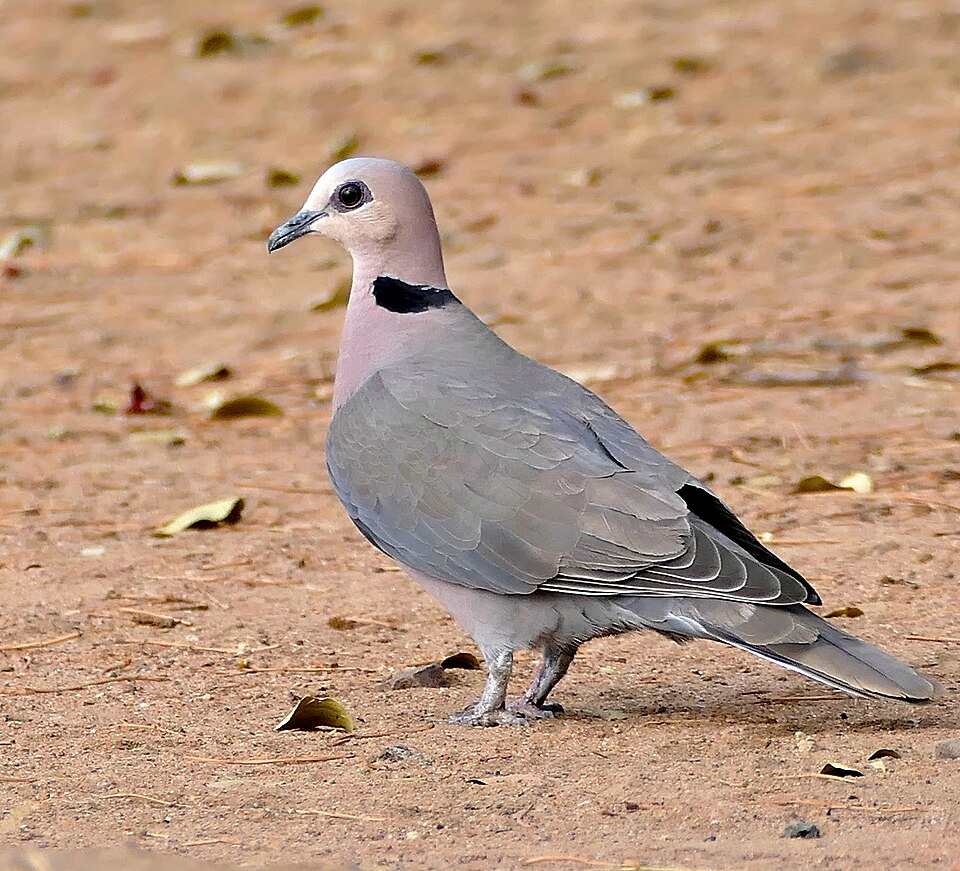 Red-eyed Dove
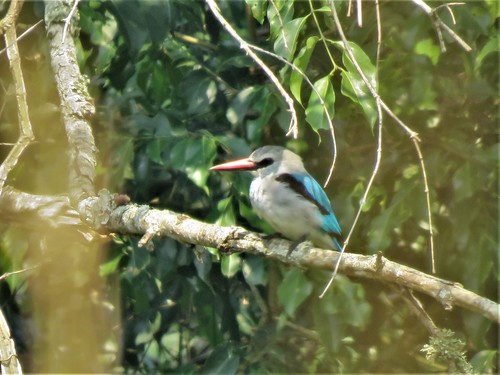 Woodland Kingfisher
In breve
Il segno distintivo più affidabile per separare la Red-eyed Dove dalla Woodland Kingfisher è la forma e la struttura complessiva: la colomba è un grande piccione dal corpo pesante con una testa piccola e una lunga coda, mentre il martin pescatore è un uccello compatto e dalla coda corta con un grande becco di colori vivaci. In volo, la colomba mostra ali ampie e arrotondate con primarie scure e una colorazione generalmente uniforme e attenuata, mentre il martin pescatore sfoggia parti superiori blu elettrico e ali a motivo bianco e nero. Le colombe juvenile sono più opache e marroni ma mantengono comunque la forma di piccione, mentre i martin pescatori juvenile sono simili agli adulti ma hanno un becco marrone. Entrambe le specie possono essere trovate in habitat boschivi, ma il martin pescatore è spesso visto posato in modo evidente o lanciarsi per la preda, mentre la colomba è più probabile che venga vista nutrirsi in silenzio o volare tra gli alberi.
Consigli di identificazione
- Overall shape and structure: La Red-eyed Dove è un grande piccione dal corpo pesante con una testa piccola e una lunga coda ampia. La Woodland Kingfisher è più piccola, con un corpo compatto, coda corta e un becco bicolore molto grande e spesso (rosso sopra, nero sotto).
- Bill color and shape: La colomba ha un piccolo becco nero; il martin pescatore ha un becco massiccio a forma di pugnale che è rosso sopra e nero sotto negli adulti. I martin pescatori juvenile hanno un becco marrone, ma rimane grande e prominente.
- Plumage color (adults): La colomba è per lo più attenuata: fronte grigio-bluastro, corona più scura, collo e petto rosa-mauve a rosso vino, parti superiori grigio-marroni, primarie nere e un mezzo collare nero. Il martin pescatore è blu brillante sopra (schiena, ali, coda), bianco sotto, con spalle nere e una striscia scura attraverso l'occhio.
- Wing pattern in flight: La colomba mostra ali ampie e arrotondate con primarie scure e una colorazione generalmente uniforme e attenuata. Il martin pescatore sfoggia parti superiori blu elettrico e ali bianche e nere, con copritrici sotto le ali bianche e una debole striscia bianca sulle ali.
- Eye and facial features: L'iride della colomba può essere rossa, arancione o giallastra, con pelle orbitale rosso-porpora. Il martin pescatore ha una striscia scura attraverso l'occhio (lori), dando un aspetto mascherato.
- Juvenile differences: Le colombe juvenile sono più opache e marroni ma mantengono le proporzioni del piccione. I martin pescatori juvenile sono anche più opachi ma mostrano ancora blu sulla schiena e sulle ali e hanno un becco marrone.
- Leg color: La colomba ha zampe rosso-porpora; il martin pescatore ha zampe e piedi grigio scuro.
- Tail shape: La coda della colomba è lunga e ampia; la coda del martin pescatore è corta e quadrata.
- Behavior: La colomba è tipicamente silenziosa, si nutre da sola o in coppia e vola con battiti regolari e colpi. Il martin pescatore è più evidente, spesso si posa in modo aperto e può mostrare le ali o attaccare gli intrusi.
- Habitat context: Entrambi possono essere trovati in aree boschive, ma il martin pescatore è più probabile vicino a boschi aperti o acqua e si posa in modo evidente; la colomba è più spesso in copertura più densa o a terra.
- Size impression: La colomba è molto più grande e pesante del martin pescatore; usa questo se visti insieme o con specie familiari per scala.
- Flight style: Il volo della colomba è forte e diretto con battiti regolari; quello del martin pescatore è rapido e diretto, ma l'uccello appare più compatto in volo.
- Neck collar: La colomba ha un mezzo collare nero sul collo (a volte indistinto); il martin pescatore non ha alcun collare.
- Pitfalls: I juvenile opachi di entrambe le specie possono mancare di alcune luminosità degli adulti, ma la struttura e la dimensione del becco rimangono affidabili. Le tonalità blu sul martin pescatore non sono mai eguagliate dalla colomba.
- Perched posture: La colomba si siede eretta, spesso con un aspetto curvo e arrotondato; il martin pescatore si posa più orizzontalmente, spesso su rami esposti.
Taglia
La Red-eyed Dove è significativamente più grande e pesante, con una massa corporea di circa 235 g e una lunghezza di circa 30 cm, rendendola la più grande delle colombe 'ringneck'. La Woodland Kingfisher è più piccola e più compatta, con una lunghezza di circa 23 cm e molto più leggera (massa esatta non fornita, ma i martin pescatori sono generalmente molto più leggeri delle colombe di dimensioni simili). Il corpo della colomba è più ingombrante con una testa proporzionalmente piccola, mentre il martin pescatore ha una corporatura robusta ma un becco grande e spesso sproporzionato.
Piumaggio
- Juvenile/immature birds: Le colombe Red-eyed juvenile sono più opache e marroni degli adulti, ma mantengono la forma generale del piccione e mancano di qualsiasi blu o colorazione brillante. I martin pescatori Woodland juvenile sono anche più opachi degli adulti e hanno un becco marrone, ma mostrano ancora tonalità blu sulla schiena e sulle ali, e parti inferiori bianche.
- Adults: La Red-eyed Dove ha una fronte grigio-bluastro pallido, corona più scura, collo e petto da rosa-mauve a rosso vino, parti superiori grigio-marroni, primarie nere e un mezzo collare nero sul collo. L'iride può essere rossa, arancione o giallastra, con pelle orbitale rosso-porpora e zampe. La Woodland Kingfisher è notevolmente diversa: schiena, pannello delle ali e coda blu brillante, testa, collo e parti inferiori bianche, spalle nere e un grande becco bicolore (rosso sopra, nero sotto). In volo, il martin pescatore mostra primarie e secondarie nere con copritrici sotto le ali bianche e una debole striscia bianca sulle ali. Il motivo delle ali della colomba è più uniforme e manca di qualsiasi lampo blu o bianco.
- Key in flight: La colomba mostra ali ampie e arrotondate con primarie scure e un aspetto generalmente attenuato; il martin pescatore sfoggia parti superiori blu e ali bianche e nere.
Comportamento
La Red-eyed Dove è tipicamente vista da sola o in coppie, nutrendosi in silenzio a terra o sugli alberi, e non è particolarmente gregaria. Il suo volo è veloce con battiti regolari e occasionali colpi netti, tipici dei piccioni. La Woodland Kingfisher, al contrario, è aggressivamente territoriale, spesso si posa in modo evidente e compie spettacolari esibizioni con le ali per mostrare le sue copritrici bianche. Il suo volo è rapido e diretto, e può lanciarsi da un posatoio per catturare prede. Il martin pescatore è più probabile che attacchi gli intrusi, compresi gli esseri umani, ed è generalmente più evidente nel comportamento.
Habitat
Entrambe le specie sono diffuse nell'Africa sub-sahariana e possono verificarsi in habitat boschivi, ma le loro preferenze differiscono. La Red-eyed Dove è comune nella maggior parte degli habitat tranne nei deserti ed è spesso trovata in foreste vicino ai fiumi, ma anche in aree urbane e rurali. La Woodland Kingfisher preferisce aree boschive ma è particolarmente associata a boschi aperti e margini, spesso vicino all'acqua. Il martin pescatore è più probabile che venga visto posato in modo aperto, mentre la colomba è più spesso vista nutrirsi a terra o volare tra gli alberi.
Red-eyed Dove · Woodland Kingfisher · I miei uccelli difficili