

Motmot

アカハシバト 対 コバシバト

Patagioenas flavirostris 対 Patagioenas nigrirostris

アカハシバトとコバシバトのクイズ
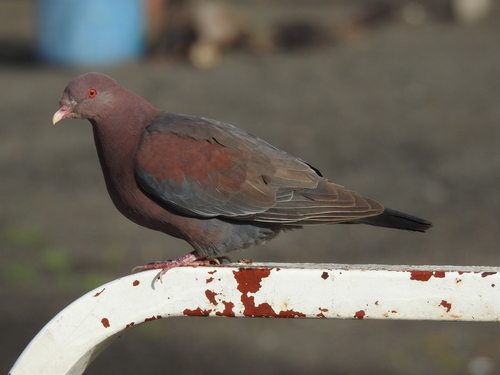
アカハシバト (Patagioenas flavirostris) アカハシバト
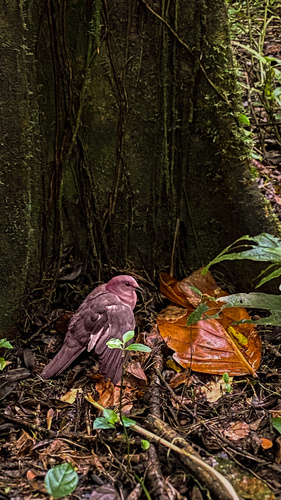
コバシバト (Patagioenas nigrirostris) コバシバト

メディア

読み込み中…

要点

アカハシバトとコバシバトを区別する最も信頼できるフィールドマークはくちばしの色です:アカハシバトは黄色い先端を持つ特徴的な赤いくちばしを示し、コバシバトは黒いくちばしを持っています。成鳥では、アカハシバトはより大きく、頑丈な体型を持ち、スレートグレーの体がマルーンまたは紫の頭と首と対照的です。一方、コバシバトは小さく、全体的により均一なワインパープルで、腹部は茶色がかり、背中はオリーブブラウンです。幼鳥の羽毛は両者ともに鈍いですが、アカハシバトの幼鳥は暗い肩と茶色がかったマントルを持ち、コバシバトの幼鳥は頭部と上部にシナモンのスケーリングを示します。目の色と眼窩リングも異なります:アカハシバトは淡い赤い目とオレンジのリングを持ち、コバシバトは紫赤の目を示します。両者はメキシコ南部と中央アメリカで生息域が重なることがあるため、これらの特徴に注意を払うことが重要です。

識別のコツ

  1. Bill color (all ages): アカハシバトは常に黄色い先端を持つ赤いくちばしを示し、コバシバトは黒いくちばしを持っています。これは最も一貫していて目に見える違いで、特に近距離や良好な光の下で顕著です。
  2. Size and build (adults): アカハシバトはコバシバトよりも大きくて頑丈です(30–37 cm、230–425 g)コバシバト(26.5 cm、150 g)。これは鳥が並んでいるときや、スケールのために馴染みのある種と一緒にいるときに使用します。
  3. Head and neck color (adults): アカハシバトはマルーンから紫の頭と首を持ち、スレートグレーの体と鋭く対照的です。コバシバトはより均一なワインパープルで、頭と体の間のコントラストは少なくなります。
  4. Back and underparts (adults): アカハシバトは青灰色の腹部と尾の覆羽を持ち、背中はあまり茶色がかりません。コバシバトは腹部がより茶色がかり、背中はオリーブブラウンです。アカハシバトの青灰色のトーンを探してください、特に止まっているときや良好な光の下で。
  5. Juvenile plumage: アカハシバトの幼鳥は鈍く、暗い肩と茶色がかったマントルと翼を持っています。コバシバトの幼鳥は頭部と上部にシナモンのスケーリングを示し、灰色がかった茶色の頭/首/胸を持っています。これらのマークは近距離や良好な光の下で最もよく見えます。
  6. Eye color and orbital ring: アカハシバトは淡い赤い目とオレンジの眼窩リングを持ち、コバシバトは紫赤の目を持っています。これは微妙ですが、近距離で役立ちます。
  7. Wing and tail color (adults): コバシバトは黒っぽい尾と初列風切羽を持ち、アカハシバトの尾は青灰色です。飛行中は、照明が優れていない限り、これを見るのは難しいかもしれません。
  8. Sex differences: 両種の雌はより鈍いですが、違いは信頼できるフィールドでの区別には十分強くありません。他のマークに焦点を当ててください。
  9. Iridescence: 両種ともに強い虹色の襟羽毛を持っていないため、これは区別に役立つマークではありません。
  10. Vocalizations: アカハシバトは長く上昇する「コー」という音と三つの「ククククー」という音を出します。コバシバトはより遅く、より複雑な「クー... クーコー コーコー」という音を持っています。もし上昇する引き延ばされた呼び声を聞いたら、アカハシバトを考慮してください。呼び声がより複雑で間隔が空いている場合は、コバシバトを考慮してください。
  11. Wing clapping: アカハシバトは離陸時に翼を叩く音を出すことが多く、コバシバトではあまり見られません。
  12. Habitat context: 乾燥した開けた森や河川の近く、特にメキシコ沿岸部や南テキサスでは、アカハシバトがより見られる可能性が高いです。湿った低地の森林や森林の端、特にメキシコ南部では、コバシバトがより見られる可能性が高いです。
  13. Range overlap: 両種はメキシコ南部と中央アメリカで発生することがあります。これらの地域での区別には生息域だけに頼らないでください。
  14. Foraging behavior: コバシバトはより頻繁にキャノピーで見られ、時には道路の脇で砂利を探すこともあります。アカハシバトは乾燥した森でよりオープンに止まることがあるかもしれません。
  15. Pitfalls: 両種は若いときや光が悪いときに鈍く茶色がかりに見えることがあります。常に最初にくちばしの色を確認し、その後体のサイズと頭と体の色のコントラストを探してください。

大きさ

アカハシバトは明らかに大きくて重く、長さ30–37 cm、重さ230–425 gです [wikipedia]。コバシバトは約26.5 cm、150 gで小さいです [wikipedia]。フィールドでは、アカハシバトはしばしばより頑丈で、コバシバトはよりコンパクトで重さが少ないように見えます。このサイズの違いは、両種が一緒に見られるときに最も明らかですが、単独で見られたり、距離がある場合は微妙かもしれません。

羽色

行動

両種は通常、単独またはペアで見られ、果物を求めて木の中を探します。コバシバトはしばしばキャノピーで見られ、砂利や無脊椎動物を求めて道路の脇に来ることもあります。アカハシバトは乾燥した森や河川の近くで目立って見られることが多いです。飛行中、アカハシバトは離陸時に目立つ翼を叩く音を出し、コバシバトではあまり見られません。

生息環境

アカハシバトは乾燥した森林や河川の森林を好み、特に南テキサスからコスタリカまでの沿岸および低地地域で見られます。メキシコでは最も一般的で、南テキサスでは特に冬に稀です。コバシバトは南メキシコから北西コロンビアまでの低地森林のキャノピーや半開放の森林に生息しています。両者はメキシコ南部と中央アメリカで重なることがありますが、アカハシバトはより乾燥した開けた生息地に関連し、コバシバトは湿った森林やその端に典型的です。

声

アカハシバトは長く高音の呼び声を出します:引き延ばされた「コー」の後に三つの「ククククー」という音が続き、上昇する音程です。コバシバトは複雑で大きく、高音の呼び声を持っています:「クー... クーコー コーコー」と通常は単独でまたは長い間隔で発声されます。コバシバトの呼び声はアカハシバトよりも遅く、より複雑ですが、両者ともに高音で、よく知られていないと混乱を招くことがあります。アカハシバトの離陸時の翼を叩く音も有用な聴覚的手がかりです。

より良い説明を送る

比較と同じ項目を使ってください。文章はすぐに公開されます。

The most reliable field mark to separate Red-billed Pigeon from Short-billed Pigeon is the bill color: Red-billed Pigeon shows a distinctive red bill with a yellow tip, while Short-billed Pigeon has a black bill. In adults, Red-billed Pigeon is larger, with a more robust build and a slate-gray body contrasting with a maroon or purple head and neck, whereas Short-billed Pigeon is smaller, overall more uniformly wine-purple with browner underparts and olive-brown back. Juvenile plumages are duller in both, but Red-billed Pigeon juveniles have dusky shoulders and a browner mantle, while Short-billed juveniles show cinnamon scaling on the head and upperparts. Eye color and orbital ring also differ: Red-billed has pale red eyes with an orange ring, Short-billed shows purple-red eyes. Both can overlap in range in southern Mexico and Central America, so careful attention to these features is essential.

  1. Bill color (all ages): Red-billed Pigeon always shows a red bill with a yellow tip; Short-billed Pigeon has a black bill. This is the most consistent and visible difference, especially at close range or in good light.
  2. Size and build (adults): Red-billed Pigeon is larger and bulkier (30–37 cm, 230–425 g) than Short-billed Pigeon (26.5 cm, 150 g). Use this when birds are side by side or with familiar species for scale.
  3. Head and neck color (adults): Red-billed Pigeon has a maroon to purple head and neck, sharply contrasting with the slate-gray body. Short-billed Pigeon is more uniformly wine-purple, with less contrast between head and body.
  4. Back and underparts (adults): Red-billed Pigeon has a blue-gray belly and tail coverts, and a less brown back. Short-billed Pigeon is browner on the belly and has an olive-brown back. Look for the blue-gray tones in Red-billed, especially when perched or in good light.
  5. Juvenile plumage: Red-billed Pigeon juveniles are duller, with dusky shoulders and a browner mantle and wings. Short-billed juveniles show cinnamon scaling on the head and upperparts and a greyish-brown head/neck/breast. These marks are best seen at close range or in good light.
  6. Eye color and orbital ring: Red-billed Pigeon has pale red eyes with an orange orbital ring; Short-billed Pigeon has purple-red eyes. This can be subtle but is useful at close range.
  7. Wing and tail color (adults): Short-billed Pigeon has blackish tail and primaries, while Red-billed's tail is blue-gray. In flight, this may be hard to see unless lighting is excellent.
  8. Sex differences: Females of both species are duller, but the difference is not strong enough for reliable field separation; focus on other marks.
  9. Iridescence: Neither species has strong iridescent collar plumage, so this is not a useful mark for separation.
  10. Vocalizations: Red-billed Pigeon gives a long, ascending 'coooo' plus three 'cuk-c'-c'-coo' notes; Short-billed Pigeon has a slower, more complex 'coo... cu-COO k’CO coohoo.' If you hear a drawn-out, ascending call, lean toward Red-billed; if the call is more complex and spaced out, consider Short-billed.
  11. Wing clapping: Red-billed Pigeon often produces a wing clapping sound on takeoff, which is rarely noted in Short-billed.
  12. Habitat context: In dry, open woods or riversides, especially in coastal Mexico or southern Texas, Red-billed Pigeon is more likely. In humid lowland forests or forest edges, especially south of Mexico, Short-billed Pigeon is more likely.
  13. Range overlap: Both species can occur in southern Mexico and Central America. Do not rely on range alone for separation in these areas.
  14. Foraging behavior: Short-billed Pigeon is more often seen in the canopy and sometimes on roadsides for grit; Red-billed Pigeon may perch more openly in dry woods.
  15. Pitfalls: Both species can appear dull and brownish when young or in poor light. Always check bill color first, then look for body size and head-to-body color contrast.

Red-billed Pigeon is noticeably larger and heavier, measuring 30–37 cm in length and weighing 230–425 g [wikipedia]. Short-billed Pigeon is smaller at about 26.5 cm and 150 g [wikipedia]. In the field, Red-billed Pigeon often appears bulkier and more robust, while Short-billed Pigeon seems more compact and less hefty. This size difference is most apparent when both species are seen together, but may be subtle if seen singly or at a distance.

  • Juvenile/immature birds: Red-billed Pigeon juveniles are duller overall, with dark and dusky shoulders and a browner mantle and wings. Short-billed Pigeon juveniles have a greyish-brown head, neck, and breast, with cinnamon scaling on the head and upperparts. These juvenile features are most useful in the non-breeding season or when birds are not yet fully adult.

  • Adults: Red-billed Pigeon adults have a slate-gray body with a maroon to purple head, neck, and wing coverts, blue-gray belly and tail coverts, and a less brown back. Short-billed Pigeon adults are more uniformly wine-purple, becoming browner on the belly and olive-brown on the back, with blackish tail and primaries. Red-billed lacks iridescent collar plumage, which is not a factor in Short-billed either. Females of both species are duller than males, but the difference is subtle.

  • Bill and eye: Red-billed Pigeon has a red bill with a yellow tip and pale red eyes with an orange orbital ring. Short-billed Pigeon has a black bill and purple-red eyes.

Both species are typically seen singly or in pairs, foraging in trees for fruit. Short-billed Pigeon is often found in the canopy and may also come to roadsides for grit or invertebrates. Red-billed Pigeon is more likely to be seen in dry woods or along riversides, sometimes perching conspicuously. In flight, Red-billed Pigeon produces a noticeable wing clapping sound when taking off, which is less often noted in Short-billed.

Red-billed Pigeon prefers dry forests and riverside woodlands, especially in coastal and lowland areas from southern Texas to Costa Rica. It is most common in Mexico and rare in southern Texas, especially in winter. Short-billed Pigeon occupies lowland forest canopy and semi-open woodland from southern Mexico to northwestern Colombia. Both can overlap in southern Mexico and Central America, but Red-billed is more associated with drier, open habitats, while Short-billed is more typical of humid forests and edges.

Red-billed Pigeon gives a long, high-pitched call: a drawn-out 'coooo' followed by three 'cuk-c'-c'-coo' notes, with an ascending pitch. Short-billed Pigeon has a complex, loud, and high-pitched call: 'coo... cu-COO k’CO coohoo,' usually delivered singly or with long pauses. The Short-billed's call is slower and more complex than Red-billed's, but both are high-pitched and can be confusing if not well known. Red-billed's wing clapping on takeoff is also a useful auditory clue.

変更を破棄しますか?

保存していない編集があります。今離れると失われます。

アカハシバト · コバシバト · 苦手な鳥