

Motmot

アカハシバト 対 オビオバト

Patagioenas flavirostris 対 Patagioenas fasciata

アカハシバトとオビオバトのクイズ
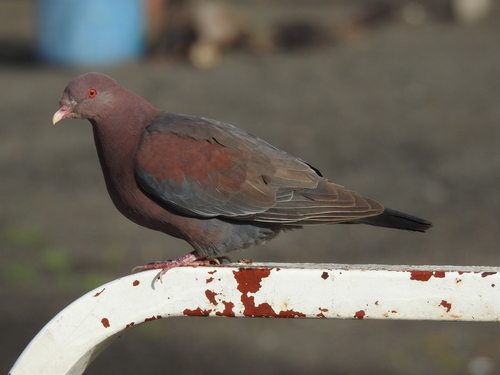
アカハシバト (Patagioenas flavirostris) アカハシバト
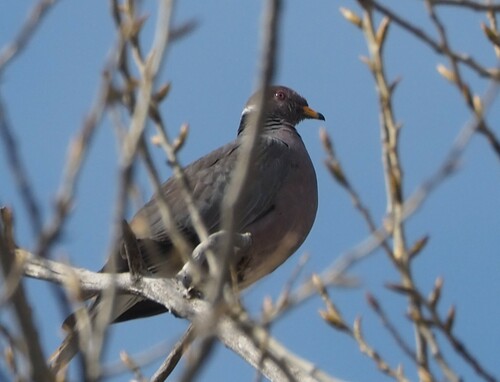
オビオバト (Patagioenas fasciata) オビオバト

メディア

読み込み中…

要点

アカハシバトとオビオバトを区別する最も信頼できるフィールドマークは、成鳥のオビオバトに見られる薄い白い後頭部の襟と緑色の首の虹色であり、アカハシバトには常にこの特徴がありません。幼鳥のオビオバトも上部に鱗状の外観を示し、襟が欠けていますが、アカハシバトの幼鳥は全体的に鈍く、上面が茶色がかっており、鱗状の効果はありません。くちばしの色も重要なポイントです:アカハシバトは赤いくちばしに黄色の先端を持ち、オビオバトは黄色のくちばしを示します(北部亜種では時々黒い先端があります)。飛行中、オビオバトは広い淡い尾帯を示し、アカハシバトの尾はより均一な色合いです。両者は大きくて頑丈な鳩で、サイズは似ていますが、構造や生息地の好みが文脈で役立つことがあります。

識別のコツ

  1. 白い後頭部の襟(成鳥のオビオバトのみ): オビオバトの成鳥に見られる薄い白い襟と緑色の首の虹色を探してください;アカハシバトはどの年齢でもこの特徴を示しません。
  2. 飛行中の尾のパターン: オビオバトは広い淡い終端尾帯と暗い亜終端帯を示します;アカハシバトの尾はより均一な色合いで、対照的な帯が欠けています。
  3. くちばしの色: アカハシバトは赤いくちばしに黄色の先端を持ち(すべての年齢)、オビオバトは黄色のくちばしを持ち、時々黒い先端があります(北部亜種)、しかし赤ではありません。
  4. 幼鳥の上面: 幼鳥のオビオバトは淡い縁取りのある鱗状の外観を持ち、白い襟が欠けています;幼鳥のアカハシバトは全体的に鈍く、茶色がかった翼とマントルを持ちますが、鱗状ではありません。
  5. 頭と首の色: アカハシバトの成鳥はマルーンから紫色の頭と首を持ち、オビオバトは灰色でわずかにピンクがかったまたは紫がかった色合いを持ち、決して濃いマルーンではありません。
  6. 腹の色: オビオバトはほぼ白い腹を持ち、アカハシバトの腹は青灰色で、白ではありません。
  7. 目と眼窩の輪: アカハシバトは淡い赤い目とオレンジ色の眼窩の輪を持ち、これはオビオバトではあまり際立っていません。
  8. 性差: メスのアカハシバトはオスよりも頭と首が鈍いですが、これは微妙です;オビオバトのオスはわずかに大きく、ピンクがかっているかもしれませんが、性別は似ています。
  9. 翼の構造: オビオバトは太い基部の尖った翼を持ち、アカハシバトも頑丈ですが、この特徴はそれほど強く示しません。
  10. 生息地の文脈: 低地の乾燥森林や河川の森ではアカハシバトを疑い、山地やオークの森林ではオビオバトがより可能性があります。
  11. 飛行音: アカハシバトは離陸時に翼を叩く音を出すことがあり、聞こえた場合は手がかりになることがあります。
  12. 鳴き声: 長く高音の「コー」という声の後に3つの速い音が続くのを聞いたら、それはアカハシバトです。
  13. 群れの行動: オビオバトは緩いコロニーで巣を作ることがありますが、アカハシバトはより頻繁に単独またはペアで見られます。
  14. 季節的な存在: アカハシバトはその範囲のほとんどで冬に稀です;オビオバトの季節的な動きは地域によりますが、両者は一部の地域で冬に不在になることがあります。
  15. サイズ: 両者は同様に大きくて頑丈です;区別のためにサイズだけに頼らないでください。

大きさ

両種は新世界の鳩の中で最も大きいものの一つで、サイズにかなりの重複があります。アカハシバトは30〜37 cmの長さで、230〜425 gの重さがあります;オビオバトは33〜40 cmの長さで、226〜460 gの重さがあります。オビオバトは平均してわずかに大きいかもしれませんが、サイズだけでは彼らを区別するための信頼できるフィールドマークではありません。両者はフィールドで大きくて頑丈に見えます。

羽色

行動

両種は強く、直接的な飛行を持つ頑丈な鳩です。オビオバトは太い基部の尖った翼と広い尾を持ち、飛行中に淡い尾帯を示すことがよくあります。アカハシバトも強い飛行を持ち、離陸時に翼を叩く音を出すことができます。両者は木に止まりますが、オビオバトは巣を作る際に小さなコロニーを形成することがありますが、アカハシバトはしばしば単独またはペアで見られます。短いフィールドビューでは診断的な主要な行動の違いはありません。

生息環境

アカハシバトは南テキサスからメキシコ、中米の乾燥森林、河川の森林、低地地域で最もよく見られます。オビオバトは山地の森林、オークの森林、高地の生息地を好み、特に北アメリカ西部と中米で見られます。一部の地域では重複が可能ですが、文脈が役立つことがあります:オビオバトは高地または山地の森林でより可能性が高く、アカハシバトは低地の乾燥林や河川域で見られます。

声

アカハシバトは独特で長い高音の鳴き声を出します:引き延ばされた「コー」という声の後に3つの速い「ククククー」という音が続き、上昇するパターンを持っています。オビオバトの鳴き声は提供されたメモには記載されていないため、アカハシバトの独特の鳴き声が聞こえた場合のみ診断的です。

より良い説明を送る

比較と同じ項目を使ってください。文章はすぐに公開されます。

The most reliable field mark to separate Red-billed Pigeon from Band-tailed Pigeon is the presence of a thin white nape collar and green neck iridescence on adult Band-tailed Pigeon, which Red-billed Pigeon always lacks. Juvenile Band-tailed Pigeons also show a scaly appearance above and lack the collar, but Red-billed juveniles are duller overall with browner upperparts and lack any scaly effect. Bill color is another key: Red-billed Pigeon has a red bill with a yellow tip, while Band-tailed Pigeon shows a yellow bill (sometimes with a black tip in northern subspecies). In flight, Band-tailed Pigeon shows a broad pale tail band, while Red-billed Pigeon’s tail is more uniformly colored. Both are large, robust pigeons of similar size, but their structure and habitat preferences can help in context.

  1. White nape collar (adult Band-tailed only): Look for a thin white collar on the nape and green neck iridescence in Band-tailed Pigeon adults; Red-billed Pigeon never shows this feature at any age.
  2. Tail pattern in flight: Band-tailed Pigeon shows a broad pale terminal tail band with a darker subterminal band; Red-billed Pigeon’s tail is more uniformly colored and lacks a contrasting band.
  3. Bill color: Red-billed Pigeon has a red bill with a yellow tip (all ages); Band-tailed Pigeon has a yellow bill, sometimes with a black tip (northern subspecies), but never red.
  4. Juvenile upperparts: Juvenile Band-tailed Pigeon has pale-edged, scaly-looking upperparts and lacks the white collar; juvenile Red-billed Pigeon is duller overall, with brownish wings and mantle, but not scaly.
  5. Head and neck color: Red-billed Pigeon adults have a maroon to purple head and neck; Band-tailed Pigeon is gray with a faint pinkish or purple-gray cast, never rich maroon.
  6. Belly color: Band-tailed Pigeon has a nearly white belly; Red-billed Pigeon’s belly is blue-gray, not white.
  7. Eye and orbital ring: Red-billed Pigeon has pale red eyes with an orange orbital ring; this is less distinctive in Band-tailed Pigeon.
  8. Sex differences: Female Red-billed Pigeons are duller on the head and neck than males, but this is subtle; Band-tailed Pigeon males may be slightly larger and pinker, but sexes are similar.
  9. Wing structure: Band-tailed Pigeon has thick-based, pointed wings; Red-billed Pigeon is also robust but does not show this feature as strongly.
  10. Habitat context: In lowland dry forests or riverside woods, suspect Red-billed Pigeon; in montane or oak forests, Band-tailed is more likely.
  11. Flight sound: Red-billed Pigeon may produce a wing-clap on takeoff, which can be a clue if heard.
  12. Vocalization: If you hear a long, high-pitched 'coooo' followed by three quick notes, it is Red-billed Pigeon.
  13. Group behavior: Band-tailed Pigeon may nest in loose colonies; Red-billed Pigeon is more often solitary or in pairs.
  14. Seasonal presence: Red-billed Pigeon is rare in winter in most of its range; Band-tailed Pigeon’s seasonal movements depend on region, but both can be absent in winter in some areas.
  15. Size: Both are similarly large and robust; do not rely on size alone for separation.

Both species are among the largest New World pigeons, with substantial overlap in size. Red-billed Pigeon measures 30–37 cm in length and weighs 230–425 g; Band-tailed Pigeon is 33–40 cm long and weighs 226–460 g. Band-tailed may average slightly larger, but size alone is not a reliable field mark between them. Both appear large and robust in the field.

  • Juveniles: Juvenile Band-tailed Pigeons have pale feather edges above, giving a scaly or mottled look, and lack both the white nape collar and neck iridescence. Juvenile Red-billed Pigeons are duller overall, with dark, dusky shoulders and a browner mantle and wings, but do not show a scaly effect.
  • Adults: Adult Band-tailed Pigeons have a thin white collar on the nape and green iridescence on the neck, plus a broad pale tail band with a darker subterminal band. Their overall color is gray with a faint pinkish cast on the head and breast, and a nearly white belly. Adult Red-billed Pigeons are darker slate-gray with a maroon to purple head, neck, and wing coverts, a blue-gray belly and tail coverts, and lack any iridescent collar or nape mark. Their bill is red with a yellow tip, while Band-tailed's is yellow (sometimes with a black tip).

Both species are robust pigeons with strong, direct flight. Band-tailed Pigeon has thick-based, pointed wings and a broad tail, often showing the pale tail band in flight. Red-billed Pigeon also has strong flight and can produce a wing-clap sound on takeoff. Both perch in trees, but Band-tailed Pigeons may form small colonies when nesting, while Red-billed Pigeons are often seen singly or in pairs. No major behavioral differences are diagnostic in brief field views.

Red-billed Pigeon is most often found in dry forests, riverside woodlands, and lowland areas from southern Texas through Mexico and Central America. Band-tailed Pigeon prefers montane forests, oak woodlands, and higher elevation habitats, especially in western North America and Central America. Overlap is possible in some regions, but context can help: Band-tailed is more likely in upland or montane forests, Red-billed in lowland dry woods or riparian zones.

Red-billed Pigeon gives a distinctive, long, high-pitched call: a drawn-out 'coooo' followed by three quick 'cuk-c'-c'-coo' notes, with an ascending pattern. Band-tailed Pigeon's vocalizations are not described in the provided notes, so voice is only diagnostic if Red-billed's unique call is heard.

変更を破棄しますか?

保存していない編集があります。今離れると失われます。

アカハシバト · オビオバト · 苦手な鳥