

Motmot

セアカモズ 対 アカモズ

Lanius collurio 対 Lanius cristatus

セアカモズとアカモズのクイズ
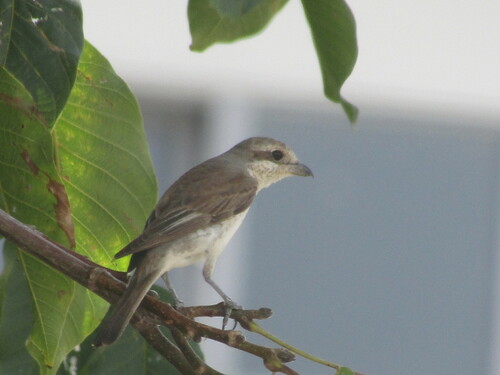
セアカモズ (Lanius collurio) セアカモズ
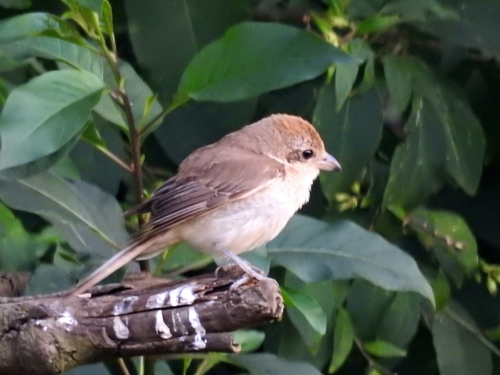
アカモズ (Lanius cristatus) アカモズ

メディア

読み込み中…

要点

セアカモズとアカモズの最も信頼できるフィールドマークは、上面と頭の色合いと模様です:成鳥のオスのセアカモズは特徴的な灰色の頭と豊かな赤褐色の上面を持ち、アカモズは主に上面が茶色で、頭のコントラストが少なく、目立つ白い眉があります。両種の幼鳥と雌はより似ていますが、セアカモズ(すべての年齢/性別)は強い白い眉を示すことはなく、アカモズはオスのセアカモズの青灰色の冠を欠いています。飛んでいるときや止まっているときは、翼の白の有無や尾の色と模様を探してください。両種は若い鳥で茶色の波状模様の上面を示すことがありますが、アカモズは一般的により地味で均一に茶色で、尾は丸く、白い翼の鏡はありません。特に非成鳥のオスでは、頭の模様と尾の色を主な手がかりとして使用してください。

識別のコツ

  1. **成鳥のオスのセアカモズは青灰色の頭と後頭部を持ち、はっきりとした黒いマスクと豊かな赤褐色の上面を示します;アカモズは青灰色の頭を示すことはありません。このマークは明確なオスを見たときに使用してください。
  2. アカモズのすべての年齢と性別は、特に亜種superciliosusとlucionensisでは、マスクの上に目立つ白い眉を示します;セアカモズはすべての年齢で白い眉を欠いています。
  3. セアカモズの雌と幼鳥は、上面と下面に細かい波状の模様(波状の縞模様)を持つ茶色の上面を持ちます;アカモズの雌/幼鳥は上面がより均一に茶色で、下面には細かいスカロッピングがありますが、同じ波状模様はありません。
  4. アカモズのマスクは通常、はっきりしておらず、冬にはより淡く見えることがあります;セアカモズのマスクはオスでは常にはっきりと定義されており、雌/幼鳥ではそれほどではありませんが、依然として白い眉は欠いています。
  5. 飛んでいるときや尾が広がっているとき、セアカモズは特にオスで黒と白の尾の模様を示します;アカモズの尾は茶色または赤褐色で、丸く、強いコントラストはありません。
  6. アカモズの翼は地味な茶色で、白い「鏡」やパネルはありません;セアカモズは特にオスで翼に白を示すことがあります。
  7. アカモズの亜種は灰色の冠(lucionensis)やより豊かな赤褐色の冠(superciliosus)を示すことがありますが、決してオスのセアカモズの青灰色はありません。
  8. 両種は幼鳥として茶色の波状模様の上面を示すことがありますが、白い眉を持つのはアカモズだけです。
  9. 強い白い眉と茶色の上面を持つシュライクを見たら、それはアカモズです;頭が青灰色で上面が赤褐色なら、それはオスのセアカモズです。
  10. 地理的位置が役立ちます:アカモズは主にアジアに生息し、セアカモズは主にヨーロッパ/西アジアに生息しますが、迷鳥も発生することがあります。
  11. 曖昧な鳥(雌/幼鳥)では、白い眉の有無と尾の模様に焦点を当ててください。
  12. 両種は獲物を刺し、止まり木から狩りをするので、行動は信頼できる区別要因ではありません。
  13. サイズは似ており、フィールドでの区別には役立ちません。
  14. 鳴き声は、これらの2種を区別するためにフィールドで信頼できるものではありません。
  15. 疑問がある場合は、識別のために頭の模様(白い眉対青灰色の冠)と尾の模様(コントラストのある黒と白対地味な茶色)を優先してください。

大きさ

両種はサイズが似ており、アカモズの記録された平均体重は33gです。セアカモズの体重は提供されていませんが、両方とも中型のシュライクであり、双眼鏡で見ると似ているはずです。尾の形状(アカモズの尾は丸く茶色がかっている;セアカモズの尾はよりコントラストのある黒と白)などの構造的な違いは、サイズよりも役立つかもしれません。

羽色

行動

両種は目立って止まり、上昇した位置から狩りを行い、獲物を棘や有刺鉄線に刺します。フィールドで診断的な行動の違いは特に記載されていません。両方とも渡り鳥で、冬の生息地でテリトリーを確立します。

生息環境

セアカモズは西ヨーロッパから中央ロシアで繁殖し、熱帯および南アフリカで冬を越します。アカモズは主にアジアに生息し、モンゴルからシベリアで繁殖し、南アジアおよび東南アジアで冬を越します。重複はまれで、主に中央アジアで発生しますが、地理的な文脈が役立つことがありますが、迷鳥も発生します。両方とも散在する低木や木のある開けた生息地を利用します。

声

診断的な鳴き声の違いはノートに記載されていません。アカモズの冬の歌は微弱で、模倣を含むことがありますが、これはセアカモズとの区別のための信頼できるフィールドマークではありません。

より良い説明を送る

比較と同じ項目を使ってください。文章はすぐに公開されます。

The most reliable field mark between Red-backed Shrike and Brown Shrike is the coloration and pattern of the upperparts and head: adult male Red-backed Shrike has a distinctive grey head and rich reddish upperparts, while Brown Shrike is mainly brown above with a less contrasting head and a prominent white brow. Juveniles and females of both species are more similar, but Red-backed Shrike (of all ages/sexes) never shows a strong white supercilium, and Brown Shrike lacks the male Red-backed's blue-grey crown. In flight or perched, look for the presence or absence of white in the wings and the tail color and pattern. Both species can show brown, vermiculated upperparts in young birds, but Brown Shrike is generally plainer and more uniformly brown, with a rounded tail and no white wing mirrors. Use head pattern and tail coloration as your main clues, especially in non-adult males.

  1. **Adult male Red-backed Shrike shows a blue-grey head and nape with a sharply defined black mask and rich rufous upperparts; Brown Shrike never shows a blue-grey head. Use this mark when seeing a clear male.
  2. Brown Shrike of all ages and sexes shows a prominent white supercilium (brow) above the mask, especially in subspecies superciliosus and lucionensis; Red-backed Shrike lacks a white brow at all ages.
  3. Red-backed Shrike females and juveniles have brown upperparts with fine vermiculation (wavy barring) above and below; Brown Shrike females/juveniles are more uniformly brown above and have fine scalloping below, but not the same vermiculation.
  4. Brown Shrike's mask is usually less crisp and can appear paler in winter; Red-backed Shrike's mask is always sharply defined in males, less so in females/juveniles but still lacks the white brow.
  5. In flight or when tail is spread, Red-backed Shrike shows a black-and-white tail pattern, especially in males; Brown Shrike's tail is brownish or rufous, rounded, and lacks strong contrast.
  6. Brown Shrike's wings are plain brown and lack any white 'mirror' or panel; Red-backed Shrike may show some white in the wings, especially in males.
  7. Subspecies of Brown Shrike may show a greyish crown (lucionensis) or a richer reddish crown (superciliosus), but never the blue-grey of Red-backed Shrike male.
  8. Both species can show brown, vermiculated upperparts as juveniles, but only Brown Shrike will have a white brow.
  9. If you see a shrike with a strong white supercilium and brown upperparts, it's a Brown Shrike; if the head is blue-grey and the upperparts are rufous, it's a male Red-backed.
  10. Geographic location helps: Brown Shrike is mainly Asian, Red-backed is mainly European/West Asian, but vagrants can occur.
  11. In ambiguous birds (female/juvenile), focus on the presence or absence of the white brow and the pattern of the tail.
  12. Both species impale prey and hunt from perches, so behavior is not a reliable separator.
  13. Size is similar and not useful for field separation.
  14. Vocalizations are not reliably distinct in the field for separating these two species.
  15. If in doubt, prioritize head pattern (white brow vs blue-grey crown) and tail pattern (contrasting black-and-white vs plain brown) for your identification.

Both species are similar in size, with Brown Shrike having a recorded average mass of 33g. Red-backed Shrike's mass is not provided, but both are medium-sized shrikes and should appear similar through binoculars. Structural differences like tail shape (Brown Shrike's tail is rounded and brownish; Red-backed Shrike's is more contrastingly black and white) may be more helpful than size.

  • Adult males: Red-backed Shrike males are unmistakable with a blue-grey head, black mask, and rich reddish upperparts. Brown Shrike males are brown above, with a black mask (sometimes paler in winter) and a white brow. The Brown Shrike's mask is less crisp, and the head is never blue-grey.
  • Females and juveniles: Both are brown above, but Red-backed Shrike females/juveniles show fine vermiculation (wavy barring) on the upperparts and underparts, while Brown Shrike females have fine scalloping below and are more uniformly brown above. Brown Shrike juveniles/females often show a white supercilium (brow), which Red-backed Shrike lacks at all ages.
  • Wings and tail: Red-backed Shrike (all ages) may show a black-and-white tail pattern, especially obvious in males, whereas Brown Shrike's tail is plain brown or rufous, rounded, and lacks strong contrast. Brown Shrike's wings are brown and lack any white 'mirror' patches. Subspecies of Brown Shrike may show variation in crown and rump color, but never the blue-grey of male Red-backed.

Both species perch conspicuously and hunt from elevated positions, impaling prey on thorns or barbed wire. There are no major behavioral differences noted that are diagnostic in the field. Both are migratory and establish territories on wintering grounds.

Red-backed Shrike breeds from Western Europe to central Russia and winters in tropical and southern Africa. Brown Shrike is found mainly in Asia, breeding from Mongolia to Siberia and wintering in South and Southeast Asia. Overlap is rare and mainly in central Asia, so geographic context can help, but vagrants do occur. Both use open habitats with scattered bushes or trees.

No diagnostic vocal differences are described in the notes. Brown Shrike's winter song is faint and may include mimicry, but this is not a reliable field mark for separation from Red-backed Shrike.

変更を破棄しますか?

保存していない編集があります。今離れると失われます。

セアカモズ · アカモズ · 苦手な鳥