

Averla piccola vs Averla bruna
Lanius collurio contro Lanius cristatus
Fai un quiz con Averla piccola e Averla bruna
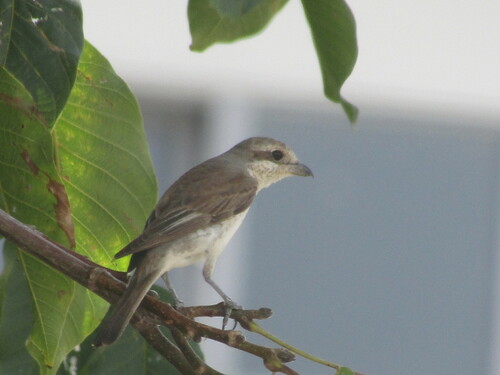 Averla piccola
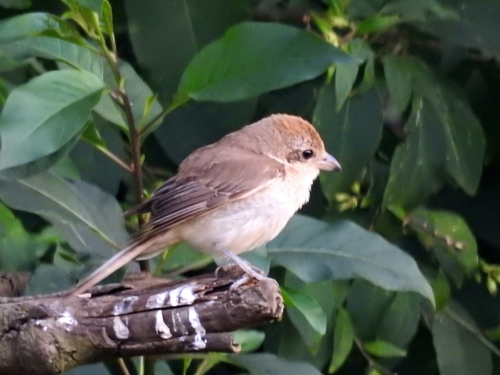 Averla bruna
In breve
Il segno di campo più affidabile tra l'Averla piccola e l'Averla bruna è la colorazione e il motivo delle parti superiori e della testa: l'Averla piccola maschio adulto ha una testa grigia distintiva e parti superiori di un ricco rosso, mentre l'Averla bruna è principalmente marrone sopra con una testa meno contrastante e una prominente sopracciglia bianca. I giovani e le femmine di entrambe le specie sono più simili, ma l'Averla piccola (di tutte le età/sessi) non mostra mai un forte supercilium bianco, e l'Averla bruna manca della corona blu-grigia del maschio dell'Averla piccola. In volo o posata, cerca la presenza o l'assenza di bianco nelle ali e il colore e il motivo della coda. Entrambe le specie possono mostrare parti superiori marroni e vermicolate nei giovani, ma l'Averla bruna è generalmente più semplice e uniformemente marrone, con una coda arrotondata e senza specchi bianchi sulle ali. Usa il motivo della testa e la colorazione della coda come i tuoi principali indizi, specialmente nei maschi non adulti.
Consigli di identificazione
- **L'Averla piccola maschio adulto mostra una testa e un nape blu-grigi con una maschera nera ben definita e parti superiori di un ricco rufous; l'Averla bruna non mostra mai una testa blu-grigia. Usa questo segno quando vedi un chiaro maschio.
- L'Averla bruna di tutte le età e sessi mostra un prominente supercilium bianco (sopracciglio) sopra la maschera, specialmente nelle sottospecie superciliosus e lucionensis; l'Averla piccola manca di una sopracciglia bianca a tutte le età.
- Le femmine e i giovani dell'Averla piccola hanno parti superiori marroni con fine vermicolazione (bande ondulate) sopra e sotto; le femmine/giovani dell'Averla bruna sono più uniformemente marroni sopra e hanno una fine scalloping sotto, ma non la stessa vermicolazione.
- La maschera dell'Averla bruna è solitamente meno nitida e può apparire più chiara in inverno; la maschera dell'Averla piccola è sempre ben definita nei maschi, meno nei femmine/giovani ma ancora priva di sopracciglia bianche.
- In volo o quando la coda è aperta, l'Averla piccola mostra un motivo di coda bianco e nero, specialmente nei maschi; la coda dell'Averla bruna è marrone o rufous, arrotondata e priva di forte contrasto.
- Le ali dell'Averla bruna sono marroni semplici e mancano di qualsiasi 'specchio' o pannello bianco; l'Averla piccola può mostrare del bianco nelle ali, specialmente nei maschi.
- Le sottospecie dell'Averla bruna possono mostrare una corona grigia (lucionensis) o una corona rufous più ricca (superciliosus), ma mai il blu-grigio del maschio dell'Averla piccola.
- Entrambe le specie possono mostrare parti superiori marroni e vermicolate come giovani, ma solo l'Averla bruna avrà una sopracciglia bianca.
- Se vedi un'averla con un forte supercilium bianco e parti superiori marroni, è un'Averla bruna; se la testa è blu-grigia e le parti superiori sono rufous, è un maschio dell'Averla piccola.
- La posizione geografica aiuta: l'Averla bruna è principalmente asiatica, l'Averla piccola è principalmente europea/asiatica occidentale, ma possono verificarsi vagabondi.
- Negli uccelli ambigui (femmina/giovane), concentrati sulla presenza o assenza della sopracciglia bianca e sul motivo della coda.
- Entrambe le specie infilzano le prede e cacciano da posatoi, quindi il comportamento non è un separatore affidabile.
- La dimensione è simile e non utile per la separazione sul campo.
- Le vocalizzazioni non sono distintamente diverse sul campo per separare queste due specie.
- In caso di dubbio, dai priorità al motivo della testa (sopracciglia bianca vs corona blu-grigia) e al motivo della coda (contrasto bianco e nero vs marrone semplice) per la tua identificazione.
Taglia
Entrambe le specie sono simili in dimensioni, con l'Averla bruna che ha una massa media registrata di 33g. La massa dell'Averla piccola non è fornita, ma entrambe sono averle di dimensioni medie e dovrebbero apparire simili attraverso i binocoli. Differenze strutturali come la forma della coda (la coda dell'Averla bruna è arrotondata e marrone; quella dell'Averla piccola è più contrastante tra il nero e il bianco) possono essere più utili della dimensione.
Piumaggio
- Maschi adulti: I maschi dell'Averla piccola sono inconfondibili con una testa blu-grigia, una maschera nera e parti superiori di un ricco rufous. I maschi dell'Averla bruna sono marroni sopra, con una maschera nera (a volte più chiara in inverno) e una sopracciglia bianca. La maschera dell'Averla bruna è meno nitida, e la testa non è mai blu-grigia.
- Femmine e giovani: Entrambi sono marroni sopra, ma le femmine/giovani dell'Averla piccola mostrano fine vermicolazione (bande ondulate) sulle parti superiori e inferiori, mentre le femmine dell'Averla bruna hanno una fine scalloping sotto e sono più uniformemente marroni sopra. I giovani/femmine dell'Averla bruna mostrano spesso un supercilium bianco (sopracciglio), che l'Averla piccola manca a tutte le età.
- Ali e coda: L'Averla piccola (tutte le età) può mostrare un motivo di coda bianco e nero, specialmente evidente nei maschi, mentre la coda dell'Averla bruna è marrone semplice o rufous, arrotondata e priva di forte contrasto. Le ali dell'Averla bruna sono marroni e mancano di qualsiasi macchia 'specchio' bianca. Le sottospecie dell'Averla bruna possono mostrare variazioni nel colore della corona e del coda, ma mai il blu-grigio del maschio dell'Averla piccola.
Comportamento
Entrambe le specie si posano in modo evidente e cacciano da posizioni elevate, infilzando le prede su spine o filo spinato. Non ci sono differenze comportamentali maggiori notate che siano diagnostiche sul campo. Entrambe sono migratorie e stabiliscono territori nei luoghi di svernamento.
Habitat
L'Averla piccola nidifica dall'Europa occidentale alla Russia centrale e sverna in Africa tropicale e meridionale. L'Averla bruna si trova principalmente in Asia, nidificando dalla Mongolia alla Siberia e svernando nel sud e nel sud-est asiatico. L'overlap è raro e principalmente in Asia centrale, quindi il contesto geografico può aiutare, ma i vagabondi possono verificarsi. Entrambe utilizzano habitat aperti con cespugli o alberi sparsi.
Voce
Nessuna differenza vocale diagnostica è descritta nelle note. Il canto invernale dell'Averla bruna è debole e può includere mimetismo, ma questo non è un segno di campo affidabile per la separazione dall'Averla piccola.