

Motmot

セアカモズ 対 キレンジャク

Lanius collurio 対 Bombycilla garrulus

セアカモズとキレンジャクのクイズ
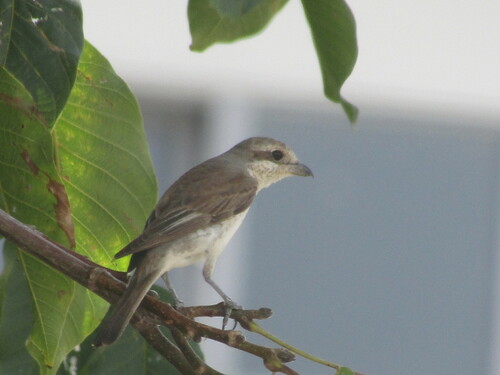
セアカモズ (Lanius collurio) セアカモズ
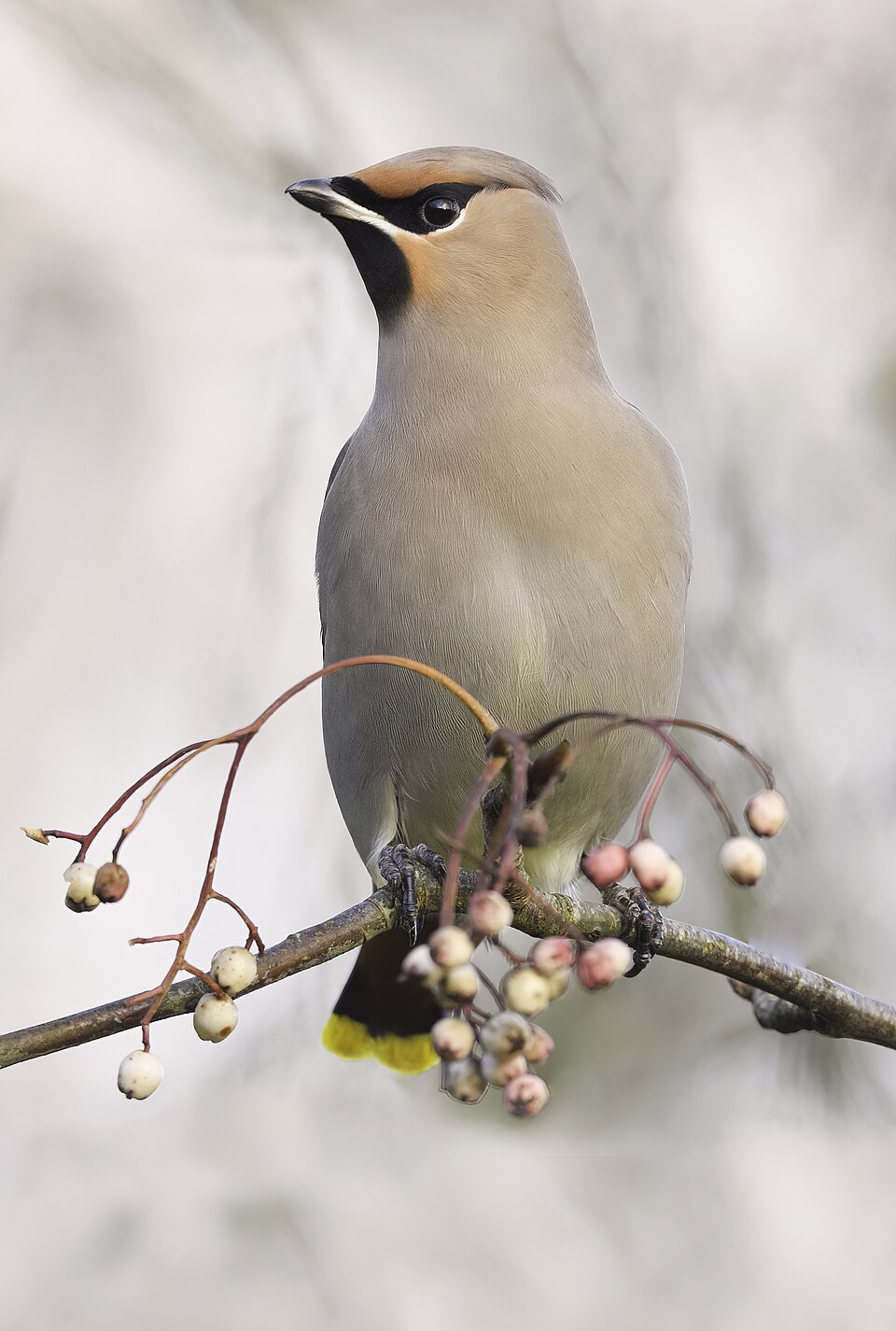
キレンジャク (Bombycilla garrulus) キレンジャク

メディア

読み込み中…

要点

セアカモズとキレンジャクの間で最も信頼できるフィールドマークは、キレンジャクの大胆な翼のパターンです:幼鳥を除いて、黄色と白のマーキングに加えて、二次羽の赤い蝋状の先端を探してください。これはセアカモズには決して存在しません。未成熟な鳥については、若いセアカモズは茶色で重い縞模様があり、初冬のキレンジャクは成鳥の完全な翼のパターンを欠いていますが、翼にいくつかの黄色と白を示し、黄色の先端を持つ短くて四角い尾を持っています。構造的には、セアカモズはスリムで長い尾を持ち、しばしば露出した枝に直立して止まりますが、キレンジャクはずんぐりしていて短い尾を持ち、目立つ冠があります。飛行中、キレンジャクは密集した群れで移動し、スターリングのような印象を示しますが、セアカモズはより孤立していて直接的です。黒いマスクを持つ鳥を見たら、セアカモズの赤褐色の背中と灰色の頭を確認してください。キレンジャクは全体的にバフグレーで尖った冠を持っています。

識別のコツ

  1. Wing Pattern (all ages except juvenile waxwing): キレンジャクは翼に白と黄色のマーキングと二次羽に赤い蝋状の先端を示します。セアカモズは翼の色の斑点を決して示しません。初冬のキレンジャクは、一次羽の淡い黄色または白のエッジが減少していますが、まだ見えます。
  2. Tail Shape and Pattern: キレンジャクは広い黄色の先端を持つ短くて四角い尾を持っています。セアカモズは長くてより段階的な尾を持ち、黒と白のパターンがありますが、黄色は決してありません。
  3. Crest: キレンジャクは常に目立つ尖った冠を持っています。セアカモズは冠がなく、滑らかに丸い頭を持っています。
  4. Facial Markings: 両者とも黒いマスクを持っていますが、セアカモズのマスクは目を通り、灰色の頭(オス)または茶色(メス/未成熟)で際立っています。キレンジャクのマスクはより広く、黒い喉と目の上と下に白い線があり、シナモンのハイライトがあります。
  5. Back Color: オスのセアカモズは特徴的な赤褐色の背中を持っています。キレンジャクは上面が均一にバフグレーで、決して赤褐色ではありません。
  6. Underparts: セアカモズの腹部はピンクがかった(オス)またはバフで縞模様(メス/未成熟)ですが、キレンジャクの腹部は滑らかで、豊かな栗色の腹を持ち、縞模様はありません。
  7. Juvenile/First-winter Confusion: 若いセアカモズは上面と下面が茶色で重い縞模様があり、翼や尾の色はありません。初冬のキレンジャクは鈍い色ですが、まだ翼にいくつかの黄色/白を示し、黄色の尾の先端を持っています。
  8. Structure: セアカモズはスリムで長い尾を持ち、直立しています。キレンジャクはずんぐりしていて短い尾を持ち、コンパクトで、太い首と大きな頭を持っています。
  9. Perching Behavior: セアカモズは露出した枝やワイヤーに一人またはペアで止まります。キレンジャクはしばしば群れで、ベリーの木に近くに止まります。
  10. Flight Jizz: キレンジャクは密集した速い群れで飛び、スターリングのような飛行をします。セアカモズは孤立しており、より典型的で直接的な通過性の飛行を持っています。
  11. Habitat: セアカモズは開けた田舎、ヘッジ、そして低木に見られます。キレンジャクは森林(繁殖)またはベリーの木のある都市/公園地帯(冬)にいます。
  12. Bill: セアカモズはフック状の捕食者のくちばしを持っています。キレンジャクのくちばしは短くてまっすぐで、ベリーに適しています。
  13. Impaling Behavior: セアカモズだけが獲物を棘やワイヤーに刺します。キレンジャクはそうしません。
  14. Seasonal Context: 西ヨーロッパでは、セアカモズは夏(繁殖)に存在し、キレンジャクは冬の間に出現します。
  15. Size: キレンジャクはセアカモズよりも大きくて重いです。ずんぐりした体型と短い尾を持っています。

大きさ

キレンジャクは明らかに大きくて重いです:長さは19〜23 cmで、平均55 g、セアカモズは16〜18 cmで、より軽い体型です[wikipedia][avonet]。キレンジャクはスターリングサイズで、短い尾と広い翼を持っていますが、セアカモズはスリムで長い尾を持ち、全体的により細身です。両者が止まっているのを見ると、違いは特に明らかです:キレンジャクはずんぐりしていてコンパクトに見え、セアカモズはより流線型で直立しています。

羽色

年齢特有の翼のパターンが最も早く区別されます。

行動

セアカモズは露出した止まり木から獲物を狩り、直立して獲物を探し、しばしば食べ物を棘やワイヤーに刺します。彼らは通常孤立しているかペアで、群れを形成することはめったにありません。キレンジャクは冬に非常に群れを成し、密集した騒がしい群れで移動し、ベリーを食べ、しばしば木や低木を登ります。飛行中、キレンジャクは速くて直接的で、スターリングに似ていますが、セアカモズはより典型的な通過性の飛行を持ち、群れで見られる可能性は低いです。

生息環境

セアカモズは散在する低木、ヘッジ、または低木のある開けた田舎で繁殖し、しばしば農地やヒース地帯にいます。彼らは開けた風景の目立つ止まり木を好みます。キレンジャクは北部の森林で繁殖し、冬には都市公園、庭、ベリーを実らせる木が豊富な地域に移動します。キレンジャクは特に冬に出現する際に町や都市で見られる可能性が高いですが、セアカモズは密集した都市地域を避け、農村または半開放的な生息地に留まります。

より良い説明を送る

比較と同じ項目を使ってください。文章はすぐに公開されます。

The most reliable field mark between Red-backed Shrike and Bohemian Waxwing is the waxwing’s bold wing pattern: in all but juveniles, look for yellow and white markings plus red waxy tips on the secondaries, which are never present on shrikes. For immature birds, note that young shrikes are brown and heavily vermiculated, while first-winter waxwings lack the adult’s full wing pattern but still show some yellow and white in the wing and a short, square tail with a yellow tip. Structurally, shrikes are slimmer, longer-tailed, and often perch upright on exposed branches, while waxwings are chunkier, short-tailed, and have a prominent crest. In flight, waxwings move in tight flocks and show a starling-like jizz, while shrikes are more solitary and direct. If you see a bird with a black mask, check for the shrike’s rufous back and grey head versus the waxwing’s overall buff-grey and pointed crest.

  1. Wing Pattern (all ages except juvenile waxwing): Bohemian Waxwing shows white and yellow markings on the wings and red waxy tips on the secondaries; Red-backed Shrike never shows any wing color patches. First-winter waxwings have reduced but still visible pale yellow or white edges to the primaries and a yellow tail tip.
  2. Tail Shape and Pattern: Waxwing has a short, square tail with a broad yellow tip; shrike has a longer, more graduated tail with a black-and-white pattern but never yellow.
  3. Crest: Waxwing always has a prominent pointed crest; shrike lacks any crest and has a smoothly rounded head.
  4. Facial Markings: Both have a black mask, but shrike’s is through the eye and set off by a grey head (male) or brown (female/immature); waxwing’s mask is broader, with a black throat and white lines above and below the eye, plus cinnamon highlights.
  5. Back Color: Male shrike has a distinctive rufous back; waxwing is uniformly buff-grey above, never rufous.
  6. Underparts: Shrike’s underparts are pinkish (male) or buff and vermiculated (female/immature); waxwing’s are smooth, with a rich chestnut belly and no barring.
  7. Juvenile/First-winter Confusion: Young shrikes are brown and heavily barred above and below, with no wing or tail color; first-winter waxwings are duller but still show some yellow/white in the wings and a yellow tail tip.
  8. Structure: Shrike is slim, long-tailed, and upright; waxwing is chunky, short-tailed, and compact, with a thick neck and large head.
  9. Perching Behavior: Shrikes perch alone or in pairs on exposed branches or wires; waxwings are often in flocks, perched close together in berry trees.
  10. Flight Jizz: Waxwings fly in tight, fast-moving flocks with a starling-like flight; shrikes are solitary and have a more typical, direct passerine flight.
  11. Habitat: Shrikes are found in open countryside, hedgerows, and scrub; waxwings are in forests (breeding) or urban/parkland with berry trees (winter).
  12. Bill: Shrike has a hooked, predatory bill; waxwing’s bill is short and straight, suited for berries.
  13. Impaling Behavior: Only shrikes impale prey on thorns or wire; waxwings do not.
  14. Seasonal Context: In Western Europe, shrikes are present in summer (breeding), waxwings appear in winter during irruptions.
  15. Size: Waxwing is larger and heavier than shrike, with a chunkier build and shorter tail.

Bohemian Waxwing is noticeably larger and heavier: 19–23 cm in length and averaging 55 g, compared to the Red-backed Shrike’s 16–18 cm and lighter build [wikipedia][avonet]. Waxwings are starling-sized, with a short tail and broad wings, while shrikes are slimmer, longer-tailed, and more slender overall. The difference is especially apparent when both are seen perched: waxwings look chunky and compact, shrikes more streamlined and upright.

Age-specific wing pattern is the fastest separator.

  • Juvenile/First-winter: Young Red-backed Shrikes are brown above with heavy vermiculations (fine barring) on both upperparts and underparts; their wings and tail lack any bright markings. First-winter Bohemian Waxwings are duller than adults but still show a pale yellow or white edge to the primaries and a yellow tail tip, though the white 'tick mark' on the wing is faint or absent. Juvenile waxwings (seen only on breeding grounds) are streaky below, lack the black throat and mask, and have a duller overall look, but still retain a short, square tail and some wing patterning.

  • Adult: Male Red-backed Shrike has a rufous back, grey head, black mask through the eye, pinkish underparts, and a black-and-white tail pattern. Females and immatures are browner and vermiculated but never show wing or tail color patches. Bohemian Waxwing adults are buff-grey with a prominent crest, black mask and throat, white and yellow wing markings, red waxy tips on the secondaries, and a broad yellow tail tip. The underparts are smooth and chestnut on the belly, with cinnamon around the mask.

  • In flight: Waxwings flash white and yellow in the wings and a yellow tail tip; shrikes show plain wings and a longer, more graduated tail with a black-and-white pattern.

Red-backed Shrikes hunt from exposed perches, sitting upright and scanning for prey, often impaling food on thorns or wire. They are usually solitary or in pairs, rarely forming flocks. Bohemian Waxwings are highly gregarious in winter, moving in tight, noisy flocks, feeding on berries, and often clambering through trees and bushes. In flight, waxwings are fast and direct, resembling starlings, while shrikes have a more typical passerine flight and are less likely to be seen in groups.

Red-backed Shrikes breed in open country with scattered bushes, hedgerows, or scrub, often in farmland or heathland. They prefer prominent perches in open landscapes. Bohemian Waxwings breed in northern forests and, in winter, move to urban parks, gardens, and areas with abundant berry-bearing trees. Waxwings are more likely to be seen in towns or cities during irruptions, especially in winter, while shrikes avoid dense urban areas and stick to rural or semi-open habitats.

変更を破棄しますか?

保存していない編集があります。今離れると失われます。

セアカモズ · キレンジャク · 苦手な鳥