

Averla piccola vs Beccofrusone
Lanius collurio contro Bombycilla garrulus
Fai un quiz con Averla piccola e Beccofrusone
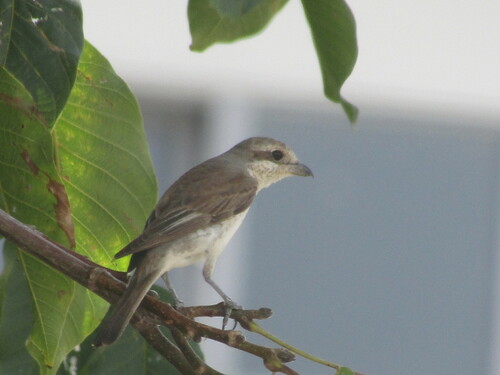 Averla piccola
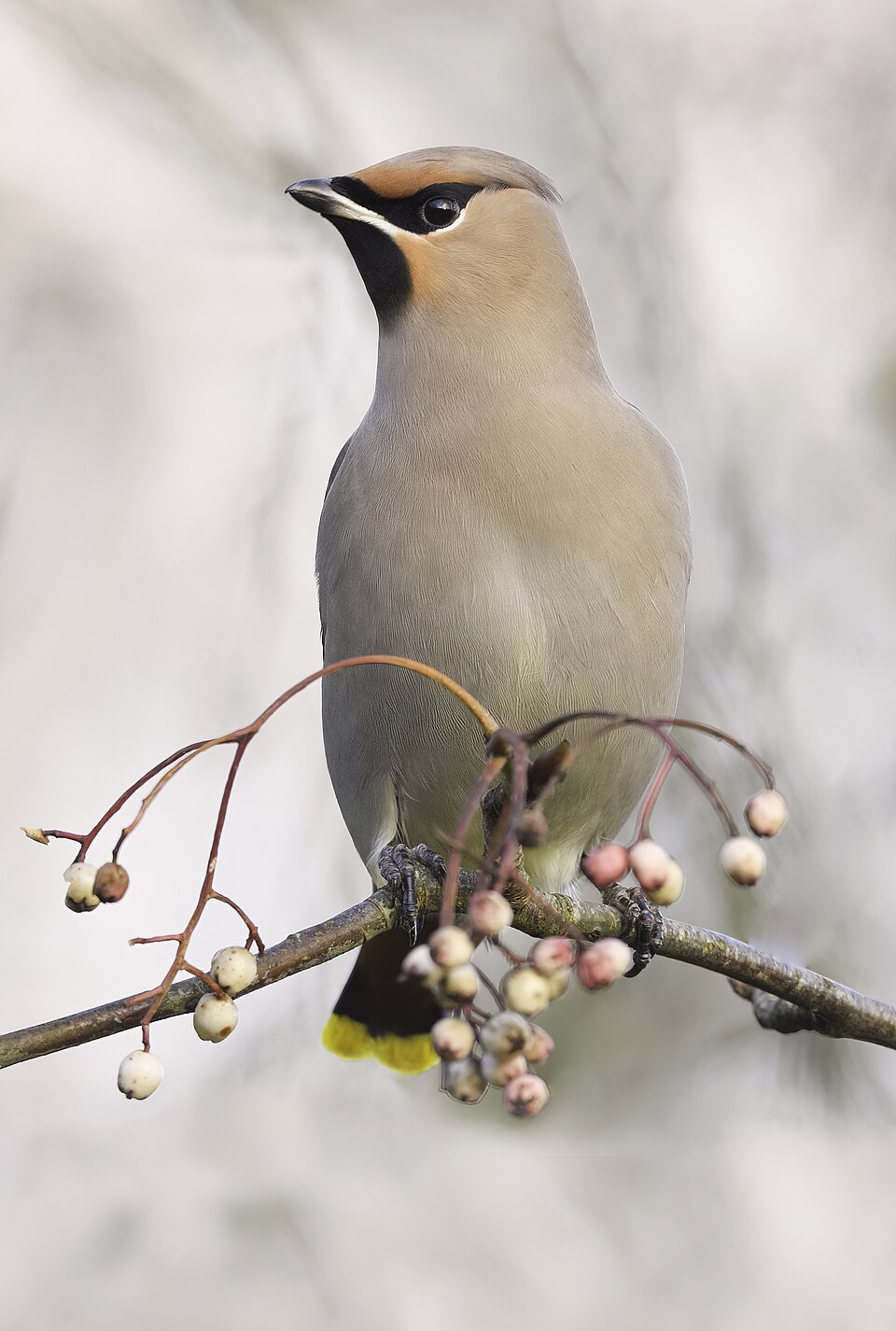 Beccofrusone
In breve
Il segno distintivo più affidabile tra l'Averla piccola e il Beccofrusone è il bold wing pattern del beccofrusone: in tutti tranne i giovani, cerca segni gialli e bianchi più punte rosse cerose sulle secondarie, che non sono mai presenti nelle averle. Per gli uccelli immaturi, nota che le giovani averle sono marroni e fortemente vermicolate, mentre i beccofrusoni di primo inverno mancano del completo pattern alare dell'adulto ma mostrano comunque un po' di giallo e bianco nell'ala e una coda corta e quadrata con una punta gialla. Strutturalmente, le averle sono più snelle, con code più lunghe e spesso si posano erette su rami esposti, mentre i beccofrusoni sono più robusti, con code corte e hanno una cresta prominente. In volo, i beccofrusoni si muovono in stormi compatti e mostrano un aspetto simile a quello dei storni, mentre le averle sono più solitarie e dirette. Se vedi un uccello con una maschera nera, controlla il dorso rufoso dell'averla e la testa grigia rispetto al beccofrusone, che ha un aspetto complessivo grigio-buff e una cresta appuntita.
Consigli di identificazione
- Wing Pattern (all ages except juvenile waxwing): Il Beccofrusone mostra segni bianchi e gialli sulle ali e punte rosse cerose sulle secondarie; l'Averla piccola non mostra mai macchie di colore sulle ali. I beccofrusoni di primo inverno hanno bordi gialli o bianchi pallidi ridotti ma ancora visibili sulle primarie e una punta gialla sulla coda.
- Tail Shape and Pattern: Il beccofrusone ha una coda corta e quadrata con una larga punta gialla; l'averla ha una coda più lunga e graduata con un pattern bianco e nero ma mai gialla.
- Crest: Il beccofrusone ha sempre una cresta prominente e appuntita; l'averla non ha alcuna cresta e ha una testa arrotondata.
- Facial Markings: Entrambi hanno una maschera nera, ma quella dell'averla passa attraverso l'occhio ed è delimitata da una testa grigia (maschio) o marrone (femmina/immatura); la maschera del beccofrusone è più ampia, con una gola nera e linee bianche sopra e sotto l'occhio, più riflessi cannella.
- Back Color: L'averla maschio ha un dorso rufoso distintivo; il beccofrusone è uniformemente grigio-buff sopra, mai rufoso.
- Underparts: Le parti inferiori dell'averla sono rosate (maschio) o buff e vermicolate (femmina/immatura); quelle del beccofrusone sono lisce, con un ventre castano ricco e senza barre.
- Juvenile/First-winter Confusion: Le giovani averle sono marroni e fortemente barrate sopra e sotto, senza colore sulle ali o sulla coda; i beccofrusoni di primo inverno sono più opachi ma mostrano comunque un po' di giallo/bianco nelle ali e una punta gialla sulla coda.
- Structure: L'averla è snella, con una coda lunga e eretta; il beccofrusone è robusto, con una coda corta e compatto, con un collo spesso e una testa grande.
- Perching Behavior: Le averle si posano sole o in coppie su rami esposti o fili; i beccofrusoni sono spesso in stormi, posati vicini insieme negli alberi da bacca.
- Flight Jizz: I beccofrusoni volano in stormi compatti e veloci con un volo simile a quello dei storni; le averle sono solitarie e hanno un volo passeriforme più tipico e diretto.
- Habitat: Le averle si trovano in campagna aperta, siepi e cespugli; i beccofrusoni sono in foreste (riproduzione) o aree urbane/parchi con alberi da bacca (inverno).
- Bill: L'averla ha un becco ricurvo e predatorio; il becco del beccofrusone è corto e dritto, adatto per le bacche.
- Impaling Behavior: Solo le averle infilzano le prede su spine o fili; i beccofrusoni non lo fanno.
- Seasonal Context: In Europa occidentale, le averle sono presenti in estate (riproduzione), i beccofrusoni appaiono in inverno durante le irruzioni.
- Size: Il beccofrusone è più grande e pesante dell'averla, con una corporatura più robusta e una coda più corta.
Taglia
Il Beccofrusone è notevolmente più grande e pesante: 19–23 cm di lunghezza e una media di 55 g, rispetto ai 16–18 cm e alla corporatura più leggera dell'Averla piccola [wikipedia][avonet]. I beccofrusoni sono delle dimensioni di uno storno, con una coda corta e ali larghe, mentre le averle sono più snelle, con code più lunghe e più slanciate nel complesso. La differenza è particolarmente evidente quando entrambi sono visti posati: i beccofrusoni sembrano robusti e compatti, le averle più aerodinamiche e erette.
Piumaggio
Il pattern alare specifico per età è il separatore più veloce.
-
Juvenile/First-winter: Le giovani Averle piccole sono marroni sopra con forti vermicolazioni (fine barratura) su entrambe le parti superiori e inferiori; le loro ali e coda mancano di qualsiasi marcatura brillante. I beccofrusoni di primo inverno sono più opachi rispetto agli adulti ma mostrano comunque un bordo giallo pallido o bianco sulle primarie e una punta gialla sulla coda, anche se il 'tick mark' bianco sull'ala è debole o assente. I beccofrusoni giovani (visti solo nei luoghi di riproduzione) sono striati sotto, mancano della gola nera e della maschera, e hanno un aspetto complessivo più opaco, ma mantengono comunque una coda corta e quadrata e alcune marcature alari.
-
Adult: L'averla maschio ha un dorso rufoso, testa grigia, maschera nera attraverso l'occhio, parti inferiori rosate e un pattern di coda bianco e nero. Le femmine e gli immaturi sono più marroni e vermicolati ma non mostrano mai macchie di colore sulle ali o sulla coda. Gli adulti Beccofrusone sono grigio-buff con una cresta prominente, maschera e gola nere, marcature bianche e gialle sulle ali, punte rosse cerose sulle secondarie e una larga punta gialla sulla coda. Le parti inferiori sono lisce e castane sul ventre, con cannella intorno alla maschera.
-
In flight: I beccofrusoni lampeggiano bianco e giallo nelle ali e una punta gialla sulla coda; le averle mostrano ali semplici e una coda più lunga e graduata con un pattern bianco e nero.
Comportamento
Le Averle piccole cacciano da posatoi esposti, sedendosi erette e scrutando per la preda, spesso infilzando il cibo su spine o fili. Di solito sono solitarie o in coppie, raramente formano stormi. I Beccofrusoni sono altamente gregari in inverno, muovendosi in stormi compatti e rumorosi, nutrendosi di bacche e spesso arrampicandosi tra alberi e cespugli. In volo, i beccofrusoni sono veloci e diretti, somigliando a storni, mentre le averle hanno un volo passeriforme più tipico e sono meno probabili da vedere in gruppi.
Habitat
Le Averle piccole si riproducono in campagna aperta con cespugli sparsi, siepi o cespugli, spesso in terreni agricoli o brughiera. Preferiscono posatoi prominenti in paesaggi aperti. I Beccofrusoni si riproducono nelle foreste settentrionali e, in inverno, si spostano verso parchi urbani, giardini e aree con abbondanti alberi da bacca. I beccofrusoni sono più probabili da vedere in città o paesi durante le irruzioni, specialmente in inverno, mentre le averle evitano aree urbane dense e si attengono a habitat rurali o semi-aperti.