

Motmot

ウスヒメシロハラミズナギドリ 対 ヒメクジラドリ

Pterodroma pycrofti 対 Pachyptila turtur

ウスヒメシロハラミズナギドリとヒメクジラドリのクイズ

ウスヒメシロハラミズナギドリ (Pterodroma pycrofti) ウスヒメシロハラミズナギドリ
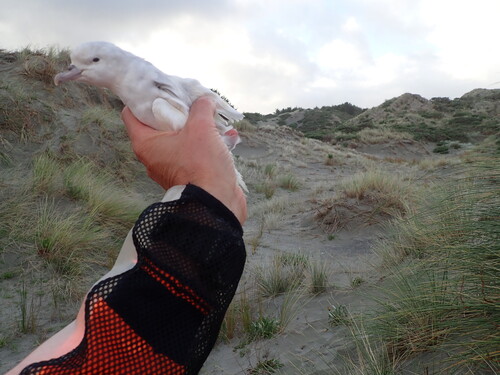
ヒメクジラドリ (Pachyptila turtur) ヒメクジラドリ

メディア

読み込み中…

要点

ウスヒメシロハラミズナギドリとヒメクジラドリの最も信頼できるフィールドマークは、くちばしと顔のパターンです:ウスヒメシロハラミズナギドリは目の周りに暗い斑点があり、より典型的なミズナギドリのくちばしを持っていますが、ヒメクジラドリは淡い青いくちばしを示し、強い目の斑点がありません。飛行中、両者は上翼に暗い'M'パターンを示しますが、ヒメクジラドリの青灰色のトーンと暗い先端を持つくさび形の尾は特徴的です。サイズは似ていますが、ウスヒメシロハラミズナギドリはわずかに重いです。文脈が役立ちます:ウスヒメシロハラミズナギドリはニュージーランドのいくつかの島でのみ繁殖し、ヒメクジラドリは南半球全体に広がっています。

識別のコツ

  1. Bill color and shape: ヒメクジラドリは淡い青いくちばしを持ち、ウスヒメシロハラミズナギドリはより暗く、より典型的なミズナギドリのくちばしを持っています。これは近距離または良い光の下で最も役立ちます。
  2. Facial pattern: ウスヒメシロハラミズナギドリは目の周りに暗い斑点を示し、マスクのような外観を作ります。ヒメクジラドリはこれを欠いており、よりオープンフェイスに見えます。
  3. Breast band: ウスヒメシロハラミズナギドリは胸に淡い灰色のバンドを示すことがありますが、ヒメクジラドリにはありません。これは微妙で、距離があると見逃されることがあります。
  4. Upperwing pattern: 両者は背中と翼に暗い'M'を持っていますが、ヒメクジラドリのものは青灰色の背景に設定されており、ウスヒメシロハラミズナギドリはより中立的な灰色です。
  5. Tail shape and pattern: ヒメクジラドリは暗い先端を持つくさび形の尾を持ち、飛行中または止まっているときに見えることがあります。ウスヒメシロハラミズナギドリの尾はあまり明確にマークされておらず、くさび形ではありません。
  6. Underparts: 両者は下側が白ですが、ウスヒメシロハラミズナギドリは淡い胸のバンドを示すことがあります。それ以外は、下側は強く診断的ではありません。
  7. Leg color: ヒメクジラドリは青い脚と足を持っていますが、これはフィールドではめったに見えません。
  8. Size and jizz: ウスヒメシロハラミズナギドリはわずかに重く、少しずんぐりして見えることがありますが、これは並べて見ない限り強いフィールドマークではありません。
  9. Flight style: 強い違いは記述されていませんが、両者は飛行中に敏捷で浮力があります。
  10. Habitat and range: 北ニュージーランドから離れて見られた場合、ヒメクジラドリの方がはるかに可能性が高いです。ウスヒメシロハラミズナギドリは数島に非常に局所的です。
  11. Breeding context: コロニーでは、ウスヒメシロハラミズナギドリはti-ti-ti-tiの呼び声を出し、ヒメクジラドリは静かにクークーと鳴きます。これらは通常、海では聞こえません。
  12. Confusion risk: 両者は他の小型のミズナギドリやクジラドリと混同されることがあります。最初にくちばしの色と顔のパターンを確認してください。
  13. Sex and age: 強い性差はありません。年齢に関連するマークは、情報源では診断的とは記述されていません。
  14. Lighting pitfalls: 光が悪いと、ヒメクジラドリの青灰色を判断するのが難しい場合があるため、くちばしと顔のパターンに頼ってください。
  15. Pitfall: 'M'パターンは両者に存在するため、識別のためにこれだけを使用しないでください。

大きさ

両種は小型の海鳥ですが、ウスヒメシロハラミズナギドリはわずかに重いです(159 g対139 g [wikidata])。長さはほぼ同じです(ウスヒメシロハラミズナギドリ: 26 cm、ヒメクジラドリ: 25 cm [wikipedia])。翼幅はヒメクジラドリのみに与えられています(56 cm)が、全体的にサイズはフィールドでの強い区別要因ではありません。一緒に見られた場合、ウスヒメシロハラミズナギドリは少しずんぐりして見えるかもしれませんが、これは微妙で見逃されやすいです。

羽色

両種は背中と翼に暗い'M'パターンを持つ灰色の上部と白い下部を共有しています。近くで見ると、ウスヒメシロハラミズナギドリは淡い灰色の胸のバンドと目の周りに暗い斑点を示しますが、これはヒメクジラドリにはありません。ヒメクジラドリは上部に青灰色のトーンを持ち、淡い青いくちばしと暗い先端を持つくさび形の尾を持っていますが、ウスヒメシロハラミズナギドリの尾はあまり明確にマークされていません。幼鳥と未成熟の羽毛は、情報源では詳細に記述されていないため、成鳥タイプのフィールドマークに頼ってください。すべての羽毛において、ヒメクジラドリのくちばしの色と尾のパターンは役立ちますが、ウスヒメシロハラミズナギドリの顔のパターンはより際立っています。

行動

両種は外洋性であり、しばしば海上を飛んでいるのが見られます。ヒメクジラドリは夜に巣に戻るときに静かにクークーと鳴くことで知られていますが、ウスヒメシロハラミズナギドリは繁殖コロニーでti-ti-ti-tiの呼び声を出します。採餌行動は似ており、両種は水面またはその近くで小型の海洋生物を食べます。海で診断的な主要な行動の違いは記述されていません。

生息環境

ウスヒメシロハラミズナギドリは北ニュージーランドのいくつかの小さな島でのみ繁殖し、非常に局所的です。ヒメクジラドリははるかに広範囲に分布し、南半球全体の多くの亜南極および温帯の島々で繁殖しています。繁殖地から離れると、両者は海に現れますが、ヒメクジラドリはニュージーランドの即近地域の外ではるかに可能性が高いです。

声

ウスヒメシロハラミズナギドリは繁殖コロニーでti-ti-ti-tiの呼び声を出しますが、これは海ではめったに聞こえません。ヒメクジラドリは巣に戻るときに静かなクークーと鳴きますが、海でも一般的に静かです。音声はコロニーでない限り、分離のための信頼できるものではありません。

より良い説明を送る

比較と同じ項目を使ってください。文章はすぐに公開されます。

The most reliable field mark between Pycroft's Petrel and Fairy Prion is the bill and face pattern: Pycroft's Petrel has a dark patch around the eye and a more typical petrel bill, while Fairy Prion shows a pale blue bill and lacks a strong eye patch. In flight, both show a dark 'M' pattern on the upperwings, but Fairy Prion's blue-grey tones and wedge-shaped tail with a dark tip are distinctive. Size is similar, but Pycroft's Petrel is slightly heavier. Context can help: Pycroft's Petrel breeds only on a few New Zealand islands, while Fairy Prion is widespread in the Southern Hemisphere.

  1. Bill color and shape: Fairy Prion has a pale blue bill, while Pycroft's Petrel has a darker, more typical petrel bill. This is most useful at close range or in good light.
  2. Facial pattern: Pycroft's Petrel shows a dark patch around the eye, creating a masked look. Fairy Prion lacks this, appearing more open-faced.
  3. Breast band: Pycroft's Petrel can show a faint grey band across the breast, absent in Fairy Prion. This is subtle and may be missed at distance.
  4. Upperwing pattern: Both have a dark 'M' across the back and wings, but Fairy Prion's is set on a bluer-grey background, while Pycroft's Petrel is more neutral grey.
  5. Tail shape and pattern: Fairy Prion has a wedge-shaped tail with a dark tip, which can be visible in flight or when perched. Pycroft's Petrel's tail is less distinctly marked and not as wedge-shaped.
  6. Underparts: Both are white below, but Pycroft's Petrel may show a faint breast band; otherwise, underparts are not strongly diagnostic.
  7. Leg color: Fairy Prion has blue legs and feet, but this is rarely visible in the field.
  8. Size and jizz: Pycroft's Petrel is slightly heavier and may appear a bit bulkier, but this is not a strong field mark unless seen side by side.
  9. Flight style: No strong differences are described, but both are agile and buoyant in flight.
  10. Habitat and range: If seen away from northern New Zealand, Fairy Prion is far more likely. Pycroft's Petrel is highly localized to a few islands.
  11. Breeding context: At colonies, Pycroft's Petrel gives a ti-ti-ti-ti call, while Fairy Prion coos softly. These are not usually heard at sea.
  12. Confusion risk: Both can be confused with other small petrels and prions; always check bill color and face pattern first.
  13. Sex and age: No strong sexual dimorphism; age-related marks are not described as diagnostic in the sources.
  14. Lighting pitfalls: In poor light, the blue-grey of Fairy Prion may be hard to judge, so rely on bill and face pattern.
  15. Pitfall: The 'M' pattern is present in both, so do not use this alone for identification.

Both species are small seabirds, but Pycroft's Petrel is slightly heavier (159 g vs. 139 g [wikidata]). Length is almost identical (Pycroft's Petrel: 26 cm, Fairy Prion: 25 cm [wikipedia]). Wingspan is only given for Fairy Prion (56 cm), but overall, size is not a strong separator in the field. If seen together, Pycroft's Petrel may appear a touch bulkier, but this is subtle and easily missed.

Both species share a grey upperpart with a dark 'M' pattern across the back and wings, and white underparts. On close view, Pycroft's Petrel shows a faint grey breast band and a dark patch around the eye, which is not present in Fairy Prion. Fairy Prion has a blue-grey tone to the upperparts, a pale blue bill, and a wedge-shaped tail with a dark tip, while Pycroft's Petrel's tail is less distinctly marked. Juvenile and immature plumages are not described in detail for either species in the sources, so rely on adult-type field marks. In all plumages, the Fairy Prion's bill color and tail pattern are helpful, while Pycroft's Petrel's face pattern is more pronounced.

Both species are pelagic and often seen in flight over the ocean. Fairy Prion is known to coo softly when returning to nests at night, while Pycroft's Petrel gives a ti-ti-ti-ti call at breeding colonies. Foraging behavior is similar, with both species feeding on small marine prey at or near the surface. No major behavioral differences are described that would be diagnostic at sea.

Pycroft's Petrel breeds only on a handful of small islands off northern New Zealand, making it highly localized. Fairy Prion is much more widespread, breeding on many subantarctic and temperate islands across the Southern Hemisphere, including New Zealand, Australia, and the South Atlantic. Away from breeding sites, both occur at sea, but Fairy Prion is far more likely outside the immediate New Zealand region.

Pycroft's Petrel gives a ti-ti-ti-ti call at breeding colonies, but this is rarely heard at sea. Fairy Prion returns to the nest with a soft cooing call, but is generally silent at sea as well. Vocalizations are not reliable for separation unless at colonies.

変更を破棄しますか?

保存していない編集があります。今離れると失われます。

ウスヒメシロハラミズナギドリ · ヒメクジラドリ · 苦手な鳥