

Pycroft's Petrel vs Fairy Prion
Pterodroma pycrofti contro Pachyptila turtur
Fai un quiz con Pycroft's Petrel e Fairy Prion
 Pycroft's Petrel
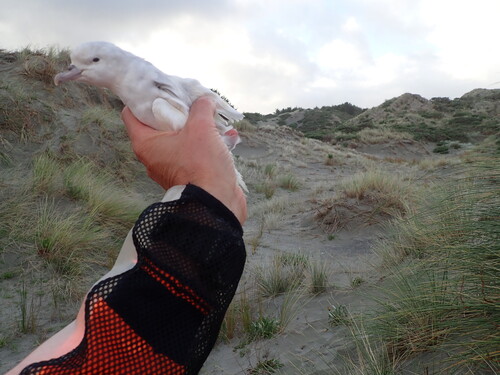 Fairy Prion
In breve
Il segno distintivo più affidabile tra il Petrello di Pycroft e il Prione Fatato è il becco e il motivo del viso: il Petrello di Pycroft ha una macchia scura attorno all'occhio e un becco da petrello più tipico, mentre il Prione Fatato mostra un becco blu pallido e manca di una forte macchia oculare. In volo, entrambi mostrano un motivo scuro a 'M' sulle ali superiori, ma le tonalità blu-grigie del Prione Fatato e la coda a forma di cuneo con una punta scura sono distintive. La dimensione è simile, ma il Petrello di Pycroft è leggermente più pesante. Il contesto può aiutare: il Petrello di Pycroft nidifica solo su alcune isole della Nuova Zelanda, mentre il Prione Fatato è diffuso nell'emisfero australe.
Consigli di identificazione
- Colore e forma del becco: il Prione Fatato ha un becco blu pallido, mentre il Petrello di Pycroft ha un becco più scuro e tipico da petrello. Questo è più utile a distanza ravvicinata o in buona luce.
- Motivo facciale: il Petrello di Pycroft mostra una macchia scura attorno all'occhio, creando un aspetto mascherato. Il Prione Fatato manca di questo, apparendo più aperto.
- Banda sul petto: il Petrello di Pycroft può mostrare una leggera banda grigia sul petto, assente nel Prione Fatato. Questo è sottile e potrebbe essere perso a distanza.
- Motivo delle ali superiori: entrambi hanno una 'M' scura sulla schiena e sulle ali, ma quella del Prione Fatato è impostata su uno sfondo blu-grigio, mentre quella del Petrello di Pycroft è di un grigio più neutro.
- Forma e motivo della coda: il Prione Fatato ha una coda a forma di cuneo con una punta scura, che può essere visibile in volo o quando è appollaiato. La coda del Petrello di Pycroft è meno distintamente marcata e non è così a forma di cuneo.
- Parte inferiore: entrambi sono bianchi sotto, ma il Petrello di Pycroft può mostrare una leggera banda sul petto; altrimenti, le parti inferiori non sono fortemente diagnostiche.
- Colore delle gambe: il Prione Fatato ha gambe e piedi blu, ma questo è raramente visibile sul campo.
- Dimensione e aspetto: il Petrello di Pycroft è leggermente più pesante e può apparire un po' più robusto, ma questo non è un segno distintivo forte a meno che non siano visti fianco a fianco.
- Stile di volo: non sono descritte forti differenze, ma entrambi sono agili e leggeri in volo.
- Habitat e distribuzione: se visti lontano dalla Nuova Zelanda settentrionale, è molto più probabile che si tratti di un Prione Fatato. Il Petrello di Pycroft è altamente localizzato su alcune isole.
- Contesto di nidificazione: nelle colonie, il Petrello di Pycroft emette un richiamo ti-ti-ti-ti, mentre il Prione Fatato coo softly. Questi non sono solitamente uditi in mare.
- Rischio di confusione: entrambi possono essere confusi con altri piccoli petrelli e prioni; controlla sempre prima il colore del becco e il motivo del viso.
- Sesso e età: non ci sono forti dimorfismi sessuali; i segni legati all'età non sono descritti come diagnostici nelle fonti.
- Trappole di illuminazione: in scarsa luce, il blu-grigio del Prione Fatato può essere difficile da valutare, quindi fai affidamento sul becco e sul motivo del viso.
- Trappola: il motivo a 'M' è presente in entrambi, quindi non usarlo da solo per l'identificazione.
Taglia
Entrambe le specie sono piccoli uccelli marini, ma il Petrello di Pycroft è leggermente più pesante (159 g vs. 139 g [wikidata]). La lunghezza è quasi identica (Petrello di Pycroft: 26 cm, Prione Fatato: 25 cm [wikipedia]). L'apertura alare è fornita solo per il Prione Fatato (56 cm), ma nel complesso, la dimensione non è un forte separatore sul campo. Se visti insieme, il Petrello di Pycroft può apparire un po' più robusto, ma questo è sottile e facilmente trascurato.
Piumaggio
Entrambe le specie condividono una parte superiore grigia con un motivo scuro a 'M' sulla schiena e sulle ali, e parti inferiori bianche. A una visione ravvicinata, il Petrello di Pycroft mostra una leggera banda grigia sul petto e una macchia scura attorno all'occhio, che non è presente nel Prione Fatato. Il Prione Fatato ha una tonalità blu-grigia nella parte superiore, un becco blu pallido e una coda a forma di cuneo con una punta scura, mentre la coda del Petrello di Pycroft è meno distintamente marcata. I piumaggi giovanili e immaturi non sono descritti in dettaglio per nessuna delle due specie nelle fonti, quindi fai affidamento sui segni distintivi degli adulti. In tutti i piumaggi, il colore del becco e il motivo della coda del Prione Fatato sono utili, mentre il motivo del viso del Petrello di Pycroft è più pronunciato.
Comportamento
Entrambe le specie sono pelagiche e spesso viste in volo sopra l'oceano. Il Prione Fatato è noto per coo softly quando torna ai nidi di notte, mentre il Petrello di Pycroft emette un richiamo ti-ti-ti-ti nelle colonie di nidificazione. Il comportamento di foraggiamento è simile, con entrambe le specie che si nutrono di piccoli prede marine in superficie o vicino ad essa. Non sono descritte differenze comportamentali significative che sarebbero diagnostiche in mare.
Habitat
Il Petrello di Pycroft nidifica solo su un pugno di piccole isole al largo della Nuova Zelanda settentrionale, rendendolo altamente localizzato. Il Prione Fatato è molto più diffuso, nidificando su molte isole subantartiche e temperate nell'emisfero australe, comprese Nuova Zelanda, Australia e Sud Atlantico. Lontano dai siti di nidificazione, entrambi si trovano in mare, ma il Prione Fatato è molto più probabile al di fuori della regione immediata della Nuova Zelanda.
Voce
Il Petrello di Pycroft emette un richiamo ti-ti-ti-ti nelle colonie di nidificazione, ma questo è raramente udito in mare. Il Prione Fatato torna al nido con un richiamo morbido, ma è generalmente silenzioso anche in mare. Le vocalizzazioni non sono affidabili per la separazione a meno che non siano nelle colonie.