

Motmot

ムラサキハマシギ 対 ヨーロッパトウネン

Calidris maritima 対 Calidris minuta

ムラサキハマシギとヨーロッパトウネンのクイズ
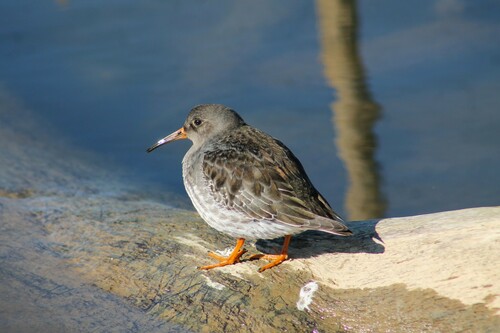
ムラサキハマシギ (Calidris maritima) ムラサキハマシギ
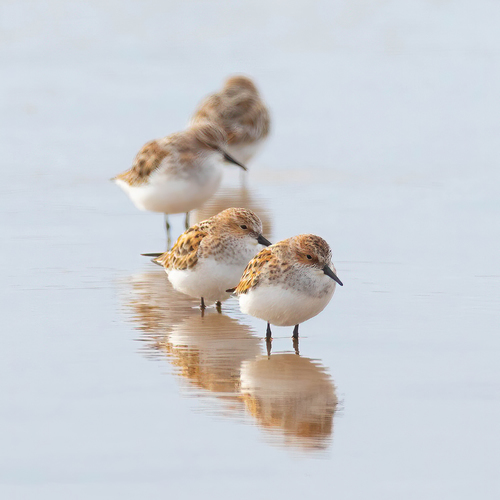
ヨーロッパトウネン (Calidris minuta) ヨーロッパトウネン

メディア

読み込み中…

要点

ムラサキハマシギとヨーロッパトウネンを区別する最も信頼できる方法は、サイズと構造によるものです:ムラサキハマシギはずっとがっしりしていて、体が重く、太くてわずかに下向きのくちばしを持っていますが、ヨーロッパトウネンは小さく、繊細で、細いくちばしをしています。飛んでいるときや休んでいるとき、ヨーロッパトウネンは長い一次羽の突出部と暗い脚を示しますが、ムラサキハマシギは短い黄色い脚とよりずんぐりした外見を持っています。幼鳥のヨーロッパトウネンは淡い冠の縞模様とピンクがかった胸を示しますが、ムラサキハマシギは常に上面が暗く、より均一です。生息地も強い手がかりです:ムラサキハマシギは岩の多い海岸を好み、ヨーロッパトウネンは泥や砂の平地に見られます。

識別のコツ

  1. Size and bulk: ムラサキハマシギはヨーロッパトウネンよりもずっと大きくて重いです;近くの水鳥をスケールとして使ってください。
  2. Bill structure: ムラサキハマシギは太く、中程度の長さでわずかに下向きのくちばしを持ち、黄色の基部があります;ヨーロッパトウネンのくちばしは細く、真っ直ぐで、全体が暗いです。
  3. Leg color: ムラサキハマシギは常に短い黄色い脚を持っていますが、ヨーロッパトウネンは長くて暗い脚を持っています。これは遠くからでも見えます。
  4. Primary projection: ヨーロッパトウネンは尾を越えて長い一次羽の突出部を示し、特に止まっているときや飛んでいるときに明らかです;ムラサキハマシギの翼は短くて広いです。
  5. Juvenile plumage: 幼鳥のヨーロッパトウネンは淡い冠の縞模様とピンクがかった胸を持ち、背中には強い白い「V」があります。ムラサキハマシギの幼鳥は暗く、これらの淡い模様がありません。
  6. Breast and underparts: ムラサキハマシギは灰色の胸と主に白い腹部を持っていますが、上面は常に暗く均一です。繁殖羽のヨーロッパトウネンは胸にオレンジ色の洗いがかり、白い喉を持っています;冬にはより地味になりますが、ムラサキハマシギよりもまだ明るいです。
  7. Upperpart gloss: ムラサキハマシギは良い光の中でわずかに紫がかった光沢を示すことがあります;ヨーロッパトウネンは決して光沢がありません。
  8. Rump and tail: ムラサキハマシギは黒い尾羽を持ち、飛んでいるときに見えることがあります;ヨーロッパトウネンの尾羽は対照的とは記述されていません。
  9. Behavior: ムラサキハマシギは遅く、飼いならされていて、岩の間で餌を探します;ヨーロッパトウネンは素早く、活発で、開けた泥や砂の上で餌を食べます。
  10. Habitat: ムラサキハマシギは冬にほぼ常に岩の多い海岸にいます;ヨーロッパトウネンは泥の干潟、砂の岸、または内陸の池にいます。
  11. Flock composition: ヨーロッパトウネンは他の小型水鳥とともに大きな群れで見られることが多いですが、ムラサキハマシギは通常小さな群れで、時にはウミツバメと一緒にいます。
  12. Voice: 鋭い「スティット」という呼び声を聞いたら、それはヨーロッパトウネンです。ムラサキハマシギの呼び声はこの文脈では有用なフィールドマークではありません。
  13. Pitfalls: 冬の鈍い光の中では、ヨーロッパトウネンは灰色に見え、特徴が少なくなることがありますが、それでもムラサキハマシギと比べてずっと小さく、細いくちばしを持ち、暗い脚をしています。幼鳥のヨーロッパトウネンは特に淡い冠とピンクがかった色合いで際立っています。
  14. Context: 冬の岩の多い大西洋の海岸で小さな水鳥を見つけた場合、それはほぼ確実にムラサキハマシギです;泥の河口では、ヨーロッパトウネンの方がはるかに可能性が高いです。
  15. Direct comparison: 両種が存在する場合、サイズ、構造、脚の色の違いはすぐに明らかです。

大きさ

ムラサキハマシギはヨーロッパトウネンよりもかなり大きくて重い(約72g対26g)で、長さは20〜22cmです。直接比較したり、他の水鳥と一緒に見たりすると、その違いは明らかです:ムラサキハマシギはずんぐりしていて頑丈に見え、ヨーロッパトウネンは小さく、スリムで繊細です。ムラサキハマシギのくちばしは太く、わずかに下向きで、黄色の基部があります;ヨーロッパトウネンは細く、真っ直ぐで、全体が暗いくちばしを持っています。脚の色もサイズに関連した強い手がかりです:ムラサキハマシギは短い黄色い脚を持ち、ヨーロッパトウネンは暗くて細い脚を持っています。

羽色

幼鳥のヨーロッパトウネンは淡い冠の縞模様とピンクがかった胸で特徴的で、新鮮な幼鳥の羽毛では背中に強い白い「V」を示します。繁殖羽の成鳥は胸にオレンジ色の洗いがかかり、白い喉を持っています。非繁殖(冬)羽毛では、ヨーロッパトウネンはより地味で灰色になり、区別が難しくなりますが、細いくちばしと暗い脚はまだ保持しています。ムラサキハマシギは常に上面が暗く、わずかに紫がかった光沢があり、灰色の胸と黒い尾羽を持っています。腹部は主に白いですが、全体的な印象はヨーロッパトウネンよりもずっと暗く、均一です。ムラサキハマシギのくちばしの黄色の基部と黄色い脚は、すべての年齢と季節で一貫しています。飛んでいるとき、ヨーロッパトウネンは尾を越えて長い一次羽の突出部を示しますが、ムラサキハマシギの翼は短くて広く見えます。

行動

ムラサキハマシギは通常、飼いならされていて遅い動きで、波に洗われた海岸の岩や海藻の間で餌を探します。群れを作りますが、通常は小さな群れで、時にはウミツバメと一緒にいます。ヨーロッパトウネンはずっと活発で素早く、開けた泥や砂の上で急速に餌を食べ、大きな群れで他の小型水鳥と一緒にいることが多いです。その動きはより慌ただしく、ムラサキハマシギよりも近づきにくいです。

生息環境

生息地は強い区別要因です:ムラサキハマシギは冬にほぼ独占的に岩の多い、波に打たれた大西洋の海岸に生息し、泥や砂にほとんど足を踏み入れません。ヨーロッパトウネンは泥や砂の沿岸の平地、河口、内陸の池の端に見られ、岩の多い海岸にはほとんど行きません。冬に岩の多い海岸で小さな水鳥を見た場合、ムラサキハマシギである可能性がはるかに高いです;泥の干潟では、特に大きな群れで、ヨーロッパトウネンがデフォルトです。

声

ヨーロッパトウネンは鋭い「スティット」という呼び声を出し、これは小型水鳥の中で特徴的です。ムラサキハマシギの呼び声はメモに記載されていないため、声はヨーロッパトウネンの鋭い音を聞いた場合のみ診断的です。

より良い説明を送る

比較と同じ項目を使ってください。文章はすぐに公開されます。

The most reliable way to separate Purple Sandpiper from Little Stint is by size and structure: Purple Sandpiper is much bulkier, with a heavier body and thicker, slightly downcurved bill, while Little Stint is tiny, delicate, and fine-billed. In flight or at rest, Little Stint shows a long primary projection and dark legs, whereas Purple Sandpiper has short yellow legs and a stubbier look. Juvenile Little Stints show pale crown stripes and a pinkish breast, while Purple Sandpipers are always darker and more uniform above. Habitat is also a strong clue: Purple Sandpiper prefers rocky coasts, while Little Stint is found on muddy or sandy flats.

  1. Size and bulk: Purple Sandpiper is much larger and heavier than Little Stint; use nearby waders for scale.
  2. Bill structure: Purple Sandpiper has a thicker, medium-length, slightly downcurved bill with a yellow base; Little Stint's bill is fine, straight, and all dark.
  3. Leg color: Purple Sandpiper always has short yellow legs, while Little Stint has long, dark legs. This is visible even at a distance.
  4. Primary projection: Little Stint shows a long primary projection beyond the tail, especially obvious when perched or in flight; Purple Sandpiper's wings are shorter and broader.
  5. Juvenile plumage: Juvenile Little Stint has pale crown stripes and a pinkish breast, plus a strong white 'V' on the back. Purple Sandpiper juveniles are darker and lack these pale markings.
  6. Breast and underparts: Purple Sandpiper has a grey-smeared breast and mainly white underparts, but the upperparts are always dark and uniform. Little Stint in breeding plumage has an orange wash to the breast and white throat; in winter, it is plainer but still paler than Purple Sandpiper.
  7. Upperpart gloss: Purple Sandpiper may show a slight purplish gloss above, especially in good light; Little Stint is never glossy.
  8. Rump and tail: Purple Sandpiper has a black rump, which may be visible in flight; Little Stint's rump is not described as contrasting.
  9. Behavior: Purple Sandpiper is slow, tame, and forages among rocks; Little Stint is quick, active, and feeds on open mud or sand.
  10. Habitat: Purple Sandpiper is almost always on rocky coasts in winter; Little Stint is on mudflats, sandy shores, or inland pools.
  11. Flock composition: Little Stint often occurs in large flocks with other small waders; Purple Sandpiper is usually in small groups, sometimes with turnstones.
  12. Voice: If you hear a sharp 'stit' call, it's Little Stint. Purple Sandpiper's call is not a useful field mark in this context.
  13. Pitfalls: In dull winter light, Little Stint can appear greyer and less distinctive, but will still be much smaller, finer-billed, and dark-legged compared to Purple Sandpiper. Juvenile Little Stints are especially distinctive with their pale crown and pinkish tones.
  14. Context: If you find a small wader on a rocky Atlantic shore in winter, it is almost certainly Purple Sandpiper; on a muddy estuary, Little Stint is much more likely.
  15. Direct comparison: If both species are present, the size, structure, and leg color differences are immediately obvious.

Purple Sandpiper is significantly larger and heavier (about 72 g vs. 26 g for Little Stint) and measures 20–22 cm in length, compared to the much smaller Little Stint. The difference is obvious in direct comparison or when seen with other waders: Purple Sandpiper appears chunky and robust, while Little Stint is tiny, slim, and delicate. The bill of Purple Sandpiper is thicker and slightly downcurved, with a yellow base; Little Stint has a fine, straight, all-dark bill. Leg color is also a strong size-related cue: Purple Sandpiper has short yellow legs, Little Stint has dark, fine legs.

Juvenile Little Stints are distinctive with pale crown stripes and a pinkish breast, and in fresh juvenile plumage show a strong white 'V' on the back. Adults in breeding plumage have an orange wash to the breast and a white throat. In non-breeding (winter) plumage, Little Stints become plainer and greyer, making separation trickier, but they still retain a fine bill and dark legs. Purple Sandpiper is always darker above, with a slight purplish gloss, and has a grey-smeared breast and black rump. Its underparts are mainly white, but the overall impression is much darker and more uniform than Little Stint. The yellow base to the bill and yellow legs are consistent in all ages and seasons for Purple Sandpiper. In flight, Little Stint shows a long primary projection beyond the tail, while Purple Sandpiper's wings appear shorter and broader.

Purple Sandpiper is typically tame and slow-moving, often foraging among rocks and seaweed on wave-washed shorelines. It is gregarious but usually in small flocks, sometimes with turnstones. Little Stint is much more active and quick, feeding rapidly on open mud or sand, often in large flocks with other small waders. Its movements are more frenetic and it is less approachable than Purple Sandpiper.

Habitat is a strong separator: Purple Sandpiper winters almost exclusively on rocky, often wave-battered Atlantic coasts, rarely venturing onto mud or sand. Little Stint is found on muddy or sandy coastal flats, estuaries, and the edges of inland pools, rarely if ever on rocky shores. If you see a small wader on a rocky coast in winter, it is far more likely to be Purple Sandpiper; on mudflats, especially in large flocks, Little Stint is the default.

Little Stint gives a sharp 'stit' call, which is distinctive among small waders. Purple Sandpiper's call is not described in the notes, so voice is only diagnostic if you hear the Little Stint's sharp note.

変更を破棄しますか?

保存していない編集があります。今離れると失われます。

ムラサキハマシギ · ヨーロッパトウネン · 苦手な鳥