

Motmot

ムナフジチメドリ 対 タンビムジチメドリ

Pellorneum ruficeps 対 Pellorneum malaccense

ムナフジチメドリとタンビムジチメドリのクイズ
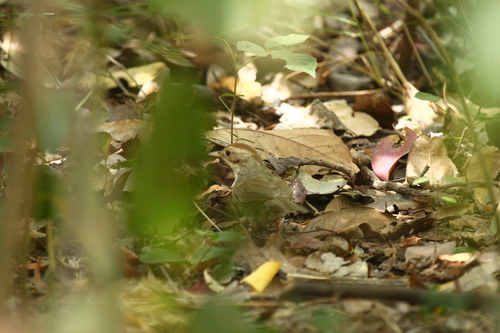
ムナフジチメドリ (Pellorneum ruficeps) ムナフジチメドリ
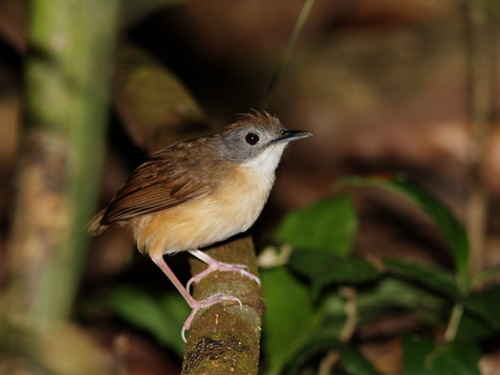
タンビムジチメドリ (Pellorneum malaccense) タンビムジチメドリ

メディア

読み込み中…

要点

ムナフジチメドリとタンビムジチメドリを区別する最も信頼できるフィールドマークは、ムナフジの強く対照的な顔の模様です。大胆なバフ色の眉斑、栗色の冠、白く、しばしば「膨らんだ」喉が特徴で、タンビムジのより均一で対照の少ない頭部と比較されます。ムナフジは大きく、腹部に縞模様があり、タンビムジは小さく、よりコンパクトで、重い縞模様がありません。両種は下草の中に隠れますが、ムナフジは小さな群れで、丘陵地や竹が豊富な生息地で見られる可能性が高いのに対し、タンビムジは孤独またはペアで、低地の森林に限定されています。明らかに縞模様のある胸部と強い眉斑を持つチメドリを見たら、それはほぼ確実にムナフジです。

識別のコツ

  1. Facial pattern is key: ムナフジチメドリは大胆なバフ色の眉斑、栗色の冠、暗い頬、白い喉(しばしば膨らんでいる)を持ち、顔が際立った模様になります。タンビムジチメドリはより均一で対照の少ない顔を持ち、膨らんだ白い喉がありません。
  2. Underpart streaking: ムナフジは白い胸部と腹部に重い茶色の縞模様を示します。タンビムジは下部が平坦で、強い縞模様がありません。
  3. Size and structure: ムナフジは大きく、より重厚で、脚が長く、尾も長いです。タンビムジは小さく、よりコンパクトで、明らかに尾が短いです。
  4. Group vs solitary: ムナフジはしばしば小さな活発な群れで見られます。タンビムジは通常、孤独またはペアで見られます。
  5. Habitat context: ムナフジは丘陵地や竹が豊富な森林に見られ、しばしば高地に生息します。タンビムジはマレー半島と近隣の島々の低地熱帯森林に限定されています。
  6. Vocalization: 持続的で上昇する笛のような鳴き声はムナフジを示します。タンビムジはあまり鳴かず、そのような鳴き声は知られていません。
  7. Behavior: 両種は地面で餌を探しますが、ムナフジは群れの活動や鳴き声のためにより目立つかもしれません。タンビムジはより秘密主義で孤独です。
  8. Subspecies variation: 一部のムナフジの亜種は、特に東部の個体群で背中やうなじに縞模様があります。タンビムジはこの変異を示しません。
  9. No flight/wing pattern cues: どちらの種も特徴的な上翼や飛行のマークは記載されていないため、体と頭の模様に頼ります。
  10. Juvenile/immature birds: 詳細な説明はありませんが、ムナフジの強い顔の対比と縞模様はすべての年齢で見られるべきです。タンビムジは平坦なままです。
  11. Tail length: 尾が短く、鳥がコンパクトに見える場合はタンビムジを疑ってください。特に低地の森林では、丘陵にいる長い尾の重厚な鳥はムナフジの可能性が高いです。
  12. Legs: ムナフジは強く、長い脚を持ち、葉の下を走ったり這ったりする際にしばしば見えます。
  13. Foraging style: 両種は葉の下をひっくり返しますが、ムナフジは動きがややツグミのように見えるかもしれません。タンビムジは時々足を使って獲物をつかむことがありますが、これはスズメ目の鳥には珍しい行動です。
  14. Range: マレー半島や近隣の島々の外にいる場合、タンビムジは非常に可能性が低いです。ヒマラヤやインド半島ではムナフジです。
  15. When in doubt: これら二つを区別するために、顔の模様、下部の縞模様、そして生息地/標高の組み合わせに焦点を当ててください。

大きさ

ムナフジチメドリは明らかに重く(26g対21g)、一般的にタンビムジチメドリよりも重厚で脚が長く見えます。タンビムジはよりコンパクトで、名前に忠実で、尾が短いです。この違いはフィールドでは微妙ですが、両種が並んで見られるか、経験があれば明らかになります。両方とも小さな地上性のチメドリですが、ムナフジはやや大きく、より細長い印象を与えます。

羽色

どちらの種にも特徴的な年齢特有の上翼や飛行のマークは記載されていないため、体と頭の模様に焦点を当ててください。成鳥のムナフジチメドリは茶色の上半身、白い下半身に重い茶色の縞模様があり、栗色の冠、長いバフ色の眉斑、暗い頬、時々膨らんだ白い喉を持っています。一部の亜種は、特に東部で、肩や背中に縞模様がありますが、他の亜種は上部がより平坦です。対照的にタンビムジチメドリは大胆な頭の模様と重い下部の縞模様が欠けており、上部と下部がより均一に茶色がかり、対照の少ない顔と膨らんだ白い喉がありません。幼鳥/未成熟の羽毛はどちらの種でも詳細に記載されていませんが、ムナフジの強い顔の対比と縞模様はすべての年齢で見られると期待され、タンビムジは平坦なままです。

行動

ムナフジチメドリはしばしば小さな群れで餌を探しているのが見られ、葉の下を積極的にひっくり返したり、下草を這ったりし、時には齧歯類のように走ることもあります。彼らは地面で多くの時間を過ごし、非常に鳴きます。タンビムジチメドリはより孤独で、ペアで見られることが多く、混合群れに加わることは稀で、地面で昆虫を探し、時には足を使って獲物をつかむこともあります。両種は秘密主義で、密なカバーを好みますが、ムナフジは群れでの餌探しや鳴き声の活動により、より目立つかもしれません。

生息環境

ムナフジチメドリは、特に丘陵地帯や竹の茂みなど、アジア全域でヒマラヤやインド半島を含むさまざまな低木や湿った森林生息地に見られます。タンビムジチメドリはマレー半島と周辺の島々の熱帯湿潤低地森林に限定されています。したがって、標高と森林の種類は強い手がかりです。ムナフジは丘陵や竹を好み、タンビムジは低地森林の専門家です。

声

ムナフジチメドリは特に鳴き声が目立ち、上昇する笛のような音の連続を持ち、時には「彼があなたを打ち負かす」や「とても甘い」と表現され、鳴き声は持続的です。タンビムジチメドリについては詳細な鳴き声の説明はありませんが、持続的な鳴き声は知られていません。笛のような上昇する音の連続を聞いた場合、ムナフジの可能性が高いです。

より良い説明を送る

比較と同じ項目を使ってください。文章はすぐに公開されます。

The most reliable field mark to separate Puff-throated Babbler from Short-tailed Babbler is the strong, contrasting facial pattern of Puff-throated: a bold buff supercilium, chestnut crown, and white, often 'puffed' throat, compared to the more uniform and less contrasting head of Short-tailed. Puff-throated is larger and streaked below, while Short-tailed is smaller, more compact, and lacks the heavy streaking. Both species skulk in the undergrowth, but Puff-throated is more likely to be seen in small groups and in hilly or bamboo-rich habitats, whereas Short-tailed is solitary or in pairs and restricted to lowland forests. If you see a babbler with a clearly streaked breast and a strong supercilium, it's almost certainly Puff-throated.

  1. Facial pattern is key: Puff-throated Babbler has a bold buff supercilium, chestnut crown, dusky cheeks, and a white throat (often puffed out), making the face strikingly patterned. Short-tailed Babbler has a more uniform, less contrasting face and lacks the puffed white throat.
  2. Underpart streaking: Puff-throated shows heavy brown streaks on the white breast and belly; Short-tailed is plain below, with no strong streaking.
  3. Size and structure: Puff-throated is larger and bulkier, with longer legs and a longer tail; Short-tailed is smaller, more compact, and has a noticeably shorter tail.
  4. Group vs solitary: Puff-throated is often seen in small, active groups; Short-tailed is usually alone or in pairs.
  5. Habitat context: Puff-throated is found in hilly or bamboo-rich forests, often at higher elevations; Short-tailed is restricted to lowland tropical forests in the Malay Peninsula and nearby islands.
  6. Vocalization: Persistent, ascending whistled calls point to Puff-throated; Short-tailed is less vocal and not known for such calls.
  7. Behavior: Both species forage on the ground, but Puff-throated may be more conspicuous due to group activity and vocalizing. Short-tailed is more secretive and solitary.
  8. Subspecies variation: Some Puff-throated subspecies are streaked on the back and nape, especially in eastern populations; Short-tailed does not show this variation.
  9. No flight/wing pattern cues: Neither species has distinctive upperwing or flight marks described, so rely on body and head pattern.
  10. Juvenile/immature birds: No detailed descriptions, but the strong facial contrast and streaking of Puff-throated should be visible in all ages; Short-tailed remains plain.
  11. Tail length: If the tail appears short and the bird is compact, suspect Short-tailed, especially in lowland forest; a longer-tailed, bulkier bird in hills is more likely Puff-throated.
  12. Legs: Puff-throated has strong, long legs, often visible as it runs or creeps through leaf litter.
  13. Foraging style: Both turn over leaf litter, but Puff-throated may appear more thrush-like in movement; Short-tailed sometimes uses its foot to grasp prey, an unusual behavior for passerines.
  14. Range: If you are outside the Malay Peninsula and nearby islands, Short-tailed is highly unlikely; in the Himalayas or peninsular India, it's Puff-throated.
  15. When in doubt: Focus on the combination of facial pattern, underpart streaking, and habitat/elevation to separate these two.

Puff-throated Babbler is noticeably heavier (26g vs 21g) and generally appears bulkier and longer-legged than Short-tailed Babbler, which is more compact and true to its name, with a shorter tail. This difference is subtle in the field but can be apparent if both species are seen side by side or with experience. Both are small, ground-dwelling babblers, but Puff-throated gives a slightly larger, more elongated impression.

No distinctive age-specific upperwing or flight marks are described for either species, so focus on body and head pattern. Adult Puff-throated Babblers show a brown upperbody, white underparts with heavy brown streaking on the breast and belly, a chestnut crown, long buff supercilium, dusky cheeks, and a white throat that is sometimes puffed out. Some subspecies have streaking on the mantle and back, especially in the east, while others are plainer above. Short-tailed Babbler, in contrast, lacks the bold head pattern and heavy underpart streaking; it is more uniformly brownish above and below, with a less contrasting face and no puffed white throat. Juvenile/immature plumages are not described in detail for either species, but the strong facial contrast and streaked underparts of Puff-throated are expected to be present in all ages, while Short-tailed remains plainer.

Puff-throated Babblers are often seen foraging in small groups, actively turning over leaf litter and creeping through the undergrowth, sometimes running in a rodent-like manner. They spend a lot of time on the ground and are quite vocal. Short-tailed Babblers are more solitary or found in pairs, rarely joining mixed flocks, and also forage on the ground for insects, sometimes using their foot to grasp prey. Both species are secretive and prefer dense cover, but Puff-throated may be more conspicuous due to group foraging and vocal activity.

Puff-throated Babbler is found in a variety of scrub and moist forest habitats, especially in hilly regions and bamboo thickets across a wide range in Asia, including the Himalayas and peninsular India. Short-tailed Babbler is restricted to tropical moist lowland forests of the Malay Peninsula and surrounding islands. Thus, elevation and forest type are strong clues: Puff-throated prefers hills and bamboo, Short-tailed is a lowland forest specialist.

Puff-throated Babbler is notably vocal, with a series of ascending whistling notes, sometimes described as 'he'll beat you' or 'pret-ty-sweet,' and calls can be persistent. No detailed vocal description is given for Short-tailed Babbler, but it is not noted for persistent vocalizing. If you hear a series of whistled, ascending notes, Puff-throated is much more likely.

変更を破棄しますか?

保存していない編集があります。今離れると失われます。

ムナフジチメドリ · タンビムジチメドリ · 苦手な鳥