

Puff-throated Babbler vs Short-tailed Babbler
Pellorneum ruficeps contro Pellorneum malaccense
Fai un quiz con Puff-throated Babbler e Short-tailed Babbler
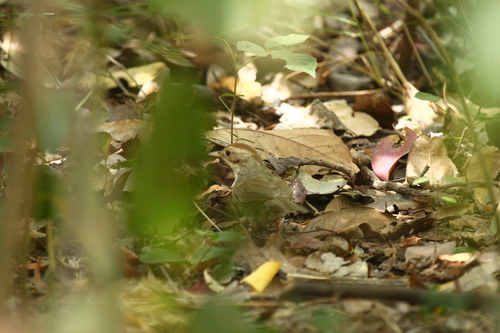 Puff-throated Babbler
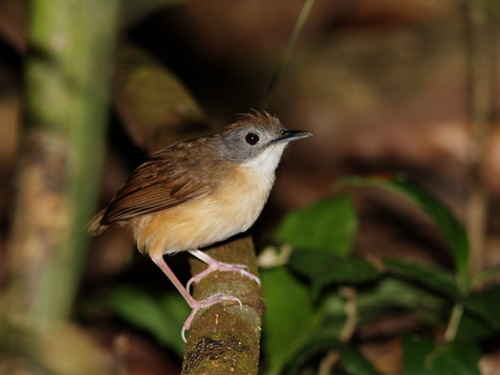 Short-tailed Babbler
In breve
Il segno di campo più affidabile per separare il Puff-throated Babbler dallo Short-tailed Babbler è il forte e contrastante schema facciale del Puff-throated: un audace supercilium color buff, una corona castagna e una gola bianca, spesso 'gonfiata', rispetto alla testa più uniforme e meno contrastante dello Short-tailed. Il Puff-throated è più grande e striato sotto, mentre lo Short-tailed è più piccolo, più compatto e privo di pesanti striature. Entrambe le specie si nascondono nel sottobosco, ma il Puff-throated è più probabile da vedere in piccoli gruppi e in habitat collinari o ricchi di bambù, mentre lo Short-tailed è solitario o in coppie e limitato alle foreste di pianura. Se vedi un babbler con un petto chiaramente striato e un forte supercilium, è quasi certamente un Puff-throated.
Consigli di identificazione
- Il pattern facciale è fondamentale: Il Puff-throated Babbler ha un audace supercilium color buff, una corona castagna, guance scure e una gola bianca (spesso gonfiata), rendendo il viso straordinariamente decorato. Lo Short-tailed Babbler ha un viso più uniforme, meno contrastante e privo della gola bianca gonfiata.
- Striature sotto: Il Puff-throated mostra pesanti striature marroni sul petto e sull'addome bianchi; lo Short-tailed è semplice sotto, senza forti striature.
- Dimensioni e struttura: Il Puff-throated è più grande e massiccio, con zampe più lunghe e una coda più lunga; lo Short-tailed è più piccolo, più compatto e ha una coda visibilmente più corta.
- Gruppo vs solitario: Il Puff-throated è spesso visto in piccoli gruppi attivi; lo Short-tailed è di solito solo o in coppie.
- Contesto habitat: Il Puff-throated si trova in foreste collinari o ricche di bambù, spesso a quote più elevate; lo Short-tailed è limitato alle foreste tropicali di pianura nella Penisola Malese e nelle isole vicine.
- Vocalizzazione: Chiamate fischiate persistenti e ascendenti indicano il Puff-throated; lo Short-tailed è meno vocale e non è noto per tali chiamate.
- Comportamento: Entrambe le specie si nutrono a terra, ma il Puff-throated può essere più appariscente a causa dell'attività di gruppo e della vocalizzazione. Lo Short-tailed è più riservato e solitario.
- Variazione delle sottospecie: Alcune sottospecie di Puff-throated sono striate sulla schiena e sulla nuca, specialmente nelle popolazioni orientali; lo Short-tailed non mostra questa variazione.
- Nessun segnale di volo/pattern delle ali: Nessuna delle due specie ha segni distintivi sulle ali superiori o sul volo descritti, quindi fai affidamento sul pattern del corpo e della testa.
- Uccelli giovani/imaturi: Nessuna descrizione dettagliata, ma il forte contrasto facciale e le striature del Puff-throated dovrebbero essere visibili in tutte le età; lo Short-tailed rimane semplice.
- Lunghezza della coda: Se la coda appare corta e l'uccello è compatto, sospetta lo Short-tailed, specialmente nella foresta di pianura; un uccello con coda più lunga e massiccia nelle colline è più probabile sia un Puff-throated.
- Zampe: Il Puff-throated ha zampe forti e lunghe, spesso visibili mentre corre o si muove attraverso il fogliame.
- Stile di foraggiamento: Entrambi girano il fogliame, ma il Puff-throated può apparire più simile a un tordo nel movimento; lo Short-tailed a volte usa il piede per afferrare la preda, un comportamento insolito per i passeriformi.
- Distribuzione: Se ti trovi al di fuori della Penisola Malese e delle isole vicine, è altamente improbabile vedere lo Short-tailed; negli Himalaya o nell'India peninsulare, è Puff-throated.
- Quando hai dubbi: Concentrati sulla combinazione di pattern facciale, striature sotto e habitat/altitudine per separare questi due.
Taglia
Il Puff-throated Babbler è visibilmente più pesante (26g vs 21g) e generalmente appare più massiccio e con zampe più lunghe rispetto allo Short-tailed Babbler, che è più compatto e fedele al suo nome, con una coda più corta. Questa differenza è sottile sul campo ma può essere evidente se entrambe le specie vengono viste fianco a fianco o con esperienza. Entrambi sono babblers piccoli e terrestri, ma il Puff-throated dà un'impressione leggermente più grande e allungata.
Piumaggio
Nessun segno distintivo specifico per l'età sulle ali superiori o segni di volo sono descritti per entrambe le specie, quindi concentrati sul pattern del corpo e della testa. I Puff-throated Babbler adulti mostrano un corpo superiore marrone, parti inferiori bianche con pesanti striature marroni sul petto e sull'addome, una corona castagna, un lungo supercilium color buff, guance scure e una gola bianca che a volte è gonfiata. Alcune sottospecie hanno striature sul mantello e sulla schiena, specialmente a est, mentre altre sono più semplici sopra. Lo Short-tailed Babbler, al contrario, manca del forte pattern della testa e delle pesanti striature delle parti inferiori; è più uniformemente marrone sopra e sotto, con un viso meno contrastante e senza gola bianca gonfiata. Le piumature giovanili/imature non sono descritte in dettaglio per nessuna delle due specie, ma il forte contrasto facciale e le striature delle parti inferiori del Puff-throated dovrebbero essere presenti in tutte le età, mentre lo Short-tailed rimane più semplice.
Comportamento
I Puff-throated Babbler sono spesso visti foraggiare in piccoli gruppi, girando attivamente il fogliame e muovendosi attraverso il sottobosco, a volte correndo in modo simile a un roditore. Trascorrono molto tempo a terra e sono piuttosto vocali. Gli Short-tailed Babbler sono più solitari o si trovano in coppie, raramente si uniscono a stormi misti, e foraggiano anche a terra per insetti, a volte usando il piede per afferrare la preda. Entrambe le specie sono riservate e preferiscono una copertura densa, ma il Puff-throated può essere più appariscente a causa del foraggiamento di gruppo e dell'attività vocale.
Habitat
Il Puff-throated Babbler si trova in una varietà di habitat di cespugli e foreste umide, specialmente in regioni collinari e boscaglie di bambù in un ampio raggio in Asia, compresi gli Himalaya e l'India peninsulare. Lo Short-tailed Babbler è limitato alle foreste tropicali umide di pianura della Penisola Malese e delle isole circostanti. Pertanto, l'altitudine e il tipo di foresta sono forti indizi: il Puff-throated preferisce colline e bambù, lo Short-tailed è uno specialista delle foreste di pianura.
Voce
Il Puff-throated Babbler è notevolmente vocale, con una serie di note fischiate ascendenti, a volte descritte come 'ti batterà' o 'carino-carino', e le chiamate possono essere persistenti. Nessuna descrizione vocale dettagliata è fornita per lo Short-tailed Babbler, ma non è noto per vocalizzazioni persistenti. Se senti una serie di note fischiate e ascendenti, è molto più probabile che sia un Puff-throated.
Puff-throated Babbler · Short-tailed Babbler · I miei uccelli difficili