

Motmot

トウゾクカモメ 対 オオトウゾクカモメ

Stercorarius pomarinus 対 Stercorarius maccormicki

トウゾクカモメとオオトウゾクカモメのクイズ
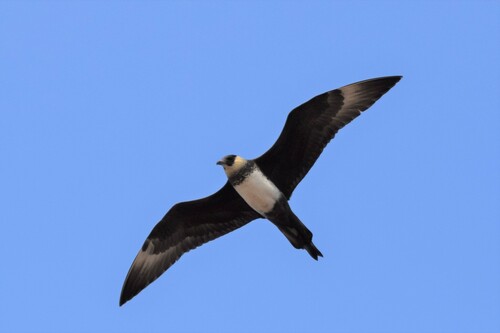
トウゾクカモメ (Stercorarius pomarinus) トウゾクカモメ
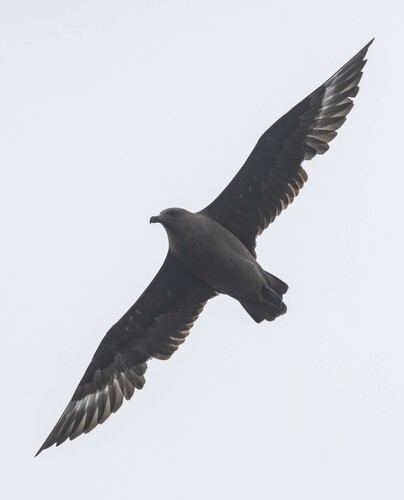
オオトウゾクカモメ (Stercorarius maccormicki) オオトウゾクカモメ

メディア

読み込み中…

要点

トウゾクカモメとオオトウゾクカモメの最も信頼できるフィールドマークは全体的な構造です:オオトウゾクカモメはずっとがっしりとしていて重い体を持ち、大きな樽のような胸とより強力で直接的な飛行を持っています。一方、トウゾクカモメはまだ大きいですが、スリムで翼が広いです。成鳥では、トウゾクカモメの繁殖羽衣は長く、スプーン状の中央尾羽を示し、オオトウゾクカモメはこれを持ちません。両種は白い翼のフラッシュを示すことがありますが、トウゾクカモメのものは下翼における診断的な二重フラッシュであり、オオトウゾクカモメのものは単一の大胆な白い斑点です。幼鳥と暗色型は特に難しいですが、トウゾクカモメは一般的に質量が少なく、より計測された、力強さの少ない飛行を示します。頭と体のコントラストはオオトウゾクカモメでより強く、特に淡色型で顕著です。

識別のコツ

  1. Overall bulk and chest: オオトウゾクカモメはずっと重く、樽のような胸を持ち、すべての羽衣で大きく見えます。トウゾクカモメはスリムで威圧感が少なく、翼は広いですが、同じ胸のボリュームはありません。これは横に並んでいるときや、鳥が止まっているときに最も明らかです。
  2. Flight style: オオトウゾクカモメの飛行は直接的で力強く、その質量を反映しています。トウゾクカモメの飛行はより計測され、力強さが少なく、広い翼を持ち、上部が重くない印象です。これを動的で遠くからの視点で使用してください。
  3. Tail shape (breeding adults): 繁殖羽衣のトウゾクカモメは長く、ねじれたスプーン状の中央尾羽を示します。オオトウゾクカモメはこの特徴を示しません。繁殖外では、尾の形は診断的ではありません。
  4. Underwing pattern: すべての形態のトウゾクカモメは下翼における診断的な二重白フラッシュを示します。オオトウゾクカモメは単一の大胆な白い斑点を持っています。これは良好な飛行視点で最も役立ちます。
  5. Head and body contrast (adults): オオトウゾクカモメ(特に淡色型)は、淡い(白っぽいまたはストロー色の茶色)頭と暗い体との間に強いコントラストを示します。トウゾクカモメの頭は黄白色で黒い帽子を持っていますが、全体的にはコントラストがそれほど際立っていません。
  6. Bill base (juveniles/dark morphs): オオトウゾクカモメの幼鳥と暗色型は青い嘴の基部を持ち、近くで見ると役立ちます。トウゾクカモメはこの特徴を欠いています。
  7. Plumage tone (juveniles/dark morphs): オオトウゾクカモメは全体的に冷たい茶色です。トウゾクカモメは変動がありますが、オオトウゾクカモメの冷たく灰色がかったトーンを欠いていることが多いです。
  8. White wing flash (all ages): 両種は白い翼のフラッシュを示しますが、トウゾクカモメのものは下翼における二重フラッシュであり、オオトウゾクカモメのものは単一の大胆な斑点です。これは悪い光や遠くからの視点では微妙になることがあります。
  9. Head cap (adults): トウゾクカモメの成鳥は黄白色の頭に黒い帽子を持っています。オオトウゾクカモメの頭は淡いですが、真の帽子はありません。
  10. Size in context: カモメと一緒に見られる場合、オオトウゾクカモメはトウゾクカモメよりもずっと大きく、がっしりとした印象を与えます。トウゾクカモメはほとんどのカモメよりも大きいですが、オオトウゾクカモメほど質量はありません。
  11. Behavior when pirating: オオトウゾクカモメは他の鳥を追いかけるとき、トウゾクカモメよりも力強く、機敏さが少ないです。
  12. Voice: トウゾクカモメは厳しいおしゃべりの呼び声と「ウィッチ・ユウ」という音を持っています。オオトウゾクカモメの声は音符において特に特徴的ではないので、注意して使用してください。
  13. Habitat: 両者は海上で繁殖シーズン外に浮遊し、類似の海洋環境に現れることがあります。トウゾクカモメは熱帯の海で冬を越す移動鳥ですが、オオトウゾクカモメは南極で繁殖し、海で広く分散します。繁殖地が知られていない限り、環境は信頼できる診断的なものではありません。
  14. Pitfalls with juveniles: 幼鳥と暗色型のトウゾクカモメは、遠くから見るとオオトウゾクカモメとほとんど区別がつかないことがあります。構造と飛行スタイルを主な手がかりとして使用してください。
  15. Morph variation: 両種は淡色、中間、暗色型を持っていますが、頭/体のコントラストと尾の形(繁殖中のトウゾクカモメ)が重要です。

大きさ

オオトウゾクカモメはかなり重く(体重約1349g対トウゾクカモメの約694g [wikidata])、より頑丈で樽のような体型をしています。トウゾクカモメはまだ大きいですが、明らかにスリムで威圧感が少なく、翼は広いですが、オオトウゾクカモメのような重さや胸のボリュームはありません。直接比較すると、オオトウゾクカモメは特に飛行中や横に並んでいるときに、より力強く、上部が重い印象を与えます。

羽色

行動

オオトウゾクカモメの飛行は直接的で力強く、その質量と樽のような胸を反映しています。他の鳥を襲うときには機敏さよりも力を使います。トウゾクカモメはまだ強いですが、より計測された、力強さの少ない飛行を持ち、翼が広く、上部が重くない印象を与えます。両種は盗食性ですが、オオトウゾクカモメの海賊行動はトウゾクカモメよりも力強く、機敏さが少ないです。

生息環境

両種は繁殖シーズン外に浮遊し、類似の海洋環境に現れることがあります。トウゾクカモメは熱帯の海で冬を越す移動鳥ですが、オオトウゾクカモメは南極で繁殖し、海で広く分散します。繁殖地が知られていない限り、環境は信頼できる診断的なものではありません。

声

トウゾクカモメは厳しいおしゃべりの呼び声と特徴的な「ウィッチ・ユウ」という音を持っています。オオトウゾクカモメの声は音符において詳細には記述されていないため、ほとんどのフィールド状況では声は信頼できる区別要因ではありません。

より良い説明を送る

比較と同じ項目を使ってください。文章はすぐに公開されます。

The most reliable field mark between Pomarine Skua and South Polar Skua is overall structure: South Polar is much bulkier and heavier-bodied, with a massive barrel chest and a more powerful, direct flight, while Pomarine is still large but slimmer and broader-winged. In adults, Pomarine’s breeding plumage shows long, spoon-shaped central tail feathers, which South Polar never has. Both species can show a white wing flash, but Pomarine’s is a diagnostic double flash on the underwing, whereas South Polar’s is a single, bold white patch. Juveniles and dark morphs are especially tricky, but Pomarine is generally less massive and shows a more measured, less forceful flight. Head and body contrast is stronger in South Polar, especially in pale morphs.

  1. Overall bulk and chest: South Polar Skua is much heavier and barrel-chested, with a massive, top-heavy look in all plumages. Pomarine is slimmer and less imposing, with a broader wing but not the same chest bulk. This is most apparent in side-by-side views or when a bird is perched.
  2. Flight style: South Polar’s flight is direct and powerful, reflecting its mass; Pomarine’s is more measured and less forceful, with a broader-winged, less top-heavy jizz. Use this in dynamic, distant views.
  3. Tail shape (breeding adults): Pomarine Skua in breeding plumage shows long, twisted, spoon-shaped central tail feathers. South Polar never shows this feature. Outside breeding, tail shape is less diagnostic.
  4. Underwing pattern: Pomarine Skua of all morphs shows a diagnostic double white flash on the underwing; South Polar has a single, bold white patch. This is most useful in good flight views.
  5. Head and body contrast (adults): South Polar (especially pale morphs) shows a strong contrast between a pale (whitish or straw-brown) head and darker body. Pomarine’s head is yellowish-white with a black cap, but the contrast is less stark overall.
  6. Bill base (juveniles/dark morphs): South Polar juveniles and dark morphs have a blue bill base, which can help in close views. Pomarine lacks this feature.
  7. Plumage tone (juveniles/dark morphs): South Polar is colder brown overall; Pomarine is variable but often lacks the cold, ashy tone of South Polar.
  8. White wing flash (all ages): Both species show a white wing flash, but Pomarine’s is a double flash on the underwing, while South Polar’s is a single, bold patch. This can be subtle in poor light or distant views.
  9. Head cap (adults): Pomarine adults have a black cap on a yellowish-white head; South Polar’s head is pale but lacks a true cap.
  10. Size in context: If seen with gulls, South Polar will appear much larger and bulkier than Pomarine, which is itself larger than most gulls but not as massive as South Polar.
  11. Behavior when pirating: South Polar is more forceful and less agile than Pomarine when chasing other birds.
  12. Voice: Pomarine has harsh chattering calls and a which-yew sound; South Polar’s voice is not distinctive in the notes, so use with caution.
  13. Habitat: Both are pelagic and overlap at sea; do not rely on habitat unless breeding location is known.
  14. Pitfalls with juveniles: Juvenile and dark morph Pomarine can be nearly indistinguishable from South Polar at a distance; use structure and flight style as primary clues.
  15. Morph variation: Both species have pale, intermediate, and dark morphs, but head/body contrast and tail shape (in breeding Pomarine) remain key.

South Polar Skua is significantly heavier (body mass ~1349g vs Pomarine’s ~694g [wikidata]), with a more robust, barrel-chested build. Pomarine Skua is still large but noticeably slimmer and less imposing, with a broader wing but lacking the sheer bulk and chest of South Polar. In direct comparison, South Polar appears more powerful and top-heavy, especially in flight or when perched side-by-side.

  • Juveniles and dark morphs: Both species are difficult to separate at this age, but Pomarine juveniles can be nearly indistinguishable from South Polar at a distance. South Polar juveniles and dark morphs have a colder brown tone and a blue bill base (if seen well), while Pomarine juveniles are variable but tend to lack the strong head/body contrast of South Polar.
  • Adults (light/pale morphs): Pomarine adults (light morph) have a brown back, mainly white underparts, a yellowish-white head and neck with a black cap, and a diagnostic double white flash on the underwing. South Polar adults (pale morph) are greyish brown above, with a whitish or straw-brown head and underparts, and the contrast between the pale head and darker body is strong and distinctive. The wing flash in South Polar is a single, bold white patch.
  • Tail: Breeding Pomarine adults have very long, twisted, spoon-shaped central tail feathers, which are never present in South Polar. Outside breeding, Pomarine’s tail is shorter but still lacks the heavy, blunt look of South Polar’s tail.

South Polar Skua’s flight is direct and powerful, reflecting its greater mass and barrel chest. It uses brute force rather than agility when harassing other birds. Pomarine Skua, while still strong, has a more measured and less forceful flight, appearing broader-winged and less top-heavy. Both species are kleptoparasitic, but South Polar’s piratical behavior is more forceful and less agile than Pomarine’s.

Both species are pelagic outside the breeding season and can appear in similar oceanic contexts. Pomarine Skua is a migrant that winters at sea in tropical oceans, while South Polar Skua breeds in the Antarctic and disperses widely at sea. Habitat is not reliably diagnostic unless breeding grounds are known.

Pomarine Skua has harsh chattering calls and a distinctive which-yew sound. South Polar Skua’s vocalizations are not described in detail in the notes, so voice is not a reliable separator in most field situations.

変更を破棄しますか?

保存していない編集があります。今離れると失われます。

トウゾクカモメ · オオトウゾクカモメ · 苦手な鳥