

Stercorario mezzano vs South Polar Skua
Stercorarius pomarinus contro Stercorarius maccormicki
Fai un quiz con Stercorario mezzano e South Polar Skua
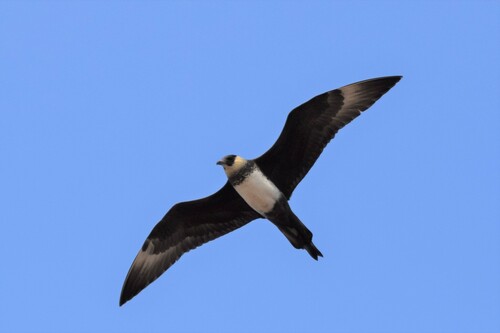 Stercorario mezzano
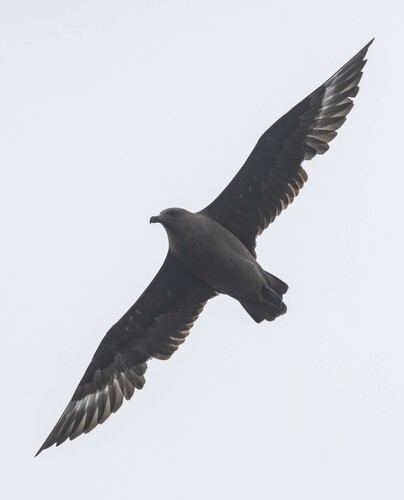 South Polar Skua
In breve
Il segno di campo più affidabile tra Stercorario mezzano e South Polar Skua è la struttura generale: South Polar è molto più massiccio e pesante, con un petto a botte massiccio e un volo più potente e diretto, mentre Stercorario mezzano è ancora grande ma più snello e con ali più larghe. Negli adulti, il piumaggio nuziale di Stercorario mezzano mostra lunghe penne centrali della coda a forma di cucchiaio, che South Polar non ha mai. Entrambe le specie possono mostrare un lampo bianco sulle ali, ma quello di Stercorario mezzano è un lampo diagnostico doppio sulla parte inferiore dell'ala, mentre quello di South Polar è una singola macchia bianca audace. I giovani e le forme scure sono particolarmente difficili, ma Stercorario mezzano è generalmente meno massiccio e mostra un volo più misurato e meno forzato. Il contrasto tra testa e corpo è più forte in South Polar, specialmente nelle forme chiare.
Consigli di identificazione
- Overall bulk and chest: South Polar Skua è molto più pesante e ha un petto a botte, con un aspetto massiccio e pesante in tutti i piumaggi. Stercorario mezzano è più snello e meno imponente, con un'ala più larga ma non la stessa massa del petto. Questo è più evidente nelle viste affiancate o quando un uccello è posato.
- Flight style: Il volo di South Polar è diretto e potente, riflettendo la sua massa; quello di Stercorario mezzano è più misurato e meno forzato, con un aspetto di ali più larghe e meno pesante. Usa questo in viste dinamiche e distanti.
- Tail shape (breeding adults): Stercorario mezzano in piumaggio nuziale mostra lunghe penne centrali della coda a forma di cucchiaio. South Polar non mostra mai questa caratteristica. Fuori dal periodo di nidificazione, la forma della coda è meno diagnostica.
- Underwing pattern: Stercorario mezzano di tutte le forme mostra un lampo bianco diagnostico doppio sulla parte inferiore dell'ala; South Polar ha una singola macchia bianca audace. Questo è più utile in buone viste di volo.
- Head and body contrast (adults): South Polar (soprattutto le forme chiare) mostra un forte contrasto tra una testa chiara (biancastra o marrone paglia) e un corpo più scuro. La testa di Stercorario mezzano è bianco-giallastra con un cappuccio nero, ma il contrasto è meno netto nel complesso.
- Bill base (juveniles/dark morphs): I giovani e le forme scure di South Polar hanno una base del becco blu, che può aiutare in viste ravvicinate. Stercorario mezzano non ha questa caratteristica.
- Plumage tone (juveniles/dark morphs): South Polar è di un marrone più freddo nel complesso; Stercorario mezzano è variabile ma spesso manca del tono freddo e cenere di South Polar.
- White wing flash (all ages): Entrambe le specie mostrano un lampo bianco sulle ali, ma quello di Stercorario mezzano è un lampo doppio sulla parte inferiore dell'ala, mentre quello di South Polar è una singola macchia bianca audace. Questo può essere sottile in scarsa illuminazione o in viste distanti.
- Head cap (adults): Gli adulti di Stercorario mezzano hanno un cappuccio nero su una testa bianco-giallastra; la testa di South Polar è chiara ma manca di un vero cappuccio.
- Size in context: Se visti con i gabbiani, South Polar apparirà molto più grande e massiccio di Stercorario mezzano, che è a sua volta più grande della maggior parte dei gabbiani ma non così massiccio come South Polar.
- Behavior when pirating: South Polar è più forzoso e meno agile di Stercorario mezzano quando insegue altri uccelli.
- Voice: Stercorario mezzano ha richiami aspri e un suono distintivo di which-yew; la voce di South Polar non è distintiva nelle note, quindi usala con cautela.
- Habitat: Entrambi sono pelagici e si sovrappongono in mare; non fare affidamento sull'habitat a meno che non sia nota la posizione di nidificazione.
- Pitfalls with juveniles: I giovani e le forme scure di Stercorario mezzano possono essere quasi indistinguibili da South Polar a distanza; usa la struttura e lo stile di volo come indizi principali.
- Morph variation: Entrambe le specie hanno forme chiare, intermedie e scure, ma il contrasto testa/corpo e la forma della coda (in Stercorario mezzano in riproduzione) rimangono chiave.
Taglia
South Polar Skua è significativamente più pesante (massa corporea ~1349g contro ~694g di Stercorario mezzano [wikidata]), con una costruzione più robusta e a petto a botte. Stercorario mezzano è ancora grande ma visibilmente più snello e meno imponente, con un'ala più larga ma privo della massa e del petto di South Polar. In confronto diretto, South Polar appare più potente e pesante, specialmente in volo o quando è posato fianco a fianco.
Piumaggio
- Juveniles and dark morphs: Entrambe le specie sono difficili da separare a questa età, ma i giovani di Stercorario mezzano possono essere quasi indistinguibili da South Polar a distanza. I giovani e le forme scure di South Polar hanno un tono di marrone più freddo e una base del becco blu (se visti bene), mentre i giovani di Stercorario mezzano sono variabili ma tendono a mancare del forte contrasto testa/corpo di South Polar.
- Adults (light/pale morphs): Gli adulti di Stercorario mezzano (forma chiara) hanno un dorso marrone, principalmente parti inferiori bianche, una testa e un collo bianco-giallastri con un cappuccio nero, e un lampo bianco diagnostico doppio sulla parte inferiore dell'ala. Gli adulti di South Polar (forma chiara) sono marrone grigiastro sopra, con una testa e parti inferiori bianche o marrone paglia, e il contrasto tra la testa chiara e il corpo più scuro è forte e distintivo. Il lampo sulle ali in South Polar è una singola macchia bianca audace.
- Tail: Gli adulti di Stercorario mezzano in riproduzione hanno penne centrali della coda molto lunghe, attorcigliate e a forma di cucchiaio, che non sono mai presenti in South Polar. Fuori dal periodo di nidificazione, la coda di Stercorario mezzano è più corta ma manca ancora dell'aspetto pesante e smussato della coda di South Polar.
Comportamento
Il volo di South Polar Skua è diretto e potente, riflettendo la sua maggiore massa e il petto a botte. Usa la forza bruta piuttosto che l'agilità quando infastidisce altri uccelli. Stercorario mezzano, pur essendo ancora forte, ha un volo più misurato e meno forzato, apparendo con ali più larghe e meno pesanti. Entrambe le specie sono kleptoparassite, ma il comportamento pirata di South Polar è più forzoso e meno agile di quello di Stercorario mezzano.
Habitat
Entrambe le specie sono pelagiche al di fuori della stagione di nidificazione e possono apparire in contesti oceanici simili. Stercorario mezzano è un migrante che sverna in mare negli oceani tropicali, mentre South Polar Skua nidifica in Antartide e si disperde ampiamente in mare. L'habitat non è affidabilmente diagnostico a meno che non siano noti i luoghi di nidificazione.
Voce
Stercorario mezzano ha richiami aspri e un suono distintivo di which-yew. Le vocalizzazioni di South Polar Skua non sono descritte in dettaglio nelle note, quindi la voce non è un separatore affidabile nella maggior parte delle situazioni di campo.
Stercorario mezzano · South Polar Skua · I miei uccelli difficili