

Motmot

アジアマミハウチワドリ 対 オレンジハナドリ

Prinia inornata 対 Dicaeum trigonostigma

アジアマミハウチワドリとオレンジハナドリのクイズ
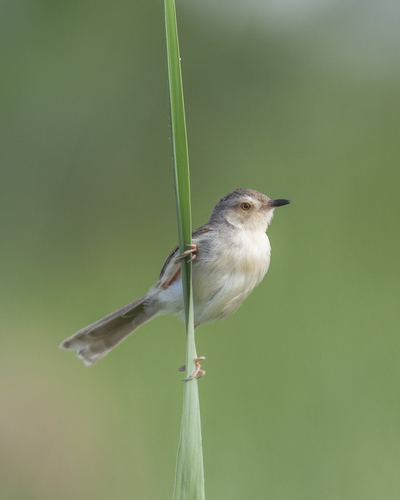
アジアマミハウチワドリ (Prinia inornata) アジアマミハウチワドリ
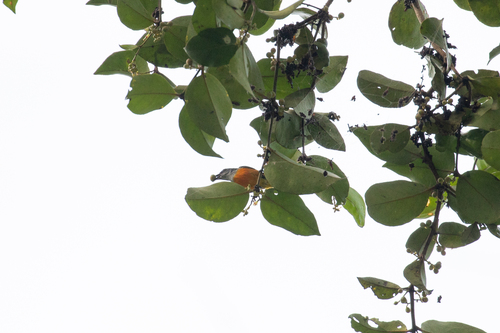
オレンジハナドリ (Dicaeum trigonostigma) オレンジハナドリ

メディア

読み込み中…

要点

アジアマミハウチワドリとオレンジハナドリを区別する最も信頼できるフィールドマークは、全体の色合いと構造です:アジアマミハウチワドリは、淡い眉斑と地味な腹部を持つ細長い尾を持つ茶色のウグイスであり、オレンジハナドリは、コンパクトで短い尾を持つ小さな鳥で、雄は目を引く青とオレンジの色合いを持っています。雌のハナドリは地味ですが、依然として黄色い腹部とオレンジ色の尾を示し、アジアマミハウチワドリの均一な淡褐色の腹部は決して見せません。飛んでいる時や止まっている時、アジアマミハウチワドリの長い尾と直立した姿勢は、ハナドリの短く丸いプロファイルと鋭く対照的です。両種は東南アジアの重複する地域に見られますが、構造と羽毛はすべての年齢と季節で異なります。

識別のコツ

  1. Tail length and shape: アジアマミハウチワドリは長くて段階的な尾を持ち、しばしば立てたり扇形にしたりします;オレンジハナドリは非常に短くて太い尾を持っています。これは、特に飛んでいる時や直立して止まっている時に最も早い構造チェックです。
  2. Overall build: アジアマミハウチワドリは細長く、強い脚と細くて真っ直ぐなくちばしを持っています。ハナドリはコンパクトで丸みを帯びており、短くてわずかに下向きのくちばしを持っています。
  3. Bill shape: アジアマミハウチワドリのくちばしは真っ直ぐで細く、黒い;ハナドリのくちばしは短く、基部が太く、先端がわずかに曲がっています—遠くからでも役立ちます。
  4. Supercilium: アジアマミハウチワドリは目の上に明確な短い白い眉斑を示します;ハナドリには淡い眉はありません。
  5. Male flowerpecker coloration: 雄は間違いなく識別可能です—上面はスレートブルーで、大きなオレンジ色のマントパッチと炎のようなオレンジから黄色の腹部を持っています。アジアマミハウチワドリは決して青やオレンジを示しません。
  6. Female flowerpecker: 雌は上面がオリーブブラウンで、下面が黄色、淡いオレンジ色の尾を持っています。彼女たちはアジアマミハウチワドリの白い眉斑を欠き、決して均一な淡褐色の腹部を示しません。
  7. Prinia underparts: 常に白っぽい淡褐色から淡褐色で、明るい黄色やオレンジではありません。腹部は地味で、色の斑点はありません。
  8. Wing and back color: アジアマミハウチワドリは上面が灰褐色で、閉じた翼の端にルフスの縁があります(繁殖羽毛の時期)。ハナドリの雄は上面が青で、雌はオリーブブラウンです。
  9. Seasonal change in prinia: 冬になると、アジアマミハウチワドリは上面がより暖かい茶色になり、下面が淡褐色になります。これにより、ハナドリに似ているように見えることが少なくなります。
  10. Sex differences: ハナドリは強い性差を示します;アジアマミハウチワドリの性別は同一です。
  11. Behavior: アジアマミハウチワドリはしばしば開けた草地で直立して止まっているのが見られ、尾を振ることが多いです。ハナドリは木の中にいる可能性が高く、素早く動き、時には花の上でホバリングします。
  12. Habitat context: アジアマミハウチワドリは開けた国に、ハナドリは森林や庭にいます—生息地を手がかりとして使用します。
  13. Perched posture: アジアマミハウチワドリは直立して止まり、しばしば露出した茎の上にいます;ハナドリはより水平で、枝や花にしがみついています。
  14. Flight style: アジアマミハウチワドリの飛行は弱く波打ち、長い尾が目立ちます;ハナドリの飛行は跳ねるようで直接的で、短い尾を持つコンパクトな外見です。
  15. No orange or blue in prinia: 鳥に青やオレンジのヒントがあれば、アジアマミハウチワドリはすぐに除外されます。

大きさ

アジアマミハウチワドリはわずかに大きく、より細長く、約13〜14 cmの長さで、目立つ長い尾と細い体型を持っています [wikipedia]。オレンジハナドリは小さく、はるかにコンパクトで、体重は約7 g [wikidata]、短くて太い尾を持っています。ハナドリの全体的な比率はより丸みを帯びており、アジアマミハウチワドリは細長く見え、特に尾が立てられたり扇形にされたりしている時にそう見えます。

羽色

行動

アジアマミハウチワドリはしばしば草の茎や低い低木の上に直立して止まっているのが見られ、頻繁に長い尾を振ったり扇いだりします。開けた国を活発に移動し、しばしばペアや小さな群れで見られます。オレンジハナドリはより樹上性で、通常は樹木の冠や中層で採餌し、素早く動き、時には花や果実の上で短時間ホバリングします。その動きはアジアマミハウチワドリよりも跳ねるようで、尾の動きは少ないです。ハナドリの餌は蜜や果実に特化しており、アジアマミハウチワドリは葉や草から昆虫を採取します。

生息環境

両種は東南アジアに生息していますが、アジアマミハウチワドリは開けた国、草原、低木、湿地の端を好み、密な森林にはめったに入らない。オレンジハナドリは森林の生息地、庭、プランテーションにより密接に関連しており、特に花を咲かせる木や果実を持つ木がある場所で見られます。高い草や開けた低木の中で鳥を見かけると、アジアマミハウチワドリの可能性が高く、冠や花の木の中ではハナドリの可能性が高くなります。

より良い説明を送る

比較と同じ項目を使ってください。文章はすぐに公開されます。

The most reliable field mark to separate Plain Prinia from Orange-bellied Flowerpecker is overall coloration and structure: Plain Prinia is a slender, long-tailed, brownish warbler with a pale supercilium and plain underparts, while Orange-bellied Flowerpecker is a compact, short-tailed bird with a small, slightly curved bill and, in males, striking blue and orange coloration. Females flowerpeckers are duller but still show a yellow belly and orange rump, never the uniform buffy underparts of prinia. In flight or perched, the prinia’s long tail and upright stance contrast sharply with the flowerpecker’s stubby, rounded profile. Both species can be found in overlapping regions of Southeast Asia, but their structure and plumage are distinct at all ages and seasons.

  1. Tail length and shape: Plain Prinia has a long, graduated tail often held cocked or fanned; Orange-bellied Flowerpecker has a very short, stubby tail. This is the fastest structural check, especially in flight or when perched upright.
  2. Overall build: Prinia is slender and elongated, with strong legs and a thin, straight bill. Flowerpecker is compact, rounded, with a short, slightly downcurved bill.
  3. Bill shape: Prinia’s bill is straight, thin, and black; flowerpecker’s is shorter, thicker at the base, and slightly curved at the tip—useful even at a distance.
  4. Supercilium: Plain Prinia shows a distinct short white supercilium above the eye; flowerpecker lacks any pale eyebrow.
  5. Male flowerpecker coloration: Males are unmistakable—slaty-blue above, with a large orange mantle patch and fiery orange to yellow underparts. No prinia ever shows blue or orange.
  6. Female flowerpecker: Females are olive-brown above, yellow below, with a pale orange rump. They lack the prinia’s white supercilium and never show uniform buffy underparts.
  7. Prinia underparts: Always whitish-buff to buff, never bright yellow or orange. Underparts are plain, with no color patches.
  8. Wing and back color: Prinia is grey-brown above with rufous edges to the closed wings (in breeding plumage). Flowerpecker males are blue above; females are olive-brown.
  9. Seasonal change in prinia: In winter, prinia becomes warmer brown above and buffier below, with a longer tail. This may make it look even less like a flowerpecker.
  10. Sex differences: Flowerpecker shows strong sexual dimorphism; prinia sexes are identical.
  11. Behavior: Prinia is often seen in open, grassy areas, perching upright and flicking its tail. Flowerpecker is more likely to be in trees, moving quickly, sometimes hovering at flowers.
  12. Habitat context: Prinia in open country, flowerpecker in forest or gardens—use habitat as a supporting clue.
  13. Perched posture: Prinia perches upright, often on exposed stems; flowerpecker is more horizontal, clinging to branches or flowers.
  14. Flight style: Prinia’s flight is weak and undulating, with the long tail obvious; flowerpecker’s flight is bounding and direct, with a stubby-tailed, compact look.
  15. No orange or blue in prinia: Any hint of blue or orange on the bird rules out prinia immediately.

Plain Prinia is slightly larger and more elongated, measuring about 13–14 cm in length, with a noticeably long tail and slim build [wikipedia]. Orange-bellied Flowerpecker is smaller and much more compact, with a body mass of about 7 g [wikidata], and a short, stubby tail. The flowerpecker’s overall proportions are more rounded and chunky, while the prinia appears slender and elongated, especially when the tail is cocked or fanned.

  • Juvenile/immature/first-winter: No specific juvenile wing pattern is described for either species, but age-related differences are more subtle in flowerpecker females (duller, olive-brown with yellow belly and orange rump) and in non-breeding prinias (warmer brown above, buffier below, longer tail).
  • Adult breeding plumage: Plain Prinia is grey-brown above with a white supercilium, rufous wing edges, and whitish-buff underparts; sexes are identical. Orange-bellied Flowerpecker males are unmistakable: slaty-blue upperparts, large orange mantle patch, fiery orange to yellow underparts, and a pale blue-grey throat and upper breast. Females are olive-brown above, yellow below, with a pale orange rump—never showing the plain buffy underparts or white supercilium of prinia.
  • Seasonal change: Plain Prinia becomes warmer brown above and buffier below in winter, with a longer tail. The Sri Lankan race keeps summer plumage year-round. Flowerpecker shows little seasonal change, but sex differences are strong.

Plain Prinia is often seen perched upright on grass stems or low shrubs, frequently flicking or fanning its long tail. It moves actively through open country, often in pairs or small groups. Orange-bellied Flowerpecker is more arboreal, typically foraging in the canopy or mid-levels of trees, moving quickly and often hovering briefly at flowers or fruit. Its movements are more bounding and less tail-active than the prinia. The flowerpecker’s feeding is more specialized on nectar and fruit, while the prinia gleans insects from foliage and grass.

Both species occur in Southeast Asia, but Plain Prinia favors open country, grasslands, scrub, and edges of wetlands—rarely venturing into dense forest. Orange-bellied Flowerpecker is more closely tied to forested habitats, gardens, and plantations, especially where flowering or fruiting trees are present. Seeing a bird in tall grass or open scrub strongly favors prinia; in the canopy or at flowering trees, flowerpecker is more likely.

変更を破棄しますか?

保存していない編集があります。今離れると失われます。

アジアマミハウチワドリ · オレンジハナドリ · 苦手な鳥