

Motmot

フナシスズメバト 対 ケアシスズメバト

Columbina minuta 対 Columbina talpacoti

フナシスズメバトとケアシスズメバトのクイズ
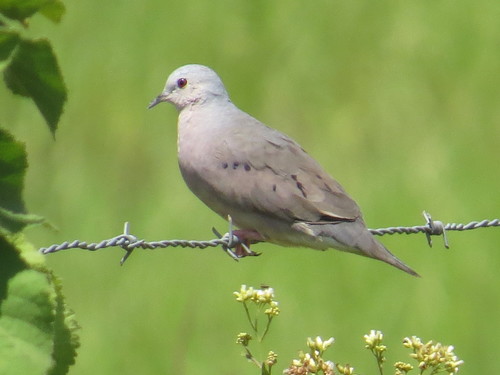
フナシスズメバト (Columbina minuta) フナシスズメバト
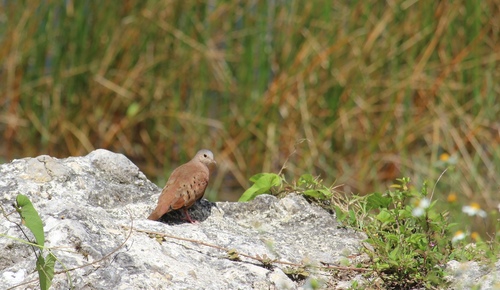
ケアシスズメバト (Columbina talpacoti) ケアシスズメバト

メディア

読み込み中…

要点

フナシスズメバトとケアシスズメバトの間で最も信頼できるフィールドマークは、翼の覆羽に黒い斑点があるかどうかです:ケアシスズメバトは常に翼に明確な黒い斑点を示します(すべての年齢と性別)、一方、フナシスズメバトはこれらの斑点がなく、より均一で地味な翼を持っています。さらに、フナシスズメバトは全体的に小さく、暗い色合いで、ケアシスズメバトよりも赤みが少ないです。フナシスズメバトの性差は微妙ですが、ケアシスズメバトでは明らかで、オスは赤褐色の体と灰色の頭を示し、メスは全体が茶色です。両種は開けた土地で一緒に現れることがあるため、翼のパターンと全体的なサイズに注意を払うことが重要です。

識別のコツ

  1. 翼の覆羽に黒い斑点があるか確認する: ケアシスズメバトは常に翼に明確な黒い斑点を示します(止まっている時と飛んでいる時、すべての年齢と性別)。フナシスズメバトはこれらの斑点を示さず、翼は地味または微妙にマークされているが、はっきりとした斑点はありません。
  2. 全体的なサイズと構造を評価する: フナシスズメバトは小さくて軽く、より繊細でコンパクトな外観を持っています。ケアシスズメバトは明らかにより大きく、重いです。
  3. 赤みや赤褐色のトーンを探す: 成熟したオスのケアシスズメバトは豊かな赤褐色の上面と淡い灰色の頭を持ち、強いコントラストを生み出します。フナシスズメバトは全体的に暗い灰褐色で、強い赤褐色や赤みのトーンがありません。
  4. 胸と頭のスケーリングや斑点を確認する: フナシスズメバトは胸と頭にスケーリングや斑点のパターンがなく、地味に見えます。ケアシスズメバトは頭と体の間にコントラストを示すことがありますが、スケーリングパターンはありません(それはスズメバトの特徴であり、ケアシスズメバトではありません)。
  5. 飛行中の翼の色を確認する: 両種は赤褐色またはシナモン色の翼の下側を示しますが、これは彼らを区別する信頼できる要素ではありません。
  6. 性差: ケアシスズメバトでは、オスは赤褐色で灰色の頭を持ち、メスは全体が茶色です。フナシスズメバトは微妙な性差しか示さず、両性ともに似たように暗く地味に見えます。
  7. 尾のパターン: ケアシスズメバトは黒い縁取りのある尾を持ち、鳥が扇状に広げたり飛んだりするときに見えます。フナシスズメバトの尾はあまり明確にマークされていません。
  8. 行動の手がかり: ケアシスズメバトはしばしば群れで見られ、時には攻撃的な行動(翼を上げたり、攻撃したり)を示します。フナシスズメバトは行動が目立たず、しばしば単独またはペアで見られ、攻撃的な相互作用は記録されていません。
  9. 生息地の文脈: 都市公園、庭、または heavily cultivated field で見られた場合、ケアシスズメバトの可能性が高いです。フナシスズメバトはあまり disturbed されていない開けた地域を好み、都市環境ではあまり一般的ではありません。
  10. 相対的な豊富さ: 両種が生息するほとんどの地域では、ケアシスズメバトがより多く、目立つ種です。
  11. 幼鳥/未熟な鳥: ケアシスズメバトの黒い翼の斑点は若い鳥にも存在するため、このマークはすべての年齢で信頼できます。フナシスズメバトの幼鳥は大人と同じように地味な翼を持っています。
  12. くちばしと足の色: フナシスズメバトは灰色のくちばしとピンクの足を持ち、赤みがかった目をしています。ケアシスズメバトのくちばしと足の色は、区別するためにはあまり特徴的ではありません。
  13. 飛行スタイル: 両種は速く、直接的な翼の拍動で飛びますが、ケアシスズメバトは飛行中により頻繁に鋭いフリックを示すことがあります。
  14. 声を無視して区別する: フィールドでの区別のために、情報源で記載された特異な声の違いはありません。
  15. スズメバトと混同しない: 両種はスズメバトのスケーリングの外観を欠いていますが、ケアシスズメバトだけが黒い翼の斑点を持っています。

大きさ

フナシスズメバトはケアシスズメバトよりも明らかに小さく、軽いです。フナシスズメバトは長さが14.5〜16 cm、体重が24〜42 gで、質量的にはおそらく最小のハト科です。ケアシスズメバトはより大きく、重く、長さが12〜18 cm(しかし通常はその範囲の上限に近い)で、平均して約46.5 gです。フィールドでは、フナシスズメバトはしばしばより繊細でコンパクトに見え、ケアシスズメバトはより大きく、頑丈です。

羽色

すべての年齢における主要な羽毛の違いは翼のパターンです:ケアシスズメバト(両性、すべての年齢)は翼の覆羽に一連の明確な黒い斑点を持ち、止まっている時や飛んでいる時に簡単に見ることができます。フナシスズメバトはこれらの黒い斑点を欠き、代わりに微妙な暗い紫色の斑点と淡いパネルを持つより均一で地味な翼を示しますが、決して大胆な黒いマークはありません。成鳥のオスのケアシスズメバトは淡い灰色の頭と豊かな赤褐色の上面を持ち、淡い茶色の下部と黒い縁取りのある尾を持っています;メスは全体が灰褐色でコントラストが少ないです。フナシスズメバトは全体的に暗い灰色から茶色で、地味な胸(スケーリングや斑点なし)、淡い翼、赤褐色の翼の下側を持っています。頭と胸にスケーリングや斑点のない外観がフナシスズメバトの良いマークであり、ケアシスズメバトは頭と体の間にコントラストを示すことがあります(特にオスの場合)。両種の幼鳥と未熟な羽毛は同じ翼のパターンのルールに従います:ケアシスズメバトは常に黒い翼の斑点を持ち、フナシスズメバトは決して持ちません。

行動

両種は開けた地域で地面を採餌しますが、ケアシスズメバトはしばしばより攻撃的で社交的であり、群れで見られることが多く、領土的または競争的なディスプレイ(翼を上げたり、攻撃したり)を示します。フナシスズメバトは行動が目立たず、しばしば単独またはペアで見られ、攻撃的な相互作用は記録されていません。ケアシスズメバトの飛行は速く、直接的で、定期的な翼の拍動と時折の鋭いフリックが特徴的です。両種は近づくことができるかもしれませんが、ケアシスズメバトは特に人間の存在に対して寛容です。

生息環境

両種は開けた土地を好みますが、ケアシスズメバトは人間によって変化した環境に適応しやすく、都市の中心、耕作された畑、さらには都市公園や庭でも繁栄します。フナシスズメバトはあまり disturbed されていない開けた地域で見られる可能性が高く、一般的にはあまり豊富ではなく、都市化が進んだ環境ではあまり見られません。彼らの生息域が重なる場所では、ケアシスズメバトが通常、より一般的で目立つ種です。

より良い説明を送る

比較と同じ項目を使ってください。文章はすぐに公開されます。

The most reliable field mark between Plain-breasted Ground Dove and Ruddy Ground Dove is the presence or absence of black spots on the wing coverts: Ruddy Ground Dove always shows distinct black spots on the wings (all ages and sexes), while Plain-breasted Ground Dove lacks these spots and has a more uniform, plainer wing. In addition, Plain-breasted is smaller and darker overall, with a less reddish tone than Ruddy. Sex differences are subtle in Plain-breasted but obvious in Ruddy, with males showing a rufous body and gray head, and females being all brown. Both species can appear together in open country, so careful attention to wing pattern and overall size is essential.

  1. Check for black spots on the wing coverts: Ruddy Ground Dove always shows distinct black spots on the wings (perched and in flight, all ages and sexes). Plain-breasted Ground Dove never shows these spots; its wings are plain or subtly marked, but not boldly spotted.
  2. Assess overall size and structure: Plain-breasted Ground Dove is smaller and lighter, with a more delicate, compact appearance. Ruddy Ground Dove is noticeably bulkier and heavier.
  3. Look for reddish or rufous tones: Adult male Ruddy Ground Dove has rich rufous upperparts and a pale gray head, creating a strong contrast. Plain-breasted Ground Dove is darker gray-brown overall, lacking strong rufous or reddish tones.
  4. Check for scaling or speckling on the breast and head: Plain-breasted Ground Dove lacks any scaled or speckled pattern on the breast and head, appearing plain. Ruddy Ground Dove may show some contrast between head and body, especially in males, but not a scaled pattern (that is a feature of Common Ground Dove, not Ruddy).
  5. Note underwing color in flight: Both species show rufous or cinnamon underwings, but this is not a reliable separator between them.
  6. Sex differences: In Ruddy Ground Dove, males are rufous with a gray head, females are all brown. Plain-breasted Ground Dove shows only subtle sex differences, with both sexes appearing similarly dark and plain.
  7. Tail pattern: Ruddy Ground Dove has a black-edged tail, visible when the bird is fanned or in flight. Plain-breasted Ground Dove's tail is less distinctly marked.
  8. Behavioral cues: Ruddy Ground Dove is often seen in groups, sometimes displaying aggression (wing-raising, striking). Plain-breasted is more solitary or in pairs and less aggressive.
  9. Habitat context: If seen in a city park, garden, or heavily cultivated field, Ruddy Ground Dove is much more likely. Plain-breasted prefers less disturbed open areas and is less common in urban settings.
  10. Relative abundance: In most areas where both occur, Ruddy Ground Dove is the more numerous and conspicuous species.
  11. Juvenile/immature birds: The black wing spots of Ruddy Ground Dove are present even in young birds, so this mark is reliable across all ages. Plain-breasted juveniles are plain-winged like adults.
  12. Bill and leg color: Plain-breasted Ground Dove has a gray bill and pink legs, with reddish eyes. Ruddy Ground Dove's bill and leg color are less distinctive for separation.
  13. Flight style: Both species fly with fast, direct wingbeats, but Ruddy Ground Dove may show more frequent sharp flicks in flight.
  14. Ignore voice for separation: No distinctive vocal differences are described in the sources for field separation.
  15. Do not confuse with Common Ground Dove: Both species lack the scaled appearance of Common Ground Dove, but only Ruddy Ground Dove has black wing spots.

Plain-breasted Ground Dove is notably smaller and lighter than Ruddy Ground Dove. Plain-breasted averages 14.5–16 cm in length and 24–42 g in weight, possibly the smallest columbid by mass. Ruddy Ground Dove is larger and heavier, measuring 12–18 cm (but typically at the upper end of that range) and about 46.5 g on average. In the field, Plain-breasted often appears more delicate and compact, while Ruddy Ground Dove is bulkier and more robust.

The key plumage difference at all ages is the wing pattern: Ruddy Ground Dove (both sexes, all ages) has a series of distinct black spots on the wing coverts, easily seen when perched or in flight. Plain-breasted Ground Dove lacks these black spots, showing instead a more uniform, plain wing with subtle dark violet spots and paler panels, but never bold black marks. Adult male Ruddy Ground Doves have a pale gray head and rich rufous upperparts, with paler brown underparts and a black-edged tail; females are overall gray-brown with less contrast. Plain-breasted Ground Dove is dark gray to brown overall, with a plain breast (no scaling or spots), paler wings, and rufous underwings. The lack of a scaled or speckled appearance on the head and breast is also a good mark for Plain-breasted, while Ruddy may show some contrast between head and body (especially in males). Juvenile and immature plumages in both species follow the same wing pattern rules: Ruddy always has black wing spots, Plain-breasted never does.

Both species forage on the ground in open areas, but Ruddy Ground Dove is often more aggressive and social, frequently seen in groups and showing territorial or competitive displays (such as wing-raising and striking). Plain-breasted Ground Dove is less conspicuous in behavior, often seen singly or in pairs and not noted for aggressive interactions. Ruddy Ground Dove's flight is fast and direct, with regular wingbeats and occasional sharp flicks typical of pigeons. Both species may be approachable, but Ruddy is especially tolerant of human presence.

Both doves favor open country, but Ruddy Ground Dove is much more adaptable to human-altered environments, thriving in urban centers, cultivated fields, and even city parks and gardens. Plain-breasted Ground Dove is more likely to be found in less disturbed open areas, and is generally less abundant and less likely to be seen in heavily urbanized settings. Where their ranges overlap, Ruddy Ground Dove is typically the more common and conspicuous species.

変更を破棄しますか?

保存していない編集があります。今離れると失われます。

フナシスズメバト · ケアシスズメバト · 苦手な鳥