

Plain-breasted Ground Dove vs Ruddy Ground Dove
Columbina minuta contro Columbina talpacoti
Fai un quiz con Plain-breasted Ground Dove e Ruddy Ground Dove
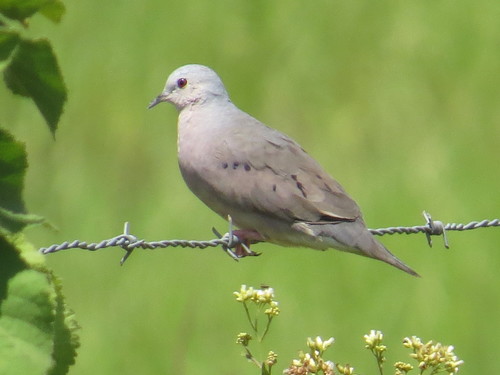 Plain-breasted Ground Dove
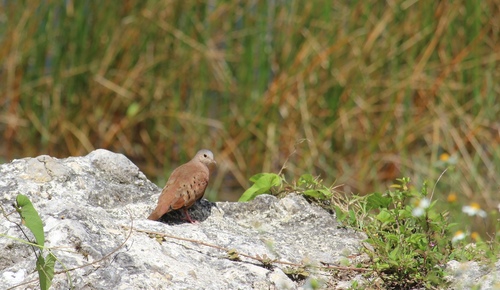 Ruddy Ground Dove
In breve
Il segno di campo più affidabile tra Plain-breasted Ground Dove e Ruddy Ground Dove è la presenza o assenza di macchie nere sulle copritrici delle ali: Ruddy Ground Dove mostra sempre macchie nere distinte sulle ali (di tutte le età e sessi), mentre Plain-breasted Ground Dove non ha queste macchie e ha un'ala più uniforme e semplice. Inoltre, Plain-breasted è più piccolo e più scuro nel complesso, con un tono meno rossiccio rispetto a Ruddy. Le differenze sessuali sono sottili in Plain-breasted ma ovvie in Ruddy, con i maschi che mostrano un corpo rugginoso e una testa grigia, e le femmine che sono tutte marroni. Entrambe le specie possono apparire insieme in campagna aperta, quindi è essenziale prestare attenzione al modello delle ali e alla dimensione complessiva.
Consigli di identificazione
- Controlla le macchie nere sulle copritrici delle ali: Ruddy Ground Dove mostra sempre macchie nere distinte sulle ali (posato e in volo, di tutte le età e sessi). Plain-breasted Ground Dove non mostra mai queste macchie; le sue ali sono semplici o leggermente segnate, ma non vistosamente macchiate.
- Valuta la dimensione e la struttura complessive: Plain-breasted Ground Dove è più piccolo e leggero, con un aspetto più delicato e compatto. Ruddy Ground Dove è notevolmente più robusto e pesante.
- Cerca toni rossicci o rugginosi: Il maschio adulto di Ruddy Ground Dove ha parti superiori rugginose e una testa grigia chiara, creando un forte contrasto. Plain-breasted Ground Dove è di un grigio-marrone più scuro nel complesso, privo di forti toni rugginosi o rossicci.
- Controlla la presenza di squame o macchie sul petto e sulla testa: Plain-breasted Ground Dove non ha alcun modello squamato o macchiato sul petto e sulla testa, apparendo semplice. Ruddy Ground Dove può mostrare un certo contrasto tra testa e corpo, specialmente nei maschi, ma non un modello squamato (quella è una caratteristica di Common Ground Dove, non di Ruddy).
- Nota il colore delle ali inferiori in volo: Entrambe le specie mostrano ali inferiori rugginose o cannella, ma questo non è un separatore affidabile tra di loro.
- Differenze sessuali: In Ruddy Ground Dove, i maschi sono rugginosi con una testa grigia, le femmine sono tutte marroni. Plain-breasted Ground Dove mostra solo sottili differenze sessuali, con entrambi i sessi che appaiono simili scuri e semplici.
- Modello della coda: Ruddy Ground Dove ha una coda con bordi neri, visibile quando l'uccello è aperto o in volo. La coda di Plain-breasted Ground Dove è meno distintamente marcata.
- Indizi comportamentali: Ruddy Ground Dove è spesso visto in gruppi, a volte mostrando aggressività (alzando le ali, colpendo). Plain-breasted è più solitario o in coppie e meno aggressivo.
- Contesto dell'habitat: Se visto in un parco cittadino, giardino o campo pesantemente coltivato, Ruddy Ground Dove è molto più probabile. Plain-breasted preferisce aree aperte meno disturbate ed è meno comune in ambienti urbani.
- Abbondanza relativa: Nella maggior parte delle aree in cui entrambe le specie si trovano, Ruddy Ground Dove è la specie più numerosa e appariscente.
- Uccelli giovanili/immaturi: Le macchie nere delle ali di Ruddy Ground Dove sono presenti anche nei giovani uccelli, quindi questo segno è affidabile in tutte le età. I giovani di Plain-breasted hanno ali semplici come gli adulti.
- Colore del becco e delle gambe: Plain-breasted Ground Dove ha un becco grigio e gambe rosa, con occhi rossicci. Il colore del becco e delle gambe di Ruddy Ground Dove è meno distintivo per la separazione.
- Stile di volo: Entrambe le specie volano con battiti d'ali rapidi e diretti, ma Ruddy Ground Dove può mostrare colpi più frequenti e acuti in volo.
- Ignora la voce per la separazione: Non sono descritte differenze vocali distintive nelle fonti per la separazione sul campo.
- Non confondere con Common Ground Dove: Entrambe le specie mancano dell'aspetto squamato di Common Ground Dove, ma solo Ruddy Ground Dove ha macchie nere sulle ali.
Taglia
Plain-breasted Ground Dove è notevolmente più piccolo e leggero di Ruddy Ground Dove. Plain-breasted misura in media 14,5–16 cm di lunghezza e 24–42 g di peso, probabilmente il columbide più piccolo per massa. Ruddy Ground Dove è più grande e pesante, misurando 12–18 cm (ma tipicamente alla fine superiore di quel range) e circa 46,5 g in media. Sul campo, Plain-breasted appare spesso più delicato e compatto, mentre Ruddy Ground Dove è più robusto e massiccio.
Piumaggio
La principale differenza nel piumaggio a tutte le età è il modello delle ali: Ruddy Ground Dove (entrambi i sessi, tutte le età) ha una serie di macchie nere distinte sulle copritrici delle ali, facilmente visibili quando è posato o in volo. Plain-breasted Ground Dove non ha queste macchie nere, mostrando invece un'ala più uniforme e semplice con macchie scure di viola e pannelli più chiari, ma mai segni neri audaci. I maschi adulti di Ruddy Ground Dove hanno una testa grigia chiara e parti superiori rugginose, con parti inferiori marroni più chiare e una coda con bordi neri; le femmine sono complessivamente grigio-marroni con meno contrasto. Plain-breasted Ground Dove è di un grigio scuro a marrone nel complesso, con un petto semplice (senza squame o macchie), ali più chiare e ali inferiori rugginose. La mancanza di un aspetto squamato o macchiato sulla testa e sul petto è anche un buon segno per Plain-breasted, mentre Ruddy può mostrare un certo contrasto tra testa e corpo (specialmente nei maschi). I piumaggi giovanili e immaturi in entrambe le specie seguono le stesse regole del modello delle ali: Ruddy ha sempre macchie nere sulle ali, Plain-breasted non le ha mai.
Comportamento
Entrambe le specie si nutrono a terra in aree aperte, ma Ruddy Ground Dove è spesso più aggressivo e sociale, frequentemente visto in gruppi e mostrando comportamenti territoriali o competitivi (come alzare le ali e colpire). Plain-breasted Ground Dove è meno appariscente nel comportamento, spesso visto singolarmente o in coppie e non noto per interazioni aggressive. Il volo di Ruddy Ground Dove è veloce e diretto, con battiti d'ali regolari e occasionali colpi acuti tipici dei piccioni. Entrambe le specie possono essere avvicinate, ma Ruddy è particolarmente tollerante alla presenza umana.
Habitat
Entrambe le tortore preferiscono la campagna aperta, ma Ruddy Ground Dove è molto più adattabile agli ambienti alterati dall'uomo, prosperando nei centri urbani, nei campi coltivati e persino nei parchi e giardini cittadini. Plain-breasted Ground Dove è più probabile trovarlo in aree aperte meno disturbate ed è generalmente meno abbondante e meno probabile da vedere in ambienti fortemente urbanizzati. Dove i loro areali si sovrappongono, Ruddy Ground Dove è tipicamente la specie più comune e appariscente.
Plain-breasted Ground Dove · Ruddy Ground Dove · I miei uccelli difficili