

Motmot

ハイイロアリモズモドキ 対 ハイイロヒメアリサザイ

Dysithamnus mentalis 対 Myrmotherula schisticolor

ハイイロアリモズモドキとハイイロヒメアリサザイのクイズ
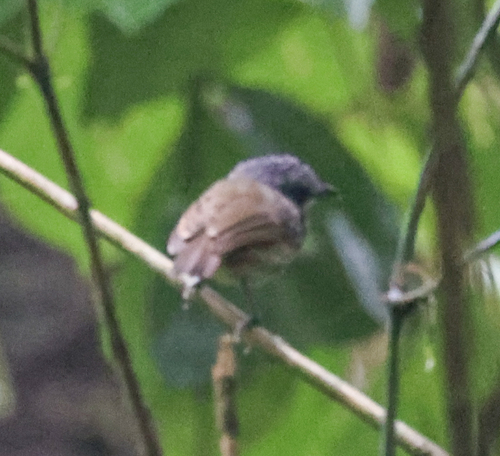
ハイイロアリモズモドキ (Dysithamnus mentalis) ハイイロアリモズモドキ
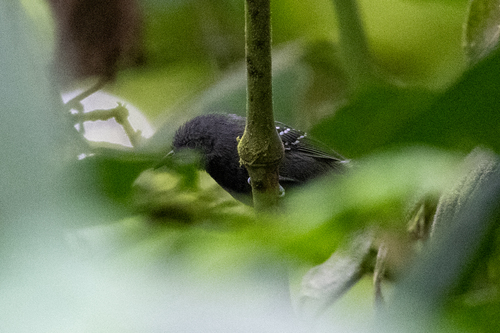
ハイイロヒメアリサザイ (Myrmotherula schisticolor) ハイイロヒメアリサザイ

メディア

読み込み中…

要点

ハイイロアリモズモドキとハイイロヒメアリサザイを分ける最も信頼できる方法は、構造と羽毛によるものです:ハイイロアリモズモドキはずんぐりしていて、頭が大きく、尾が短いのに対し、ハイイロヒメアリサザイは明らかに小さく、スリムです。両種のオスは主に灰色ですが、アリサザイのオスは黒い喉と上胸を持ち、アリモズのオスは白い斑点のある喉とよりオリーブ色のトーンを示します。メスはより難しいですが、アリモズのメスは上面がより暖かく、オリーブ色またはシナモン色であるのに対し、アリサザイのメスは上面がより灰色で、淡いシナモン色の喉と黄褐色の下部を持っています。飛んでいる時や止まっている時には、アリサザイの小さなサイズとより繊細な体型を確認し、アリモズの頑丈な印象と比較してください。両種は白い先端のある翼覆いを示すことがありますが、全体的な色のバランスと構造が重要です。両種は中南米および南米北部で広く重なっているため、注意深い観察が必要です。

識別のコツ

  1. Structure is key: ハイイロアリモズモドキはずんぐりしていて、大きな頭と短い尾を持ち、ハイイロヒメアリサザイは小さく、スリムで、より繊細です。これは特に混合群れでの最も速いフィールドの手がかりです。
  2. Male throat and breast: オスのハイイロヒメアリサザイは、体の他の部分の灰色と対照的な、固体の黒い喉と上胸を持っています。オスのハイイロアリモズモドキは、固体の黒ではなく、白い喉と上胸に淡い灰色の斑点があります。
  3. Male upperparts: アリモズのオスは上面が灰色がかったオリーブ色で、隠れた白い肩羽の斑点を持つことがよくあります。アリサザイのオスはより均一に暗い灰色で、隠れた白い肩羽の斑点を持っています。
  4. Female crown and upperparts: メスのハイイロアリモズモドキはシナモン色の黄褐色の冠とよりオリーブ色の上面を持っています。メスのハイイロヒメアリサザイは上面が灰色がかったオリーブ色で、尾がより茶色く、翼がより茶色でルフォスの縁があります。
  5. Female underparts: メスのアリモズは下部により広範な黄色を持ち、メスのアリサザイは淡いシナモン色の喉と黄褐色の下部を持ち、クルスムで黄色がかった茶色になります。
  6. Wing coverts: 両種は白い先端のある翼覆いを示すことがありますが、アリサザイのものはより暗く、灰色の翼に対して配置されており、アリモズのものはよりオリーブ色の背景にあります。
  7. Tail pattern: 両者は白のある暗い尾を持っていますが、アリサザイの尾は短く、薄い白い縁があります。アリモズの尾は長く、狭い白い先端があります。
  8. Bill and head: アリモズは相対的に大きな頭と重いくちばしを持ち、より頑丈な外観を与えます。アリサザイのくちばしは細く、頭は小さいです。
  9. Behavior: アリサザイはより活発で、しばしば葉やつるの間を素早く移動しますが、アリモズはより慎重で、しばしば長い間静かに止まっています。
  10. Sex differences: 両種は性的二形性を示しますが、アリサザイのメスは下部がより灰色でシナモン色であり、アリモズのメスはよりオリーブ色で黄色です。
  11. Subspecies variation: 両種には微妙な違いを持つ亜種があることに注意してくださいが、上記の主な対比はほとんどの範囲に当てはまります。
  12. White scapular/shoulder patch: 両者は肩羽の間に隠れた白い斑点を示すことがあるため、これだけでは診断的ではありません。
  13. Plumage pitfalls: 照明が悪いと、アリサザイの灰色と黒はオリーブ色に見えることがあり、アリモズのオリーブ色は灰色がかって見えることがあります—構造と喉の色をバックアップとして使用してください。
  14. Habitat overlap: 両種は似たような生息地に生息しているため、場所や文脈だけに頼らないでください。
  15. Size in mixed flocks: 両者が存在する場合、サイズと印象の違いは際立っています—アリモズはより大きくて遅く、アリサザイはより小さくて活発です。

大きさ

ハイイロアリモズモドキはハイイロヒメアリサザイ(9–12 cm、8.5–10 g)よりも明らかに大きく、重い(10–13 cm、12–16 g)です [wikipedia][wikidata]。フィールドでは、アリモズはずんぐりしていて、明らかに大きな頭と厚い体を持ち、アリサザイはより小柄でスリムです。アリサザイの尾は相対的に短く、さらに小さく、より繊細に見えます。一緒に見ると、サイズと体積の違いは明らかですが、単独の鳥の場合は、長さと同じくらい構造を重視してください。

羽色

どちらの種についても特徴的な幼鳥や未熟な上翼のパターンは記載されていないため、成鳥と性別の違いに焦点を当ててください。

成鳥のオス:ハイイロアリモズモドキのオスは暗い灰色の額と冠、黒っぽい耳覆い、灰色がかったオリーブ色の上面、白い斑点のある喉と上胸を持っています。彼らの翼は暗い灰色がかったオリーブ色で、オリーブ色の縁と白い先端のある覆い羽を持ち、尾は暗い灰色がかったオリーブ色で狭い白い先端があります。ハイイロヒメアリサザイのオスは主に暗い灰色で、隠れた白い肩羽の斑点、黒い喉と上胸、薄い白い縁のある暗い灰色の尾を持っています。彼らの翼は暗い灰色で、白い先端のある覆い羽を持っています。

成鳥のメス:ハイイロアリモズモドキのメスはシナモン色の黄褐色の冠、よりオリーブ色の上面と翼、そして下部により広範な黄色を持っています。彼女たちは白い肩羽の斑点を欠いています。ハイイロヒメアリサザイのメスは上面が灰色がかったオリーブ色で、より茶色の尾、より茶色の翼にルフォスの縁を持ち、淡いシナモン色の喉、オリーブ色の茶色の側面/脇、そしてクルスムで黄色がかった茶色になる黄褐色の下部を持っています。

両者には亜種の変異が存在しますが、上記は主な対比をカバーしています。両種は白い先端のある翼覆いを示すことがありますが、アリサザイの全体的な灰色と黒(オス)または灰色とシナモン(メス)のパレットは、アリモズのオリーブ色と黄色のトーンとは異なります。

行動

両種は密な植生の中で餌を探し、しばしば中層または下層で、混合種の群れに参加することがあります。ハイイロヒメアリサザイは特に活発で、葉やつるから昆虫やクモを採取しているのがよく見られ、時には獲物のために飛び出します。ハイイロアリモズモドキはずんぐりしていて、より慎重に動き、しばしば静かに止まって短いホップや飛び出しを行います。アリサザイはより高い場所(最大12 m)で餌を探すことができますが、通常は地面から1–6 mの間にいます。両者は混合群れに参加することがありますが、アリサザイは小さなグループやペアで見られる可能性が高く、アリモズはしばしばペアまたは単独で見られます。

生息環境

両種は広範囲に重なり、メキシコから中米を経て南米北部にかけて生息しています。両者は密で湿った森林の下草、エッジ、二次成長を好みます。ノートには強い生息地の分離は記載されていないため、両者が生息する場所では文脈に頼ることはできません。

より良い説明を送る

比較と同じ項目を使ってください。文章はすぐに公開されます。

The most reliable way to separate Plain Antvireo from Slaty Antwren is by their structure and plumage: Plain Antvireo is chunkier with a bigger head and shorter tail, while Slaty Antwren is noticeably smaller and slimmer. Males of both species are mostly gray, but the antwren male has a black throat and upper breast, and the antvireo male shows a white-spotted throat and more olive tones. Females are trickier, but antvireo females are warmer and more olive or cinnamon above, while antwren females are grayer above with a pale cinnamon throat and tawny-cinnamon underparts. In flight or perched, check for the antwren's smaller size and more delicate build versus the antvireo's robust jizz. Both can show white-tipped wing coverts, but the overall color balance and structure are key. Both species overlap widely in Central and northern South America, so careful observation is needed.

  1. Structure is key: Plain Antvireo is chunkier, with a big head and short tail, while Slaty Antwren is smaller, slimmer, and more delicate. This is often the fastest field clue, especially in mixed flocks.
  2. Male throat and breast: Male Slaty Antwren has a solid black throat and upper breast, contrasting with the gray of the rest of the body. Male Plain Antvireo has a white throat and upper breast with light gray spots, not solid black.
  3. Male upperparts: Antvireo males are grayish olive above, often with a hidden white scapular patch. Antwren males are more uniformly dark gray, with a hidden white shoulder patch.
  4. Female crown and upperparts: Female Plain Antvireo has a cinnamon-tawny crown and more olive upperparts. Female Slaty Antwren is grayish olive above, with a browner tail and browner wings with rufous edges.
  5. Female underparts: Female antvireo has more extensive yellow below, while female antwren has a pale cinnamon throat and tawny-cinnamon underparts, becoming yellowish brown on the crissum.
  6. Wing coverts: Both species can show white-tipped wing coverts, but the antwren's are set against a darker, grayer wing, while the antvireo's are on a more olive background.
  7. Tail pattern: Both have dark tails with some white, but the antwren's tail is shorter and has thin white edges; the antvireo's is longer and has narrow white tips.
  8. Bill and head: Antvireo has a proportionally larger head and heavier bill, giving a more robust look. Antwren's bill is finer and head smaller.
  9. Behavior: Antwren is more active, often moving quickly through foliage, while antvireo is more deliberate and often sits still for longer periods.
  10. Sex differences: Both species show sexual dimorphism, but the antwren's female is grayer and more cinnamon below, while the antvireo's female is more olive and yellow.
  11. Subspecies variation: Be aware that both species have subspecies with subtle differences, but the main contrasts above hold for most of their range.
  12. White scapular/shoulder patch: Both can show a hidden white patch between the scapulars/shoulders, so this is not diagnostic alone.
  13. Plumage pitfalls: In poor light, the antwren's gray and black can look olive, and the antvireo's olive can look grayish—use structure and throat color as backup.
  14. Habitat overlap: Both species occur in similar habitats, so do not rely on location or context alone.
  15. Size in mixed flocks: When both are present, the size and jizz difference is striking—antvireo is bulkier and slower, antwren is smaller and more active.

Plain Antvireo is distinctly larger and heavier (10–13 cm, 12–16 g) than Slaty Antwren (9–12 cm, 8.5–10 g) [wikipedia][wikidata]. In the field, the antvireo looks chunkier, with a noticeably larger head and thicker body, while the antwren is more petite and slim. The antwren's tail is proportionally shorter, making it appear even smaller and more delicate. When seen together, the size and bulk difference is obvious, but with a single bird, use structure as much as length.

No distinctive juvenile or immature upperwing pattern is described for either species, so focus on adult and sex differences.

Adult males: Plain Antvireo males have a dark gray forehead and crown, blackish ear coverts, grayish olive upperparts, and a white-spotted throat and upper breast. Their wings are dark grayish olive with olive edges and white-tipped coverts, and the tail is dark grayish olive with narrow white tips. Slaty Antwren males are mostly dark gray, with a hidden white shoulder patch, black throat and upper breast, and dark gray tail with thin white edges. Their wings are dark gray with white-tipped coverts.

Adult females: Plain Antvireo females have a cinnamon-tawny crown, more olive upperparts and wings, and more extensive yellow on the underparts. They lack the white interscapular patch. Slaty Antwren females are grayish olive above with a browner tail, browner wings with rufous edges, a pale cinnamon throat, olive-brown sides/flanks, and tawny-cinnamon underparts that become yellowish brown on the crissum.

Subspecific variation exists in both, but the above covers the main contrasts. Both species can show white-tipped wing coverts, but the antwren's overall gray and black (male) or gray and cinnamon (female) palette is distinct from the antvireo's olive and yellow tones.

Both species forage in dense vegetation, often in the midstory or understory, and can join mixed-species flocks. Slaty Antwren is especially active, often seen gleaning insects and spiders from leaves and vines, sometimes sallying out for prey. Plain Antvireo is chunkier and moves more deliberately, often perching quietly and making short hops or sallies. The antwren can forage higher (up to 12 m) but is usually between 1–6 m above ground. Both may join mixed flocks, but the antwren is more likely to be seen in small groups or pairs, while the antvireo is often in pairs or singly.

Both species overlap widely in range, occurring from Mexico through Central America into northern South America. Both prefer dense, humid forest undergrowth, edges, and second growth. There is no strong habitat separation in the notes, so context is not reliable for separation where both occur.

変更を破棄しますか?

保存していない編集があります。今離れると失われます。

ハイイロアリモズモドキ · ハイイロヒメアリサザイ · 苦手な鳥