

Motmot

フエコチドリ 対 ユキチドリ

Charadrius melodus 対 Anarhynchus nivosus

フエコチドリとユキチドリのクイズ
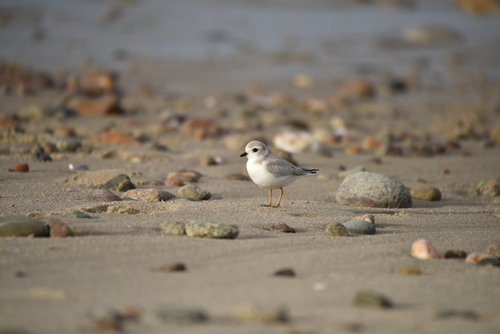
フエコチドリ (Charadrius melodus) フエコチドリ
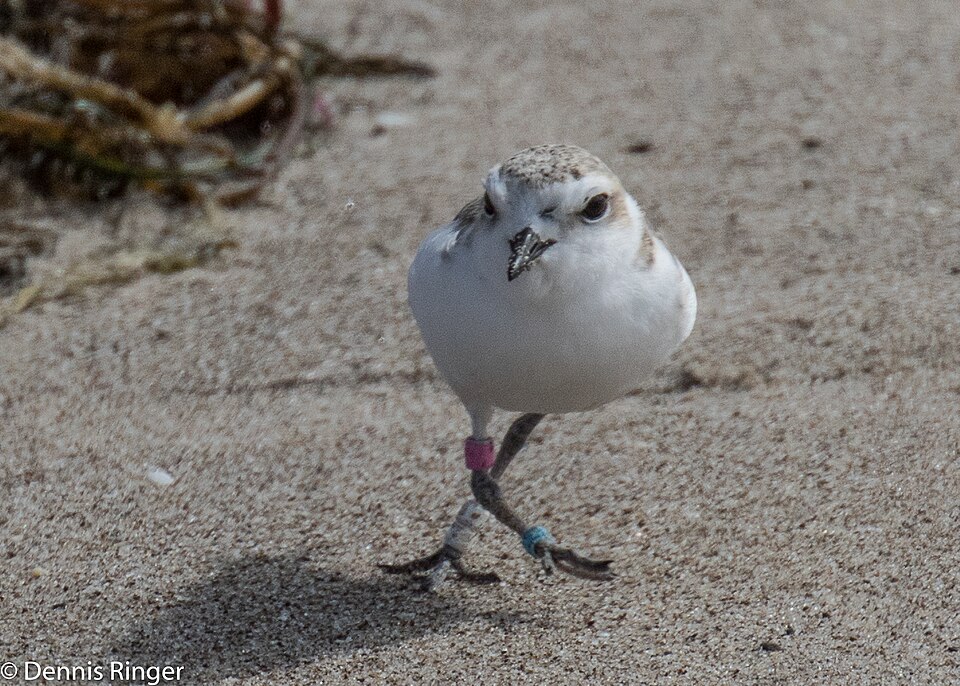
ユキチドリ (Anarhynchus nivosus) ユキチドリ

メディア

読み込み中…

要点

フエコチドリとユキチドリを区別するための最も信頼できるフィールドマークは、繁殖期の成鳥における頭部と胸部の黒のパターンです:フエコチドリは大胆な黒の額帯と完全またはほぼ完全な黒の胸帯(特にオスで)を示しますが、ユキチドリは目の後ろと首の側面にのみ黒い斑点があり、決して完全な胸帯を形成しません。脚の色も重要です:フエコチドリは明るい黄色オレンジの脚を持ち、ユキチドリの脚は灰色から黒です。くちばしの色と形も異なります—フエコチドリは短くて太いオレンジのくちばしを持ち、先端は黒です;ユキチドリのくちばしは全体が黒く、細長いです。両種は小さく、淡い海岸性の鳥ですが、これらの詳細に注意を払うことで混乱を防ぐことができます。特に繁殖期以外では、マーキングが鈍くなります。

識別のコツ

  1. Breast Band (Breeding Adult): フエコチドリのオスは大胆で完全またはほぼ完全な黒の胸帯を示し、メスは薄く、しばしば不完全な帯を持っています。ユキチドリは決して完全な胸帯を持たず、首の側面に孤立した黒い斑点のみがあります。これは繁殖期における最も診断的なマークです。
  2. Forehead Band: フエコチドリは繁殖羽衣で額に黒い帯(目から目へ)を持っていますが、ユキチドリはこれを欠き、代わりに目の後ろに黒い斑点を示します。
  3. Leg Color: フエコチドリはすべての羽衣と年齢で明るい黄色オレンジの脚を持ち、ユキチドリの脚は常に灰色から黒です。これは年間を通じて信頼できます。
  4. Bill Color and Shape: フエコチドリは短くて太いオレンジのくちばしを持ち、先端は黒(特に繁殖期に、冬は鈍くなる);ユキチドリは細長い全黒のくちばしを持っています。くちばしの色は特に近くで見ると強力な区別要因です。
  5. Overall Structure: フエコチドリはよりがっしりとした印象で、大きく丸い頭と短くて太い首を持っています;ユキチドリはより繊細で、短く細いくちばしと体に対して長い脚を持っています。
  6. Nonbreeding/Immature Plumage: 両種は非常に地味になりますが、フエコチドリは黄色オレンジの脚と短いオレンジ基のくちばしを保持し、ユキチドリは灰色黒の脚と全黒のくちばしを保持します。胸部と頭部のマーキングは両方で淡いか欠如しているため、脚とくちばしの色に頼ってください。
  7. Juvenile Plumage: 特徴的な上翼や飛行パターンの違いは記載されていません;構造と裸の部分に焦点を当ててください。
  8. Flight Views: 両種は強い翼のパターンを示さず、飛行中の区別は全体の形状と脚/くちばしの色に依存します。
  9. Habitat Preferences: 塩分を含む内陸湖や塩原で見つかる場合、ユキチドリの可能性が高いです;フエコチドリはより厳密に沿岸部または広い砂浜のある大きな内陸河川/湖に生息します。
  10. Sex Differences: フエコチドリのみが胸部と額帯の厚さにおいて明確な性差を示します(オスはより大胆);ユキチドリの性別は似ています。
  11. Voice: ユキチドリは「ツーウィート」と呼ぶが、フエコチドリの呼び声はここでは記載されていません;両者に慣れていない限り、声に頼らないでください。
  12. Size: フエコチドリはわずかに重くてがっしりしていますが、サイズの重なりは大きいです;サイズだけで判断しないでください。
  13. Context: オレンジの脚とオレンジ基のくちばしを持つチドリを見た場合、それはフエコチドリです;脚とくちばしが両方とも黒い場合、それはユキチドリです。
  14. Common Pitfall: 鈍い光や距離で、両者は非常に淡く似て見えることがあります;まず脚とくちばしの色を確認し、その後繁殖羽衣の場合は胸/額のパターンを探してください。
  15. When Marks Fail: wornまたは幼鳥の羽衣、または遠くからでは、裸の部分の近くの視点なしでは区別が不可能な場合があります。そのような場合は、環境と範囲を補助的な手がかりとして考慮してください。

大きさ

両種は小さなチドリですが、フエコチドリはユキチドリよりわずかに重い(平均55g)です。彼らの長さは重なり(フエコ:15–19 cm、ユキ:15–17 cm)で、翼幅も似ています(フエコ:35–41 cm、ユキ:34–43.2 cm)。フィールドでは、サイズだけでは信頼できる区別要因ではありませんが、フエコチドリは少しがっしりしていてコンパクトに見えるかもしれませんが、ユキチドリは全体的にわずかに繊細で細長いです。

羽色

すべての年齢において、頭部と胸部のパターンに焦点を当ててください。繁殖期の成鳥フエコチドリは額に大胆な黒の帯と黒の首輪(オスでは完全またはほぼ完全、メスでは淡い)を持っています;非繁殖羽衣では、これらの帯は大幅に減少しますが、依然としてしばしば見えます。ユキチドリは完全な胸帯を示さず、代わりに目の後ろと首の側面に黒い斑点を持ち、胸部を横断してつながることはありません。両者は上面が淡い砂色で、下面が白ですが、フエコチドリはわずかに灰色がかっているか鈍く見える傾向があり、ユキチドリはより淡く、よりバフィーです。脚の色はすべての年齢で診断的です:フエコチドリは黄色オレンジの脚を持ち、ユキチドリは灰色から黒の脚を持っています。くちばしの色も異なります:フエコチドリのくちばしはオレンジで先端が黒(繁殖期)、冬は鈍くなる;ユキチドリのくちばしは常に全黒でより細長いです。両種の幼鳥と非繁殖の鳥は地味ですが、脚とくちばしの色の違いは持続し、重要です。

行動

両種は開放的な砂浜や平地で活発に餌を探し、走ったり止まったりして獲物をついばみます。フエコチドリはしばしばより頑丈に見え、より意図的な歩き方をすることがありますが、ユキチドリはより優雅で浮遊感があるように見えることがあります。両種は植生がほとんどない開放的な場所に巣を作りますが、ユキチドリは塩分を含む内陸の生息地に対してやや寛容である可能性があります。飛行中、両種は強い翼のパターンを示さず、区別は構造と下翼の色に依存しますが、これらのメモでは特に特徴的ではありません。

生息環境

両種は開放的な砂や砂利のビーチを利用し、しばしば水の近くにいます。フエコチドリはより厳密に沿岸部または広い砂州のある大きな内陸湖/河川に生息し、ユキチドリは特に内陸の塩原やソーダ湖にも出没します。一部の沿岸ビーチでは重なりが見られますが、ユキチドリは沿岸から離れた乾燥した塩分の多い環境で見つかる可能性が高いです。生息地だけでは重なりがある場所では診断的ではありませんが、一部の地域では示唆的である可能性があります。

声

ユキチドリの典型的な呼び声は繰り返される「ツーウィート」です。これらのメモではフエコチドリの特徴的な呼び声は記載されていないため、提供された情報に基づいて音声は信頼できる区別要因ではありません。

より良い説明を送る

比較と同じ項目を使ってください。文章はすぐに公開されます。

The most reliable field mark for separating Piping Plover from Snowy Plover is the pattern of black on the head and breast in breeding adults: Piping Plover shows a bold black forehead band and a complete or nearly complete black breast band (especially in males), while Snowy Plover has only black patches behind the eye and on the sides of the neck, never forming a full breast band. Leg color is also key: Piping Plover has bright yellow-orange legs, whereas Snowy Plover's legs are gray to black. Bill color and shape differ—Piping Plover has a short, thick, orange bill with a black tip; Snowy Plover's bill is all black and slender. Both are small, pale shorebirds of open sandy habitats, but careful attention to these details will prevent confusion, especially outside the breeding season when markings are duller.

  1. Breast Band (Breeding Adult): Piping Plover males show a bold, complete or nearly complete black breast band; females have a thinner, often incomplete band. Snowy Plover never has a full breast band—only isolated black patches on the sides of the neck. This is the single most diagnostic mark in breeding season.
  2. Forehead Band: Piping Plover has a black band across the forehead (eye to eye) in breeding plumage; Snowy Plover lacks this, instead showing a black patch behind the eye.
  3. Leg Color: Piping Plover has bright yellow-orange legs in all plumages and ages; Snowy Plover's legs are always gray to black. This is reliable at all times of year.
  4. Bill Color and Shape: Piping Plover has a short, thick, orange bill with a black tip (especially in breeding season, duller in winter); Snowy Plover has a slender, all-black bill. Bill color is a strong separator, especially in close views.
  5. Overall Structure: Piping Plover appears stockier, with a large, rounded head and short, thick neck; Snowy Plover is more delicate, with a shorter, slender bill and longer legs in proportion to body.
  6. Nonbreeding/Immature Plumage: Both species become much plainer, but Piping Plover retains yellow-orange legs and a stubbier, orange-based bill, while Snowy Plover keeps gray-black legs and an all-black bill. Breast and head markings are faint or absent in both, so rely on leg and bill color.
  7. Juvenile Plumage: No distinctive upperwing or flight pattern differences are described; focus on structure and bare parts.
  8. Flight Views: Neither species shows strong wing patterning; separation in flight relies on overall shape and leg/bill color if visible.
  9. Habitat Preferences: If found on a saline inland lake or salt flat, Snowy Plover is more likely; Piping Plover is more strictly coastal or on large inland rivers/lakes with sandy beaches.
  10. Sex Differences: Only Piping Plover shows clear sexual dimorphism in the thickness of the breast and forehead bands (males bolder); Snowy Plover sexes are similar.
  11. Voice: Snowy Plover gives a 'tu-wheet' call, but Piping Plover's call is not described here; do not rely on voice for separation unless familiar with both.
  12. Size: Piping Plover is slightly heavier and stockier, but size overlap is great; do not use size alone.
  13. Context: If you see a plover with orange legs and an orange-based bill, it's a Piping Plover; if legs and bill are both black, it's a Snowy Plover.
  14. Common Pitfall: In dull light or at distance, both can appear very pale and similar; always check leg and bill color first, then look for breast/forehead pattern if in breeding plumage.
  15. When Marks Fail: In worn or juvenile plumage, or at great distance, separation may be impossible without close views of bare parts. In such cases, consider habitat and range as supporting clues.

Both species are small plovers, but Piping Plover is slightly heavier (average 55 g) than Snowy Plover (40–43 g). Their lengths overlap (Piping: 15–19 cm, Snowy: 15–17 cm), and wingspans are similar (Piping: 35–41 cm, Snowy: 34–43.2 cm). In the field, size alone is not a reliable separator, but Piping Plover may appear a bit stockier and more compact, while Snowy Plover is slightly more delicate and slender overall.

For all ages, focus on the head and breast pattern. Breeding adult Piping Plovers have a bold black band across the forehead and a black neck ring (complete or nearly so in males, fainter in females); in nonbreeding plumage, these bands are much reduced but still often visible. Snowy Plovers never show a full breast band—instead, they have black patches behind the eye and on the sides of the neck, which do not connect across the breast. Both are pale sandy above and white below, but Piping Plover tends to look slightly grayer or duller, while Snowy Plover is paler and more buffy. Leg color is diagnostic at all ages: Piping Plover has yellow-orange legs, Snowy Plover has gray to black legs. Bill color also differs: Piping Plover's bill is orange with a black tip (breeding), duller in winter; Snowy Plover's bill is always all black and more slender. Juvenile and nonbreeding birds of both species are plainer, but the leg and bill color differences persist and are key.

Both species forage actively on open sandy beaches or flats, running and pausing to pick at prey. Piping Plover often appears more robust and may move with a more deliberate gait, while Snowy Plover can seem daintier and more buoyant. Both species nest in open areas with little or no vegetation, but Snowy Plover may be slightly more tolerant of saline or inland habitats. In flight, neither species shows strong wing patterning, so separation relies on structure and underwing color, which are not distinctive in these notes.

Both species use open, sandy or gravelly beaches, often near water. Piping Plover is more strictly coastal or on large inland lakes/rivers with broad sandbars, while Snowy Plover also frequents salt flats and soda lakes, especially inland. Overlap occurs on some coastal beaches, but Snowy Plover is more likely found in arid, saline environments away from the coast. Habitat alone is not diagnostic where ranges overlap, but can be suggestive in some regions.

Snowy Plover's typical call is a repeated 'tu-wheet.' No distinctive call is described for Piping Plover in these notes, so vocalizations are not a reliable separator based on the provided information.

変更を破棄しますか?

保存していない編集があります。今離れると失われます。

フエコチドリ · ユキチドリ · 苦手な鳥