

Piping Plover vs Snowy Plover
Charadrius melodus contro Anarhynchus nivosus
Fai un quiz con Piping Plover e Snowy Plover
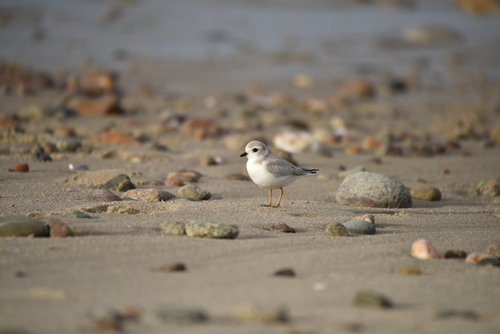 Piping Plover
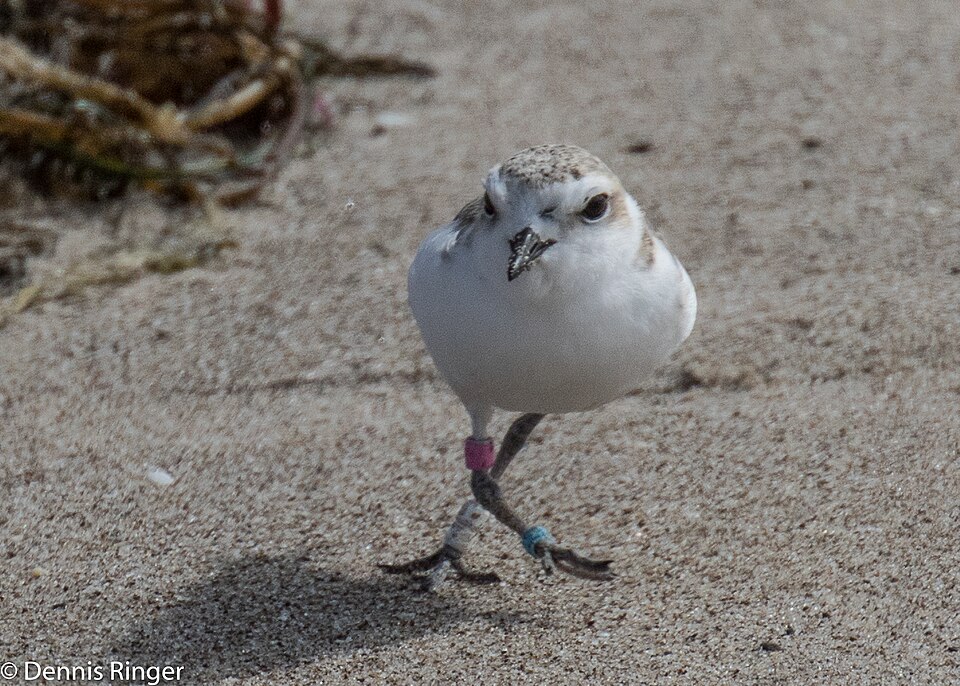 Snowy Plover
In breve
Il segno di campo più affidabile per separare il Piping Plover dallo Snowy Plover è il motivo di nero sulla testa e sul petto negli adulti in riproduzione: il Piping Plover mostra una bold band nera sulla fronte e una band nera completa o quasi completa sul petto (soprattutto nei maschi), mentre lo Snowy Plover ha solo macchie nere dietro l'occhio e sui lati del collo, senza mai formare una band completa sul petto. Anche il colore delle gambe è fondamentale: il Piping Plover ha gambe giallo-arancio brillanti, mentre le gambe dello Snowy Plover sono grigie o nere. Il colore e la forma del becco differiscono: il Piping Plover ha un becco corto, spesso e arancione con una punta nera; il becco dello Snowy Plover è completamente nero e slanciato. Entrambi sono piccoli uccelli costieri pallidi di habitat sabbiosi aperti, ma prestare attenzione a questi dettagli eviterà confusione, soprattutto al di fuori della stagione di riproduzione quando i segni sono più opachi.
Consigli di identificazione
- Breast Band (Breeding Adult): I maschi del Piping Plover mostrano una bold band nera completa o quasi completa sul petto; le femmine hanno una band più sottile, spesso incompleta. Lo Snowy Plover non ha mai una band completa sul petto: solo macchie nere isolate sui lati del collo. Questo è il segno diagnostico più importante nella stagione di riproduzione.
- Forehead Band: Il Piping Plover ha una band nera sulla fronte (occhio a occhio) in abito nuziale; lo Snowy Plover non ha questo, mostrando invece una macchia nera dietro l'occhio.
- Leg Color: Il Piping Plover ha gambe giallo-arancio brillanti in tutti gli abiti e le età; le gambe dello Snowy Plover sono sempre grigie o nere. Questo è affidabile in tutte le stagioni dell'anno.
- Bill Color and Shape: Il Piping Plover ha un becco corto, spesso e arancione con una punta nera (soprattutto in stagione di riproduzione, più opaco in inverno); lo Snowy Plover ha un becco slanciato e completamente nero. Il colore del becco è un forte separatore, soprattutto in visioni ravvicinate.
- Overall Structure: Il Piping Plover appare più robusto, con una testa grande e arrotondata e un collo corto e spesso; lo Snowy Plover è più delicato, con un becco più corto e slanciato e gambe più lunghe in proporzione al corpo.
- Nonbreeding/Immature Plumage: Entrambe le specie diventano molto più semplici, ma il Piping Plover mantiene gambe giallo-arancio e un becco più tozzo e arancione, mentre lo Snowy Plover mantiene gambe grigio-nere e un becco completamente nero. I segni sul petto e sulla testa sono deboli o assenti in entrambi, quindi fai affidamento sul colore delle gambe e del becco.
- Juvenile Plumage: Non sono descritte differenze distintive nel pattern delle ali superiori o nel volo; concentrati sulla struttura e sulle parti nude.
- Flight Views: Nessuna delle due specie mostra un forte pattern delle ali; la separazione in volo si basa sulla forma generale e sul colore delle gambe/becco se visibile.
- Habitat Preferences: Se trovato in un lago salino interno o in una pianura salina, è più probabile che sia uno Snowy Plover; il Piping Plover è più strettamente costiero o su grandi fiumi/lago interni con spiagge sabbiose.
- Sex Differences: Solo il Piping Plover mostra un chiaro dimorfismo sessuale nello spessore delle band sul petto e sulla fronte (maschi più audaci); i sessi dello Snowy Plover sono simili.
- Voice: Lo Snowy Plover emette un richiamo 'tu-wheet', ma il richiamo del Piping Plover non è descritto qui; non fare affidamento sulla voce per la separazione a meno che non si sia familiari con entrambi.
- Size: Il Piping Plover è leggermente più pesante e robusto, ma la sovrapposizione delle dimensioni è grande; non usare solo la dimensione.
- Context: Se vedi un plover con gambe arancioni e un becco arancione, è un Piping Plover; se le gambe e il becco sono entrambi neri, è uno Snowy Plover.
- Common Pitfall: In luce fioca o a distanza, entrambi possono apparire molto pallidi e simili; controlla sempre prima il colore delle gambe e del becco, poi cerca il pattern sul petto/sulla fronte se in abito nuziale.
- When Marks Fail: In abito usurato o giovanile, o a grande distanza, la separazione può essere impossibile senza visioni ravvicinate delle parti nude. In tali casi, considera l'habitat e l'area come indizi di supporto.
Taglia
Entrambe le specie sono piccoli plover, ma il Piping Plover è leggermente più pesante (media 55 g) rispetto allo Snowy Plover (40–43 g). Le loro lunghezze si sovrappongono (Piping: 15–19 cm, Snowy: 15–17 cm), e le aperture alari sono simili (Piping: 35–41 cm, Snowy: 34–43.2 cm). Sul campo, la dimensione da sola non è un separatore affidabile, ma il Piping Plover può apparire un po' più robusto e compatto, mentre lo Snowy Plover è leggermente più delicato e slanciato nel complesso.
Piumaggio
Per tutte le età, concentrati sul motivo della testa e del petto. I Piping Plovers adulti in riproduzione hanno una bold band nera sulla fronte e un anello nero sul collo (completo o quasi completo nei maschi, più debole nelle femmine); in abito non riproduttivo, queste band sono molto ridotte ma spesso ancora visibili. Gli Snowy Plovers non mostrano mai una band completa sul petto: invece, hanno macchie nere dietro l'occhio e sui lati del collo, che non si collegano attraverso il petto. Entrambi sono pallidi sabbiosi sopra e bianchi sotto, ma il Piping Plover tende a sembrare leggermente più grigio o opaco, mentre lo Snowy Plover è più pallido e più buffo. Il colore delle gambe è diagnostico in tutte le età: il Piping Plover ha gambe giallo-arancio, lo Snowy Plover ha gambe grigie o nere. Anche il colore del becco differisce: il becco del Piping Plover è arancione con una punta nera (in riproduzione), più opaco in inverno; il becco dello Snowy Plover è sempre completamente nero e più slanciato. Gli uccelli giovanili e non in riproduzione di entrambe le specie sono più semplici, ma le differenze nel colore delle gambe e del becco persistono e sono fondamentali.
Comportamento
Entrambe le specie foraggiano attivamente su spiagge o pianure sabbiose aperte, correndo e fermandosi per beccare prede. Il Piping Plover appare spesso più robusto e può muoversi con un passo più deliberato, mentre lo Snowy Plover può sembrare più delicato e più galleggiante. Entrambe le specie nidificano in aree aperte con poca o nessuna vegetazione, ma lo Snowy Plover può essere leggermente più tollerante verso habitat salini o interni. In volo, nessuna delle due specie mostra un forte pattern delle ali, quindi la separazione si basa sulla struttura e sul colore delle ali inferiori, che non sono distintivi in queste note.
Habitat
Entrambe le specie utilizzano spiagge aperte, sabbiose o ghiaiose, spesso vicino all'acqua. Il Piping Plover è più strettamente costiero o su grandi laghi/rivers interni con ampie barre di sabbia, mentre lo Snowy Plover frequenta anche pianure salate e laghi di soda, soprattutto all'interno. Si verifica sovrapposizione su alcune spiagge costiere, ma lo Snowy Plover è più probabile che si trovi in ambienti aridi e salini lontano dalla costa. L'habitat da solo non è diagnostico dove le aree si sovrappongono, ma può essere indicativo in alcune regioni.
Voce
Il richiamo tipico dello Snowy Plover è un ripetuto 'tu-wheet.' Non è descritto alcun richiamo distintivo per il Piping Plover in queste note, quindi le vocalizzazioni non sono un separatore affidabile basato sulle informazioni fornite.