

Motmot

ゴマダラタイランチョウ 対 セグロコマダラタイランチョウ

Fluvicola pica 対 Fluvicola albiventer

ゴマダラタイランチョウとセグロコマダラタイランチョウのクイズ
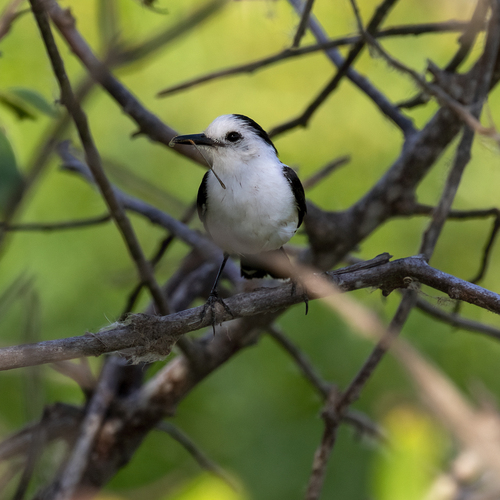
ゴマダラタイランチョウ (Fluvicola pica) ゴマダラタイランチョウ
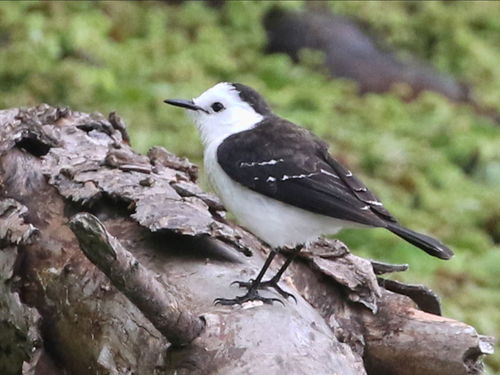
セグロコマダラタイランチョウ (Fluvicola albiventer) セグロコマダラタイランチョウ

メディア

読み込み中…

要点

セグロコマダラタイランチョウとゴマダラタイランチョウを区別する最も信頼できるフィールドマークは、背中と翼の模様です:ゴマダラタイランチョウ(特に雌と幼鳥)は、まだらの黒と白または茶色がかった背中を示しますが、セグロコマダラタイランチョウは常にしっかりとした黒い背中を持ち、鮮明な白い尾羽帯と2本の細い白い翼帯があります。飛んでいる時や休んでいる時には、翼帯と背中の黒の広がりを探してください。幼鳥のゴマダラタイランチョウは、成鳥が黒い部分が茶色ですが、セグロコマダラタイランチョウのしっかりとした黒い背中と明確な翼帯はまだ欠けています。両種は水辺の活発な白腹の捕虫鳥ですが、上面の模様と尾や翼のマーキングの微妙な違いが重要です。サイズは似ていますが、セグロコマダラタイランチョウはやや大きくてがっしりしています。

識別のコツ

  1. Back pattern is key: セグロコマダラタイランチョウは常にしっかりとした黒い背中を持ち、鮮明で細い白い尾羽帯を示します;ゴマダラタイランチョウは、明確な尾羽帯のないまだらの黒と白(または雌/幼鳥では茶色がかった)背中を持っています。これは、どの年齢でも最も早く区別できるポイントです。
  2. Wingbars vs plain wings: セグロコマダラタイランチョウは、その他の黒い翼に2本の細くて明確な白い翼帯があります;ゴマダラタイランチョウは、テリシャルの小さな白い先端だけを持つ平坦な黒い翼で、翼帯はありません。これは、飛んでいる時や翼を折りたたんで止まっている時に特に目立ちます。
  3. Juvenile/female confusion: 幼鳥と雌のゴマダラタイランチョウは、後頭部、うなじ、背中が茶色がかっており、黒ではありません。セグロコマダラタイランチョウは、すべての年齢/性別で常に上面がしっかりとした黒です(白い尾羽帯を除く)。茶色のトーンが見えたら、それはゴマダラタイランチョウです。
  4. Tail pattern: 両種は黒い尾を持ち、いくつかの白がありますが、セグロコマダラタイランチョウは変動する白い先端と縁を示し、ゴマダラタイランチョウは小さな白い先端のみを持っています。尾の模様は微妙で、補助的な証拠として使用するのが最適です。
  5. Rump band: セグロコマダラタイランチョウだけが、尾羽に沿った細く鮮明な白い帯を示します;ゴマダラタイランチョウはこの特徴を完全に欠いています。
  6. Size and shape: セグロコマダラタイランチョウはやや大きくて頑丈ですが、これは小さな違いであり、直接比較しない限り信頼できません。
  7. Sexual dimorphism: ゴマダラタイランチョウは、雌が上面で茶色がかっているため、いくつかの性的二形性を示しますが、セグロコマダラタイランチョウは両性で同じです。ペアを見て、両方が上面で同じように黒い場合、それはセグロコマダラタイランチョウです。
  8. Jizz and behavior: 両種は活発で尾を振ることが多いですが、これは信頼できる区別ではありません。両方とも採餌中に尾を扇ぐことや持ち上げることがあります。
  9. Bill and legs: 両方とも黒く鋭く曲がったくちばしと黒い脚/足を持っており、これらの特徴は彼らを区別しません。
  10. Underparts: 両方とも下側は完全に白いです;下側を区別に使用しないでください。
  11. Iris color: 両方とも暗い虹彩を持っています;区別にはなりません。
  12. Habitat and range: 重複ゾーンの外にいる場合(ゴマダラタイランチョウは南アメリカ北部、セグロコマダラタイランチョウは南部)、範囲が役立つことがあります。ブラジルとペルーでは、両方が一緒に発生する可能性があるため、範囲だけに頼らないでください。
  13. Perched vs flight views: 飛んでいる時、セグロコマダラタイランチョウの白い翼帯と尾羽帯は特に明らかです;ゴマダラタイランチョウは、上面がより平坦に見え、小さな白いテリシャルの先端だけで、尾羽帯はありません。
  14. Season: どちらの種にも主要な季節的羽毛の違いは記載されていません;ゴマダラタイランチョウの年齢と性別の違いに焦点を当ててください。
  15. Voice: ソースには診断的な声の違いは提供されていません;声に頼って区別しないでください。

大きさ

ゴマダラタイランチョウはやや小さく、12.5–13.5 cm、11–16 gで、セグロコマダラタイランチョウは13–14 cmで、やや重い可能性があります(正確な質量は記載されていませんが、中型と小型の比較で説明されています)。フィールドでは、この違いは微妙で、通常は両方が並んでいない限り診断的ではありませんが、セグロコマダラタイランチョウは全体的にやや頑丈に見えるかもしれません。

羽色

ゴマダラタイランチョウの幼鳥と雌は重要な落とし穴です:彼らは後頭部、うなじ、背中に茶色がかったまたはまだらの黒と白を示し、セグロコマダラタイランチョウのしっかりとした黒を欠いています。成鳥のゴマダラタイランチョウのオスは、主に白で、黒い後頭部/うなじ、まだらの黒と白の背中、小さな白いテリシャルの先端を持つ黒い翼、そして小さな白い先端を持つ黒い尾を持っています。すべての年齢と性別のセグロコマダラタイランチョウ(性的二形性なし)は、しっかりとした黒い後頭部、うなじ、背中、尾羽に沿った薄い白い帯、2本の細い白い翼帯を持つ黒い翼、変動する白い先端と縁を持つ黒い尾を持っています。両方とも白い下側、暗い目、黒いくちばしと脚を持っています。飛んでいる時、セグロコマダラタイランチョウの白い翼帯と尾羽帯は特徴的ですが、ゴマダラタイランチョウは、平坦な黒い翼に小さな白いテリシャルの先端だけを示し、翼帯はありません。幼鳥のゴマダラタイランチョウは、成鳥が黒い部分が茶色ですが、セグロコマダラタイランチョウの鮮明な翼帯と白い尾羽をまだ欠いています。

行動

両種は活発で、水辺で採餌中によく尾を振ったり扇いだりします。ゴマダラタイランチョウは「活発で元気」と表現され、頻繁に尾を上下に振り、時には広げることもあります。セグロコマダラタイランチョウも採餌中に尾を持ち上げたり扇いだりし、オスは空中で求愛行動を行います。行動は似ているため、強い区別にはなりません。

生息環境

両種は水辺—池、湿地、川岸—に生息していますが、彼らの範囲はブラジルとペルーの一部でのみ重なります。ゴマダラタイランチョウはより北に(ブラジル、コロンビア、ベネズエラ、トリニダードなど)、セグロコマダラタイランチョウはより南に(アルゼンチン、ボリビア、パラグアイ、ウルグアイ、ブラジル、ペルー)分布しています。重複ゾーンの外にいる場合、範囲が役立つことがありますが、ブラジルとペルーでは両方が発生する可能性があります。両種は地面や浮遊/出現する植物の上で採餌します。

より良い説明を送る

比較と同じ項目を使ってください。文章はすぐに公開されます。

The most reliable field mark to separate Pied Water-Tyrant from Black-backed Water-Tyrant is the pattern on the back and wings: Pied Water-Tyrant (especially females and juveniles) shows a mottled black-and-white or brownish back, while Black-backed Water-Tyrant always has a solid black back with a crisp white rump band and two thin white wingbars. In flight or at rest, look for the wingbars and the extent of black on the back. Juvenile Pied Water-Tyrants are browner where adults are black, but still lack the solid black back and clear wingbars of Black-backed. Both species are active, white-bellied flycatchers near water, but their upperpart patterns and subtle differences in tail and wing markings are key. Size is similar, but Black-backed is slightly larger and bulkier.

  1. Back pattern is key: Black-backed Water-Tyrant always shows a solid black back with a crisp, thin white rump band; Pied Water-Tyrant has a mottled black-and-white (or brownish in females/juveniles) back with no clear rump band. This is the fastest separator at any age.
  2. Wingbars vs plain wings: Black-backed has two thin, clear white wingbars on otherwise black wings; Pied has plain black wings with only small white tips on the tertials—never wingbars. This is especially visible in flight or when perched with wings folded.
  3. Juvenile/female confusion: Juvenile and female Pied Water-Tyrants are brownish on the hindcrown, nape, and back, not black. Black-backed of all ages/sexes is always solid black above (except for the white rump band). If you see brown tones, it's Pied.
  4. Tail pattern: Both have black tails with some white, but Black-backed shows variable white tips and edges, while Pied has only small white tips. The tail pattern is subtle and best used as supporting evidence.
  5. Rump band: Only Black-backed shows a thin, crisp white band across the rump; Pied lacks this feature entirely.
  6. Size and shape: Black-backed is slightly larger and more robust, but this is a minor difference and not reliable unless directly compared.
  7. Sexual dimorphism: Pied shows some sexual dimorphism (females browner above), while Black-backed is identical in both sexes. If you see a pair and both are equally black above, it's Black-backed.
  8. Jizz and behavior: Both are active and flick their tails, but this is not a reliable separator. Both may fan or cock the tail while foraging.
  9. Bill and legs: Both have black, sharply hooked bills and black legs/feet—these features do not separate them.
  10. Underparts: Both are entirely white below; do not use underparts for separation.
  11. Iris color: Both have dark irises; not a separator.
  12. Habitat and range: If outside the overlap zone (northern South America for Pied, southern for Black-backed), range can help. In Brazil and Peru, both may occur together, so do not rely on range alone.
  13. Perched vs flight views: In flight, Black-backed's white wingbars and rump band are especially obvious; Pied appears plainer above with only small white tertial tips and no rump band.
  14. Season: No major seasonal plumage differences are described for either species; focus on age and sex differences in Pied.
  15. Voice: No diagnostic vocal differences are provided in the sources; do not rely on voice for separation.

Pied Water-Tyrant is slightly smaller, at 12.5–13.5 cm and 11–16 g, while Black-backed Water-Tyrant is 13–14 cm and likely a bit heavier (precise mass not given, but described as medium-sized vs small). In the field, this difference is subtle and not usually diagnostic unless both are side by side, but Black-backed may look a bit more robust overall.

Juveniles and females of Pied Water-Tyrant are key pitfalls: they show brownish or mottled black-and-white on the hindcrown, nape, and back, lacking the solid black of Black-backed. Adult Pied males are mostly white with a black hindcrown/nape, mottled black-and-white back, black wings with small white tertial tips, and a black tail with small white tips. Black-backed Water-Tyrant of all ages and sexes (no sexual dimorphism) has a solid black hindcrown, nape, and back, a thin white band across the rump, black wings with two thin white wingbars, and a black tail with variable white tips and edges. Both have white underparts, dark eyes, and black bills and legs. In flight, Black-backed's white wingbars and rump band are distinctive, while Pied shows plainer black wings with only small white tertial tips and no wingbars. Juvenile Pieds are browner where adults are black, but still lack the crisp wingbars and white rump of Black-backed.

Both species are active and often flick or fan their tails while foraging near water. Pied Water-Tyrant is described as 'active and perky,' frequently flicking its tail up and down and sometimes spreading it. Black-backed Water-Tyrant also cocks and fans its tail while foraging, and males perform aerial courtship displays. Behavior is similar enough that it is not a strong separator.

Both species are found near water—ponds, marshes, and riversides—but their ranges overlap only in parts of Brazil and Peru. Pied Water-Tyrant is more northern (Brazil, Colombia, Venezuela, Trinidad, etc.), while Black-backed is more southern (Argentina, Bolivia, Paraguay, Uruguay, Brazil, Peru). If you are outside the overlap zone, range can help, but in Brazil and Peru both may occur. Both species forage on or near the ground and on floating/emergent vegetation.

変更を破棄しますか?

保存していない編集があります。今離れると失われます。

ゴマダラタイランチョウ · セグロコマダラタイランチョウ · 苦手な鳥