

Pied Water-Tyrant vs Black-backed Water-Tyrant
Fluvicola pica contro Fluvicola albiventer
Fai un quiz con Pied Water-Tyrant e Black-backed Water-Tyrant
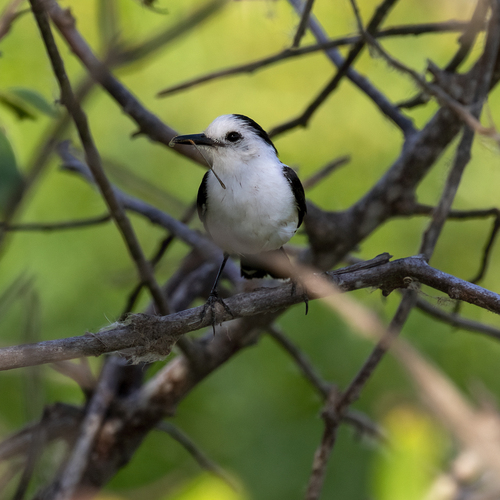 Pied Water-Tyrant
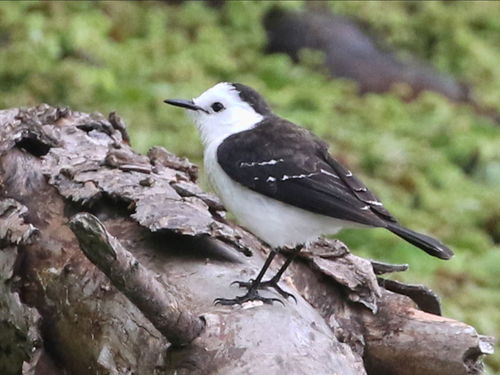 Black-backed Water-Tyrant
In breve
Il segno distintivo più affidabile per separare il Pied Water-Tyrant dal Black-backed Water-Tyrant è il motivo sulla schiena e sulle ali: il Pied Water-Tyrant (soprattutto le femmine e i giovani) mostra una schiena maculata nera e bianca o marrone, mentre il Black-backed Water-Tyrant ha sempre una schiena nera solida con una banda bianca netta sul posteriore e due sottili bande bianche sulle ali. In volo o a riposo, cerca le bande sulle ali e l'estensione del nero sulla schiena. I giovani Pied Water-Tyrants sono più marroni dove gli adulti sono neri, ma mancano ancora della schiena nera solida e delle chiare bande bianche del Black-backed. Entrambe le specie sono attive, con il ventre bianco, e si trovano vicino all'acqua, ma i loro motivi superiori e le sottili differenze nelle marcature della coda e delle ali sono fondamentali. La dimensione è simile, ma il Black-backed è leggermente più grande e robusto.
Consigli di identificazione
- Il motivo della schiena è fondamentale: Il Black-backed Water-Tyrant mostra sempre una schiena nera solida con una banda bianca netta e sottile sul posteriore; il Pied Water-Tyrant ha una schiena maculata nera e bianca (o marrone nelle femmine/giovani) senza una chiara banda sul posteriore. Questo è il separatore più veloce a qualsiasi età.
- Bande sulle ali vs ali semplici: Il Black-backed ha due sottili bande bianche chiare su ali altrimenti nere; il Pied ha ali nere semplici con solo piccole punte bianche sulle terziali—mai bande. Questo è particolarmente visibile in volo o quando è posato con le ali ripiegate.
- Confusione tra giovani/femmine: I giovani e le femmine di Pied Water-Tyrants sono marroni sulla corona posteriore, sul nape e sulla schiena, non neri. Il Black-backed di tutte le età/sessi è sempre solidamente nero sopra (eccetto per la banda bianca sul posteriore). Se vedi toni marroni, è Pied.
- Motivo della coda: Entrambi hanno code nere con del bianco, ma il Black-backed mostra punte e bordi bianchi variabili, mentre il Pied ha solo piccole punte bianche. Il motivo della coda è sottile e meglio utilizzato come prova di supporto.
- Banda sul posteriore: Solo il Black-backed mostra una sottile banda bianca netta attraverso il posteriore; il Pied manca completamente di questa caratteristica.
- Dimensione e forma: Il Black-backed è leggermente più grande e più robusto, ma questa è una differenza minore e non affidabile a meno che non siano confrontati direttamente.
- Dimorfismo sessuale: Il Pied mostra un certo dimorfismo sessuale (femmine più marroni sopra), mentre il Black-backed è identico in entrambi i sessi. Se vedi una coppia e entrambi sono ugualmente neri sopra, è Black-backed.
- Jizz e comportamento: Entrambi sono attivi e muovono le loro code, ma questo non è un separatore affidabile. Entrambi possono aprire o alzare la coda mentre cercano cibo.
- Becco e zampe: Entrambi hanno becchi neri, affilati e ricurvi e zampe/piedi neri—queste caratteristiche non li separano.
- Parte inferiore: Entrambi sono completamente bianchi sotto; non usare la parte inferiore per la separazione.
- Colore dell'iride: Entrambi hanno iridi scure; non è un separatore.
- Habitat e distribuzione: Se sei al di fuori della zona di sovrapposizione (nord dell'America del Sud per il Pied, sud per il Black-backed), la distribuzione può aiutare. In Brasile e Perù, entrambi possono verificarsi insieme, quindi non fare affidamento solo sulla distribuzione.
- Viste posate vs in volo: In volo, le bande bianche del Black-backed e la banda sul posteriore sono particolarmente evidenti; il Pied appare più semplice sopra con solo piccole punte bianche terziali e senza banda sul posteriore.
- Stagione: Non sono descritte differenze di piumaggio stagionali significative per nessuna delle due specie; concentrati sulle differenze di età e sesso nel Pied.
- Voce: Non sono fornite differenze vocali diagnostiche nelle fonti; non fare affidamento sulla voce per la separazione.
Taglia
Il Pied Water-Tyrant è leggermente più piccolo, con una lunghezza di 12.5–13.5 cm e un peso di 11–16 g, mentre il Black-backed Water-Tyrant misura 13–14 cm e probabilmente è un po' più pesante (massa precisa non fornita, ma descritto come di dimensioni medie rispetto a piccole). Sul campo, questa differenza è sottile e di solito non è diagnostica a meno che entrambi non siano affiancati, ma il Black-backed può apparire un po' più robusto nel complesso.
Piumaggio
I giovani e le femmine di Pied Water-Tyrant sono trappole chiave: mostrano una colorazione marrone o maculata nera e bianca sulla corona posteriore, sul nape e sulla schiena, mancando del nero solido del Black-backed. I maschi adulti di Pied sono per lo più bianchi con una corona posteriore/nape nera, schiena maculata nera e bianca, ali nere con piccole punte bianche terziali e una coda nera con piccole punte bianche. Il Black-backed Water-Tyrant di tutte le età e sessi (senza dimorfismo sessuale) ha una corona posteriore, un nape e una schiena neri solidi, una sottile banda bianca attraverso il posteriore, ali nere con due sottili bande bianche e una coda nera con punte e bordi bianchi variabili. Entrambi hanno parti inferiori bianche, occhi scuri e becchi e zampe neri. In volo, le bande bianche del Black-backed e la banda sul posteriore sono distintive, mentre il Pied mostra ali nere più semplici con solo piccole punte bianche terziali e senza bande. I giovani Pied sono più marroni dove gli adulti sono neri, ma mancano ancora delle chiare bande e del bianco sul posteriore del Black-backed.
Comportamento
Entrambe le specie sono attive e spesso muovono o aprono le loro code mentre cercano cibo vicino all'acqua. Il Pied Water-Tyrant è descritto come 'attivo e vivace', muovendo frequentemente la sua coda su e giù e talvolta aprendola. Il Black-backed Water-Tyrant alza e apre anche la sua coda mentre cerca cibo, e i maschi eseguono display di corteggiamento aereo. Il comportamento è sufficientemente simile da non essere un forte separatore.
Habitat
Entrambe le specie si trovano vicino all'acqua—stagni, paludi e rive dei fiumi—ma le loro distribuzioni si sovrappongono solo in alcune parti del Brasile e del Perù. Il Pied Water-Tyrant è più settentrionale (Brasile, Colombia, Venezuela, Trinidad, ecc.), mentre il Black-backed è più meridionale (Argentina, Bolivia, Paraguay, Uruguay, Brasile, Perù). Se sei al di fuori della zona di sovrapposizione, la distribuzione può aiutare, ma in Brasile e Perù entrambi possono verificarsi. Entrambe le specie cercano cibo a terra o vicino al suolo e su vegetazione galleggiante/emergente.
Pied Water-Tyrant · Black-backed Water-Tyrant · I miei uccelli difficili