

Motmot

マミジロウ 対 オークランドウ

Phalacrocorax varius 対 Leucocarbo colensoi

マミジロウとオークランドウのクイズ
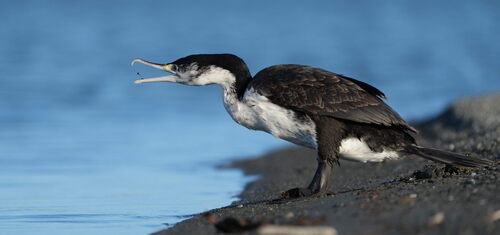
マミジロウ (Phalacrocorax varius) マミジロウ
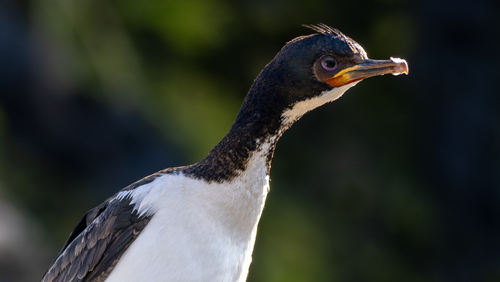
オークランドウ (Leucocarbo colensoi) オークランドウ

メディア

読み込み中…

要点

マミジロウとオークランドウの最も信頼できるフィールドマークは顔の皮膚の色です:マミジロウはくちばしと目の間に明確な小さな黄色の斑点を示しますが、オークランドウはこの特徴を欠いています。両者は大きな黒と白のコウモリですが、マミジロウはオーストラリアとニュージーランドの本土沿岸で広く見られますが、オークランドウは亜南極のオークランド諸島に厳密に固有です。フィールドでは、黄色の顔の斑点を確認し、場所を考慮してください:オークランド諸島で大きなマミジロウを見ることはほぼ確実にオークランドウです。構造的および羽毛の違いは微妙なので、文脈と顔の詳細が重要です。

識別のコツ

  1. Facial skin color: マミジロウは頭の両側でくちばしと目の間に小さく明確な黄色の裸の皮膚の斑点を示します(すべての年齢);オークランドウはこの黄色の斑点を欠き、暗いまたは淡い裸の皮膚のみを示します。これは顔が見える距離で最も信頼できるフィールドマークです。
  2. Location: オークランド諸島にいる場合、大きなマミジロウはオークランドウです。ニュージーランド本土またはオーストラリアでは、マミジロウです。範囲は絶対的で、漂流者が疑われない限りです。
  3. Eye color and ring: マミジロウは緑の目と青いアイリングを持っています;オークランドウの虹彩とアイリングの色はここでは記述されていませんが、黄色の顔の斑点が欠けていることがより重要です。
  4. Bill structure: 両者はコウモリに典型的な大きくフック状のくちばしを持っています;これらのメモには信頼できる違いは記述されていません。
  5. Upperwing and flight pattern: 年齢特有の上翼または飛行パターンの違いは文書化されていません;両者は飛行中に黒い上翼と白い下部を示します。
  6. Plumage pattern: 両者は上が黒く下が白いです;オークランドウは側面や太ももにより広範な白を持つ可能性がありますが、これは微妙で変動的であり、主要な分離要因ではありません。
  7. Leg and foot color: 両者は黒い脚と足を持っています;分離要因ではありません。
  8. Behavior: 両種は魚や甲殻類のために潜水し、潜水後に翼を乾かしているのがよく見られます。行動は信頼できる分離要因ではありません。
  9. Size and structure: マミジロウは大きくて頑丈です(平均質量約1955 g);オークランドウも大きいですが、よりコンパクトで重い体に見えることがありますが、これは強いフィールドマークではありません。
  10. Juvenile/immature birds: 特徴的な幼鳥の翼や体のパターンの違いは記述されていません;すべての年齢に対して顔の皮膚の色と場所を主なマークとして使用してください。
  11. Habitat: マミジロウは広範な沿岸および内陸の湿地生息地に生息しています;オークランドウは亜南極のオークランド諸島と隣接する海域に制限されています。
  12. Flock composition: 重複しない範囲のため混合群れは期待されません;両者が一緒に見られた場合、識別を再考してください。
  13. Voice: メモには音声の違いは記述されていません;コウモリは一般的にコロニーから離れると静かです。
  14. Confusion with other species: マミジロウはムナジロウ(やや小さい)やシロハラコビトウ(はるかに小さい)と混同される可能性があります;オークランドウはその制限された範囲内で他の種と混同される可能性は低いです。
  15. Summary tip: 実際には、常に黄色の顔の斑点を確認し、場所を考慮してください—これらの2つの特徴がほぼすべてのフィールド状況でマミジロウをオークランドウから分けます。

大きさ

マミジロウは平均的な成鳥の質量が約1955 gの頑丈で中型から大型のコウモリです [wikidata]。オークランドウの直接的な質量データは利用できませんが、両種はそれぞれの範囲でより大きなコウモリの中に含まれています。マミジロウは65〜85 cmの高さで、翼幅は110〜130 cmです [wikipedia]。オークランドウはサイズが似ている可能性がありますが、島のコウモリに典型的なややコンパクトで重い体に見えることがあります。実際には、サイズだけでは信頼できる分離要因ではありません、両種が並んで見られない限り。

羽色

これらの2種に関しては、利用可能なメモに年齢特有の翼や飛行パターンの違いは文書化されていません。両者はクラシックなマミジロウのパターンを示します:黒い上部と翼、白い下部。マミジロウの成鳥はくちばしと目の間に目立つ小さな黄色の裸の皮膚の斑点、青いアイリングの緑の目、黒い脚と足を持っています。オークランドウは他のLeucocarboのコウモリと同様に黄色の顔の斑点を欠き、側面や太ももにより広範な白を持つ可能性がありますが、これは変動的で微妙です。幼鳥や未熟な羽毛はこれらのメモで詳細に記述されていないため、若い鳥には注意が必要です。すべての年齢において、最も信頼できるマークとして黄色の顔の斑点(マミジロウにのみ存在)を確認してください。

行動

両種は魚や甲殻類を食べ、大きな水かきのある足を使って水中に潜ります。マミジロウは潜水後に翼を乾かしているのがよく見られ、これはほとんどのコウモリと共有される行動です。マミジロウは特に獲物が表面近くに豊富なときに、単独または群れで狩りをすることがあります。オークランドウは定住しており、オークランド諸島に制限されており、沿岸水域で採餌し、同様の翼を乾かす行動や潜水行動を示します。行動の違いはフィールドでは診断的ではありません。

生息環境

生息地は強力な分離要因です:マミジロウはオーストラリアとニュージーランドの沿岸(タスマニアを除く)に広く分布し、海洋および内陸の湿地生息地の両方で見られます。ニュージーランドでは、主に北島と南島の北部に生息し、最近は南方に範囲を拡大しています。オークランドウはオークランド諸島の群島に厳密に固有で、ニュージーランド本土の南方に遠く、他の場所には生息していません。したがって、オークランド諸島の外で見られる大きなマミジロウはほぼ確実にオークランドウではありません。オークランド諸島内では、オークランドウのみが存在します。

より良い説明を送る

比較と同じ項目を使ってください。文章はすぐに公開されます。

The most reliable field mark between Pied Cormorant and Auckland Islands Shag is the facial skin color: Pied Cormorant shows a distinct small yellow patch between the bill and eye, while Auckland Islands Shag lacks this feature. Both are large, black-and-white cormorants, but Pied Cormorant is found widely on the Australian and New Zealand mainland coasts, whereas Auckland Islands Shag is strictly endemic to the subantarctic Auckland Islands. In the field, check for the yellow facial patch and consider location: seeing a large pied cormorant on the Auckland Islands is almost certainly Auckland Islands Shag. Structural and plumage differences are subtle, so context and facial details are key.

  1. Facial skin color: Pied Cormorant shows a small, distinct yellow patch of bare skin between the bill and eye on each side of the head (all ages); Auckland Islands Shag lacks this yellow patch, showing only dark or pale bare skin. This is the most reliable field mark at any distance where the face is visible.
  2. Location: If you are on the Auckland Islands, any large pied cormorant is Auckland Islands Shag. On mainland New Zealand or Australia, it is Pied Cormorant. Range is absolute unless a vagrant is suspected.
  3. Eye color and ring: Pied Cormorant has green eyes with a blue eye ring; Auckland Islands Shag's iris and eye-ring color are not described here, but lack of the yellow facial patch is more important.
  4. Bill structure: Both have large, hooked bills typical of cormorants; no reliable difference is described in these notes.
  5. Upperwing and flight pattern: No age-specific upperwing or flight pattern differences are documented; both show black upperwings in flight with white underparts.
  6. Plumage pattern: Both are black above and white below; Auckland Islands Shag may have more extensive white on flanks and thighs, but this is subtle and variable, not a primary separator.
  7. Leg and foot color: Both have black legs and feet; not a separator.
  8. Behavior: Both species dive for fish and crustaceans and are often seen drying their wings after diving. Behavior is not a reliable separator.
  9. Size and structure: Pied Cormorant is large and robust (average mass ~1955 g); Auckland Islands Shag is also large but may appear more compact and heavy-bodied, though this is not a strong field mark.
  10. Juvenile/immature birds: No distinctive juvenile wing or body pattern differences are described; use facial skin color and location as primary marks for all ages.
  11. Habitat: Pied Cormorant occurs in a wide range of coastal and inland wetland habitats; Auckland Islands Shag is restricted to the subantarctic Auckland Islands and adjacent marine waters.
  12. Flock composition: Mixed flocks are not expected due to non-overlapping ranges; if you see both together, reconsider identification.
  13. Voice: No vocal differences are described in the notes; cormorants are generally silent away from colonies.
  14. Confusion with other species: Pied Cormorant can be confused with Black-faced Cormorant (slightly smaller) and Little Pied Cormorant (much smaller); Auckland Islands Shag is unlikely to be confused with other species within its restricted range.
  15. Summary tip: In practice, always check for the yellow facial patch and consider your location—these two features will separate Pied Cormorant from Auckland Islands Shag in almost all field situations.

Pied Cormorant is a robust, medium-to-large cormorant with an average adult mass of about 1955 g [wikidata]. No direct mass data is available for Auckland Islands Shag, but both species are among the larger cormorants in their respective ranges. Pied Cormorant stands 65–85 cm tall with a wingspan of 110–130 cm [wikipedia]. Auckland Islands Shag is likely similar in size, but may appear slightly more compact and heavy-bodied, typical of island shags. In practice, size alone is not a reliable separator unless both species are seen side-by-side.

No detailed age-specific wing or flight pattern differences are documented for these two species in the available notes. Both show the classic pied cormorant pattern: black upperparts and wings, white underparts. Pied Cormorant adults have a conspicuous small yellow patch of bare skin between the bill and eye, green eyes with a blue eye ring, and black legs and feet. Auckland Islands Shag, like other Leucocarbo shags, lacks the yellow facial patch and may have more extensive white on the flanks and thighs, but this is variable and subtle. Juvenile and immature plumages are not described in detail for either species in these notes, so caution is needed with young birds. In all ages, check for the yellow facial patch (present only in Pied Cormorant) as the most reliable mark.

Both species feed on fish and crustaceans, diving underwater with the aid of large webbed feet. Pied Cormorant is often seen drying its wings after diving, a behavior shared with most cormorants. Pied Cormorant may hunt singly or in groups, especially when prey is abundant near the surface. Auckland Islands Shag is sedentary and restricted to the Auckland Islands, likely foraging in coastal waters and showing similar wing-drying and diving behaviors. Behavioral differences are not diagnostic in the field.

Habitat is a strong separator: Pied Cormorant is widespread along Australian and New Zealand coasts (except Tasmania), found in both marine and inland wetland habitats. In New Zealand, it occurs mainly on the North Island and northern South Island, with recent range extensions southward. Auckland Islands Shag is strictly endemic to the Auckland Islands archipelago, far south of mainland New Zealand, and does not occur elsewhere. Thus, any large pied cormorant seen outside the Auckland Islands is almost certainly not Auckland Islands Shag. Within the Auckland Islands, only Auckland Islands Shag is present.

変更を破棄しますか?

保存していない編集があります。今離れると失われます。

マミジロウ · オークランドウ · 苦手な鳥