

Pied Cormorant vs Auckland Islands Shag
Phalacrocorax varius contro Leucocarbo colensoi
Fai un quiz con Pied Cormorant e Auckland Islands Shag
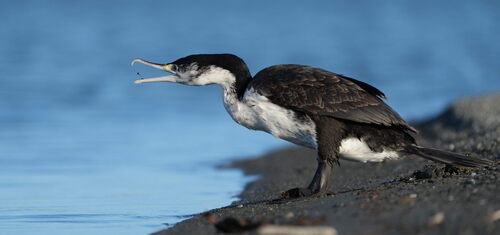 Pied Cormorant
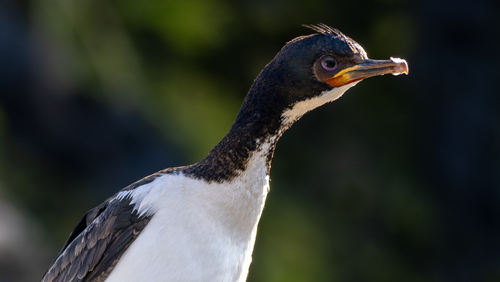 Auckland Islands Shag
In breve
Il segno distintivo più affidabile tra il Pied Cormorant e l'Auckland Islands Shag è il colore della pelle facciale: il Pied Cormorant mostra una piccola macchia gialla distintiva tra il becco e l'occhio, mentre l'Auckland Islands Shag manca di questa caratteristica. Entrambi sono grandi cormorani bianco e nero, ma il Pied Cormorant si trova ampiamente sulle coste del continente australiano e neozelandese, mentre l'Auckland Islands Shag è strettamente endemico alle Isole Auckland subantartiche. Sul campo, controlla la macchia gialla sul viso e considera la posizione: vedere un grande cormorano piede sulle Isole Auckland è quasi certamente un Auckland Islands Shag. Le differenze strutturali e di piumaggio sono sottili, quindi il contesto e i dettagli facciali sono fondamentali.
Consigli di identificazione
- Colore della pelle facciale: il Pied Cormorant mostra una piccola macchia gialla distintiva di pelle nuda tra il becco e l'occhio su ciascun lato della testa (tutte le età); l'Auckland Islands Shag manca di questa macchia gialla, mostrando solo pelle nuda scura o chiara. Questo è il segno distintivo più affidabile a qualsiasi distanza in cui il viso è visibile.
- Posizione: Se sei sulle Isole Auckland, qualsiasi grande cormorano piede è un Auckland Islands Shag. Sul continente neozelandese o australiano, è un Pied Cormorant. L'areale è assoluto a meno che non si sospetti un vagabondo.
- Colore e anello dell'occhio: il Pied Cormorant ha occhi verdi con un anello blu attorno all'occhio; il colore dell'iride e dell'anello dell'occhio dell'Auckland Islands Shag non è descritto qui, ma la mancanza della macchia gialla sul viso è più importante.
- Struttura del becco: Entrambi hanno becchi grandi e ricurvi tipici dei cormorani; non è descritta alcuna differenza affidabile in queste note.
- Ali superiori e modello di volo: Non sono documentate differenze specifiche per età nelle ali superiori o nel modello di volo; entrambi mostrano ali superiori nere in volo con parti inferiori bianche.
- Modello di piumaggio: Entrambi sono neri sopra e bianchi sotto; l'Auckland Islands Shag può avere più bianco esteso su fianchi e cosce, ma questo è sottile e variabile, non un separatore primario.
- Colore delle gambe e dei piedi: Entrambi hanno gambe e piedi neri; non è un separatore.
- Comportamento: Entrambe le specie si tuffano per pesci e crostacei e sono spesso viste asciugare le ali dopo il tuffo. Il comportamento non è un separatore affidabile.
- Dimensioni e struttura: Il Pied Cormorant è grande e robusto (massa media ~1955 g); l'Auckland Islands Shag è anch'esso grande ma può apparire più compatto e massiccio, anche se questo non è un segno distintivo forte.
- Giovani/immaturi: Non sono descritte differenze distintive nel modello delle ali o del corpo dei giovani; utilizza il colore della pelle facciale e la posizione come segni primari per tutte le età.
- Habitat: Il Pied Cormorant si trova in una vasta gamma di habitat costieri e umidi interni; l'Auckland Islands Shag è ristretto alle Isole Auckland subantartiche e alle acque marine adiacenti.
- Composizione del gruppo: Non ci si aspetta gruppi misti a causa di areali non sovrapposti; se vedi entrambi insieme, riconsidera l'identificazione.
- Voce: Non sono descritte differenze vocali nelle note; i cormorani sono generalmente silenziosi lontano dalle colonie.
- Confusione con altre specie: Il Pied Cormorant può essere confuso con il Black-faced Cormorant (leggermente più piccolo) e il Little Pied Cormorant (molto più piccolo); l'Auckland Islands Shag è poco probabile che venga confuso con altre specie all'interno del suo areale ristretto.
- Suggerimento riassuntivo: In pratica, controlla sempre la macchia gialla sul viso e considera la tua posizione: queste due caratteristiche separeranno il Pied Cormorant dall'Auckland Islands Shag in quasi tutte le situazioni sul campo.
Taglia
Il Pied Cormorant è un cormorano robusto, di dimensioni medie-grandi, con una massa media adulta di circa 1955 g [wikidata]. Non sono disponibili dati diretti sulla massa per l'Auckland Islands Shag, ma entrambe le specie sono tra i cormorani più grandi nei rispettivi areali. Il Pied Cormorant raggiunge un'altezza di 65–85 cm con un'apertura alare di 110–130 cm [wikipedia]. L'Auckland Islands Shag è probabilmente simile in dimensioni, ma può apparire leggermente più compatto e massiccio, tipico dei cormorani delle isole. In pratica, la dimensione da sola non è un separatore affidabile a meno che entrambe le specie non siano viste fianco a fianco.
Piumaggio
Non sono documentate differenze specifiche per età nel modello delle ali o nel volo per queste due specie nelle note disponibili. Entrambi mostrano il classico modello del cormorano piede: parti superiori e ali nere, parti inferiori bianche. Gli adulti del Pied Cormorant hanno una piccola macchia gialla di pelle nuda tra il becco e l'occhio, occhi verdi con un anello blu attorno all'occhio e gambe e piedi neri. L'Auckland Islands Shag, come altri cormorani Leucocarbo, manca della macchia gialla sul viso e può avere più bianco esteso su fianchi e cosce, ma questo è variabile e sottile. I piumaggi giovanili e immaturi non sono descritti in dettaglio per nessuna delle due specie in queste note, quindi è necessaria cautela con gli uccelli giovani. In tutte le età, controlla la macchia gialla sul viso (presente solo nel Pied Cormorant) come segno più affidabile.
Comportamento
Entrambe le specie si nutrono di pesci e crostacei, tuffandosi sott'acqua con l'aiuto di grandi piedi palmati. Il Pied Cormorant è spesso visto asciugare le sue ali dopo il tuffo, un comportamento condiviso dalla maggior parte dei cormorani. Il Pied Cormorant può cacciare singolarmente o in gruppi, specialmente quando la preda è abbondante vicino alla superficie. L'Auckland Islands Shag è sedentario e ristretto alle Isole Auckland, probabilmente foraggiando nelle acque costiere e mostrando comportamenti simili di asciugatura delle ali e tuffo. Le differenze comportamentali non sono diagnostiche sul campo.
Habitat
L'habitat è un forte separatore: il Pied Cormorant è diffuso lungo le coste australiane e neozelandesi (eccetto Tasmania), trovato sia in habitat marini che umidi interni. In Nuova Zelanda, si trova principalmente nell'Isola del Nord e nella parte settentrionale dell'Isola del Sud, con recenti estensioni dell'areale verso sud. L'Auckland Islands Shag è strettamente endemico all'arcipelago delle Isole Auckland, lontano a sud dal continente neozelandese, e non si trova altrove. Pertanto, qualsiasi grande cormorano piede visto al di fuori delle Isole Auckland è quasi certamente non un Auckland Islands Shag. All'interno delle Isole Auckland, è presente solo l'Auckland Islands Shag.
Pied Cormorant · Auckland Islands Shag · I miei uccelli difficili