

Motmot

イチモンジバト 対 ソライロアルキバト

Columbina picui 対 Claravis pretiosa

イチモンジバトとソライロアルキバトのクイズ
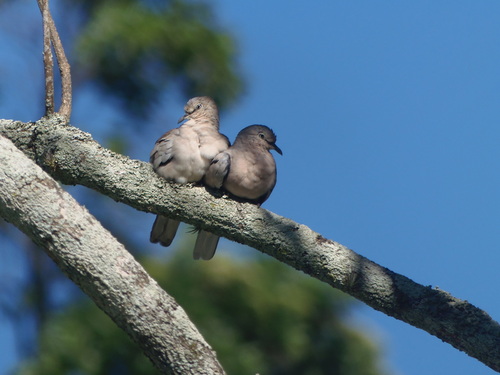
イチモンジバト (Columbina picui) イチモンジバト
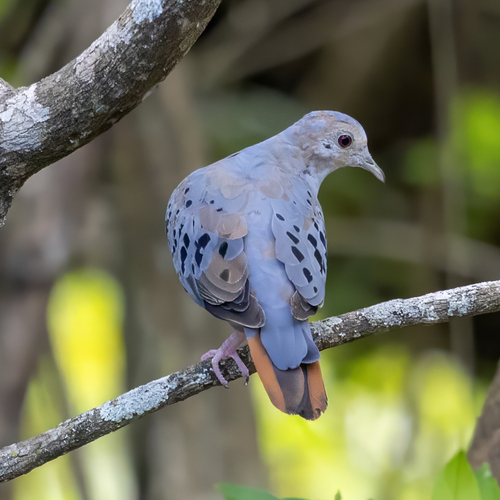
ソライロアルキバト (Claravis pretiosa) ソライロアルキバト

メディア

読み込み中…

要点

イチモンジバトとソライロアルキバトの最も信頼できるフィールドマークは翼の模様です:イチモンジバトはピンクがかったファーン色の翼に2本の白い帯を示し、ソライロアルキバトのオスは青灰色の翼に大胆に黒い斑点または帯があり、メスは栗色の斑点を示します。両種の幼鳥は鈍い色合いですが、イチモンジバトの翼の帯は依然として特徴的です。構造的には、ソライロアルキバトは明らかに重く、わずかに長いです。オスは全体の色で区別しやすいですが、メスと幼鳥は翼の模様と微妙な羽色に注意を払う必要があります。両種は開けた土地で一緒に見られることがあるため、文脈だけでは診断できません。

識別のコツ

  1. Wing pattern in flight or perched: イチモンジバトはすべての年齢と性別で、ピンクがかったファーン色の背景に黒で縁取られた2本の白い翼帯を示します—これは最も信頼できるマークです。ソライロアルキバトは決して白い翼帯を示さず、代わりに大胆な黒(オス)または栗色(メス/幼鳥)の斑点や帯を探してください。
  2. Juvenile/immature plumage: 幼鳥のイチモンジバトは鈍く、茶色がかっていますが、依然として2本の白い翼帯を示します。幼鳥のソライロアルキバトはメスに似ており、背中に赤褐色のスケーリングと栗色の翼の斑点があります。
  3. Adult male coloration: イチモンジバトのオスは灰色の冠とピンクがかった灰色の胸、茶色がかった灰色の背中を持っています;ソライロアルキバトのオスは全体が青灰色で、下部はより淡い色合いで、灰白色の顔を持っています。
  4. Adult female coloration: イチモンジバトのメスはオスよりも鈍く、ピンクが少ないバージョンですが、依然として白い翼帯を示します。ソライロアルキバトのメスは上部が茶色がかり、栗色の尾羽と尾、栗色の翼の斑点を持っています。
  5. Size and structure: ソライロアルキバトは明らかに大きく、重い(69 g対48 g)で、よりがっしりとした体型とわずかに長い体(20 cm対18 cm)を持っています。イチモンジバトはより繊細で細身です。
  6. Tail pattern: イチモンジバトは茶色がかった灰色の中央尾羽を持っています;ソライロアルキバトのメスは栗色の尾を持ち、オスは黒っぽい外尾羽を持っています。
  7. Facial markings: イチモンジバトのオスは目の前に狭い黒いストライプと白っぽい額と喉を示します;ソライロアルキバトのオスは強い顔のマークがない平坦な灰白色の顔を持っています。
  8. Underpart color: イチモンジバトはピンクがかった灰色の胸と白い腹を持っています;ソライロアルキバトのオスは下部がより淡い灰色で、メスは青灰色から灰色がかった茶色です。
  9. Iris and bare parts: ソライロアルキバトは赤または黄色の虹彩、緑の裸眼リング、肉色の脚を持っています(よく見えるとき);イチモンジバトの裸の部分の色は記載されていないため、これはソライロアルキバトの特徴が見える場合にのみ役立ちます。
  10. Behavioral clues: ソライロアルキバトのペアはしばしば一緒に飛び、青灰色の鳥と茶色がかった鳥が並んでいる—これは見た場合の強い手がかりです。
  11. Sex confusion: メスと幼鳥のソライロアルキバトはイチモンジバトと混同される可能性が最も高いですが、栗色の翼の斑点(決して黒っぽくない)と赤褐色の背中が重要です;イチモンジバトの白い翼帯は常に存在します。
  12. Potential pitfalls: ソライロアルキバトのメスをケアシスズメバトのメス(こちらは小さく、黒っぽい翼のマーキングを持つ)と混同しないでくださいが、イチモンジバトは白い翼帯によって両方から分けられます。
  13. Geographic overlap: 両種は南アメリカの多くの地域で一緒に見られることがあり、範囲は共有エリアのほとんどで信頼できる区別ではありません。
  14. Voice: ノートには診断的な声の違いは提供されていません;歌や鳴き声に頼って分けることはしないでください。
  15. Seasonal variation: どちらの種にも強い季節的な羽毛の変化は記載されていません;年齢と性別の違いに焦点を当ててください。

大きさ

ソライロアルキバトはイチモンジバトよりも明らかに大きく、重いです:平均体重はソライロアルキバトが約69 gで、イチモンジバトが48 gです [wikidata]。フィールドでは、これはソライロアルキバトに対して明らかにがっしりとした、より頑丈な印象を与え、また約2 cm長い(20 cm対18 cm)です。しかし、サイズは両種が一緒に見られない限り判断が難しいことがあります。

羽色

幼鳥と未熟な鳥:イチモンジバトの幼鳥は大人よりも鈍く、茶色がかっていますが、依然としてピンクがかったファーン色の背景に黒で縁取られた2本の白い翼帯を保持しています—これは止まっているときも飛んでいるときも見えます。ソライロアルキバトの幼鳥はメスに似ており、背中に赤褐色のスケーリングと翼に栗色の斑点があります(黒っぽくはありません)。

成鳥のオス:イチモンジバトのオスは灰色の冠と後頭部、茶色がかった灰色の背中、2本の白い帯を持つピンクがかったファーン色の翼を持っています。ソライロアルキバトのオスは上部が青灰色で、下部はより淡く、黒っぽい飛行羽と外尾羽を持ち、翼には大胆な黒い斑点または帯があります。

成鳥のメス:イチモンジバトのメスはオスよりも鈍く、ピンクが少ないですが、依然として白い翼帯を示します。ソライロアルキバトのメスは灰色がかった茶色の頭、首、胸、淡い青灰色の下翼と腹、赤褐色の背中、栗色の尾羽と尾、栗色の翼の斑点を持っています。ソライロアルキバトのメスの翼の斑点は常に栗色で、ケアシスズメバトのように黒っぽくなることはありません。

すべての年齢と性別において、イチモンジバトの白い翼帯はその範囲内の小型地面バトの中でユニークです;ソライロアルキバトの翼の斑点は常に存在しますが、性別と年齢によって色が変わります。

行動

両種は地面のバトであり、開けた地面で餌を食べたり、低く飛んだりするのが見られることがあります。ソライロアルキバトはしばしばペア(オスとメス)で一緒に飛んでいるのが見られ、オスは青灰色で、メスは茶色がかっています—これは有用な行動の手がかりです。イチモンジバトも群れを成しますが、ノートには独自の行動の違いは指定されていません。両種は地面から羽音を立てて飛び立つことがあります。

生息環境

両種は南アメリカで広く重なり合い、フィールド、エッジ、開けた森林などの類似の開放的な生息地を利用します。ソライロアルキバトの範囲は中央アメリカとトリニダードにさらに北に広がりますが、南アメリカの多くの地域では両方が一緒に見つかります。生息地だけでは診断できません。

より良い説明を送る

比較と同じ項目を使ってください。文章はすぐに公開されます。

The most reliable field mark between Picui Ground Dove and Blue Ground Dove is the wing pattern: Picui shows two white bands on a pinkish-fawn wing, while Blue Ground Dove males have blue-grey wings boldly spotted or banded with black, and females show chestnut-brown spots. Juveniles of both species are duller, but the Picui's wing bands remain distinctive. Structurally, Blue Ground Dove is noticeably heavier and slightly longer. Males are easier to separate by overall color, but females and immatures require careful attention to wing pattern and subtle plumage tones. Both species can occur together in open country, so context alone is not diagnostic.

  1. Wing pattern in flight or perched: Picui Ground Dove of all ages and sexes shows two white wing bands on a pinkish-fawn background, bordered by black—this is the single most reliable mark. Blue Ground Dove never shows white wing bands; instead, look for bold black (male) or chestnut-brown (female/juvenile) spots or bands on the wings.
  2. Juvenile/immature plumage: Juvenile Picui is duller and browner but still shows the double white wing bars. Juvenile Blue Ground Dove resembles the female, with ruddy scaling on the back and chestnut-brown wing spots.
  3. Adult male coloration: Picui male is gray-crowned with a pinkish-gray breast and brownish-gray back; Blue Ground Dove male is overall blue-grey with paler underparts and a grey-white face.
  4. Adult female coloration: Picui female is a duller, less pink version of the male, but still shows the white wing bands. Blue Ground Dove female is brownish above, with a chestnut rump and tail, and chestnut-brown wing spots.
  5. Size and structure: Blue Ground Dove is noticeably larger and heavier (69 g vs. 48 g), with a chunkier build and slightly longer body (20 cm vs. 18 cm). Picui is more delicate and slender.
  6. Tail pattern: Picui has brownish-gray central tail feathers; Blue Ground Dove female has a chestnut tail, and male has blackish outer tail feathers.
  7. Facial markings: Picui male shows a narrow black stripe in front of the eye and a whitish forehead and throat; Blue Ground Dove male has a plain grey-white face, lacking strong facial markings.
  8. Underpart color: Picui has a pinkish-gray breast and white belly; Blue Ground Dove male is paler grey below, female is blue-grey to grey-brown on the underparts.
  9. Iris and bare parts: Blue Ground Dove has a red or yellow iris, green bare eyering, and flesh-pink legs (when seen well); Picui's bare part colors are not described, so this is only useful if Blue Ground Dove's features are visible.
  10. Behavioral clues: Blue Ground Dove pairs often fly together, with a blue-grey and a brownish bird side by side—this is a strong clue if seen.
  11. Sex confusion: Female and juvenile Blue Ground Doves are the most likely to be confused with Picui, but the chestnut-brown wing spots (never blackish) and ruddy brown back are key; Picui's white wing bands are always present.
  12. Potential pitfalls: Do not confuse Blue Ground Dove females with Ruddy Ground Dove females (which are smaller and have blackish, not chestnut, wing markings), but Picui is separated from both by the white wing bands.
  13. Geographic overlap: Both species can occur together in much of South America; range is not a reliable separator in most of their shared area.
  14. Voice: No diagnostic vocal differences are provided in the notes; do not rely on song or call for separation.
  15. Seasonal variation: No strong seasonal plumage changes are noted for either species; focus on age and sex differences.

Blue Ground Dove is distinctly larger and heavier than Picui Ground Dove: average body mass is about 69 g for Blue Ground Dove versus 48 g for Picui [wikidata]. In the field, this translates to a noticeably chunkier, more robust impression for Blue Ground Dove, which is also about 2 cm longer (20 cm vs. 18 cm). However, size can be hard to judge unless both species are seen together.

Juvenile and immature birds: Picui Ground Dove juveniles are duller and browner than adults, but retain the two white wing bands on a pinkish-fawn background, bordered by black—this is visible both perched and in flight. Blue Ground Dove juveniles resemble females, with ruddy scaling on the back and chestnut-brown spots in the wings (not blackish).

Adult males: Picui males have a gray crown and nape, brownish-gray back, and pinkish-fawn wings with two white bands. Blue Ground Dove males are blue-grey above, paler below, with blackish flight and outer tail feathers, and bold black spots or bands on the wings.

Adult females: Picui females are duller and less pink than males, but still show the white wing bands. Blue Ground Dove females have a grey-brown head, neck, and breast, pale blue-grey underwings and belly, a ruddy brown back, chestnut rump and tail, and chestnut-brown wing spots. The female Blue Ground Dove's wing spots are always chestnut-brown, never blackish as in Ruddy Ground Dove.

In all ages and sexes, Picui's white wing bands are unique among small ground doves in its range; Blue Ground Dove's wing spots are always present but change color with sex and age.

Both species are ground doves and may be seen feeding on open ground or flying low. Blue Ground Dove is often seen as a pair (male and female) flying together, with the male blue-grey and the female brownish—this can be a useful behavioral clue. Picui Ground Dove is also gregarious, but the notes do not specify unique behavioral differences. Both species may flush from the ground with a whirring flight.

Both species overlap widely in South America and use similar open habitats, including fields, edges, and open woodlands. Blue Ground Dove's range extends further north into Central America and Trinidad, but in much of South America both can be found together. Habitat alone is not diagnostic.

変更を破棄しますか?

保存していない編集があります。今離れると失われます。

イチモンジバト · ソライロアルキバト · 苦手な鳥