

Motmot

セアカモズモドキ 対 オウゴンアメリカムシクイ

Vireo philadelphicus 対 Protonotaria citrea

セアカモズモドキとオウゴンアメリカムシクイのクイズ
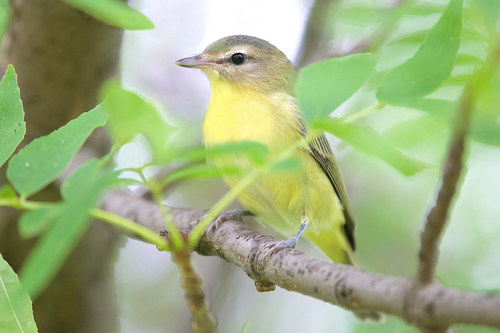
セアカモズモドキ (Vireo philadelphicus) セアカモズモドキ
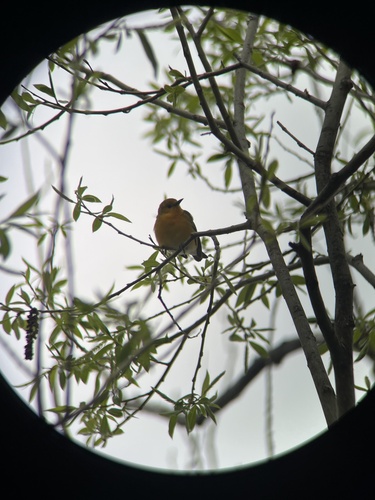
オウゴンアメリカムシクイ (Protonotaria citrea) オウゴンアメリカムシクイ

メディア

読み込み中…

要点

フィラデルフィアモズモドキとオウゴンアメリカムシクイを区別する最も信頼できるフィールドマークは、モズモドキに見られる暗いアイラインと白いスーパシリウムの存在であり、対してオウゴンアメリカムシクイは顔のマーキングがない平坦で明るい黄色(または成鳥のオスではオレンジ黄色)の頭を持っています。飛行中、すべての年齢のオウゴンアメリカムシクイは、基部が白く先端が暗い独特の二色の尾のパターンを示しますが、フィラデルフィアモズモドキにはこのパターンがありません。フィラデルフィアモズモドキは地味なオリーブブラウンの鳥で、下部は黄色がかり、翼のバーはありませんが、オウゴンアメリカムシクイは全体的に明るく、青灰色の翼と尾、より鮮やかな黄色またはオレンジ黄色の頭を持っています。くちばしと脚の色も異なります:モズモドキは頑丈なくちばしと青灰色の脚を持ち、対してムシクイはより長く、細いくちばしと黒い脚を持っています。

識別のコツ

  1. Tail pattern in flight (all ages): オウゴンアメリカムシクイは下から見ると二色の尾(白い基部、暗い先端)を示しますが、フィラデルフィアモズモドキはこのパターンを示しません。
  2. Facial markings: フィラデルフィアモズモドキは暗いアイライン(ロア)と白いスーパシリウムを持ち、マスクのような外観を与えています;オウゴンアメリカムシクイはアイラインやスーパシリウムのない平坦で無地の黄色またはオレンジ黄色の頭を持っています。
  3. Head color (adult males): オウゴンアメリカムシクイの成鳥オスは目を引くオレンジ黄色の頭を持ち、どのモズモドキよりもはるかに明るいです;メスと幼鳥も明るい黄色ですが、オレンジ色は少ないです。
  4. Upperparts: フィラデルフィアモズモドキは上面がオリーブブラウンで灰色の冠を持っています;オウゴンアメリカムシクイはオリーブ色の背中を持ちますが、青灰色の翼と尾を持ち、より対照的でカラフルに見えます。
  5. Wing bars: どちらの種も翼のバーを持たないため、これでは区別に役立ちません。
  6. Underparts: フィラデルフィアモズモドキは黄色の下部を持っていますが、その黄色は通常、オウゴンアメリカムシクイの飽和した黄色よりも鈍く、広がりが少ないです。
  7. Bill shape and color: フィラデルフィアモズモドキは頑丈で青灰色のくちばしを持っています;オウゴンアメリカムシクイはより長く、細い、尖った暗いくちばしを持っています。
  8. Leg color: フィラデルフィアモズモドキは太い青灰色の脚を持っています;オウゴンアメリカムシクイは黒い脚を持っています。
  9. Behavior: オウゴンアメリカムシクイは素早く動き、しばしば不規則または逆さまに動くことがあります;フィラデルフィアモズモドキはより慎重で、めったにアクロバティックではありません。
  10. Habitat: オウゴンアメリカムシクイは繁殖期にはほぼ常に森林の湿地やその近くに見られます;フィラデルフィアモズモドキは森林の端や高地を好み、湿地にはめったに見られません。
  11. Crown color: フィラデルフィアモズモドキはオリーブ色の背中と対照的な灰色の冠を持っています;オウゴンアメリカムシクイの冠は頭の他の部分と同じ黄色またはオレンジ黄色です。
  12. Supercilium: フィラデルフィアモズモドキは暗いアイラインの上に明確な白いスーパシリウムを持っています;オウゴンアメリカムシクイにはスーパシリウムがありません。
  13. Song: 聞こえた場合、フィラデルフィアモズモドキは3から5の「ウィージュ」という音を長い間隔で出します;オウゴンアメリカムシクイの歌はここでは説明されていないため、注意して使用してください。
  14. Jizz: オウゴンアメリカムシクイはしばしば長い尾を持ち、より活発に見えますが、フィラデルフィアモズモドキはよりコンパクトで計画的です。
  15. Seasonal context: 渡りの間、両者は一緒に見られることがありますが、 habitat と行動は強い手がかりのままです—湿った森ではオウゴンアメリカムシクイを、乾燥した森林の端ではフィラデルフィアモズモドキを探してください。

大きさ

両種はサイズが似ており、一見すると混乱することがあります。オウゴンアメリカムシクイは体重が約14.9gで、長さは13cm、翼幅は22cmです。フィラデルフィアモズモドキの体重は記載されていませんが、小さなモズモドキと見なされており、ムシクイに近いサイズである可能性があります。サイズだけでは、これら二つのフィールドでの信頼できる区別にはなりませんが、ムシクイはその構造のためにわずかにがっしりしていて長い尾に見えることがあります。

羽色

幼鳥と未熟なオウゴンアメリカムシクイ、さらには成鳥も、飛行中に独特の二色の尾のパターンを示します:基部が白く先端が暗いもので、下から見ることができます。これはフィラデルフィアモズモドキのどの年齢でも存在しません。すべての年齢のフィラデルフィアモズモドキは翼のバーがなく、オリーブブラウンの上面、黄色がかった下部、灰色の冠、そして白いスーパシリウムを持つ暗いラインが目を通っています。対照的に、オウゴンアメリカムシクイはオリーブ色の背中、青灰色の翼と尾、そしてアイラインやスーパシリウムのない明るい黄色(オス)または黄色(メス/幼鳥)の頭を持っています。ムシクイの下部はより飽和した黄色で、特に成鳥のオス(オレンジ黄色)では頭がより鮮やかに色付けされています。モズモドキの黄色は一般的に鈍く、下部に制限されており、灰色の冠とオリーブ色の背中との対比があります。くちばしの色も異なります:モズモドキは頑丈で青灰色のくちばしを持ち、ムシクイのくちばしはより長く、細く、暗いです。

行動

オウゴンアメリカムシクイは特に活発で、しばしば素早く不規則に動き、時には枝や木の幹を逆さまに這うこともあります。春には特に湿った生息地で頻繁に見られ、巣材や食べ物を集めています。フィラデルフィアモズモドキはより計画的で、木の中で昆虫を探し、時にはホバリングしたり、獲物を捕まえるために飛び出したりしますが、ムシクイのようなアクロバティックまたは迅速な動きは示しません。モズモドキは湿地の環境で見られる可能性が低く、通常は樹冠の高い位置で採餌します。

生息環境

フィラデルフィアモズモドキはカナダ全土の落葉樹林や混合林の端で繁殖し、湿地ではめったに見られません。対照的に、オウゴンアメリカムシクイは森林の湿地や沼地に密接に関連しており、特に繁殖期には水の近くの自然または人工の空洞に巣を作ります。湿った沼地の森林や立ち水の近くで鳥が見られた場合、オウゴンアメリカムシクイの可能性が高く、フィラデルフィアモズモドキは乾燥した高地の森林の端で見られることが期待されます。

声

フィラデルフィアモズモドキの歌は、3から5の音の連続で、「ウィージュ ウィージュ ウィージュ」となり、フレーズ間の間隔が長く、アカメモズモドキよりも高い音が出ます。オウゴンアメリカムシクイの歌は提供されたメモには記載されていないため、モズモドキの独特のフレーズが認識されない限り、音声はここでの信頼できる区別にはなりません。

より良い説明を送る

比較と同じ項目を使ってください。文章はすぐに公開されます。

The most reliable field mark to separate Philadelphia Vireo from Prothonotary Warbler is the presence of a dark eye-line and white supercilium on the vireo, versus the prothonotary's plain, bright yellow (or orange-yellow in adult males) head without face markings. In flight, Prothonotary Warbler of all ages shows a distinctive two-toned tail pattern—white at the base and dark at the tip—which Philadelphia Vireo lacks. Philadelphia Vireo is a drab, olive-brown bird with yellowish underparts and no wing bars, while Prothonotary Warbler is brighter overall, with blue-grey wings and tail and a more vivid yellow or orange-yellow head. Bill and leg color also differ: the vireo has a stout bill and blue-grey legs, while the warbler has a longer, thinner bill and black legs.

  1. Tail pattern in flight (all ages): Prothonotary Warbler shows a two-toned tail from below (white base, dark tip); Philadelphia Vireo never shows this pattern.
  2. Facial markings: Philadelphia Vireo has a dark eye-line (lore) and a white supercilium, giving a masked look; Prothonotary Warbler has a plain, unmarked yellow or orange-yellow head with no eye-line or supercilium.
  3. Head color (adult males): Prothonotary Warbler adult males have a striking orange-yellow head, much brighter than any vireo; females and immatures are also bright yellow but less orange.
  4. Upperparts: Philadelphia Vireo is olive-brown above with a grey crown; Prothonotary Warbler has an olive back but blue-grey wings and tail, making it look more contrasting and colorful.
  5. Wing bars: Neither species has wing bars, so this is not helpful for separation.
  6. Underparts: Philadelphia Vireo has yellow underparts, but the yellow is usually duller and less extensive than the saturated yellow of Prothonotary Warbler.
  7. Bill shape and color: Philadelphia Vireo has a stout, blue-grey bill; Prothonotary Warbler has a longer, thinner, pointed, and dark bill.
  8. Leg color: Philadelphia Vireo has thick blue-grey legs; Prothonotary Warbler has black legs.
  9. Behavior: Prothonotary Warbler moves quickly, often jerky or even upside down; Philadelphia Vireo is more deliberate, rarely acrobatic.
  10. Habitat: Prothonotary Warbler is almost always found in or near wooded wetlands, especially in breeding season; Philadelphia Vireo prefers forest edges and uplands, rarely in swamps.
  11. Crown color: Philadelphia Vireo has a grey crown contrasting with olive back; Prothonotary Warbler's crown is the same yellow or orange-yellow as the rest of its head.
  12. Supercilium: Philadelphia Vireo has a clear white supercilium above the dark eye-line; Prothonotary Warbler lacks any supercilium.
  13. Song: If heard, Philadelphia Vireo gives a series of three to five 'weeezh' notes with long pauses; Prothonotary Warbler's song is not described here, so use with caution.
  14. Jizz: Prothonotary Warbler often appears longer-tailed and more active, while Philadelphia Vireo is more compact and methodical.
  15. Seasonal context: During migration, both can occur together, but habitat and behavior remain strong clues—look for Prothonotary in wet woods, Philadelphia in drier forest edges.

Both species are similar in size and can be confusing at a glance. Prothonotary Warbler averages about 14.9 g in body mass [wikidata], with a length of 13 cm and a wingspan of 22 cm [wikipedia]. Philadelphia Vireo's mass is not listed, but it is considered a small vireo, likely close in size to the warbler. Size alone is not a reliable separator in the field between these two, though the warbler may appear slightly bulkier and longer-tailed due to its structure.

Juvenile and immature Prothonotary Warblers, as well as adults, show a unique two-toned tail pattern in flight: white at the base and dark at the tip, visible from below. This is never present in Philadelphia Vireo of any age. Philadelphia Vireo of all ages lacks wing bars and has olive-brown upperparts, yellowish underparts, a grey crown, and a distinctive dark line through the eye with a white supercilium. Prothonotary Warbler, by contrast, has an olive back, blue-grey wings and tail, and a bright yellow (male) or yellow (female/immature) head with no eye-line or supercilium. The warbler's underparts are a more saturated yellow, and its head is more vividly colored, especially in adult males (orange-yellow). The vireo's yellow is generally duller and restricted to the underparts, with a contrast to the grey crown and olive back. Bill color also differs: vireo has a stout, blue-grey bill, while the warbler's bill is longer, thinner, and dark.

Prothonotary Warbler is notably active, often moving with quick, jerky motions and sometimes crawling upside down on branches or tree trunks. It is frequently seen in wet habitats, especially in spring, gathering nesting material or food. Philadelphia Vireo is more methodical, foraging for insects in trees, sometimes hovering or sallying out to catch prey, but does not exhibit the same acrobatic or rapid movements as the warbler. The vireo is less likely to be seen in wetland settings and tends to forage higher in the canopy.

Philadelphia Vireo breeds at the edges of deciduous and mixed woods, typically in upland or forest edge habitats across Canada, and is rarely found in wetlands. Prothonotary Warbler, by contrast, is closely tied to wooded wetlands and swampy areas, especially in the breeding season, and nests in natural or artificial cavities near water. If the bird is seen in a wet, swampy woodland or near standing water, Prothonotary Warbler is much more likely; Philadelphia Vireo is more expected in drier, upland forest edges.

Philadelphia Vireo's song is a series of three to five notes, 'weeezh weeezh weeezh,' with longer pauses between phrases and higher notes than Red-eyed Vireo. Prothonotary Warbler's song is not described in the provided notes, so vocalization is not a reliable separator here unless the vireo's distinctive phrasing is recognized.

変更を破棄しますか?

保存していない編集があります。今離れると失われます。

セアカモズモドキ · オウゴンアメリカムシクイ · 苦手な鳥