

Philadelphia Vireo vs Prothonotary Warbler
Vireo philadelphicus contro Protonotaria citrea
Fai un quiz con Philadelphia Vireo e Prothonotary Warbler
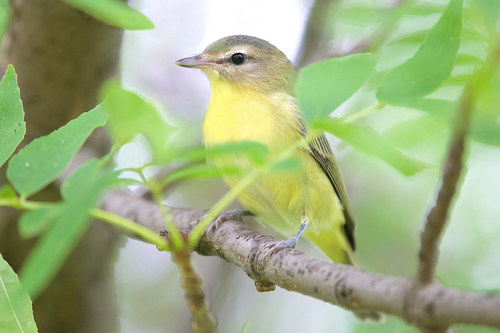 Philadelphia Vireo
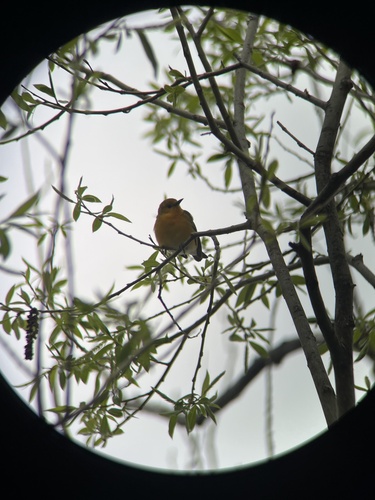 Prothonotary Warbler
In breve
Il segno distintivo più affidabile per separare il Philadelphia Vireo dal Prothonotary Warbler è la presenza di una linea oculare scura e di un sopracciglio bianco sul vireo, rispetto alla testa semplice e gialla brillante (o giallo-arancio nei maschi adulti) del prothonotary senza segni facciali. In volo, il Prothonotary Warbler di tutte le età mostra un distintivo schema di coda bicolore—bianco alla base e scuro alla punta—che il Philadelphia Vireo non ha. Il Philadelphia Vireo è un uccello opaco, marrone oliva con parti inferiori giallastre e senza barre alari, mentre il Prothonotary Warbler è complessivamente più luminoso, con ali e coda blu-grigio e una testa gialla o giallo-arancio più vivida. Anche il colore del becco e delle gambe differisce: il vireo ha un becco robusto e gambe blu-grigio, mentre il warbler ha un becco più lungo e sottile e gambe nere.
Consigli di identificazione
- Tail pattern in flight (all ages): Il Prothonotary Warbler mostra una coda bicolore dal basso (base bianca, punta scura); il Philadelphia Vireo non mostra mai questo schema.
- Facial markings: Il Philadelphia Vireo ha una linea oculare scura (lore) e un sopracciglio bianco, dando un aspetto mascherato; il Prothonotary Warbler ha una testa gialla o giallo-arancio semplice e non marcata senza linea oculare o sopracciglio.
- Head color (adult males): I maschi adulti del Prothonotary Warbler hanno una testa giallo-arancio sorprendente, molto più luminosa di qualsiasi vireo; le femmine e gli immaturi sono anche gialli brillanti ma meno arancioni.
- Upperparts: Il Philadelphia Vireo è marrone oliva sopra con una corona grigia; il Prothonotary Warbler ha un dorso oliva ma ali e coda blu-grigio, rendendolo più contrastante e colorato.
- Wing bars: Nessuna delle due specie ha barre alari, quindi questo non è utile per la separazione.
- Underparts: Il Philadelphia Vireo ha parti inferiori gialle, ma il giallo è di solito più opaco e meno esteso rispetto al giallo saturo del Prothonotary Warbler.
- Bill shape and color: Il Philadelphia Vireo ha un becco robusto, blu-grigio; il Prothonotary Warbler ha un becco più lungo, sottile, appuntito e scuro.
- Leg color: Il Philadelphia Vireo ha gambe spesse blu-grigio; il Prothonotary Warbler ha gambe nere.
- Behavior: Il Prothonotary Warbler si muove rapidamente, spesso in modo scattoso o addirittura a testa in giù; il Philadelphia Vireo è più deliberato, raramente acrobatico.
- Habitat: Il Prothonotary Warbler si trova quasi sempre in o vicino a zone umide boschive, specialmente in stagione di nidificazione; il Philadelphia Vireo preferisce i margini forestali e le zone collinari, raramente nelle paludi.
- Crown color: Il Philadelphia Vireo ha una corona grigia che contrasta con il dorso oliva; la corona del Prothonotary Warbler è dello stesso giallo o giallo-arancio del resto della testa.
- Supercilium: Il Philadelphia Vireo ha un chiaro sopracciglio bianco sopra la linea oculare scura; il Prothonotary Warbler non ha alcun sopracciglio.
- Song: Se udito, il Philadelphia Vireo emette una serie di tre a cinque note 'weeezh' con lunghe pause; il canto del Prothonotary Warbler non è descritto qui, quindi usare con cautela.
- Jizz: Il Prothonotary Warbler appare spesso con una coda più lunga e più attivo, mentre il Philadelphia Vireo è più compatto e metodico.
- Seasonal context: Durante la migrazione, entrambi possono verificarsi insieme, ma l'habitat e il comportamento rimangono forti indizi—cerca il Prothonotary nei boschi umidi, il Philadelphia nei margini forestali più secchi.
Taglia
Entrambe le specie sono simili in dimensioni e possono essere confuse a colpo d'occhio. Il Prothonotary Warbler pesa in media circa 14,9 g in massa corporea [wikidata], con una lunghezza di 13 cm e un'apertura alare di 22 cm [wikipedia]. La massa del Philadelphia Vireo non è elencata, ma è considerato un piccolo vireo, probabilmente simile in dimensioni al warbler. La dimensione da sola non è un separatore affidabile sul campo tra questi due, anche se il warbler può apparire leggermente più robusto e con una coda più lunga a causa della sua struttura.
Piumaggio
I Prothonotary Warblers giovanili e immaturi, così come gli adulti, mostrano un unico schema di coda bicolore in volo: bianco alla base e scuro alla punta, visibile dal basso. Questo non è mai presente nel Philadelphia Vireo di alcuna età. Il Philadelphia Vireo di tutte le età manca di barre alari e ha parti superiori marrone oliva, parti inferiori giallastre, una corona grigia e una distintiva linea scura attraverso l'occhio con un sopracciglio bianco. Il Prothonotary Warbler, al contrario, ha un dorso oliva, ali e coda blu-grigio, e una testa gialla brillante (maschio) o gialla (femmina/immatura) senza linea oculare o sopracciglio. Le parti inferiori del warbler sono di un giallo più saturo, e la sua testa è più vividamente colorata, specialmente nei maschi adulti (giallo-arancio). Il giallo del vireo è generalmente più opaco e limitato alle parti inferiori, con un contrasto con la corona grigia e il dorso oliva. Anche il colore del becco differisce: il vireo ha un becco robusto, blu-grigio, mentre il becco del warbler è più lungo, sottile e scuro.
Comportamento
Il Prothonotary Warbler è notevolmente attivo, spesso muovendosi con movimenti rapidi e scattosi e talvolta strisciando a testa in giù su rami o tronchi d'albero. È frequentemente visto in habitat umidi, specialmente in primavera, raccogliendo materiale per il nido o cibo. Il Philadelphia Vireo è più metodico, cercando insetti sugli alberi, a volte sospendendosi o lanciandosi per catturare prede, ma non mostra gli stessi movimenti acrobatici o rapidi del warbler. Il vireo è meno probabile che venga visto in ambienti umidi e tende a cercare cibo più in alto nella chioma degli alberi.
Habitat
Il Philadelphia Vireo nidifica ai margini di boschi decidui e misti, tipicamente in habitat di collina o ai margini della foresta in tutto il Canada, e raramente si trova in zone umide. Il Prothonotary Warbler, al contrario, è strettamente legato a zone umide boschive e aree paludose, specialmente in stagione di nidificazione, e nidifica in cavità naturali o artificiali vicino all'acqua. Se l'uccello viene visto in un bosco umido e paludoso o vicino a acqua stagnante, è molto più probabile che si tratti di un Prothonotary Warbler; il Philadelphia Vireo è più atteso in margini forestali più secchi e collinari.
Voce
Il canto del Philadelphia Vireo è una serie di tre a cinque note, 'weeezh weeezh weeezh,' con pause più lunghe tra le frasi e note più alte rispetto al Vireo occhirossi. Il canto del Prothonotary Warbler non è descritto nelle note fornite, quindi la vocalizzazione non è un separatore affidabile qui a meno che la frase distintiva del vireo non venga riconosciuta.
Philadelphia Vireo · Prothonotary Warbler · I miei uccelli difficili