

Motmot

フキナガシヨタカ 対 ホオアカヨタカ

Caprimulgus vexillarius 対 Caprimulgus rufigena

フキナガシヨタカとホオアカヨタカのクイズ
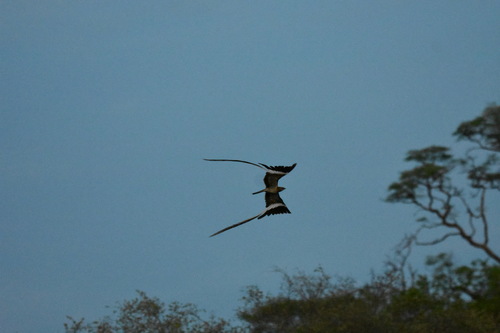
フキナガシヨタカ (Caprimulgus vexillarius) フキナガシヨタカ
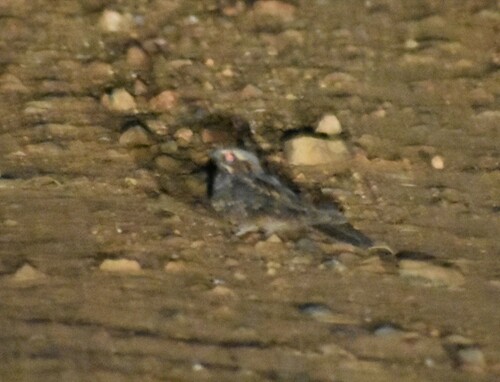
ホオアカヨタカ (Caprimulgus rufigena) ホオアカヨタカ

メディア

読み込み中…

要点

フキナガシヨタカとホオアカヨタカを区別するための最も信頼できるフィールドマークは、壮観な繁殖オスのペナントのような第二次主羽です。これは、ヨタカの中で唯一の長く、ストリーマーのような羽であり、飛行中または止まっているときに瞬時に診断可能です。繁殖シーズン外や雌、幼鳥では、翼のパターン、全体の色合い、構造に依存して、区別がより微妙になります。フキナガシヨタカのオスは黒い主羽に大胆な白い帯を示し、ホオアカヨタカのオスは主羽により拡散した白を持ち、ルフス斑点のあるより淡い体をしています。両種はアフリカ内の移動性種で、分布が重なっていますが、フィールドでの羽毛と構造は注意深く観察すれば明確に異なります。

識別のコツ

  1. 繁殖オスのフキナガシヨタカは明確です: 極端に長いストリーマーのような第二次主羽(「ペナント」)を探してください。アフリカの他のヨタカはこの特徴を示しません。このマークは繁殖オスにのみ存在し、繁殖後に脱落または折れます。
  2. 主羽の広い白い帯(オスのPennant-winged): ペナントがなくても、オスはそれ以外は黒い主羽に大胆で広い白い帯を示します。これはホオアカヨタカの白よりもはるかに目立ち、はっきりと定義されています。
  3. 主羽と尾の白(Rufous-cheeked): オスは、チャエリヨタカよりも主羽により拡散した白を持ち、尾には少ないですが、Pennant-wingedよりは多いです。雌はこれらの領域にバフ(白ではない)マークを示します。
  4. 全体の色合い: フキナガシヨタカは一般的に暗く、特にオスでは、ルフスが少なく、黒っぽいトーンが多いです。ホオアカヨタカは淡く、ルフスの斑点とあまり明確でない襟を持ち、砂地や石の地面に溶け込んでいます。
  5. 雌と非繁殖オスの区別: ペナントがない場合は、より鋭く、広い白(またはバフ)の翼のマークと、全体的に暗い(Pennant-winged)対淡い、ルフス斑点のある(Rufous-cheeked)体に依存します。
  6. 幼鳥の混乱: 幼いホオアカヨタカは非常に良くカモフラージュされており、カウンターシェードのダウンを持っていますが、この年齢でのいずれの種についてもユニークな飛行マークは記述されていません。若いフキナガシヨタカはペナントがなく、大きな暗いヨタカのように見えます。
  7. 飛行中の翼の形: 繁殖オスのフキナガシヨタカは、1st–3rdおよび9th主羽の長さにより、明確に角ばった翼を持っています。ホオアカヨタカは典型的なヨタカの翼の形を持ち、この角ばりがありません。
  8. 尾の角: ホオアカヨタカのオスは尾の角に白を持ち、雌はバフを持っています。フキナガシヨタカはそのような尾のマークを示しません。
  9. 止まっている姿勢: 両者は枝や地面に長さ方向に止まることがありますが、フキナガシヨタカは特にオスではより大きく見えることがあります。
  10. サイズとジズ: フキナガシヨタカは重く、特にペナントの羽があるときには大きく見えることがあります。Rufous-cheekedはよりコンパクトで淡いです。
  11. 鳴き声: 夜に長く連続したチャーリングを聞いたら、それはホオアカヨタカです。フキナガシヨタカの鳴き声はこれらのメモには記述されていません。
  12. 生息地の文脈: 両者は巣作りに開けた地面を使用しますが、ホオアカヨタカは特に砂地や石のある地域に結びついており、そのカモフラージュが最も効果的です。これを羽毛と組み合わせて使用します。
  13. 季節的文脈: ストリーマーのあるペナントウィングのオスを見たら、それは繁殖シーズンです(おおよそ乾季の終わりから湿季の初めまで、地域によって異なります)。この期間外では、区別がより困難で、微妙な羽毛と構造に依存します。
  14. 落とし穴: 非繁殖のオスと雌のフキナガシヨタカは、特に光が悪いときにRufous-cheekedと混同されることがあります。白(またはバフ)の翼のマークの鋭さと幅、全体の暗さに焦点を当ててください。
  15. 疑わしい場合: 鳥が淡く、ルフスの斑点があり、尾の角にバフまたは白があり、ペナントの兆候がない場合は、Rufous-cheekedに傾くべきです。もしそれが暗く、より大きく、広い白い翼の帯を持ち、特にペナントがある場合は、Pennant-wingedです。

大きさ

フキナガシヨタカはホオアカヨタカ(オス48–65g、雌46–66g [wikipedia])よりも著しく重く(平均成鳥の質量72.4g [wikidata])、全体的により頑丈な鳥です。両者は長さが似ています(Rufous-cheeked: 23–24 cm)が、繁殖オスのPennant-wingedの長いペナント羽は、飛行中にはるかに大きく見えることがあります。ペナントがない場合、サイズの違いは中程度ですが、フィールドでは常に明らかではありません。

羽色

行動

両種は薄明かりの時間帯に活動し、夕暮れと夜明けに昆虫を食べるために現れます。フキナガシヨタカは水上で飛行中に飲む姿が見られることがあり、時には枝に長さ方向に止まります。ホオアカヨタカも地面に止まり、高度にカモフラージュされており、羽毛を隠すために利用しています。両種は最小限または全く巣の構造を持たない裸の地面に巣を作ります。ホオアカヨタカのオスは繁殖シーズン中、特に夜に領域を持ち、鳴き声を発します。

生息環境

両者はナイジェリアから南部アフリカまでの重なり合った範囲を持つアフリカ内の移動性種です。フキナガシヨタカはナイジェリアから南アフリカ北部まで見られ、ホオアカヨタカは南部アフリカで繁殖し、さらに北で冬を越します。両者は巣作りのために裸の地面や落ち葉のある開けた生息地を好みますが、ホオアカヨタカは特に砂地や石の基盤で非常に良くカモフラージュされており、時にはクォーツ岩のブロックを巣の目印として使用します。

声

ホオアカヨタカの歌だけが記述されています:オスは夜に長く連続したチャーリングを発し、月が隠れると止まり、他のオスまたは雌が近づくと再開します。提供されたメモにはフキナガシヨタカの特定の鳴き声は記述されていないため、鳴き声は信頼できる区別要因ではありません(その場合はRufous-cheekedを指します)。

より良い説明を送る

比較と同じ項目を使ってください。文章はすぐに公開されます。

The most reliable field mark for separating Pennant-winged Nightjar from Rufous-cheeked Nightjar is the spectacular breeding male's pennant-like second primary: a long, streamer-like feather that is unique among nightjars and instantly diagnostic in flight or perched views. Outside the breeding season and in females or immatures, separation becomes more subtle, relying on wing pattern, overall coloration, and structure. Pennant-winged Nightjar males show a bold white band across black primaries, while Rufous-cheeked Nightjar males have more diffuse white in the primaries and a rufous-spotted, paler body. Both species are intra-African migrants with overlapping ranges, but their plumage and structure in the field are distinct if carefully observed.

  1. Breeding male Pennant-winged Nightjar is unmistakable: Look for the extremely long, streamer-like second primary (the 'pennant')—no other nightjar in Africa shows this feature. This mark is present only in breeding males and is shed or broken off after breeding.
  2. Broad white band on primaries (male Pennant-winged): Even without the pennant, males show a bold, broad white band across otherwise black primaries. This is much more striking and sharply defined than the white in Rufous-cheeked Nightjar.
  3. White in primaries and tail (Rufous-cheeked): Males have more diffuse white in the primaries and less in the tail than fiery-necked nightjar, but still more than Pennant-winged. Females show buff (not white) marks in these areas.
  4. Overall coloration: Pennant-winged Nightjar is generally darker, especially in males, with less rufous and more blackish tones. Rufous-cheeked Nightjar is paler, with rufous spots and a less distinct collar, blending into sandy or stony ground.
  5. Female and non-breeding male separation: Without the pennant, rely on the sharper, broader white (or buff) wing markings and overall darker (Pennant-winged) vs paler, rufous-spotted (Rufous-cheeked) body.
  6. Juvenile confusion: Juvenile Rufous-cheeked Nightjars are extremely well-camouflaged with counter-shaded down, but no unique flight marks are described for either species at this age. Young Pennant-winged Nightjars lack the pennant and appear as large, dark nightjars.
  7. Wing shape in flight: Breeding male Pennant-winged Nightjar has distinctly angular wings due to the length of the 1st–3rd and 9th primaries. Rufous-cheeked Nightjar has typical nightjar wing shape, lacking this angularity.
  8. Tail corners: Rufous-cheeked Nightjar males have white in the tail corners, females have buff; Pennant-winged Nightjar does not show such tail markings.
  9. Perched posture: Both may perch lengthwise on branches or on the ground, but Pennant-winged Nightjar may appear bulkier, especially in males.
  10. Size and jizz: Pennant-winged Nightjar is heavier and can appear larger, especially with pennant feathers. Rufous-cheeked is more compact and paler.
  11. Vocalization: If you hear a long, continuous churring at night, it's Rufous-cheeked Nightjar. Pennant-winged Nightjar's vocalizations are not described in these notes.
  12. Habitat context: Both use open ground for nesting, but Rufous-cheeked Nightjar is especially tied to sandy or stony areas where its camouflage is most effective. Use this in combination with plumage.
  13. Seasonal context: If you see a pennant-winged male with streamers, it's breeding season (roughly late dry to early wet season, varies by region). Outside this period, separation is more challenging and relies on subtle plumage and structure.
  14. Pitfall: Non-breeding male and female Pennant-winged Nightjars can be confused with Rufous-cheeked, especially in poor light. Focus on the sharpness and width of the white (or buff) wing markings and overall darkness.
  15. When in doubt: If the bird is paler, rufous-spotted, with buff or white in the tail corners and no sign of a pennant, lean toward Rufous-cheeked. If it is darker, bulkier, with a broad white wing band and especially if a pennant is present, it's Pennant-winged.

Pennant-winged Nightjar is notably heavier (average adult mass 72.4g [wikidata]) than Rufous-cheeked Nightjar (male 48–65g, female 46–66g [wikipedia]), making it a more robust bird overall. Both are similar in length (Rufous-cheeked: 23–24 cm), but the Pennant-winged's elongated pennant feathers in breeding males can make it appear much larger in flight. Without the pennant, size difference is moderate but not always obvious in the field.

  • Breeding adult males: Pennant-winged Nightjar is unmistakable when the male has its long, streamer-like second primary feather (the 'pennant'), which can be up to twice the body length and is shed after breeding. This is accompanied by a broad white band across otherwise black primaries and distinctly angular wings (due to the longest 1st–3rd and 9th primaries). Rufous-cheeked Nightjar males never show such streamers; their primaries have white marks, but these are more diffuse and not as bold or broad, with additional white in the tail corners.
  • Females and non-breeding males: Pennant-winged Nightjar females and non-breeding males lack the pennant but still show a broad white band (in males) or less contrasting pattern (in females) on the primaries. Rufous-cheeked Nightjar females have buff (not white) marks on the primaries and tail corners, and the body is paler with rufous spots and a less distinct collar.
  • Juveniles: Rufous-cheeked Nightjar juveniles have a counter-shaded, cryptic down that is extremely well-camouflaged, but no specific juvenile wing pattern is described for either species. In flight, young Pennant-winged Nightjars lack the pennant and appear more like large, dark nightjars with less contrast.
  • General coloration: Pennant-winged Nightjar is darker overall, especially in males, while Rufous-cheeked Nightjar is paler, with rufous spotting and a less distinct collar.

Both species are crepuscular, emerging at dusk and dawn to feed on insects. Pennant-winged Nightjar may be seen drinking in flight over water and sometimes perches lengthwise on branches, similar to European Nightjar. Rufous-cheeked Nightjar is also ground-roosting and highly camouflaged, relying on its plumage for concealment. Both species nest on bare ground with minimal or no nest structure. Males of Rufous-cheeked Nightjar are territorial and vocal at night, especially during the breeding season.

Both are intra-African migrants with overlapping ranges from Nigeria to southern Africa. Pennant-winged Nightjar is found from Nigeria to northern South Africa, while Rufous-cheeked Nightjar breeds in southern Africa and winters further north. Both prefer open habitats with bare ground or leaf litter for nesting, but Rufous-cheeked Nightjar is especially well-camouflaged in sandy or stony substrates, sometimes using quartzite blocks as nest landmarks.

Only Rufous-cheeked Nightjar's song is described: males give a long, continuous churring at night, which stops when the moon is obscured and resumes when another male or a female approaches. No specific vocalization is described for Pennant-winged Nightjar in the provided notes, so voice is not a reliable separator unless the churring song is heard (then it points to Rufous-cheeked).

変更を破棄しますか?

保存していない編集があります。今離れると失われます。

フキナガシヨタカ · ホオアカヨタカ · 苦手な鳥