

Pennant-winged Nightjar vs Rufous-cheeked Nightjar
Caprimulgus vexillarius contro Caprimulgus rufigena
Fai un quiz con Pennant-winged Nightjar e Rufous-cheeked Nightjar
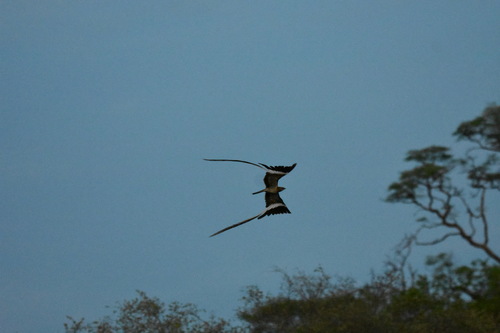 Pennant-winged Nightjar
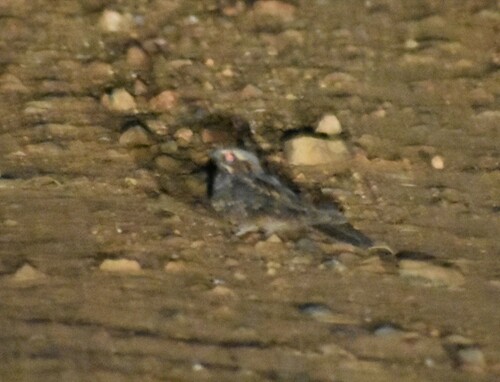 Rufous-cheeked Nightjar
In breve
Il segno di campo più affidabile per separare il Pennant-winged Nightjar dal Rufous-cheeked Nightjar è il secondo primario a forma di pennant del maschio in riproduzione: una lunga piuma simile a un nastro che è unica tra i nightjar e istantaneamente diagnostica in volo o in vista posata. Fuori dalla stagione di riproduzione e nelle femmine o nei giovani, la separazione diventa più sottile, facendo affidamento sul motivo delle ali, sulla colorazione generale e sulla struttura. I maschi di Pennant-winged Nightjar mostrano una banda bianca audace attraverso le primarie nere, mentre i maschi di Rufous-cheeked Nightjar hanno un bianco più diffuso nelle primarie e un corpo più chiaro macchiato di ruggine. Entrambe le specie sono migratori intra-africani con aree sovrapposte, ma il loro piumaggio e la loro struttura sul campo sono distinti se osservati con attenzione.
Consigli di identificazione
- Il maschio in riproduzione del Pennant-winged Nightjar è inconfondibile: Cerca il secondo primario estremamente lungo e simile a un nastro (il 'pennant')—nessun altro nightjar in Africa mostra questa caratteristica. Questo segno è presente solo nei maschi in riproduzione ed è perso o rotto dopo la riproduzione.
- Banda bianca ampia sulle primarie (maschio Pennant-winged): Anche senza il pennant, i maschi mostrano una banda bianca audace e ampia attraverso le primarie altrimenti nere. Questo è molto più sorprendente e nettamente definito rispetto al bianco nel Rufous-cheeked Nightjar.
- Bianco nelle primarie e nella coda (Rufous-cheeked): I maschi hanno un bianco più diffuso nelle primarie e meno nella coda rispetto al Fiery-necked Nightjar, ma ancora più del Pennant-winged. Le femmine mostrano segni color sabbia (non bianchi) in queste aree.
- Colorazione generale: Il Pennant-winged Nightjar è generalmente più scuro, specialmente nei maschi, con meno ruggine e più toni nerastro. Il Rufous-cheeked Nightjar è più chiaro, con macchie ruggine e un collare meno distinto, che si fonde con il terreno sabbioso o roccioso.
- Separazione di femmine e maschi non in riproduzione: Senza il pennant, fai affidamento sui segni delle ali bianchi (o color sabbia) più netti e ampi e sul corpo complessivamente più scuro (Pennant-winged) rispetto a quello più chiaro e macchiato di ruggine (Rufous-cheeked).
- Confusione giovanile: I giovani Rufous-cheeked Nightjars sono estremamente ben mimetizzati con piumino controshaded, ma non sono descritti segni di volo unici per nessuna delle due specie a questa età. I giovani Pennant-winged Nightjars mancano del pennant e appaiono come grandi nightjar scuri.
- Forma delle ali in volo: Il maschio in riproduzione del Pennant-winged Nightjar ha ali distintamente angolari a causa della lunghezza delle primarie 1–3 e 9. Il Rufous-cheeked Nightjar ha una forma tipica delle ali dei nightjar, priva di questa angolarità.
- Angoli della coda: I maschi di Rufous-cheeked Nightjar hanno bianco negli angoli della coda, le femmine hanno color sabbia; il Pennant-winged Nightjar non mostra tali segni sulla coda.
- Postura posata: Entrambi possono posarsi longitudinalmente su rami o sul terreno, ma il Pennant-winged Nightjar può apparire più massiccio, specialmente nei maschi.
- Dimensioni e jizz: Il Pennant-winged Nightjar è più pesante e può apparire più grande, specialmente con le piume del pennant. Il Rufous-cheeked è più compatto e più chiaro.
- Vocalizzazione: Se senti un lungo e continuo cinguettio di notte, è il Rufous-cheeked Nightjar. Le vocalizzazioni del Pennant-winged Nightjar non sono descritte in queste note.
- Contesto dell'habitat: Entrambi usano terreni aperti per nidificare, ma il Rufous-cheeked Nightjar è particolarmente legato ad aree sabbiose o rocciose dove la sua mimetizzazione è più efficace. Usa questo in combinazione con il piumaggio.
- Contesto stagionale: Se vedi un maschio Pennant-winged con nastri, è stagione di riproduzione (circa dalla fine della stagione secca all'inizio della stagione umida, varia per regione). Fuori da questo periodo, la separazione è più difficile e si basa su piumaggio e struttura sottili.
- Trappola: I maschi e le femmine non in riproduzione del Pennant-winged Nightjar possono essere confusi con il Rufous-cheeked, specialmente in scarsa illuminazione. Concentrati sulla nitidezza e sulla larghezza dei segni bianchi (o color sabbia) delle ali e sull'oscurità complessiva.
- Quando hai dubbi: Se l'uccello è più chiaro, macchiato di ruggine, con color sabbia o bianco negli angoli della coda e nessun segno di un pennant, inclina verso il Rufous-cheeked. Se è più scuro, massiccio, con una larga banda bianca sulle ali e specialmente se è presente un pennant, è il Pennant-winged.
Taglia
Il Pennant-winged Nightjar è notevolmente più pesante (massa media dell'adulto 72.4g [wikidata]) rispetto al Rufous-cheeked Nightjar (maschio 48–65g, femmina 46–66g [wikipedia]), rendendolo un uccello più robusto nel complesso. Entrambi sono simili in lunghezza (Rufous-cheeked: 23–24 cm), ma le piume del pennant allungate del Pennant-winged nei maschi in riproduzione possono farlo apparire molto più grande in volo. Senza il pennant, la differenza di dimensioni è moderata ma non sempre ovvia sul campo.
Piumaggio
- Maschi adulti in riproduzione: Il Pennant-winged Nightjar è inconfondibile quando il maschio ha la sua lunga piuma secondaria simile a un nastro (il 'pennant'), che può essere fino a due volte la lunghezza del corpo e viene persa dopo la riproduzione. Questo è accompagnato da una larga banda bianca attraverso le primarie altrimenti nere e ali distintamente angolari (a causa delle primarie 1–3 e 9 più lunghe). I maschi di Rufous-cheeked Nightjar non mostrano mai tali nastri; le loro primarie hanno segni bianchi, ma questi sono più diffusi e non così audaci o ampi, con ulteriore bianco negli angoli della coda.
- Femmine e maschi non in riproduzione: Le femmine di Pennant-winged Nightjar e i maschi non in riproduzione mancano del pennant ma mostrano comunque una larga banda bianca (nei maschi) o un motivo meno contrastante (nelle femmine) sulle primarie. Le femmine di Rufous-cheeked Nightjar hanno segni color sabbia (non bianchi) sulle primarie e negli angoli della coda, e il corpo è più chiaro con macchie ruggine e un collare meno distinto.
- Giovani: I giovani Rufous-cheeked Nightjar hanno un piumino controshaded e criptico che è estremamente ben mimetizzato, ma non è descritto alcun specifico motivo di ali giovanili per nessuna delle due specie. In volo, i giovani Pennant-winged Nightjar mancano del pennant e appaiono più simili a grandi nightjar scuri con meno contrasto.
- Colorazione generale: Il Pennant-winged Nightjar è più scuro nel complesso, specialmente nei maschi, mentre il Rufous-cheeked Nightjar è più chiaro, con macchie ruggine e un collare meno distinto.
Comportamento
Entrambe le specie sono crepuscolari, emergendo al crepuscolo e all'alba per nutrirsi di insetti. Il Pennant-winged Nightjar può essere visto bere in volo sopra l'acqua e talvolta si posiziona longitudinalmente sui rami, simile al Nightjar europeo. Il Rufous-cheeked Nightjar è anche un uccello che si riposa a terra e altamente mimetizzato, facendo affidamento sul suo piumaggio per la copertura. Entrambe le specie nidificano su terreni nudi con una struttura del nido minima o assente. I maschi di Rufous-cheeked Nightjar sono territoriali e vocali di notte, specialmente durante la stagione di riproduzione.
Habitat
Entrambi sono migratori intra-africani con aree sovrapposte che vanno dalla Nigeria all'Africa meridionale. Il Pennant-winged Nightjar si trova dalla Nigeria al sud del Sudafrica, mentre il Rufous-cheeked Nightjar nidifica nell'Africa meridionale e sverna più a nord. Entrambi preferiscono habitat aperti con terreno nudo o lettiera di foglie per nidificare, ma il Rufous-cheeked Nightjar è particolarmente ben mimetizzato in substrati sabbiosi o rocciosi, talvolta utilizzando blocchi di quarzite come punti di riferimento per il nido.
Voce
Solo il canto del Rufous-cheeked Nightjar è descritto: i maschi emettono un lungo e continuo cinguettio di notte, che si interrompe quando la luna è oscurata e riprende quando un altro maschio o una femmina si avvicina. Nessuna vocalizzazione specifica è descritta per il Pennant-winged Nightjar nelle note fornite, quindi la voce non è un separatore affidabile a meno che non si senta il canto cinguettante (allora indica il Rufous-cheeked).
Pennant-winged Nightjar · Rufous-cheeked Nightjar · I miei uccelli difficili