

Motmot

サバクミミズク 対 ウスイロモリフクロウ

Otus brucei 対 Strix hadorami

サバクミミズクとウスイロモリフクロウのクイズ
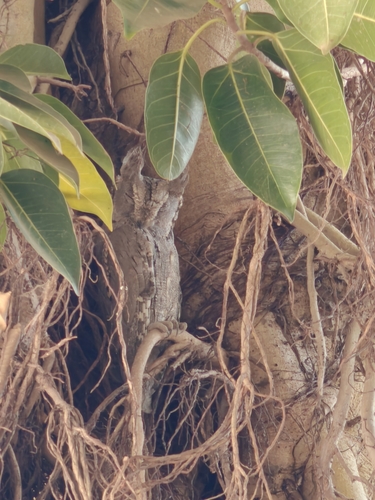
サバクミミズク (Otus brucei) サバクミミズク
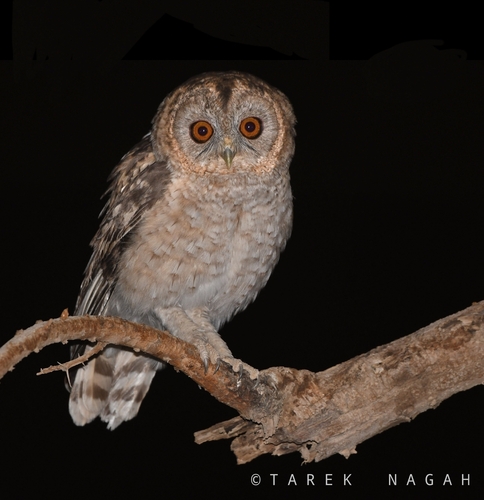
ウスイロモリフクロウ (Strix hadorami) ウスイロモリフクロウ

メディア

読み込み中…

要点

最も信頼できるフィールドマークは耳の房毛です:サバクミミズクは小さく尖った耳の房毛を示しますが、ウスイロモリフクロウは耳の房毛が全くなく、滑らかに丸い頭を持っています。すべての年齢と季節において、サバクミミズクは特に背中でより細かく縞模様があり、ウスイロモリフクロウは全体的に淡く、特に下側では縞模様が少ないです。ウスイロモリフクロウは明らかに大きくてがっしりしており、より丸く「モリフクロウのような」外見で、黄色い目を持っています。声と生息地が役立つことがあります:サバクミミズクは低く、鳩のような音の連続を出し、ウスイロモリフクロウの鳴き声は、首輪のある鳩を思わせるフレーズです。両者はヤシの木の林に出現することがありますが、ウスイロモリフクロウは岩だらけの渓谷や乾燥した崖に結びついており、サバクミミズクは半開放的な森林を好みます。

識別のコツ

  1. 耳の房毛:サバクミミズクはすべての年齢と姿勢で小さく尖った耳の房毛を示し、ウスイロモリフクロウは決して房毛を示さず、滑らかに丸い頭を持っています。これは最も迅速で信頼できるフィールドマークです。
  2. 頭の形:ウスイロモリフクロウは房毛がなく、広く丸い頭を持ち、「モリフクロウのような」外見を与えます。サバクミミズクの頭は房毛のために狭く、より角ばって見えます。
  3. 顔の円盤と目:ウスイロモリフクロウは淡い、丸い顔の円盤を持ち、目は印象的な黄色です。サバクミミズクの顔の円盤は目立たず、目は暗いです。
  4. 羽毛の模様:サバクミミズクは背中と上面でより細かく、明確に縞模様があり、より複雑な模様を持っています。ウスイロモリフクロウは全体的に淡く、特に下側では縞模様が少なく、ほぼ無地に見えることがあります。
  5. 下側:ウスイロモリフクロウの下側は淡く、わずかに縞模様があるだけですが、サバクミミズクは下側でより細かい縞模様を示します。
  6. 全体の色:両者は淡く見えることがありますが、ウスイロモリフクロウは特に砂色または淡い色合いで、色あせた外見を持っています。サバクミミズクはユーラシアミミズクよりも淡いですが、ウスイロモリフクロウよりもまだ模様があります。
  7. サイズと構造:ウスイロモリフクロウは明らかに大きくてがっしりしており、重い体と広い翼を持っています。サバクミミズクは小さく、スリムで、止まっているときにより直立しています。
  8. 飛行スタイル:サバクミミズクは飛行中に軽く、より敏捷で、時々夕暮れ時や日中に狩りをしているのが見られることがあります。ウスイロモリフクロウはより重く、直接的に飛びます。
  9. 生息地:岩だらけの渓谷、崖、または乾燥した砂漠の端で見られる場合、ウスイロモリフクロウの可能性が高いです。半開放的な森林、プランテーション、または農業地域、特に崖から離れた場所では、サバクミミズクの可能性が高いです。
  10. 巣作りの場所:サバクミミズクは木の空洞やヤシのプランテーションに巣を作ります。ウスイロモリフクロウは崖の隙間や穴に巣を作ります。
  11. 声:サバクミミズクは柔らかく、鳩のような音の連続を出します。ウスイロモリフクロウは首輪のある鳩に似た鳴き声を出します。リズムとトーンの違いを聞いてください。
  12. 活動:サバクミミズクは夕暮れ時や日中に活動することがあり、特に昆虫を狩るときにそうです。ウスイロモリフクロウは厳密に夜行性です。
  13. 食事の手がかり:特に日中に飛んでいる昆虫やコウモリを捕まえているのが観察された場合、サバクミミズクの可能性が高いです。ウスイロモリフクロウはより哺乳類に焦点を当て、夜に狩りをします。
  14. 地理的重複:両種は中東、特にイスラエルとヨルダンで発生することがありますが、文脈と生息地が分離の鍵です。
  15. 落とし穴:強い光の中でウスイロモリフクロウがウスイロモリフクロウとほぼ同じくらい淡く見えることや、ウスイロモリフクロウの最小限の縞模様が予想以上に淡く見えることに注意してください。自信を持った同定のために、常に耳の房毛と頭の形を確認してください。

大きさ

ウスイロモリフクロウは中型のフクロウで、長さは29〜33 cmで、がっしりしていて広く丸い頭を持っています。サバクミミズクは小さく、より繊細で、スリムな体型と相対的に大きく見える耳の房毛を持っています。フィールドでは、ウスイロモリフクロウの体重と耳の房毛の欠如が目立ち、サバクミミズクはより小柄で直立して見えます。両者はモリフクロウよりも小さいですが、ウスイロモリフクロウはサバクミミズクよりも明らかに大きいです。

羽色

耳の房毛は最も迅速な区別です:サバクミミズクは常に小さく尖った耳の房毛を示し、幼鳥でもそうですが、ウスイロモリフクロウは決して房毛を示さず、滑らかに丸い頭を持っています。すべての年齢において、サバクミミズクは背中でより複雑に縞模様があり、より細かく、明確な縞模様を持っていますが、ウスイロモリフクロウは全体的に淡く、特に下側では縞模様が少なく、ほぼ無地に見えることがあります。ウスイロモリフクロウの顔はより丸く淡く、黄色い目を持っていますが、サバクミミズクはより角ばった顔と暗い目を持っています。どちらの種にも特定の年齢に特有の上翼の模様は記載されていないため、頭の形と全体の模様に焦点を当ててください。両種は淡く見えることがありますが、ウスイロモリフクロウは特にそうで、砂色または淡い色合いで、下側の縞模様は最小限です。

行動

サバクミミズクは主に昆虫食で、日中に狩りをすることがあり、時には飛んでいる昆虫やコウモリを捕まえます。ウスイロモリフクロウよりも夕暮れ時や日中に活動する可能性が高いです。ウスイロモリフクロウは主に夜行性で、夜に小さな哺乳類や大きな昆虫を狩ります。飛行中、ウスイロモリフクロウはより重く、直接的に見えますが、サバクミミズクは軽く、より敏捷です。両者はヤシのプランテーションに止まっているのが見られることがありますが、ウスイロモリフクロウは岩だらけの崖の近くで見られることが多いです。

生息環境

サバクミミズクは木や茂みのある半開放的な地域を好み、しばしば木の空洞やヤシのプランテーションに巣を作ります。農業地域やプランテーションでも見られることがあり、時には岩の地形から遠く離れた場所でも見られます。ウスイロモリフクロウは乾燥した岩の生息地に結びついています:砂漠、半砂漠、岩だらけの渓谷、崖ですが、これらの特徴の近くにあるヤシの林も利用できます。岩だらけのワディや崖の面にいる場合、ウスイロモリフクロウの可能性が高いです。森林農地やプランテーション、特に崖から離れた場所では、サバクミミズクの可能性が高いです。

声

サバクミミズクは低く、空洞のある、鳩のような音の連続を出します—柔らかく、繰り返しがあり、鳴き声の質はあまりホーミングではありません。ウスイロモリフクロウの鳴き声はhoooo-ho-ho-ho-hoで、ユーラシア首輪鳩に似たリズムのホーミングフレーズです。雌のウスイロモリフクロウの鳴き声は雄よりも深く、明確ではありません。クラシックな「ホー」という音の連続を聞いたら、ウスイロモリフクロウを考えてください。もし鳴き声が柔らかく、より鳩のようであれば、サバクミミズクの可能性が高いです。

より良い説明を送る

比較と同じ項目を使ってください。文章はすぐに公開されます。

The most reliable field mark is ear tufts: Pallid Scops Owl shows small, pointed ear tufts, while Desert Owl lacks ear tufts entirely and has a smoothly rounded head. In all ages and seasons, Pallid Scops Owl appears more finely streaked and patterned, especially on the back, while Desert Owl is paler and less streaked, particularly below. Desert Owl is noticeably larger and bulkier, with a rounder, more 'tawny owl-like' jizz, and yellow eyes. Voice and habitat can help: Pallid Scops gives a low, dove-like series of notes, while Desert Owl's call is a hooting phrase reminiscent of a collared dove. Both can occur in palm groves, but Desert Owl is tied to rocky ravines and arid cliffs, while Pallid Scops prefers semi-open woodland.

  1. Ear tufts: Pallid Scops Owl always shows small, pointed ear tufts in all ages and postures; Desert Owl never shows tufts and has a smoothly rounded head. This is the quickest and most reliable field mark.
  2. Head shape: Desert Owl has a broad, round head with no tufts, giving a 'tawny owl-like' look. Pallid Scops Owl's head appears narrower and more angular due to the tufts.
  3. Facial disk and eyes: Desert Owl has a pale, rounded facial disk with striking yellow eyes. Pallid Scops Owl's facial disk is less prominent, and the eyes are darker.
  4. Plumage pattern: Pallid Scops Owl is more finely and distinctly streaked on the back and upperparts, with a more intricate pattern. Desert Owl is paler overall, with less streaking, especially on the underparts, which may appear almost plain.
  5. Underparts: Desert Owl's underparts are pale and only lightly streaked, while Pallid Scops Owl shows more fine streaking below.
  6. Overall color: Both can look pale, but Desert Owl is especially sandy or buffy, with a washed-out appearance; Pallid Scops Owl is paler than Eurasian Scops but still more patterned than Desert Owl.
  7. Size and structure: Desert Owl is noticeably larger and stockier, with a heavier body and broad wings. Pallid Scops Owl is smaller, slimmer, and more upright when perched.
  8. Flight style: Pallid Scops Owl is lighter and more agile in flight, sometimes seen hunting on the wing at dusk or even by day. Desert Owl flies more heavily and directly.
  9. Habitat: If seen in rocky ravines, cliffs, or arid desert edges, Desert Owl is more likely. In semi-open woodland, plantations, or agricultural areas, especially away from cliffs, Pallid Scops Owl is more probable.
  10. Nesting sites: Pallid Scops Owl nests in tree cavities or palm plantations; Desert Owl nests in crevices or holes in cliffs.
  11. Voice: Pallid Scops Owl gives a soft, dove-like series of notes; Desert Owl produces a hooting phrase similar to a collared dove. Listen for the difference in rhythm and tone.
  12. Activity: Pallid Scops Owl may be active at dusk or even during the day, especially when hunting insects; Desert Owl is strictly nocturnal.
  13. Diet clues: If observed catching insects or bats on the wing, especially by day, Pallid Scops Owl is more likely. Desert Owl is more mammal-focused and hunts at night.
  14. Geographic overlap: Both species can occur in the Middle East, especially Israel and Jordan, but context and habitat are key for separation.
  15. Pitfalls: Beware of pale Pallid Scops Owls appearing almost as pale as Desert Owl in strong light, and of Desert Owl's minimal streaking making it look even paler than expected. Always confirm ear tufts and head shape for a confident ID.

Desert Owl is a medium-sized owl, 29–33 cm in length, and appears stocky with a broad, rounded head. Pallid Scops Owl is smaller and more delicate, with a slimmer build and proportionally larger-looking ear tufts. In the field, Desert Owl's bulk and lack of ear tufts stand out, while Pallid Scops Owl appears more petite and upright. Both are smaller than Tawny Owl, but Desert Owl is still noticeably larger than Pallid Scops Owl.

Ear tufts are the quickest separator: Pallid Scops Owl always shows small, pointed ear tufts, even in juveniles, while Desert Owl never shows tufts and has a smoothly rounded head. In all ages, Pallid Scops Owl is more intricately streaked and patterned on the back, with finer, more distinct streaks, while Desert Owl is paler overall and less streaked, especially on the underparts, which can appear almost plain. Desert Owl's face is rounder and paler, with yellow eyes, while Pallid Scops Owl has a more angular face and darker eyes. No distinctive age-specific upperwing pattern is described for either species, so focus on head shape and overall patterning. Both species can appear pale, but Desert Owl is especially so, with a sandy or buffy tone and minimal streaking below.

Pallid Scops Owl is primarily insectivorous and may hunt by day, sometimes taking insects and bats on the wing. It is more likely to be active at dusk or even in daylight than Desert Owl. Desert Owl is largely nocturnal and sedentary, hunting mostly small mammals and large insects at night. In flight, Desert Owl appears heavier and more direct, while Pallid Scops Owl is lighter and more agile. Both may be seen perched in palm plantations, but Desert Owl is more often found near rocky cliffs.

Pallid Scops Owl favors semi-open country with trees and bushes, often nesting in tree cavities or palm plantations. It can also be found in agricultural areas and plantations, sometimes far from rocky terrain. Desert Owl is tied to arid, rocky habitats: desert, semi-desert, rocky ravines, and cliffs, though it can also use palm groves near these features. If you are in a rocky wadi or cliff face, Desert Owl is more likely; in wooded farmland or plantations, especially away from cliffs, Pallid Scops Owl is more probable.

Pallid Scops Owl gives a series of low, hollow, dove-like notes—soft, repetitive, and less hooting in quality. Desert Owl's call is a hoooo-ho-ho-ho-ho, a hooting phrase with a rhythm similar to Eurasian Collared Dove. The female Desert Owl's call is deeper and less distinct than the male's. If you hear a classic 'hoot' series, think Desert Owl; if the call is softer and more dove-like, Pallid Scops Owl is more likely.

変更を破棄しますか?

保存していない編集があります。今離れると失われます。

サバクミミズク · ウスイロモリフクロウ · 苦手な鳥