

Pallid Scops-Owl vs Desert Owl
Otus brucei contro Strix hadorami
Fai un quiz con Pallid Scops-Owl e Desert Owl
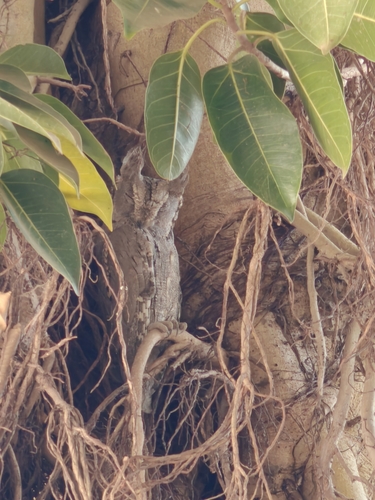 Pallid Scops-Owl
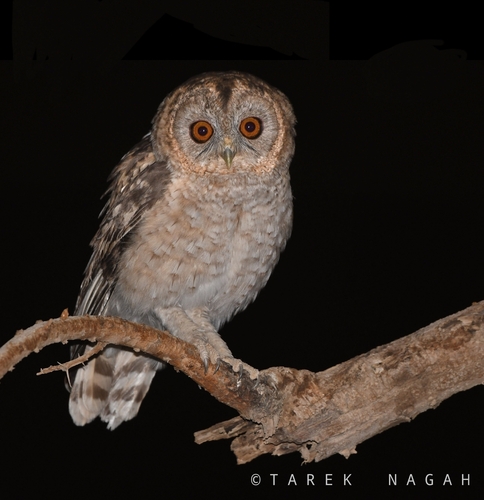 Desert Owl
In breve
Il segno distintivo più affidabile sono i ciuffi auricolari: il Pallid Scops-Owl mostra piccoli ciuffi auricolari appuntiti, mentre il Desert Owl non ha affatto ciuffi auricolari e ha una testa liscia e arrotondata. In tutte le età e stagioni, il Pallid Scops-Owl appare più finemente striato e decorato, specialmente sulla schiena, mentre il Desert Owl è più chiaro e meno striato, in particolare sotto. Il Desert Owl è visibilmente più grande e massiccio, con una forma più arrotondata e un aspetto più 'simile all'allocco', e occhi gialli. La voce e l'habitat possono aiutare: il Pallid Scops-Owl emette una serie di note basse, simili a quelle di una colomba, mentre il richiamo del Desert Owl è una frase di ululato che ricorda una colomba collare. Entrambi possono trovarsi in palmeti, ma il Desert Owl è legato a gole rocciose e scogliere aride, mentre il Pallid Scops-Owl preferisce boschi semi-aperti.
Consigli di identificazione
- Ciuffi auricolari: il Pallid Scops-Owl mostra sempre piccoli ciuffi auricolari appuntiti in tutte le età e posture; il Desert Owl non mostra mai ciuffi e ha una testa liscia e arrotondata. Questo è il segno distintivo più rapido e affidabile.
- Forma della testa: il Desert Owl ha una testa larga e arrotondata senza ciuffi, dando un aspetto 'simile all'allocco'. La testa del Pallid Scops-Owl appare più stretta e angolare a causa dei ciuffi.
- Disco facciale e occhi: il Desert Owl ha un disco facciale pallido e arrotondato con occhi gialli sorprendenti. Il disco facciale del Pallid Scops-Owl è meno prominente e gli occhi sono più scuri.
- Schema del piumaggio: il Pallid Scops-Owl è più finemente e distintamente striato sulla schiena e nelle parti superiori, con un motivo più intricato. Il Desert Owl è più chiaro complessivamente, con meno striature, specialmente nelle parti inferiori, che possono apparire quasi semplici.
- Parti inferiori: le parti inferiori del Desert Owl sono chiare e solo leggermente striate, mentre il Pallid Scops-Owl mostra più striature fini sotto.
- Colore complessivo: entrambi possono apparire chiari, ma il Desert Owl è particolarmente sabbioso o buffo, con un aspetto sbiadito; il Pallid Scops-Owl è più chiaro dello Scops eurasiatico ma ancora più decorato del Desert Owl.
- Dimensioni e struttura: il Desert Owl è visibilmente più grande e robusto, con un corpo più pesante e ali larghe. Il Pallid Scops-Owl è più piccolo, più snello e più eretto quando è posato.
- Stile di volo: il Pallid Scops-Owl è più leggero e agile in volo, a volte visto cacciare in volo al crepuscolo o anche di giorno. Il Desert Owl vola in modo più pesante e diretto.
- Habitat: se visto in gole rocciose, scogliere o bordi desertici aridi, è più probabile che si tratti di un Desert Owl. In boschi semi-aperti, piantagioni o aree agricole, specialmente lontano dalle scogliere, è più probabile che si tratti di un Pallid Scops-Owl.
- Siti di nidificazione: il Pallid Scops-Owl nidifica in cavità degli alberi o piantagioni di palme; il Desert Owl nidifica in crepe o buchi nelle scogliere.
- Voce: il Pallid Scops-Owl emette una serie di note morbide e simili a quelle di una colomba; il Desert Owl produce una frase di ululato simile a quella di una colomba collare. Ascolta la differenza nel ritmo e nel tono.
- Attività: il Pallid Scops-Owl può essere attivo al crepuscolo o anche durante il giorno, specialmente quando caccia insetti; il Desert Owl è strettamente notturno.
- Indizi sulla dieta: se osservato mentre cattura insetti o pipistrelli in volo, specialmente di giorno, è più probabile che si tratti di un Pallid Scops-Owl. Il Desert Owl è più focalizzato sui mammiferi e caccia di notte.
- Sovrapposizione geografica: entrambe le specie possono trovarsi in Medio Oriente, specialmente in Israele e Giordania, ma il contesto e l'habitat sono fondamentali per la separazione.
- Trappole: fai attenzione ai Pallid Scops-Owl pallidi che appaiono quasi pallidi come il Desert Owl in forte luce, e alla minima striatura del Desert Owl che lo fa apparire ancora più chiaro del previsto. Conferma sempre i ciuffi auricolari e la forma della testa per un'identificazione sicura.
Taglia
Il Desert Owl è un gufo di dimensioni medie, lungo 29–33 cm, e appare massiccio con una testa larga e arrotondata. Il Pallid Scops-Owl è più piccolo e più delicato, con una struttura più snella e ciuffi auricolari che sembrano proporzionalmente più grandi. Sul campo, il volume del Desert Owl e l'assenza di ciuffi auricolari si distinguono, mentre il Pallid Scops-Owl appare più piccolo e eretto. Entrambi sono più piccoli dell'Allocco, ma il Desert Owl è comunque visibilmente più grande del Pallid Scops-Owl.
Piumaggio
I ciuffi auricolari sono il separatore più rapido: il Pallid Scops-Owl mostra sempre piccoli ciuffi auricolari appuntiti, anche nei giovanili, mentre il Desert Owl non mostra mai ciuffi e ha una testa liscia e arrotondata. In tutte le età, il Pallid Scops-Owl è più finemente striato e decorato sulla schiena, con striature più fini e distinte, mentre il Desert Owl è complessivamente più chiaro e meno striato, specialmente nelle parti inferiori, che possono apparire quasi semplici. Il viso del Desert Owl è più rotondo e chiaro, con occhi gialli, mentre il Pallid Scops-Owl ha un viso più angolare e occhi più scuri. Non è descritto alcun schema distintivo specifico per l'età per nessuna delle due specie, quindi concentrati sulla forma della testa e sul motivo complessivo. Entrambe le specie possono apparire chiare, ma il Desert Owl è particolarmente così, con una tonalità sabbiosa o buffa e una minima striatura sotto.
Comportamento
Il Pallid Scops-Owl è principalmente insetti-vorace e può cacciare di giorno, a volte catturando insetti e pipistrelli in volo. È più probabile che sia attivo al crepuscolo o anche alla luce del giorno rispetto al Desert Owl. Il Desert Owl è per lo più notturno e sedentario, cacciando principalmente piccoli mammiferi e grandi insetti di notte. In volo, il Desert Owl appare più pesante e diretto, mentre il Pallid Scops-Owl è più leggero e agile. Entrambi possono essere visti posati in piantagioni di palme, ma il Desert Owl si trova più spesso vicino a scogliere rocciose.
Habitat
Il Pallid Scops-Owl preferisce terreni semi-aperti con alberi e cespugli, nidificando spesso in cavità degli alberi o piantagioni di palme. Può anche essere trovato in aree agricole e piantagioni, a volte lontano da terreni rocciosi. Il Desert Owl è legato a habitat aridi e rocciosi: deserto, semi-deserto, gole rocciose e scogliere, anche se può utilizzare palmeti vicino a queste caratteristiche. Se ti trovi in un wadi roccioso o su una parete di scogliera, è più probabile che si tratti di un Desert Owl; in terreni agricoli boschivi o piantagioni, specialmente lontano dalle scogliere, è più probabile che si tratti di un Pallid Scops-Owl.
Voce
Il Pallid Scops-Owl emette una serie di note basse, cave e simili a quelle di una colomba—morbide, ripetitive e meno ululanti nella qualità. Il richiamo del Desert Owl è un hoooo-ho-ho-ho-ho, una frase di ululato con un ritmo simile a quello della Colomba collare eurasiatica. Il richiamo della femmina del Desert Owl è più profondo e meno distinto di quello del maschio. Se senti una classica serie di 'ululati', pensa al Desert Owl; se il richiamo è più morbido e simile a quello di una colomba, è più probabile che si tratti del Pallid Scops-Owl.