

Motmot

ハシジロコサイチョウ 対 ミナミキバシコサイチョウ

Lophoceros pallidirostris 対 Tockus leucomelas

ハシジロコサイチョウとミナミキバシコサイチョウのクイズ
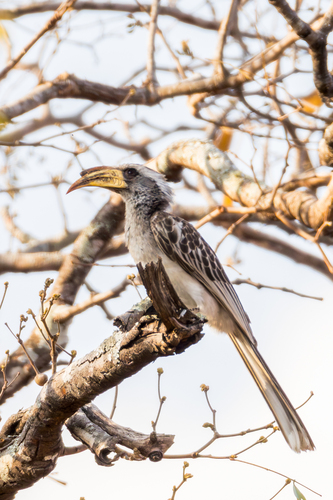
ハシジロコサイチョウ (Lophoceros pallidirostris) ハシジロコサイチョウ
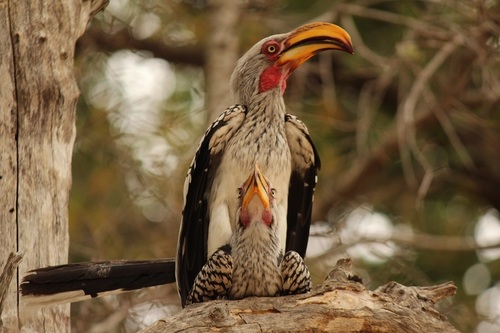
ミナミキバシコサイチョウ (Tockus leucomelas) ミナミキバシコサイチョウ

メディア

読み込み中…

要点

ハシジロコサイチョウとミナミキバシコサイチョウの最も信頼できるフィールドマークは、くちばしの色と構造です:ハシジロコサイチョウは淡い(象牙色から角色)くちばしを持ち、ミナミキバシコサイチョウは非常に明るい黄色で、長く、強く下向きに曲がったくちばしを持っています。両種は中型のコサイチョウで、全体的な形は似ていますが、ミナミキバシコサイチョウは一般的に重く、小さなカスケを持つより頑丈なくちばしを持っています。羽毛の違いは微妙なので、特に距離がある場合や光が悪い場合は、くちばしの色と構造が最良のフィールドの手がかりです。生息地も役立ちます:ミナミキバシコサイチョウは南アフリカの乾燥したトーンヴェルドや広葉樹林に典型的で、ハシジロコサイチョウは北と東に多く、しばしばミオンボ林に生息しています。

識別のコツ

  1. くちばしの色は最も有用なフィールドマークです: ハシジロコサイチョウは淡い(象牙色または角色)のくちばしを持ち、ミナミキバシコサイチョウは明るい黄色のくちばしを持っています。これはすべての年齢と性別に対して信頼できます。
  2. くちばしの構造: ミナミキバシコサイチョウのくちばしは長く、強く下向きに曲がっており、頑丈で、小さくて目立つカスケがあります(特にオスでは、ほぼ全体のくちばしの長さを覆います)。ハシジロコサイチョウのくちばしも長いですが、明るい黄色の色がなく、スリムまたは頑丈さが欠けているように見えることがあります。
  3. カスケの存在: ミナミキバシコサイチョウは小さなカスケを示し、オスで最もよく見られます。ハシジロコサイチョウではカスケは目立たないか、存在しません。
  4. 羽毛のパターン: 両種は全体的に黒と白で、白い腹部と斑点または縞模様の上面を持っています。ミナミキバシコサイチョウは斑点のある灰色の首と軽く縞模様の胸を示しますが、これらは微妙で、フィールドでは常に見えるわけではありません。
  5. 目と顔の皮膚: ミナミキバシコサイチョウは通常、黄色い目と目の周りのピンク色の皮膚を持っています。ハシジロコサイチョウの顔の皮膚の色はここでは指定されていないので、よく見えて地域のガイドで確認されない限り、このマークに頼らないでください。
  6. 飛行スタイル: ミナミキバシコサイチョウは、重い羽ばたきと滑空を交互に行い、下翼の覆羽が欠けているため、わずかに異なる飛行プロファイルを持つことがありますが、これは直接比較なしでは強いフィールドマークではありません。
  7. 採餌行動: ミナミキバシコサイチョウは、開けた場所で地面を採餌しているのがよく見られ、時には群れで見られます。ハシジロコサイチョウは地上での行動が少ないかもしれませんが、これは行動の詳細がない限り信頼できる区別ではありません。
  8. 生息地と範囲: 南アフリカの乾燥したトーンヴェルドや広葉樹林にいる場合、ミナミキバシコサイチョウが期待されます。北のミオンボ林(アンゴラ、DRC、ザンビア、マラウイなど)では、ハシジロコサイチョウがより可能性が高いです。
  9. サイズ: ミナミキバシコサイチョウはわずかに重く、特にくちばしではより大きく見えることがありますが、サイズの重複は重要であり、主要なフィールドマークではありません。
  10. 性差: ミナミキバシコサイチョウでは、オスはメスよりも長いくちばしとより広範なカスケを持っていますが、両性とも黄色いくちばしを共有しています。フィールドでのハシジロコサイチョウの性差はあまり関連性がありません。
  11. 幼鳥/未成熟羽毛: どちらの種についても、特異な幼鳥または未成熟の翼や飛行マークは記述されていません;くちばしの色が最良の手がかりです。
  12. 声: メモには音声の違いは記述されていません;地元の経験がない限り、呼び声に頼らないでください。
  13. 落とし穴: 微妙な羽毛の違いやサイズだけに頼らないでください;常に最初にくちばしの色を確認してください。光が悪い場合、くちばしの色が薄く見えることがあるので、範囲と生息地を補助的な手がかりとして使用してください。
  14. 季節的文脈: 両種は常駐しており、季節は羽毛やくちばしの色に影響を与えず、識別を助けることはありません。
  15. 疑問がある場合: くちばしが明確に黄色でない場合は、特にミナミキバシコサイチョウのコア範囲外では、ハシジロコサイチョウを考慮してください。

大きさ

ミナミキバシコサイチョウは平均してわずかに大きく、重い(体重約189.5 g [wikidata])、長さは48〜60 cmです。ハシジロコサイチョウの質量は指定されていませんが、両者は中型のコサイチョウで、サイズが重複しています。フィールドでは、サイズだけでは信頼できる区別ではありませんが、ミナミキバシコサイチョウは特にくちばしでより大きく見えることがあります。

羽色

利用可能なメモには、どちらの種についても特異な年齢特有の翼や飛行パターンの違いは記述されていません。両者は主に黒と白の羽毛を持っています:ミナミキバシコサイチョウは白い腹部、斑点のある灰色の首、白い斑点と縞模様のある黒い背中、軽く縞模様のある胸を示します。ハシジロコサイチョウの羽毛はここでは詳細に説明されていませんが、一般的にパターンは似ており、強い色のコントラストや独特のマーキングは記載されていません。したがって、羽毛は信頼できる区別ではなく、くちばしの色がすべての年齢と性別で診断的です。

行動

ミナミキバシコサイチョウは、種子、昆虫、クモ、サソリを地面で採餌しているのがよく見られ、滑空と重い羽ばたきを交互に行う強力な飛行者として説明されています。これは、その範囲内で一般的で目立つ居住者であり、しばしばペアまたは小さなグループで見られます。ハシジロコサイチョウの行動は詳細には説明されていませんが、同じ属のメンバーとして、似たような習性を共有している可能性がありますが、地域の文脈によっては目立たないか、地上性が低いかもしれません。

生息環境

ミナミキバシコサイチョウは南アフリカの乾燥したトーンヴェルドや広葉樹林に典型的で、しばしば乾燥または半乾燥地域に生息しています。ハシジロコサイチョウは北と東に多く、アンゴラ、DRC、ケニア、マラウイ、モザンビーク、タンザニア、ザンビアなどの国々で、ミオンボ林に関連しています。範囲と生息地は役立ちます:南アフリカの乾燥したトーンヴェルドにいる場合、ミナミキバシコサイチョウがはるかに可能性が高いです;ミオンボの北部では、ハシジロコサイチョウが期待されます。

より良い説明を送る

比較と同じ項目を使ってください。文章はすぐに公開されます。

The most reliable field mark between Pale-billed Hornbill and Southern Yellow-billed Hornbill is the color and structure of the bill: Pale-billed has a pale (ivory to horn-colored) bill, while Southern Yellow-billed has a strikingly bright yellow, long, and strongly down-curved bill. Both species are medium-sized hornbills with similar overall shape, but Southern Yellow-billed is generally heavier and has a more robust bill with a small casque. Plumage differences are subtle, so bill color and structure are the best field clues, especially at a distance or in poor light. Habitat can also help: Southern Yellow-billed is typical of dry thornveld and broad-leafed woodlands in southern Africa, while Pale-billed occurs more to the north and east, often in miombo woodland.

  1. Bill color is the single most useful field mark: Pale-billed Hornbill has a pale (ivory or horn-colored) bill, while Southern Yellow-billed Hornbill has a bright yellow bill. This is reliable for all ages and sexes.
  2. Bill structure: Southern Yellow-billed's bill is long, strongly down-curved, and robust, with a small but noticeable casque (especially in males, where it covers almost the entire bill length). Pale-billed's bill is also long but lacks the bright yellow color and may appear slimmer or less robust.
  3. Casque presence: Southern Yellow-billed Hornbill shows a small casque, best seen in males. Casque is less prominent or absent in Pale-billed.
  4. Plumage pattern: Both species are black and white overall, with white belly and spotted or streaked upperparts. Southern Yellow-billed shows a gray neck with spots and a lightly striated chest, but these are subtle and not always visible in the field.
  5. Eye and facial skin: Southern Yellow-billed usually has yellow eyes and pinkish skin around the eyes and malar stripe. Pale-billed's facial skin color is not specified here, so do not rely on this mark unless seen well and confirmed with a regional guide.
  6. Flight style: Southern Yellow-billed Hornbill alternates glides with heavy wingbeats and lacks underwing coverts, which may give a slightly different flight profile, but this is not a strong field mark without direct comparison.
  7. Foraging behavior: Southern Yellow-billed is often seen foraging on the ground in open areas, sometimes in groups. Pale-billed may be less terrestrial, but this is not a reliable separator without more behavioral detail.
  8. Habitat and range: If you are in southern Africa's dry thornveld or broad-leafed woodland, Southern Yellow-billed is expected. In miombo woodland further north (Angola, DRC, Zambia, Malawi, etc.), Pale-billed is more likely.
  9. Size: Southern Yellow-billed is slightly heavier and may appear bulkier, especially in the bill, but size overlap is significant and not a primary field mark.
  10. Sex differences: In Southern Yellow-billed, males have a longer bill and more extensive casque than females, but both sexes share the yellow bill. Sex differences are less relevant for Pale-billed in the field.
  11. Juvenile/immature plumage: No distinctive juvenile or immature wing or flight marks are described for either species; bill color is still the best clue.
  12. Voice: No vocal differences are described in the notes; do not rely on calls for separation unless you have local experience.
  13. Pitfalls: Do not rely on subtle plumage differences or size alone; always check bill color first. In poor light, bill color may appear washed out, so use range and habitat as supporting clues.
  14. Seasonal context: Both species are resident; season does not affect plumage or bill color in a way that aids identification.
  15. When in doubt: If the bill is not clearly yellow, consider Pale-billed, especially outside the core range of Southern Yellow-billed.

Southern Yellow-billed Hornbill is slightly larger and heavier on average (body mass about 189.5 g [wikidata]), with a length of 48–60 cm. Pale-billed Hornbill's mass is not specified, but both are medium-sized hornbills and overlap in size. In the field, size alone is not a reliable separator, but Southern Yellow-billed may appear bulkier, especially in the bill.

No distinctive age-specific wing or flight pattern differences are described for either species in the available notes. Both have predominantly black and white plumage: Southern Yellow-billed Hornbill shows a white belly, gray neck with spots, black back with white spots and stripes, and a lightly striated chest. The Pale-billed Hornbill's plumage is not detailed here, but it is generally similar in pattern, with no strong color contrasts or unique markings noted. Thus, plumage is not a reliable separator except for the bill color, which is diagnostic in all ages and sexes.

Southern Yellow-billed Hornbill is often seen foraging on the ground for seeds, insects, spiders, and scorpions, and is described as a powerful flier alternating glides and heavy wingbeats. It is a common and conspicuous resident in its range, often seen in pairs or small groups. Pale-billed Hornbill's behavior is not detailed, but as a member of the same genus, it likely shares similar habits, though it may be less conspicuous or less terrestrial depending on local context.

Southern Yellow-billed Hornbill is typical of dry thornveld and broad-leafed woodlands in southern Africa, often in arid or semi-arid regions. Pale-billed Hornbill occurs further north and east, in countries like Angola, DRC, Kenya, Malawi, Mozambique, Tanzania, and Zambia, and is associated with miombo woodland. Range and habitat can help: if you are in southern Africa's dry thornveld, Southern Yellow-billed is far more likely; further north in miombo, Pale-billed is expected.

変更を破棄しますか?

保存していない編集があります。今離れると失われます。

ハシジロコサイチョウ · ミナミキバシコサイチョウ · 苦手な鳥