

Motmot

アマツバメ 対 アジアヤシアマツバメ

Apus pacificus 対 Cypsiurus balasiensis

アマツバメとアジアヤシアマツバメのクイズ
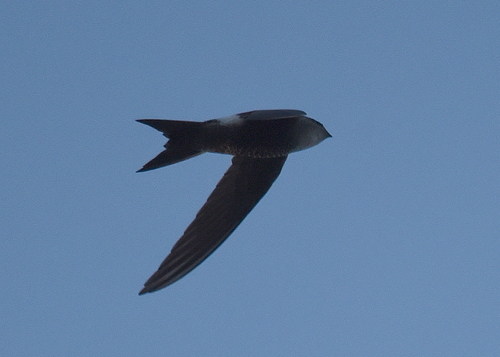
アマツバメ (Apus pacificus) アマツバメ
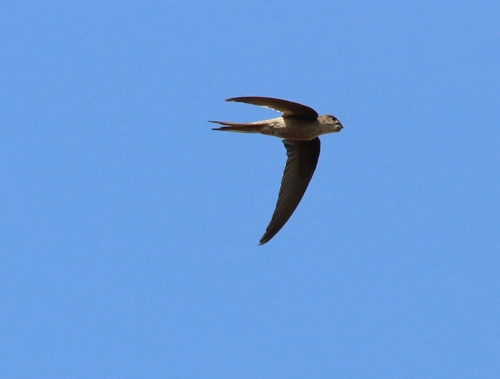
アジアヤシアマツバメ (Cypsiurus balasiensis) アジアヤシアマツバメ

メディア

読み込み中…

要点

アマツバメとアジアヤシアマツバメの最も信頼できるフィールドマークはサイズです:アマツバメははるかに大きくてずんぐりしており、広い白い尾羽帯と深い尾の分岐がありますが、アジアヤシアマツバメは小さく、細長く、淡い茶色で、通常は閉じた状態で保持される長くて細い深く分岐した尾を持っています。幼鳥のアマツバメは特に翼に淡い羽毛の縁取りを示しますが、アジアヤシアマツバメの幼鳥は主に短い尾で区別されます。飛行中、アマツバメは力強く広い翼を持っているように見えますが、アジアヤシアマツバメは繊細で三日月のような翼を持ち、ほぼコウモリのようです。両種は似たようなアマツバメのようなシルエットを持っていますが、比率と飛行スタイルは著しく異なります。

識別のコツ

  1. Size is the fastest separator: アマツバメはアジアヤシアマツバメよりもはるかに大きくてずんぐりしています。もしスワローやマーチンとほぼ同じ大きさに見えるアマツバメを見たら、それはアジアヤシアマツバメではありません。
  2. White rump band: アマツバメはすべての羽色で見える広い対照的な白い尾羽帯を持っています(南部亜種では狭くなります)が、アジアヤシアマツバメは尾羽に白い部分がなく、その背中は均一に淡い茶色です。
  3. Overall color: アマツバメは上面と下面が黒っぽく、頭は灰色で、腹部には鱗状の淡い縁取りがあります;アジアヤシアマツバメは全体的に淡い茶色で、強いコントラストや鱗状の効果がありません。
  4. Tail shape and use: 両種は深く分岐した尾を持っていますが、アマツバメの尾の分岐は飛行中に明らかで、アジアヤシアマツバメは通常尾を閉じて保持し、扇状に広げない限り尖っているかわずかに切り込んでいるように見えます。
  5. Wing shape: アマツバメは長くて鎌形の翼を持ち、広くて力強く見えます;アジアヤシアマツバメの翼は長く、後方に流れ、三日月形やブーメランのように見えます—アマツバメよりもはるかに狭く、繊細です。
  6. Flight style: アマツバメは強く、直接的な翼の羽ばたきで飛び、しばしば空高く滑空します;アジアヤシアマツバメはひらひらとした急速な飛行をし、しばしば野原やヤシの木の上を低く飛びます。
  7. Juvenile marks: 幼鳥のアマツバメは翼の羽毛に淡い縁取りと鱗状の腹部を示します;アジアヤシアマツバメの幼鳥は主に短い尾で区別され、翼や体の模様ではありません。
  8. Head and throat: アマツバメはわずかに突出した頭を持ち、一部の亜種では大きな白い喉の斑点があります。アジアヤシアマツバメの頭は目立たず、喉の斑点がありません。
  9. Context and habitat: 鳥がヤシの木や耕作された野原の上を低く飛んでいる場合、特に南アジアや東南アジアでは、アジアヤシアマツバメの可能性が高いです。アマツバメは開けた空で見られることが多く、時には植生から遠く離れていることがあります。
  10. Vocalization: 小さくて速く飛ぶアマツバメからの持続的で高音の悲鳴は典型的です。アマツバメは一般的に静かで、近距離ではあまり鳴かない傾向があります。
  11. Perched behavior: 両種は垂直にしがみつく以外はほとんど止まることはありませんが、アジアヤシアマツバメは巣の近くでヤシの葉の裏側にしがみついているのが見られることがあります。
  12. Flock composition: アマツバメは移動中に混合アマツバメの群れで見られることがありますが、そのサイズと白い尾羽が目立ちます。アジアヤシアマツバメはしばしばヤシの木の近くで緩い低飛行の群れを形成します。
  13. Sex and age: 両種は羽色において性別が同じです。幼鳥のアマツバメだけが明らかな淡い羽毛の縁取りを示し、アジアヤシアマツバメの幼鳥は主に短い尾を持っています。
  14. Potential confusion: 白化型のヨーロッパアマツバメは白い尾羽を持つためアマツバメと間違えられる可能性がありますが、アジアヤシアマツバメの構造と色は決してアマツバメに近くありません。
  15. When in doubt: サイズ、尾羽の色、飛行スタイルに焦点を当ててください。もし鳥が小さく、淡く、三日月のような翼を持っているなら、それはアジアヤシアマツバメです;もし大きく、黒く、白い尾羽と広い翼を持っているなら、それはアマツバメです。

大きさ

アマツバメは最大のアマツバメ属で、全長17〜18 cm、翼幅43〜54 cm、体重は約43〜45 gです。それに対して、アジアヤシアマツバメは約13 cmで、体重はわずか9.2 gとずっと小さいです。このサイズの違いはフィールドで劇的です:アマツバメは頑丈で重そうに見えますが、アジアヤシアマツバメは小さく、細長く、ほぼスワローの大きさです。距離があっても、アマツバメの体格と翼幅は、優雅で急速に飛ぶアジアヤシアマツバメに対して際立っています。

羽色

幼鳥のアマツバメは翼の羽毛に淡い縁取りがあり、腹部に鱗状の外観を与え、わずかに淡い翼の縁を持つことで最もよく識別されます;これは最初の完全な換羽の前に最も明らかです。アジアヤシアマツバメの幼鳥は主に短い尾を持っており、翼の模様や羽毛の縁取りではなく、大人とは異なります。成鳥のアマツバメは上面が光沢のある黒で、広い白い尾羽帯(南部亜種では狭くなる)を持ち、灰色の頭と鱗状の淡い縁取りを持つ黒い腹部があります。尾は深く分岐しており、翼は長くて鎌形です。アジアヤシアマツバメの成鳥は全体的に淡い茶色で、白い尾羽はなく、飛行中に三日月形に見える長くて後方に流れた翼を持っています。尾も深く分岐していますが、通常は閉じて保持され、明らかに分岐しているのではなく尖って見えます。両種は似たような暗い目と非常に短い脚を持っていますが、アマツバメだけが対照的な白い尾羽と鱗状の腹部を示します。

行動

アマツバメは力強い長距離の渡り鳥で、しばしば空高く飛び、強く直接的な羽ばたきと滑空を行います。低く餌を取ることはほとんどなく、目的を持った速い群れで移動する傾向があります。一方、アジアヤシアマツバメは居住者または短距離の渡り鳥で、ヤシの木や開けた国と強く関連しています。ほとんどの時間を野原やヤシの木の近くを低く飛び、急速でひらひらしたコウモリのような飛行をします。アジアヤシアマツバメはしばしば地面の近くで餌を取り、植生や建物の近くで見られる可能性が高いです。両種はほぼ常に空中にあり、垂直に表面にしがみつく以外はほとんど止まることはありません。

生息環境

アマツバメは東アジアで繁殖し、東南アジアやオーストラリアに渡り、さまざまな生息地を通過しますが、通常は開けた空で見られ、しばしば木や建物から遠く離れています。東南アジアの一部では通過する渡り鳥です。アジアヤシアマツバメはインドからフィリピンまでの熱帯アジアで一般的な居住者で繁殖し、ほぼ常に開けた国、耕作地、または油ヤシの近くで見られます。ヤシの木や開けた低地の生息地から離れているのはまれで、ヤシとの強い関連は良い文脈の手がかりです。

声

アジアヤシアマツバメは大きく高音の悲鳴を上げ、しばしば野原やヤシの木の上を低く飛ぶときに聞かれます。アマツバメの鳴き声はメモに記載されていませんが、一般的に高音ではなく、近距離では聞かれる可能性が低いです。混合アマツバメの群れでは、持続的で鋭い悲鳴はアジアヤシアマツバメの可能性が高いです。

より良い説明を送る

比較と同じ項目を使ってください。文章はすぐに公開されます。

The most reliable field mark between Pacific Swift and Asian Palm Swift is size: Pacific Swift is much larger and bulkier, with a broad white rump band and a deeper tail fork, while Asian Palm Swift is tiny, slender, and pale brown, with a long, thin, deeply forked tail usually held closed. Juvenile Pacific Swifts show pale feather fringes, especially on the wings, but Asian Palm Swift immatures are mainly distinguished by shorter tails. In flight, Pacific Swift appears powerful and broad-winged, whereas Asian Palm Swift is delicate, crescent-winged, and almost bat-like. Both species have similar swift-like silhouettes, but their proportions and flight style are strikingly different.

  1. Size is the fastest separator: Pacific Swift is much larger and bulkier than Asian Palm Swift. If you see a swift that looks almost as big as a swallow or martin, it's not an Asian Palm Swift.
  2. White rump band: Pacific Swift has a broad, contrasting white rump band visible in all plumages (narrower in southern subspecies), while Asian Palm Swift lacks any white on the rump—its back is uniformly pale brown.
  3. Overall color: Pacific Swift is blackish above and below, with a greyer head and scaly pale fringes on the belly; Asian Palm Swift is pale brown overall, lacking any strong contrast or scaly effect.
  4. Tail shape and use: Both species have deeply forked tails, but Pacific Swift's fork is obvious in flight, while Asian Palm Swift usually holds its tail closed, making it look pointed or only slightly notched except when fanned.
  5. Wing shape: Pacific Swift has long, sickle-shaped wings that look broad and powerful; Asian Palm Swift's wings are long and swept back, giving a crescent or boomerang look—much narrower and more delicate than Pacific Swift.
  6. Flight style: Pacific Swift flies with strong, direct wingbeats and glides, often high in the sky; Asian Palm Swift is fluttery, rapid, and bat-like, often low over fields or palms.
  7. Juvenile marks: Juvenile Pacific Swifts show pale fringes on wing feathers and a scaly belly; Asian Palm Swift juveniles are best told by their shorter tails, not by wing or body pattern.
  8. Head and throat: Pacific Swift has a slightly protruding head and, in some subspecies, a larger white throat patch. Asian Palm Swift's head is less prominent and lacks any throat patch.
  9. Context and habitat: If the bird is flying low over palms or cultivated fields, especially in South or Southeast Asia, Asian Palm Swift is more likely. Pacific Swift is more often seen in open skies, sometimes far from vegetation.
  10. Vocalization: A persistent, shrill scream from a small, fast-flying swift is typical of Asian Palm Swift. Pacific Swift is generally quieter or calls less frequently at close range.
  11. Perched behavior: Both species rarely perch except to cling vertically, but Asian Palm Swift may be seen clinging to the underside of palm leaves near nests.
  12. Flock composition: Pacific Swift may be seen in mixed swift flocks during migration, but its size and white rump stand out. Asian Palm Swift often forms loose, low-flying groups near palms.
  13. Sex and age: Both species are sexually monomorphic in plumage. Only juvenile Pacific Swift shows obvious pale feather fringes; Asian Palm Swift juveniles are mainly shorter-tailed.
  14. Potential confusion: A leucistic Common Swift with a white rump could be mistaken for Pacific Swift, but Asian Palm Swift's structure and color are never close to Pacific Swift.
  15. When in doubt: Focus on size, rump color, and flight style. If the bird is small, pale, and crescent-winged, it's Asian Palm Swift; if it's large, black, with a white rump and broad wings, it's Pacific Swift.

Pacific Swift is the largest Apus swift, measuring 17–18 cm in length with a 43–54 cm wingspan and a body mass around 43–45 g. In contrast, Asian Palm Swift is much smaller at about 13 cm long and only 9.2 g in mass. This size difference is dramatic in the field: Pacific Swift looks robust and heavy, while Asian Palm Swift is tiny, slender, and almost swallow-sized. Even at a distance, the bulk and wingspan of Pacific Swift stand out against the dainty, rapid-flying Asian Palm Swift.

Juvenile Pacific Swifts are best identified by pale fringes to the wing feathers, giving a scaly look to the underparts and a slightly paler wing edge; this is most visible before their first complete moult. Asian Palm Swift juveniles differ from adults mainly in having shorter tails, not in wing pattern or feather edging. Adult Pacific Swifts are glossy black above with a broad white rump band (narrower in some southern subspecies), a greyer head, and black underparts with pale feather fringes creating a scaly effect below. Their tail is deeply forked and the wings are long and sickle-shaped. Asian Palm Swift adults are pale brown overall, with no white rump, and have long, swept-back wings that look crescent-shaped in flight. Their tail is also deeply forked but is usually held closed, making it appear pointed rather than obviously forked. Both species have similar dark eyes and very short legs, but only Pacific Swift shows a contrasting white rump and scaly underparts.

Pacific Swift is a powerful, long-distance migrant, often seen high in the sky, flying with strong, direct wingbeats and glides. It rarely feeds low and tends to move in purposeful, fast-moving flocks. Asian Palm Swift, on the other hand, is a resident or short-distance migrant, strongly associated with palms and open country. It spends most of its time flying low over fields or near palms, with rapid, fluttery, bat-like flight. Asian Palm Swifts often feed near the ground and are much more likely to be seen close to vegetation or buildings. Both species are almost always airborne, rarely perching except to cling vertically to surfaces.

Pacific Swift breeds in eastern Asia and migrates to Southeast Asia and Australia, passing through a wide range of habitats but usually seen in open skies, often far from trees or buildings. It is a passage migrant in some parts of Southeast Asia. Asian Palm Swift is a common resident breeder in tropical Asia from India to the Philippines, almost always found in open country, cultivation, or near oil palms. It is rarely seen away from palms or open lowland habitats, and its strong association with palms is a good contextual clue.

Asian Palm Swift gives a loud, shrill scream, often heard as it flies low over fields or palms. Pacific Swift's call is not described in the notes, but it is generally less shrill and less likely to be heard at close range, as the species tends to fly higher and is less vocal near the ground. In a mixed swift flock, a persistent, piercing scream is more likely to be Asian Palm Swift.

変更を破棄しますか?

保存していない編集があります。今離れると失われます。

アマツバメ · アジアヤシアマツバメ · 苦手な鳥