

Motmot

ズアオホオジロ 対 ノドアカホオジロ

Emberiza hortulana 対 Emberiza caesia

ズアオホオジロとノドアカホオジロのクイズ
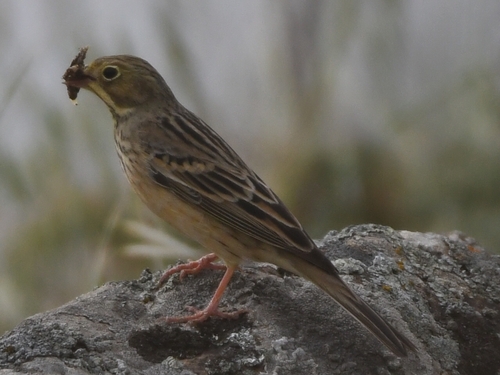
ズアオホオジロ (Emberiza hortulana) ズアオホオジロ
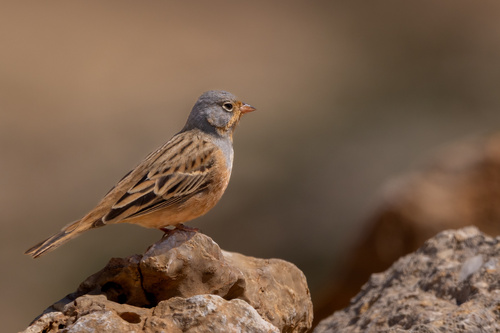
ノドアカホオジロ (Emberiza caesia) ノドアカホオジロ

メディア

読み込み中…

要点

オルトランホオジロとノドアカホオジロを区別するための最も信頼できるフィールドマークは、特に繁殖期のオスにおける頭部と尾羽の色彩です:オルトランは緑がかった灰色の頭と無地の茶色の尾羽を持ち、ノドアカホオジロはオレンジ色の口ひげを持つ灰色の頭と明らかに温かみのある茶色の尾羽を示します。雌や幼鳥はより難しいですが、ノドアカホオジロは通常、白いアイリングと温かみのある尾羽を示し、オルトランはより地味です。ノドアカホオジロはまた、わずかに小さく、よりコンパクトで、くちばしがピンクがかっています。すべての年齢において、ノドアカホオジロの尾羽の色とアイリングに注目し、オルトランの全体的に地味で冷たいトーンに注目してください。若い個体や雌のノドアカホオジロはオルトランに非常に似ていることがあるため、複数の特徴を確認する必要があります。

識別のコツ

  1. 頭部の色彩(繁殖期のオス): オルトランホオジロは緑がかった灰色の頭を示し、ノドアカホオジロは目を引くオレンジ色の口ひげを持つ灰色の頭を持っています。これは繁殖期の成鳥オスにおける最も明白な違いです。
  2. 尾羽の色: すべての年齢のノドアカホオジロは温かみのある茶色の尾羽を持ち、上面の他の部分と対照的です。オルトランホオジロの尾羽は無地の茶色で、色があまりはっきりしておらず、背中と混ざっています。
  3. 腹部(繁殖期のオス): ノドアカホオジロは錆色のオレンジ色の腹部を持ち、オルトランの腹部はより鈍く、色が薄いです。
  4. アイリング: 雌および幼鳥のノドアカホオジロは目立つ白いアイリングを示し、オルトランホオジロには欠けているか、はるかに弱いです。これは非繁殖期および若い鳥のための重要なマークです。
  5. くちばしの色: ノドアカホオジロはピンクがかったくちばしを持ち、特に繁殖羽毛の時に目立ちます。オルトランのくちばしは色があまりはっきりしていませんが、このマークは微妙で変動します。
  6. 上面の縞模様: ノドアカホオジロは尾羽を除いて、茶色の上面に濃い縞模様があります。オルトランは一般的に上面がより地味で、背中と尾羽の間のコントラストが少ないです。
  7. 頭部の模様(雌/幼鳥): 雌および若いノドアカホオジロは弱い頭部の模様を持っていますが、アイリングと温かみのあるトーンを示し、オルトランはより均一に地味で冷たいトーンです。
  8. サイズと構造: ノドアカホオジロはオルトランよりわずかに小さく、よりコンパクトですが、これは微妙で信頼できません。
  9. 飛行時の視点: どちらの種についても強い翼や尾の模様の違いは記載されていないため、飛行中に見られた場合は尾羽の色と全体的なトーンに注目してください。
  10. 性別と年齢の落とし穴: 両種の雌および幼鳥は非常に似ており、混同されることがあります。尾羽の色、アイリング、および羽毛の全体的な温かみの組み合わせを使用して区別してください;単一の特徴に頼るのは避けてください。
  11. 季節的変動: 繁殖期のオスは頭部と腹部の色で最も簡単に区別できます。秋と冬、または雌/幼鳥の場合は、尾羽とアイリングを使用してください。
  12. 生息地と分布: 両種が漂流者や移動者として発生する可能性がある場所では診断的ではありません。
  13. 声: 提供された情報では信頼できる区別はできません。
  14. 文脈: 他のホオジロと一緒に見られた場合、頭部と尾羽の色を直接比較してください;オルトランは常にノドアカホオジロのオレンジ色と温かみのある茶色のトーンが欠けています。
  15. 疑わしい場合: 鳥が無地の茶色の尾羽を示し、白いアイリングが欠けている場合はオルトランに傾いてください;温かみのある茶色の尾羽と白いアイリングがある場合は、ノドアカホオジロの可能性が高いです。

大きさ

ノドアカホオジロはオルトランホオジロより小さいです。オルトランは長さ16〜17 cm、翼幅23〜29 cm [wikipedia]で測定されますが、ノドアカホオジロは小さいと記載されていますが、正確な測定値はメモに記載されていません。フィールドでは、ノドアカホオジロはよりコンパクトでわずかに尾羽が短く見えることがありますが、サイズの重複が可能であり、単独の区別としては信頼できません。

羽色

繁殖期の成鳥オスの場合、オルトランホオジロは緑がかった灰色の頭を持ち、一般的に無地の茶色の尾羽と色が薄い腹部を持ちますが、ノドアカホオジロは目立つオレンジ色の口ひげを持つ灰色の頭、温かみのある茶色の尾羽、錆色のオレンジ色の腹部を示します。ノドアカホオジロの上面は茶色で、尾羽を除いて濃い縞模様があります。両種の雌および幼鳥はより似ていますが、ノドアカホオジロは温かみのある茶色の尾羽と白いアイリングで見分けられ、オルトランは全体的に地味で、強いアイリングが欠けており、冷たい茶色のトーンを示します。すべての羽毛において、オルトランはノドアカホオジロのオスのオレンジ色のトーンと対照的な頭部の模様が欠けています。メモにはどちらの種についても特有の翼の模様や飛行のマークは記載されていないため、特に止まっている鳥では頭部と尾羽の色彩、アイリングに注目するべきです。

行動

提供された情報源には、これら2種の間に診断的な行動の違いは記載されていません。両方とも習性や印象において典型的なホオジロです。

生息環境

オルトランホオジロは、ヨーロッパと西アジアのほとんどの地域でトウモロコシ畑や開けた農地を好み、スカンジナビアまで北上し、時折さらに遠くに漂流します。ノドアカホオジロの生息地はメモに詳しく記載されていませんが、両種は一般的に開けた、耕作された、または半開放的な国に関連しています。生息地は、分布が重なる場所や漂流者において信頼できる区別ではありません。

声

ノドアカホオジロの声の詳細は提供されていません。オルトランホオジロのオスの歌はキアオジに似ていると言われていますが、ノドアカホオジロの直接的な比較や説明がないため、声は現在のメモに基づいて信頼できるフィールドマークではありません。

より良い説明を送る

比較と同じ項目を使ってください。文章はすぐに公開されます。

The most reliable field mark for separating Ortolan Bunting from Cretzschmar's Bunting is the head and rump coloration, especially in breeding males: Ortolan has a greenish-grey head and plain brown rump, while Cretzschmar's shows a grey head with orange moustaches and a distinctly warm brown rump. Females and immatures are trickier, but Cretzschmar's typically shows a white eye-ring and warmer rump, while Ortolan is plainer. Cretzschmar's is also slightly smaller and more compact, with a pinker bill. In all ages, focus on the rump color and eye-ring for Cretzschmar's, and the overall plainer, colder tones for Ortolan. Beware that young and female Cretzschmar's can closely resemble Ortolan, so multiple features should be checked.

  1. Head coloration (breeding males): Ortolan Bunting shows a greenish-grey head, while Cretzschmar's Bunting has a grey head with striking orange moustaches. This is the most obvious difference in adult males during the breeding season.
  2. Rump color: Cretzschmar's Bunting of all ages has a warm brown rump, contrasting with the rest of the upperparts. Ortolan Bunting's rump is plain brown and less distinctly colored, blending with the back.
  3. Underparts (breeding males): Cretzschmar's Bunting has rusty orange underparts, while Ortolan's are duller and less saturated.
  4. Eye-ring: Female and immature Cretzschmar's Buntings show a noticeable white eye-ring, which is lacking or much weaker in Ortolan Bunting. This is a key mark for non-breeding and young birds.
  5. Bill color: Cretzschmar's Bunting has a pinkish bill, especially noticeable in breeding plumage. Ortolan's bill is less distinctly colored but this mark is subtle and variable.
  6. Upperparts streaking: Cretzschmar's Bunting has heavily streaked brown upperparts except on the rump, which is plain and warm brown. Ortolan is generally plainer above, with less contrast between back and rump.
  7. Head pattern (females/immatures): Female and young Cretzschmar's have a weaker head pattern but still show the eye-ring and warmer tones, while Ortolan is more uniformly plain and cold-toned.
  8. Size and structure: Cretzschmar's is slightly smaller and more compact than Ortolan, but this is subtle and unreliable on lone birds.
  9. Flight views: No strong wing or tail pattern differences are described for either species, so focus on rump color and overall tones if seen in flight.
  10. Sex and age pitfalls: Females and immatures of both species are very similar and can be confused. Use a combination of rump color, eye-ring, and overall warmth of plumage to separate them; avoid relying on a single feature.
  11. Seasonal variation: Breeding males are easiest to separate by head and underpart color. In autumn and winter, or for females/immatures, use rump and eye-ring.
  12. Habitat and range: Not diagnostic where both species may occur as vagrants or migrants.
  13. Voice: Not reliably separable with the information provided.
  14. Context: If seen with other buntings, compare directly for head and rump color; Ortolan will always lack the orange and warm brown tones of Cretzschmar's.
  15. When in doubt: If the bird shows a plain brown rump and lacks a white eye-ring, lean toward Ortolan; if it has a warm brown rump and a white eye-ring, Cretzschmar's is more likely.

Cretzschmar's Bunting is smaller than Ortolan Bunting. Ortolan measures 16–17 cm in length with a wingspan of 23–29 cm [wikipedia], while Cretzschmar's is described as smaller, though precise measurements are not given in the notes. In the field, Cretzschmar's may appear more compact and slightly shorter-tailed, but size overlap is possible and should not be relied on as a sole separator.

For adult breeding males, Ortolan Bunting has a greenish-grey head with a generally plain brown rump and less saturated underparts, while Cretzschmar's Bunting shows a grey head with prominent orange moustaches, a warm brown rump, and rusty orange underparts. The upperparts of Cretzschmar's are brown and heavily streaked except on the rump, which is a key contrast. Females and juveniles of both species are more similar, but Cretzschmar's can be picked out by its warmer brown rump and a white eye-ring, whereas Ortolan is plainer overall, lacking a strong eye-ring and showing a colder brown tone. In all plumages, Ortolan lacks the orange tones and the contrasting head pattern of male Cretzschmar's. No distinctive wing pattern or flight mark is described for either species in the notes, so focus should remain on head and rump coloration, and eye-ring, especially in perched birds.

No diagnostic behavioral differences are noted between these two species in the sources provided. Both are typical buntings in habits and jizz.

Ortolan Bunting frequents cornfields and open farmland across most of Europe and West Asia, reaching as far north as Scandinavia and occasionally vagrant farther afield. Cretzschmar's Bunting habitat is not detailed in the notes, but both species are generally associated with open, cultivated, or semi-open country. Habitat is not a reliable separator where ranges overlap or for vagrants.

No vocalization details are provided for Cretzschmar's Bunting. Ortolan Bunting's male song is said to resemble that of the Yellowhammer, but without a direct comparison or description for Cretzschmar's, voice is not a reliable field mark based on the current notes.

変更を破棄しますか?

保存していない編集があります。今離れると失われます。

ズアオホオジロ · ノドアカホオジロ · 苦手な鳥