

Ortolano vs Ortolano grigio
Emberiza hortulana contro Emberiza caesia
Fai un quiz con Ortolano e Ortolano grigio
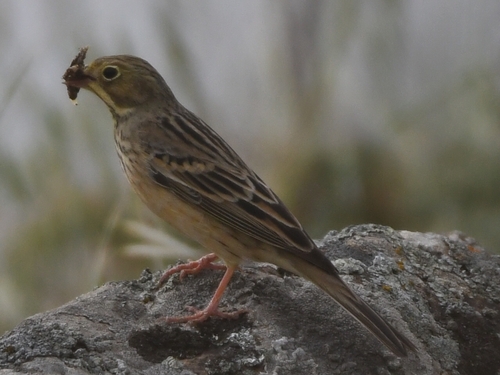 Ortolano
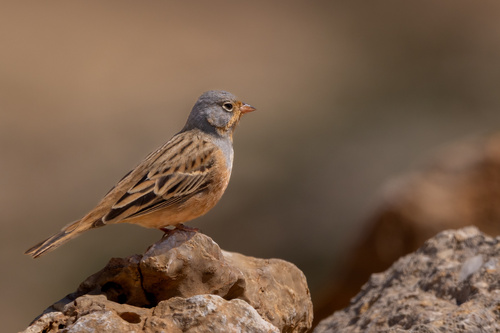 Ortolano grigio
In breve
Il segno di campo più affidabile per separare l'Ortolano dall'Ortolano grigio è la colorazione della testa e del coda, specialmente nei maschi in riproduzione: l'Ortolano ha una testa grigio-verde e una coda marrone uniforme, mentre l'Ortolano grigio mostra una testa grigia con baffi arancioni e una coda marrone caldo e distintivo. Le femmine e gli immaturi sono più difficili, ma l'Ortolano grigio mostra tipicamente un anello oculare bianco e una coda più calda, mentre l'Ortolano è più uniforme. L'Ortolano grigio è anche leggermente più piccolo e più compatto, con un becco più rosa. In tutte le età, concentrati sul colore della coda e sull'anello oculare per l'Ortolano grigio, e sui toni complessivamente più uniformi e freddi per l'Ortolano. Fai attenzione che i giovani e le femmine dell'Ortolano grigio possono assomigliare molto all'Ortolano, quindi dovrebbero essere controllate più caratteristiche.
Consigli di identificazione
- Colorazione della testa (maschi in riproduzione): L'Ortolano mostra una testa grigio-verde, mentre l'Ortolano grigio ha una testa grigia con baffi arancioni evidenti. Questa è la differenza più ovvia nei maschi adulti durante la stagione di riproduzione.
- Colore della coda: L'Ortolano grigio di tutte le età ha una coda marrone caldo, in contrasto con il resto delle parti superiori. La coda dell'Ortolano è marrone uniforme e meno distintamente colorata, fondendosi con la schiena.
- Parte inferiore (maschi in riproduzione): L'Ortolano grigio ha parti inferiori arancioni ruggine, mentre quelle dell'Ortolano sono più opache e meno sature.
- Anello oculare: Le femmine e gli immaturi dell'Ortolano grigio mostrano un evidente anello oculare bianco, che è assente o molto più debole nell'Ortolano. Questo è un segno chiave per gli uccelli non in riproduzione e giovani.
- Colore del becco: L'Ortolano grigio ha un becco rosato, particolarmente evidente nel piumaggio di riproduzione. Il becco dell'Ortolano è meno distintamente colorato, ma questo segno è sottile e variabile.
- Striature delle parti superiori: L'Ortolano grigio ha parti superiori marroni fortemente striate, tranne che sulla coda, che è uniforme e marrone caldo. L'Ortolano è generalmente più uniforme sopra, con meno contrasto tra schiena e coda.
- Motivo della testa (femmine/immaturi): Le femmine e i giovani dell'Ortolano grigio hanno un motivo della testa più debole ma mostrano ancora l'anello oculare e toni più caldi, mentre l'Ortolano è più uniformemente semplice e dai toni freddi.
- Dimensione e struttura: L'Ortolano grigio è leggermente più piccolo e più compatto dell'Ortolano, ma questo è sottile e inaffidabile su uccelli isolati.
- Viste in volo: Non sono descritte differenze forti nei motivi delle ali o della coda per nessuna delle due specie, quindi concentrati sul colore della coda e sui toni complessivi se visti in volo.
- Trappole per sesso e età: Le femmine e gli immaturi di entrambe le specie sono molto simili e possono essere confusi. Usa una combinazione di colore della coda, anello oculare e calore complessivo del piumaggio per separarli; evita di fare affidamento su una singola caratteristica.
- Variazione stagionale: I maschi in riproduzione sono più facili da separare in base al colore della testa e delle parti inferiori. In autunno e inverno, o per femmine/immaturi, usa la coda e l'anello oculare.
- Habitat e distribuzione: Non è diagnostico dove entrambe le specie possono verificarsi come vagabondi o migratori.
- Voce: Non è separabile in modo affidabile con le informazioni fornite.
- Contesto: Se visti con altri ortolani, confronta direttamente il colore della testa e della coda; l'Ortolano mancherà sempre dei toni arancioni e marrone caldo dell'Ortolano grigio.
- Quando hai dubbi: Se l'uccello mostra una coda marrone uniforme e manca di un anello oculare bianco, inclina verso l'Ortolano; se ha una coda marrone caldo e un anello oculare bianco, è più probabile che sia l'Ortolano grigio.
Taglia
L'Ortolano grigio è più piccolo dell'Ortolano. L'Ortolano misura 16–17 cm di lunghezza con un'apertura alare di 23–29 cm [wikipedia], mentre l'Ortolano grigio è descritto come più piccolo, anche se le misurazioni precise non sono fornite nelle note. Sul campo, l'Ortolano grigio può apparire più compatto e leggermente con la coda più corta, ma è possibile una sovrapposizione di dimensioni e non dovrebbe essere considerata come unico separatore.
Piumaggio
Per i maschi adulti in riproduzione, l'Ortolano ha una testa grigio-verde con una coda generalmente marrone uniforme e parti inferiori meno sature, mentre l'Ortolano grigio mostra una testa grigia con baffi arancioni prominenti, una coda marrone caldo e parti inferiori arancioni ruggine. Le parti superiori dell'Ortolano grigio sono marroni e fortemente striate, tranne che sulla coda, che è un contrasto chiave. Le femmine e i giovani di entrambe le specie sono più simili, ma l'Ortolano grigio può essere identificato dalla sua coda marrone più calda e da un anello oculare bianco, mentre l'Ortolano è più uniforme nel complesso, privo di un forte anello oculare e mostrando un tono marrone più freddo. In tutti i piumaggi, l'Ortolano manca dei toni arancioni e del motivo della testa contrastante del maschio dell'Ortolano grigio. Non è descritto alcun motivo distintivo delle ali o segno di volo per nessuna delle due specie nelle note, quindi l'attenzione dovrebbe rimanere sulla colorazione della testa e della coda, e sull'anello oculare, specialmente negli uccelli in pericolo.
Comportamento
Non sono notate differenze comportamentali diagnostiche tra queste due specie nelle fonti fornite. Entrambi sono ortolani tipici nelle abitudini e nel comportamento.
Habitat
L'Ortolano frequenta i campi di mais e le terre agricole aperte in gran parte dell'Europa e dell'Asia occidentale, raggiungendo a nord fino alla Scandinavia e occasionalmente vagabondando più lontano. L'habitat dell'Ortolano grigio non è dettagliato nelle note, ma entrambe le specie sono generalmente associate a paesaggi aperti, coltivati o semi-aperti. L'habitat non è un separatore affidabile dove le distribuzioni si sovrappongono o per i vagabondi.
Voce
Non sono forniti dettagli sulla vocalizzazione dell'Ortolano grigio. Si dice che il canto del maschio dell'Ortolano assomigli a quello dello Zigolo giallo, ma senza un confronto diretto o una descrizione per l'Ortolano grigio, la voce non è un segno di campo affidabile basato sulle note attuali.