

Motmot

シキチョウ 対 アカハラシキチョウ

Copsychus saularis 対 Copsychus malabaricus

シキチョウとアカハラシキチョウのクイズ
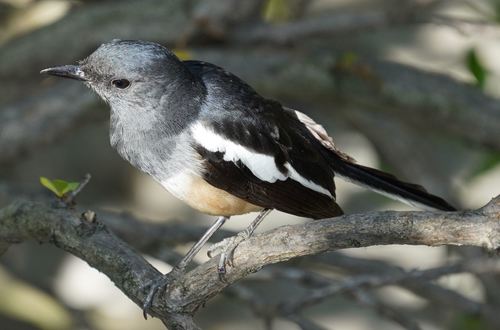
シキチョウ (Copsychus saularis) シキチョウ
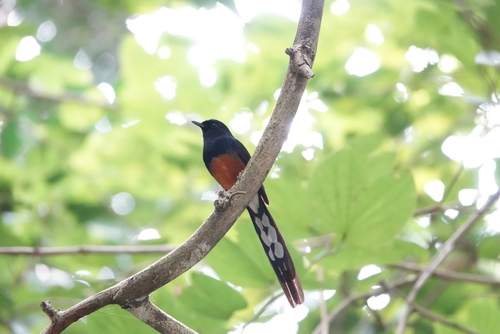
アカハラシキチョウ (Copsychus malabaricus) アカハラシキチョウ

メディア

読み込み中…

要点

シキチョウとアカハラシキチョウを区別する最も信頼できる方法は、オスの羽毛によるものです:オスのシキチョウははっきりとした黒と白ですが、オスのアカハラシキチョウは上面が光沢のある黒で、豊かな栗色の腹部と特徴的な白い尾羽と外尾羽を持っています。メスと幼鳥はより難しいですが、シキチョウは一般的に色が薄く、コントラストが強いのに対し、アカハラシキチョウはより茶色で均一です。構造と行動も役立ちます:シキチョウは短くてがっしりしており、尾を立てていることが多く、開けた場所や都市部でよく見られますが、アカハラシキチョウは長くてスリムで、より秘密主義的で、密な下草を好みます。幼鳥とメスの混同は一般的なので、シキチョウのより薄い、より鱗状の若鳥と直立した尾の姿勢に対して、アカハラシキチョウの長い尾と栗色の下部を探してください。

識別のコツ

  1. Male plumage: オスのシキチョウは上面が黒で下面が白、白い肩の斑点があります;オスのアカハラシキチョウは上面が光沢のある黒、下面が栗色で、白い尾羽と外尾羽があります。これは成鳥のオスにとって最も信頼できる特徴です。
  2. Female and juvenile confusion: メスのシキチョウは色が薄く、コントラストが強い(上面が灰色がかった黒、下面が灰色がかった白)ですが、メスのアカハラシキチョウはより均一な灰色がかった茶色で、鋭いコントラストがありません。幼鳥のシキチョウは上面が鱗状の茶色で、下面が薄いです;幼鳥のアカハラシキチョウはより均一にくすんだ色で、斑点のある胸を持っています。
  3. Tail shape and length: アカハラシキチョウは尾が非常に長く、しばしば体長の半分以上で、尾は扇状または振られますが、通常は直立していません。シキチョウの尾は短く、特に餌を探しているときは急な角度で立てられることが多いです。
  4. White in tail: シキチョウは尾の側面と白い肩の斑点に白を示します;アカハラシキチョウは尾羽と外尾羽に白を示し、特に後ろや飛行中に明らかです。
  5. Underpart color: シキチョウは下面が白(オス)または灰色がかった白(メス)ですが、アカハラシキチョウは下面が豊かな栗色(オス)または茶色がかった色(メス)です。
  6. Bill and feet: 両者ともに暗いくちばしと薄い足を持ち、強い区別要因ではありません。
  7. Perched posture: シキチョウはしばしば尾を立てて直立して止まります;アカハラシキチョウはより水平に止まり、尾が垂れたり優しく扇状になります。
  8. Habitat: シキチョウは開けた、都市部、または庭の生息地で一般的です;アカハラシキチョウは密な森林の下草を好み、開けた場所ではめったに見られません。
  9. Behavior: シキチョウは大胆で目立ち、しばしば芝生や壁で餌を探します;アカハラシキチョウは内気で、密なカバーの中に隠れ、見られるよりも聞かれることが多いです。
  10. Song: 両者ともに優れた模倣者ですが、シキチョウは露出した止まり木から歌い、アカハラシキチョウは隠れた場所から歌います。アカハラシキチョウの歌はより豊かでフルートのようですが、重複が発生することがあります。
  11. Flight: 飛行中、アカハラシキチョウの長い尾と白い尾羽は診断的です;シキチョウの飛行はあまり目立たず、白は尾の側面と肩に限られています。
  12. Size and structure: アカハラシキチョウは長くてスリムで、シキチョウは短くてがっしりしています。
  13. Seasonal variation: メスのシキチョウは南部の一部の亜種でより暗くなることがありますが、アカハラシキチョウの栗色の腹部や白い尾は決して示しません。
  14. Geographic overlap: 両種は南アジアと東南アジアに生息していますが、シキチョウは都市部や開けた環境で見られる可能性が高く、アカハラシキチョウは密な森林に生息しています。
  15. Pitfalls: 幼鳥とメスの混同に注意してください;常に尾の長さ、下部の色、そして生息地の文脈を確認してから決定してください。

大きさ

シキチョウは小さくてがっしりしており、典型的な体重は約36g、長さは尾を含めて約19cmです。アカハラシキチョウは明らかに長くてスリムで、長さは23〜28cm、体重は28〜34gです。アカハラシキチョウの尾は比例的に非常に長く、特に止まっているときや飛行中により細長い外観を与えます。

羽色

行動

シキチョウはしばしばオープンに見られ、地面を跳ね回ったり、尾を立てて目立つように止まったりします。葉の下で餌を探し、特に繁殖期には高い露出した止まり木から頻繁に歌います。アカハラシキチョウははるかに内気で、密な下草や竹の茂みを好み、しばしば隠れていて、植物の中を低く移動します。アカハラシキチョウは見られるよりも聞かれることが多く、その長い尾はディスプレイ飛行中によく振られたり扇状になったりします。シキチョウは人間の存在に対してより寛容で、庭や都市公園で一般的ですが、アカハラシキチョウは開けた場所を避けます。

生息環境

シキチョウは適応力があり、都市の庭、公園、開けた森林で一般的で、人間の居住地の近くにしばしば見られます。アカハラシキチョウは森林の密な絡み合った下草、二次成長、竹の茂みを好み、開けた場所や都市部では見られる可能性がはるかに低いです。もし都市公園でCopsychusを見たり、壁の上を跳ねたりしているのを見た場合、それはシキチョウである可能性がはるかに高いです;もしそれが特に東南アジアの絡み合った森林の奥深くにいる場合、アカハラシキチョウである可能性が高いです。

声

両種は歌手として称賛されていますが、彼らの歌は異なります。シキチョウは露出した止まり木から大きな声で歌い、バラエティに富んだ旋律の歌を持っています。アカハラシキチョウも非常に音楽的ですが、密なカバーから聞かれることが多く、その歌はより豊かでフルートのようだと表現されます。両者ともに他の鳥を模倣することができるため、歌だけでは常に診断的ではありませんが、文脈(オープンな止まり木対密な下草の中に隠れている)を考慮することで助けになります。

より良い説明を送る

比較と同じ項目を使ってください。文章はすぐに公開されます。

The most reliable way to separate Oriental Magpie-Robin from White-rumped Shama is by the male plumage: male magpie-robins are sharply black and white, while male shamas are glossy black above with a rich chestnut belly and a distinctive white rump and outer tail. Females and juveniles are trickier, but magpie-robins are generally paler and more contrasting, while shamas are browner and more uniform. Structure and behavior also help: magpie-robins are shorter and stockier with a cocked tail, often seen in open or urban areas, while shamas are longer, slimmer, and more secretive, preferring dense undergrowth. Juvenile and female confusion is common, so look for the shama’s longer tail and chestnut underparts versus the magpie-robin’s paler, more scaly young and upright tail posture.

  1. Male plumage: Male magpie-robin is black above and white below with a white shoulder patch; male shama is glossy black above, chestnut below, with a white rump and outer tail. This is the most reliable mark for adult males.
  2. Female and juvenile confusion: Female magpie-robins are paler and more contrasting (greyish-black above, greyish-white below), while female shamas are more uniformly greyish-brown and lack sharp contrast. Juvenile magpie-robins are scaly brown above and pale below; juvenile shamas are more uniformly dusky with a blotchy chest.
  3. Tail shape and length: Shama has a much longer tail, often more than half its body length, and the tail is fanned or flicked but not usually cocked upright. Magpie-robin’s tail is shorter and often held cocked at a steep angle, especially when foraging.
  4. White in tail: Magpie-robin shows white on the sides of the tail and a white shoulder patch; shama shows white on the rump and outer tail feathers, especially obvious from behind or in flight.
  5. Underpart color: Magpie-robin is white below (male) or greyish-white (female); shama is rich chestnut below (male) or brownish (female).
  6. Bill and feet: Both have dark bills and pale legs, not a strong separator.
  7. Perched posture: Magpie-robin often perches upright with tail cocked; shama perches more horizontally, tail trailing or gently fanned.
  8. Habitat: Magpie-robin is common in open, urban, or garden habitats; shama prefers dense forest undergrowth and is rarely seen in open spaces.
  9. Behavior: Magpie-robin is bold and conspicuous, often foraging on lawns or walls; shama is shy, skulking in dense cover, and more likely to be heard than seen.
  10. Song: Both are excellent mimics, but magpie-robin sings from exposed perches, shama from hidden spots. Shama’s song is richer and more flute-like, but overlap can occur.
  11. Flight: In flight, the shama’s long tail and white rump are diagnostic; magpie-robin’s flight is less showy, with white limited to tail sides and shoulder.
  12. Size and structure: Shama is longer and slimmer, magpie-robin is shorter and stockier.
  13. Seasonal variation: Female magpie-robins can be darker in some southern races, but never show the shama’s chestnut belly or white rump.
  14. Geographic overlap: Both species occur in South and Southeast Asia, but magpie-robin is more likely in urban or open settings, shama in dense forest.
  15. Pitfalls: Beware of juvenile and female confusion; always check tail length, underpart color, and habitat context before deciding.

Oriental Magpie-Robin is smaller and stockier, with a typical mass of about 36 g and a length around 19 cm (including the tail). White-rumped Shama is noticeably longer and slimmer, at 23–28 cm in length and a mass of 28–34 g. The shama’s tail is proportionally much longer, giving it a more elongated appearance, especially when perched or in flight.

  • Juveniles: Young magpie-robins show scaly brown upperparts and head, with a pale belly and some contrast between upper and lower parts. Juvenile shamas are more uniformly greyish-brown, with a blotchy or spotted chest but lacking the scaly pattern. Both can look drab, but magpie-robin juveniles are paler and more patterned, while shamas are duskier overall.

  • Adult males: Magpie-robin males are sharply black above (head, back, throat), white below, and have a white shoulder patch and white sides to the long tail. Shama males are glossy black above, with a rich chestnut belly, and a bold white rump and outer tail feathers (the white is not on the sides of the tail as in magpie-robin). The shama’s underparts are much darker and more colorful than the magpie-robin’s plain white.

  • Adult females: Female magpie-robins are greyish-black above and greyish-white below, generally paler and more contrasting than shama females. Female shamas are more uniformly greyish-brown, lacking the sharp contrast of the magpie-robin, and are typically shorter-tailed than males but still longer-tailed than magpie-robins. Geographic variation in female magpie-robins can make some nearly as dark as males, but they never show the chestnut belly or white rump of the shama.

  • In flight: The shama’s white rump and outer tail are obvious if seen from behind or above, while the magpie-robin shows white in the sides of the tail and a white shoulder patch.

Oriental Magpie-Robin is often seen openly, hopping on the ground or perching conspicuously with its tail cocked upright. It forages in leaf litter and frequently sings from high, exposed perches, especially during breeding season. White-rumped Shama is much shyer and prefers dense undergrowth or bamboo thickets, often staying hidden and moving low in the vegetation. Shamas are more likely to be heard than seen, and their long tails are often flicked or fanned during display flights. Magpie-robins are more tolerant of human presence and common in gardens and urban parks, while shamas avoid open spaces.

Magpie-robins are adaptable and common in urban gardens, parks, and open forests, often close to human habitation. White-rumped Shamas prefer dense, tangled undergrowth in forests, secondary growth, and bamboo thickets, and are much less likely to be found in open or urban areas. If you see a Copsychus in a city park or hopping on a wall, it is far more likely to be a magpie-robin; if it is deep in tangled forest, especially in Southeast Asia, shama is more likely.

Both species are celebrated songsters, but their songs differ. Magpie-robins sing loudly from exposed perches, with a varied, melodious song. Shamas are also highly musical but are more often heard from dense cover, and their song is described as richer and more flute-like. Both can mimic other birds, so song alone is not always diagnostic, but context (open perch vs. hidden in undergrowth) can help.

変更を破棄しますか?

保存していない編集があります。今離れると失われます。

シキチョウ · アカハラシキチョウ · 苦手な鳥