

Oriental Magpie-Robin vs White-rumped Shama
Copsychus saularis contro Copsychus malabaricus
Fai un quiz con Oriental Magpie-Robin e White-rumped Shama
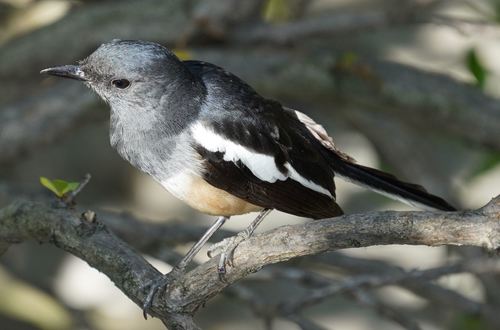 Oriental Magpie-Robin
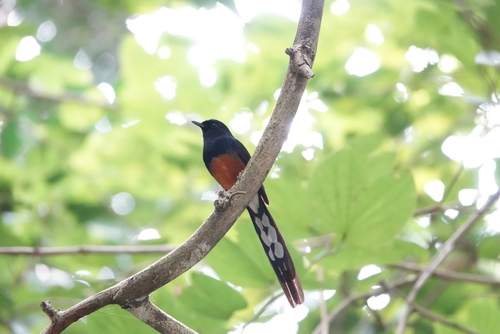 White-rumped Shama
In breve
Il modo più affidabile per separare l'Oriental Magpie-Robin dallo White-rumped Shama è il piumaggio maschile: i maschi di magpie-robin sono nettamente neri e bianchi, mentre i maschi di shama sono neri lucidi sopra con un ricco ventre castano e un distintivo sottocoda e coda esterna bianchi. Le femmine e i giovani sono più complicati, ma i magpie-robin sono generalmente più chiari e più contrastanti, mentre gli shama sono più marroni e più uniformi. Anche la struttura e il comportamento aiutano: i magpie-robin sono più corti e robusti con la coda sollevata, spesso visti in aree aperte o urbane, mentre gli shama sono più lunghi, snelli e più riservati, preferendo la fitta vegetazione. La confusione tra giovani e femmine è comune, quindi cerca la coda più lunga dello shama e le parti inferiori castane rispetto ai giovani più chiari e più squamosi del magpie-robin e alla postura della coda eretta.
Consigli di identificazione
- Male plumage: Il maschio di magpie-robin è nero sopra e bianco sotto con una macchia bianca sulla spalla; il maschio di shama è nero lucido sopra, castano sotto, con un sottocoda e coda esterna bianchi. Questo è il segno più affidabile per i maschi adulti.
- Female and juvenile confusion: Le femmine di magpie-robin sono più chiare e più contrastanti (grigio-nerastre sopra, grigio-bianco sotto), mentre le femmine di shama sono più uniformemente grigio-marroni e mancano di un forte contrasto. I giovani magpie-robin sono marroni squamosi sopra e chiari sotto; i giovani shama sono più uniformemente scuri con un petto maculato.
- Tail shape and length: Lo shama ha una coda molto più lunga, spesso più della metà della lunghezza del corpo, e la coda è aperta o scossa ma non di solito eretta. La coda del magpie-robin è più corta e spesso tenuta sollevata ad un angolo ripido, specialmente quando cerca cibo.
- White in tail: Il magpie-robin mostra bianco sui lati della coda e una macchia bianca sulla spalla; lo shama mostra bianco sul sottocoda e sulle penne esterne della coda, particolarmente evidente da dietro o in volo.
- Underpart color: Il magpie-robin è bianco sotto (maschio) o grigio-bianco (femmina); lo shama è castano ricco sotto (maschio) o marrone (femmina).
- Bill and feet: Entrambi hanno becchi scuri e zampe chiare, non un forte separatore.
- Perched posture: Il magpie-robin spesso si posa eretto con la coda sollevata; lo shama si posa più orizzontalmente, con la coda che pende o è leggermente aperta.
- Habitat: Il magpie-robin è comune in habitat aperti, urbani o da giardino; lo shama preferisce la fitta vegetazione forestale e raramente è visto in spazi aperti.
- Behavior: Il magpie-robin è audace e appariscente, spesso cerca cibo su prati o muri; lo shama è timido, si nasconde in copertura fitta, ed è più probabile che venga sentito piuttosto che visto.
- Song: Entrambi sono eccellenti imitatori, ma il magpie-robin canta da posatoi esposti, lo shama da luoghi nascosti. Il canto dello shama è più ricco e simile a un flauto, ma può esserci sovrapposizione.
- Flight: In volo, la lunga coda e il sottocoda bianco dello shama sono diagnostici; il volo del magpie-robin è meno appariscente, con il bianco limitato ai lati della coda e alla spalla.
- Size and structure: Lo shama è più lungo e snello, il magpie-robin è più corto e robusto.
- Seasonal variation: Le femmine di magpie-robin possono essere più scure in alcune razze meridionali, ma non mostrano mai il ventre castano o il sottocoda bianco dello shama.
- Geographic overlap: Entrambe le specie si trovano nel Sud e nel Sud-est asiatico, ma il magpie-robin è più probabile in ambienti urbani o aperti, lo shama in foreste dense.
- Pitfalls: Fai attenzione alla confusione tra giovani e femmine; controlla sempre la lunghezza della coda, il colore delle parti inferiori e il contesto dell'habitat prima di decidere.
Taglia
L'Oriental Magpie-Robin è più piccolo e robusto, con una massa tipica di circa 36 g e una lunghezza di circa 19 cm (inclusa la coda). Lo White-rumped Shama è visibilmente più lungo e snello, con una lunghezza di 23–28 cm e una massa di 28–34 g. La coda dello shama è proporzionalmente molto più lunga, conferendogli un aspetto più allungato, specialmente quando è posato o in volo.
Piumaggio
-
Juveniles: I giovani magpie-robin mostrano parti superiori e testa marroni squamose, con un ventre chiaro e un certo contrasto tra le parti superiori e inferiori. I giovani shama sono più uniformemente grigio-marroni, con un petto maculato o macchiato ma privi del motivo squamoso. Entrambi possono apparire opachi, ma i giovani magpie-robin sono più chiari e più decorati, mentre gli shama sono complessivamente più scuri.
-
Adult males: I maschi di magpie-robin sono nettamente neri sopra (testa, schiena, gola), bianchi sotto, e hanno una macchia bianca sulla spalla e lati bianchi sulla lunga coda. I maschi di shama sono neri lucidi sopra, con un ricco ventre castano, e un bold sottocoda e penne esterne della coda bianche (il bianco non è sui lati della coda come nel magpie-robin). Le parti inferiori dello shama sono molto più scure e colorate rispetto al bianco semplice del magpie-robin.
-
Adult females: Le femmine di magpie-robin sono grigio-nerastre sopra e grigio-bianco sotto, generalmente più chiare e più contrastanti rispetto alle femmine di shama. Le femmine di shama sono più uniformemente grigio-marroni, mancando del forte contrasto del magpie-robin, e sono tipicamente con coda più corta rispetto ai maschi ma ancora più lunghe rispetto ai magpie-robin. La variazione geografica nelle femmine di magpie-robin può rendere alcune quasi scure come i maschi, ma non mostrano mai il ventre castano o il sottocoda bianco dello shama.
-
In flight: Il sottocoda bianco e la coda esterna dello shama sono evidenti se visti da dietro o dall'alto, mentre il magpie-robin mostra bianco sui lati della coda e una macchia bianca sulla spalla.
Comportamento
L'Oriental Magpie-Robin è spesso visto apertamente, saltellando a terra o posandosi in modo appariscente con la coda sollevata. Cerca cibo nel fogliame e canta frequentemente da posatoi alti e esposti, specialmente durante la stagione degli amori. Lo White-rumped Shama è molto più timido e preferisce la fitta vegetazione o i boschetti di bambù, spesso rimanendo nascosto e muovendosi in basso nella vegetazione. Gli shama sono più propensi a essere sentiti che visti, e le loro lunghe code sono spesso scosse o aperte durante i voli di esibizione. I magpie-robin sono più tolleranti alla presenza umana e comuni in giardini e parchi urbani, mentre gli shama evitano gli spazi aperti.
Habitat
I magpie-robin sono adattabili e comuni in giardini urbani, parchi e foreste aperte, spesso vicino all'abitazione umana. Gli White-rumped Shama preferiscono la fitta vegetazione intrecciata nelle foreste, la crescita secondaria e i boschetti di bambù, e sono molto meno probabili da trovare in aree aperte o urbane. Se vedi un Copsychus in un parco cittadino o saltellare su un muro, è molto più probabile che sia un magpie-robin; se è in una fitta foresta intrecciata, specialmente nel Sud-est asiatico, è più probabile che sia uno shama.
Voce
Entrambe le specie sono celebri cantanti, ma i loro canti differiscono. I magpie-robin cantano forte da posatoi esposti, con un canto vario e melodioso. Gli shama sono anche altamente musicali ma vengono più spesso sentiti da coperture dense, e il loro canto è descritto come più ricco e simile a un flauto. Entrambi possono imitare altri uccelli, quindi il canto da solo non è sempre diagnostico, ma il contesto (posato aperto vs. nascosto nella vegetazione) può aiutare.
Oriental Magpie-Robin · White-rumped Shama · I miei uccelli difficili