

Motmot

アカクロムクドリモドキ 対 ムナグロムクドリモドキ

Icterus spurius 対 Icterus cucullatus

アカクロムクドリモドキとムナグロムクドリモドキのクイズ
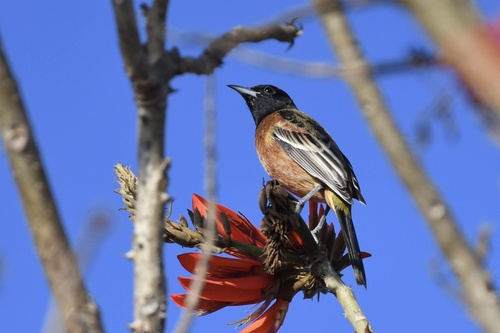
アカクロムクドリモドキ (Icterus spurius) アカクロムクドリモドキ
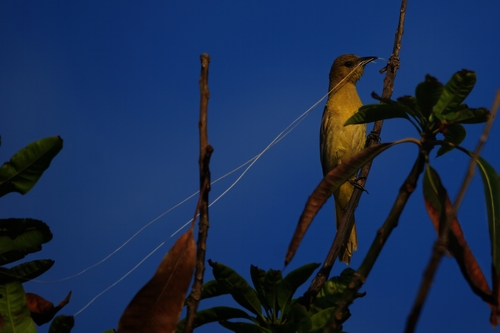
ムナグロムクドリモドキ (Icterus cucullatus) ムナグロムクドリモドキ

メディア

読み込み中…

要点

オーチャード・オリオールとムナグロムクドリモドキの最も信頼できるフィールドマークは、成鳥オスの腹部の色です:オーチャード・オリオールのオスは深い栗色(メキシコ亜種ではオーカー)を示し、ムナグロムクドリモドキのオスは明るいオレンジから黄色オレンジです。両種の雌と幼鳥は上面がオリーブグリーンで、下面が黄色がかっていますが、オーチャード・オリオールは小さく、よりコンパクトで、短くて細くないくちばしを持っています。両種は白い翼帯と黒っぽいくちばしを持っていますが、ムナグロムクドリモドキのくちばしは長く、特に西部の個体ではより湾曲しています。飛んでいる時や止まっている時には、オーチャード・オリオールの小さいサイズと成鳥オスの栗色(オレンジ/黄色ではない)トーンを探し、くちばしの形と全体的な印象を使って、より難しい雌や幼鳥を識別します。

識別のコツ

  1. Adult male underparts color: オーチャード・オリオールのオスは深い栗色(I. s. fuertesiではオーカー)で、オレンジや明るい黄色ではありません;ムナグロムクドリモドキのオスはオレンジから黄色オレンジです。これは成鳥オスにとって最も信頼できるマークです。
  2. Female and immature confusion: 両種の雌と幼鳥は上面がオリーブグリーンで、下面が黄色がかっています。オーチャード・オリオールは小さく、よりコンパクトで、短くて湾曲の少ないくちばしを持っています;ムナグロムクドリモドキは長く、スリムで、より細く湾曲したくちばしを持っています(特に西部の個体で)。
  3. One-year-old male アカクロムクドリモドキ: これらの鳥は雌のように黄緑がかっていますが、黒いビブとロアを持ち、これはどの年齢のムナグロムクドリモドキにも見られません。
  4. Bill color: オーチャード・オリオールのくちばしは黒で、下顎の基部に青灰色が少しあります;ムナグロムクドリモドキのくちばしは完全に黒です。これは微妙で、近距離で見るのが最適です。
  5. Wing bars: 両種ともに2本の白い翼帯を持っているため、これは有用な識別要素ではありません。
  6. Size and jizz: オーチャード・オリオールは北アメリカで最も小さなオリオールで、短い尾とくちばしを持ち、コンパクトに見えます。ムナグロムクドリモドキは中型で、長く、よりスリムで、相対的に長い尾とくちばしを持っています。
  7. Bill shape: ムナグロムクドリモドキのくちばしは長く、特に西部亜種(nelsoni, trochiloides)ではより湾曲しています。オーチャード・オリオールのくちばしは短く、まっすぐです。
  8. Subspecies variation in ムナグロムクドリモドキ: 一部のムナグロムクドリモドキはよりオレンジ色(テキサスとメキシコ)、他はより黄色(西部アメリカ)ですが、オーチャード・オリオールの栗色のトーンは持っていません。
  9. Flight style: オーチャード・オリオールはしばしば低く飛び、地面や樹冠の下に近づいて滑空します。ムナグロムクドリモドキの飛行はあまり記述されていませんが、この行動で知られてはいません。
  10. Foraging behavior: ムナグロムクドリモドキはアクロバティックで、しばしば逆さまになって餌を食べ、フィーダー(ハチドリ用フィーダーを含む)を頻繁に訪れます。オーチャード・オリオールはあまりアクロバティックではなく、フィーダーを訪れる可能性は低いです。
  11. Nest placement: ムナグロムクドリモドキはしばしばヤシの木に巣を作り、オーチャード・オリオールは落葉樹の水平な枝に巣を作ります。これは巣作りの行動を観察した場合に有用です。
  12. Habitat: 東部では、オーチャード・オリオールは落葉樹のある河川や公園のような生息地で見られることが期待されます。ムナグロムクドリモドキは南西部、特にヤシの木がある場所、都市部でも見られる可能性が高いです。
  13. Song: ムナグロムクドリモドキの歌は短く、突然で、鼻にかかったような音で、オーチャード・オリオールのような音楽的な特徴はありません。
  14. Season: オーチャード・オリオールは夜行性の渡り鳥で、繁殖期(春/夏)にのみアメリカに現れます。ムナグロムクドリモドキは場所によっては定住または渡り鳥ですが、冬のアメリカでは南カリフォルニアを除いては珍しいです。
  15. Pitfalls: 雌と幼鳥のオーチャード・オリオールとムナグロムクドリモドキは非常に似ています;サイズ、くちばしの形、微妙な羽色の手がかりを使用してください。黄色がかった腹部やオリーブ色の上面だけに頼ることは避けてください。

大きさ

オーチャード・オリオールはムナグロムクドリモドキよりも明らかに小さく、軽いです。オーチャード・オリオールは長さが5.9–7.1インチ(15–18 cm)で、体重は16–28 gですが、ムナグロムクドリモドキは重く(平均質量24.3 g)、新世界のオリオールの中では中型とされています。フィールドでは、ムナグロムクドリモドキは長く、よりスリムに見え、特に西部亜種では相対的に長いくちばしと翼を持っています。オーチャード・オリオールは北アメリカで最も小さなオリオールで、明らかによりコンパクトに見えます。

羽色

成鳥オスのオーチャード・オリオールは、深い栗色の腹部、肩、尾(I. s. fuertesiではオーカー)を持ち、黒い頭部と上面と対照的です。ムナグロムクドリモドキの成鳥オスは、頭部と腹部がオレンジから黄色オレンジで、黒は顔、喉、背中、翼、尾に制限されています。両種は2本の白い翼帯を持っています。両種の雌と幼鳥は上面がオリーブグリーンで、下面が黄色がかっているため、簡単に混同されます。しかし、オーチャード・オリオールの雌と幼鳥は一般的に鈍く、より均一で、オレンジや明るい黄色のトーンは欠けています。1歳のオーチャード・オリオールのオスは雌に似ていますが、黒いビブとロアを示し、若いムナグロムクドリモドキはそうではありません。くちばしの色は微妙に異なります:オーチャード・オリオールのくちばしは黒で、下顎の基部に青灰色が少しあります;ムナグロムクドリモドキのくちばしは完全に黒です。ムナグロムクドリモドキの亜種の変異により、一部の鳥はよりオレンジ色またはより黄色に見えることがありますが、オーチャード・オリオールの栗色のトーンを示すものはいません。どちらの種にも特有の幼鳥や初年度の上翼パターンは記述されていないため、全体的な色合いとくちばしの構造に焦点を当ててください。

行動

オーチャード・オリオールは低く飛ぶ傾向があり、地面や樹冠の下に近づいて滑空し、餌を探す際にはあまりアクロバティックではありません。ムナグロムクドリモドキはよりアクロバティックで、しばしば逆さまになって蜜や昆虫を食べ、フィーダー(ハチドリ用フィーダーを含む)を頻繁に訪れます。両種はしっかりと織られたポーチ型の巣を作りますが、ムナグロムクドリモドキはしばしばヤシの葉に巣を取り付け、オーチャード・オリオールは水平な木の枝を好みます。求愛行動は異なります:オーチャード・オリオールの雌はお辞儀をし、シーソーのように動き、羽をばたつかせて求愛しますが、ムナグロムクドリモドキの求愛行動はあまり記述されていません。

生息環境

オーチャード・オリオールは落葉樹のある半開放的な地域で繁殖し、北アメリカ東部やメキシコの一部で湖や小川の近くに見られます。ムナグロムクドリモドキは南西アメリカと北メキシコの樹木のある開放的な地域、特にヤシの木がある場所を好み、ヤシの木のある都市部や郊外の環境でよく見られます。冬には、オーチャード・オリオールは中央アメリカや南アメリカ北部に渡り、ムナグロムクドリモドキはメキシコやベリーズの一部に定住し、アメリカからメキシコに渡ります。生息地の重複は限られていますが、両種はテキサスや北東メキシコの河川や公園のような環境で見られることがあります。

声

ムナグロムクドリモドキの歌は短く、突然で、速く、しばしば鼻にかかったような音で、他のオリオールのような口笛の質が欠けています。呼び声には口笛や「ウィート」という音が含まれます。オーチャード・オリオールの声はノートに詳細が記載されていませんが、一般的には口笛のようでよりメロディックと説明されています。フィールドでは、ムナグロムクドリモドキの歌はオーチャード・オリオールと比較して音楽的でなく、よりおしゃべりに聞こえることがあります。

より良い説明を送る

比較と同じ項目を使ってください。文章はすぐに公開されます。

The most reliable field mark between Orchard Oriole and Hooded Oriole is the adult male's underpart color: Orchard Oriole males show deep chestnut (or ochre in the Mexican subspecies), while Hooded Oriole males are bright orange to yellow-orange below. Females and immatures of both are olive-green above and yellowish below, but Orchard Oriole is smaller and more compact, with a shorter, less slender bill. Both species have white wing bars and blackish bills, but Hooded Oriole's bill is longer and more decurved, especially in western populations. In flight or perched, look for the Orchard Oriole's smaller size and chestnut (not orange/yellow) tones on adult males, and use bill shape and overall jizz for trickier female/immature birds.

  1. Adult male underparts color: Orchard Oriole males are deep chestnut (or ochre in I. s. fuertesi), never orange or bright yellow; Hooded Oriole males are orange to yellow-orange below. This is the single most reliable mark for adult males.
  2. Female and immature confusion: Both species' females and immatures are olive-green above and yellowish below. Orchard Oriole is smaller and more compact, with a shorter, less decurved bill; Hooded Oriole is longer, slimmer, and has a more slender, curved bill (especially in western birds).
  3. One-year-old male Orchard Oriole: These birds are yellow-greenish like females but have a black bib and lores, a feature not shown by Hooded Oriole of any age.
  4. Bill color: Orchard Oriole's bill is black with some blue-gray at the base of the lower mandible; Hooded Oriole's bill is entirely black. This is subtle and best seen at close range.
  5. Wing bars: Both have two white wing bars, so this is not a useful separator.
  6. Size and jizz: Orchard Oriole is the smallest North American oriole, appearing compact with a short tail and bill. Hooded Oriole is medium-sized, longer, and more slender, with a proportionally longer tail and bill.
  7. Bill shape: Hooded Oriole's bill is longer and more decurved, especially in western subspecies (nelsoni, trochiloides). Orchard Oriole's bill is shorter and straighter.
  8. Subspecies variation in Hooded Oriole: Some Hooded Orioles are more orange (Texas and Mexico), others more yellow (western US), but none have the chestnut tone of Orchard Oriole.
  9. Flight style: Orchard Oriole often flies low, swooping close to the ground or below treetop level. Hooded Oriole's flight is less described but is not noted for this behavior.
  10. Foraging behavior: Hooded Oriole is acrobatic, often hanging upside down to feed, and visits feeders (including hummingbird feeders) frequently. Orchard Oriole is less acrobatic and less likely to visit feeders.
  11. Nest placement: Hooded Oriole often nests in palms, Orchard Oriole in horizontal branches of deciduous trees. This is useful if you see nesting behavior.
  12. Habitat: In the east, Orchard Oriole is expected in riparian or park-like habitats with deciduous trees. Hooded Oriole is more likely in the southwest, especially where palms are present, including urban areas.
  13. Song: Hooded Oriole's song is short, abrupt, and nasal/whiny; Orchard Oriole's is more musical and whistled (if heard).
  14. Season: Orchard Oriole is a nocturnal migrant, present in the US only in the breeding season (spring/summer). Hooded Oriole may be resident or a migrant depending on location, but is rare in the US in winter except in southern California.
  15. Pitfalls: Female and immature Orchard and Hooded Orioles are very similar; use size, bill shape, and subtle plumage cues. Avoid relying solely on yellowish underparts or olive upperparts for ID.

Orchard Oriole is distinctly smaller and lighter than Hooded Oriole. Orchard Oriole measures 5.9–7.1 in (15–18 cm) in length and weighs 16–28 g, while Hooded Oriole is heavier (mean mass 24.3 g) and described as medium-sized among New World orioles. In the field, Hooded Oriole appears longer, more slender, and with a proportionally longer bill and wings, especially in western subspecies. Orchard Oriole is the smallest North American oriole and looks noticeably more compact.

Adult male Orchard Orioles are unique among North American orioles for their deep chestnut underparts, shoulder, and rump (ochre in I. s. fuertesi), contrasting with a black head and upperparts. Hooded Oriole adult males are orange to yellow-orange on the head and underparts, with black restricted to the face, throat, back, wings, and tail. Both species have two white wing bars. Females and juveniles of both are olive-green above and yellowish below, making them easily confused. However, Orchard Oriole females and immatures are generally duller and more uniform, lacking any orange or bright yellow tones. One-year-old male Orchard Orioles resemble females but show a black bib and lores, while young Hooded Orioles do not. Bill color is subtly different: Orchard Oriole's bill is black with some blue-gray at the base of the lower mandible; Hooded Oriole's is entirely black. Subspecies variation in Hooded Oriole can make some birds more orange or more yellow, but none show the chestnut tones of Orchard Oriole. No distinctive juvenile or first-year upperwing patterns are described for either species, so focus on overall coloration and bill structure.

Orchard Orioles tend to fly low, swooping close to the ground or below treetop level, and are less acrobatic in their foraging. Hooded Orioles are more acrobatic, often hanging upside down to feed on nectar and insects, and are frequent visitors to feeders, including hummingbird feeders. Both species build tightly woven pouch nests, but Hooded Oriole often attaches its nest to palm leaves, while Orchard Oriole prefers horizontal tree branches. Courtship displays differ: Orchard Oriole females bow, seesaw, and beg with fluttering wings, while Hooded Oriole's displays are less described.

Orchard Oriole breeds in semi-open areas with deciduous trees, often near lakes and streams in eastern North America and parts of Mexico. Hooded Oriole favors open areas with trees, especially palms, across the southwestern US and northern Mexico, and is a familiar bird in urban and suburban settings with palms. In winter, Orchard Oriole migrates to Central America and northern South America, while Hooded Oriole is resident in parts of Mexico and Belize, and migrates from the US to Mexico. Habitat overlap is limited, but both can occur in riparian or park-like settings in Texas and northeastern Mexico.

Hooded Oriole's song is short, abrupt, rapid, and often nasal or whiny, lacking the whistling quality of some other orioles. Calls include whistling and 'wheet' notes. Orchard Oriole's vocalizations are not detailed in the notes, but are generally described elsewhere as whistled and more melodic. In the field, Hooded Oriole's song may sound less musical and more chattery compared to Orchard Oriole.

変更を破棄しますか?

保存していない編集があります。今離れると失われます。

アカクロムクドリモドキ · ムナグロムクドリモドキ · 苦手な鳥