

Motmot

シロハラカンムリヒヨドリ 対 ノドジロカンムリヒヨドリ

Alophoixus ochraceus 対 Alophoixus pallidus

シロハラカンムリヒヨドリとノドジロカンムリヒヨドリのクイズ

シロハラカンムリヒヨドリ (Alophoixus ochraceus) シロハラカンムリヒヨドリ
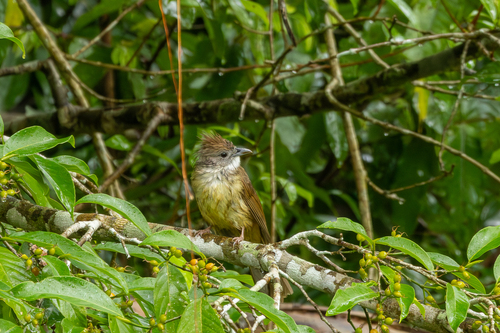
ノドジロカンムリヒヨドリ (Alophoixus pallidus) ノドジロカンムリヒヨドリ

メディア

読み込み中…

要点

シロハラカンムリヒヨドリとノドジロカンムリヒヨドリの最も信頼できるフィールドマークは喉です:ノドジロカンムリヒヨドリは目立つふっくらとした白い喉の斑点を示しますが、シロハラカンムリヒヨドリにはこの特徴がありません。ノドジロカンムリヒヨドリは全体的に大きく、オリーブ色の上面と黄色の下面を持っていますが、シロハラカンムリヒヨドリは色があまりはっきりしていません。両種は似たような東南アジアの森林生息地に生息することがあるため、喉、サイズ、下面の色に注意を払うことが重要です。両種の性別は似ており、年齢特有の飛行や翼のパターンの違いは利用可能な情報源には記載されていません。

識別のコツ

  1. Check the throat: ノドジロカンムリヒヨドリは目立つふっくらとした白い喉の斑点を持っており、これは最も特徴的な特徴です。シロハラカンムリヒヨドリにはこのふっくらとした白い喉がありません。
  2. Look at underpart color: ノドジロカンムリヒヨドリは黄色の下面を示し、オリーブ色の上面と対照的です。シロハラカンムリヒヨドリは下面の色があまりはっきりしておらず、明るい黄色が欠けています。
  3. Assess upperpart tone: ノドジロカンムリヒヨドリはオリーブ色の上面を持っていますが、シロハラカンムリヒヨドリは一般的に地味で対照が少ないです。
  4. Size up the bird: ノドジロカンムリヒヨドリは目に見えて大きく(約23 cm)、特にシロハラカンムリヒヨドリと一緒に見られる場合は、より大きく見えることがあります。
  5. Bill, feet, and iris: ノドジロカンムリヒヨドリは茶色のくちばしと虹彩、黒い足を持っています;これらの特徴はシロハラカンムリヒヨドリには記載されていないため、注意して使用してください。
  6. Sex and age: 両種は性別が同じであるため、オスとメスの違いを期待しないでください。どちらの種にも年齢特有の羽毛や翼のパターンの違いは記載されていません。
  7. Perched vs. in flight: 飛行や翼のパターンの違いが記載されていないため、識別には止まっている姿を頼りにしてください。
  8. Habitat context: 両種は似たような森林タイプに生息していますが、シロハラカンムリヒヨドリは中層で1500メートルまで見られることが記載されています;これは一部の場所で役立つかもしれませんが、強い区別にはなりません。
  9. Avoid confusion with similar bulbuls: ノドジロカンムリヒヨドリは時々「白い喉のヒヨドリ」と呼ばれます(Alophoixus flaveolusとは混同しないでください)が、その鈍い下面と大きなサイズがその種との区別に役立ちます。
  10. Beware of lighting: 照明が悪い場合、ノドジロカンムリヒヨドリのオリーブ色と黄色のトーンが鈍くなり、シロハラカンムリヒヨドリに似て見えることがあります。常に喉の明確な視界を確保してください。
  11. Group context: 混合群れを見た場合、サイズと喉のパターンを比較してください。両種は一緒に見られることがあります。
  12. No song or call differences provided: 現在の情報では、音声による区別には頼らないでください。
  13. No seasonal or molt effects noted: ここで記載された識別マークは、年間を通じて信頼できるはずです。
  14. Be cautious with distant or brief views: 喉と下面の色が見えない場合、識別が不可能なことがあります。
  15. Take notes and photos: 不明な場合は、後で確認するために鳥を記録し、喉、下面の色、全体のサイズに焦点を当ててください。

大きさ

ノドジロカンムリヒヨドリは二種の中で大きく、約23 cmの長さに達します [wikipedia]。シロハラカンムリヒヨドリは小さく、正確な測定値はメモには記載されていません。このサイズの違いは、特に両種が一緒に見られる場合には現場で明らかになることがありますが、単独で見られる場合や遠くから見られる場合には微妙なことがあります。

羽色

年齢特有の翼や飛行パターンの違いは、利用可能なメモには記載されていないため、識別は止まっているときや休んでいるときに見える羽毛の詳細に依存します。ノドジロカンムリヒヨドリはオリーブ色の上面、黄色の下面、目立つふっくらとした白い喉で際立っています。シロハラカンムリヒヨドリはふっくらとした白い喉がなく、全体的に明るさが少なく、上面と下面の対比が少ないです。両種の性別は似ており、飛行中や遠くからの識別に役立つ幼鳥や未熟な特有の羽毛マークについての言及はありません。

行動

両種はヒヨドリ科の歌鳥であり、森林の中層で採餌するなど、似たような行動を示す可能性があります。ノドジロカンムリヒヨドリの大きなサイズは、止まっているときにより大きく見えるか、より頑丈に見えることがあります。シロハラカンムリヒヨドリは中層に生息すると記載されていますが、両者の間で信頼できる診断的な行動特性はメモにはありません。

生息環境

両種は東南アジアに生息し、広葉樹の常緑林や熱帯雨林の生息地で重なり合うことがあります。シロハラカンムリヒヨドリは特に森林の中層で1500メートルの標高まで見られることが記載されていますが、ノドジロカンムリヒヨドリも森林の鳥ですが、メモには特定の標高範囲は記載されていません。生息地だけでは診断的ではありませんが、シロハラカンムリヒヨドリは共有範囲内の高い標高で見られる可能性が高いです。

より良い説明を送る

比較と同じ項目を使ってください。文章はすぐに公開されます。

The most reliable field mark between Ochraceous Bulbul and Puff-throated Bulbul is the throat: Puff-throated shows a noticeably puffy, white throat patch, while Ochraceous Bulbul lacks this feature. Puff-throated Bulbul is also larger overall, with olive upperparts and yellow underparts, while Ochraceous Bulbul is less distinctly colored. Both species can occur in similar Southeast Asian forest habitats, so careful attention to throat, size, and underpart color is essential. Sexes are alike in both species, and age-specific flight or wing pattern differences are not described in the available sources.

  1. Check the throat: Puff-throated Bulbul has a prominent, puffy white throat patch, which is the single most distinctive feature. Ochraceous Bulbul lacks this puffy white throat.
  2. Look at underpart color: Puff-throated Bulbul shows yellow underparts, contrasting with its olive upperparts. Ochraceous Bulbul is less distinctly colored below, lacking the bright yellow.
  3. Assess upperpart tone: Puff-throated Bulbul has olive-toned upperparts, while Ochraceous Bulbul is generally plainer and less contrasting.
  4. Size up the bird: Puff-throated Bulbul is noticeably larger (about 23 cm) and may appear bulkier, especially if seen alongside Ochraceous Bulbul.
  5. Bill, feet, and iris: Puff-throated Bulbul has a brown bill and iris with black feet; these features are not described for Ochraceous Bulbul, so use with caution.
  6. Sex and age: Both species are sexually monomorphic, so do not expect differences between males and females. No age-specific plumage or wing pattern differences are described for either species.
  7. Perched vs. in flight: Since no flight or wing pattern differences are noted, rely on perched views for identification.
  8. Habitat context: Both species can be found in similar forest types, but Ochraceous Bulbul is noted up to 1500 meters in the mid-storey; this may help in some locations but is not a strong separator.
  9. Avoid confusion with similar bulbuls: Puff-throated Bulbul is sometimes called 'white-throated bulbul' (not to be confused with Alophoixus flaveolus), but its duller underparts and larger size help distinguish it from that species.
  10. Beware of lighting: In poor light, the olive and yellow tones of Puff-throated Bulbul may be muted, making it look more like Ochraceous Bulbul. Always try for a clear view of the throat.
  11. Group context: If you see a mixed flock, compare individuals for size and throat pattern, as both species may occur together.
  12. No song or call differences provided: Do not rely on vocalizations for separation with the current information.
  13. No seasonal or molt effects noted: Identification marks described here should be reliable year-round.
  14. Be cautious with distant or brief views: When throat and underpart color are not visible, identification may not be possible.
  15. Take notes and photos: If uncertain, document the bird for later review, focusing on throat, underpart color, and overall size.

Puff-throated Bulbul is the larger of the two, reaching about 23 cm in length [wikipedia]. Ochraceous Bulbul is smaller, though precise measurements are not given in the notes. This size difference may be apparent in the field, especially when both species are seen together, but can be subtle if seen singly or at a distance.

Age-specific wing or flight pattern differences are not described for either species in the available notes, so separation relies on plumage details visible when perched or at rest. Puff-throated Bulbul stands out with its olive upperparts, yellow underparts, and a conspicuously puffy white throat. Ochraceous Bulbul lacks the puffy white throat and is overall less bright, with less contrast between upperparts and underparts. Both sexes look alike in both species, and there is no mention of juvenile or immature-specific plumage marks that would help in flight or at a distance.

Both species are songbirds in the bulbul family and are likely to show similar behaviors, such as foraging in the mid-story of forests. Puff-throated Bulbul's larger size may make it appear bulkier or more robust when perched. Ochraceous Bulbul is described as frequenting the mid-storey, but there is no behavioral trait in the notes that is reliably diagnostic between the two.

Both species occur in Southeast Asia and can overlap in broad-leaved evergreen and rainforest habitats. Ochraceous Bulbul is specifically noted as being found up to 1500 meters elevation in the mid-storey of forests, while Puff-throated Bulbul is also a forest bird but without a specified elevation range in the notes. Habitat alone is not diagnostic, but Ochraceous Bulbul may be more likely at higher elevations within their shared range.

変更を破棄しますか?

保存していない編集があります。今離れると失われます。

シロハラカンムリヒヨドリ · ノドジロカンムリヒヨドリ · 苦手な鳥