

Motmot

ハシグロヒタキ 対 オウゴンチョウ

Oenanthe oenanthe 対 Euplectes afer

ハシグロヒタキとオウゴンチョウのクイズ
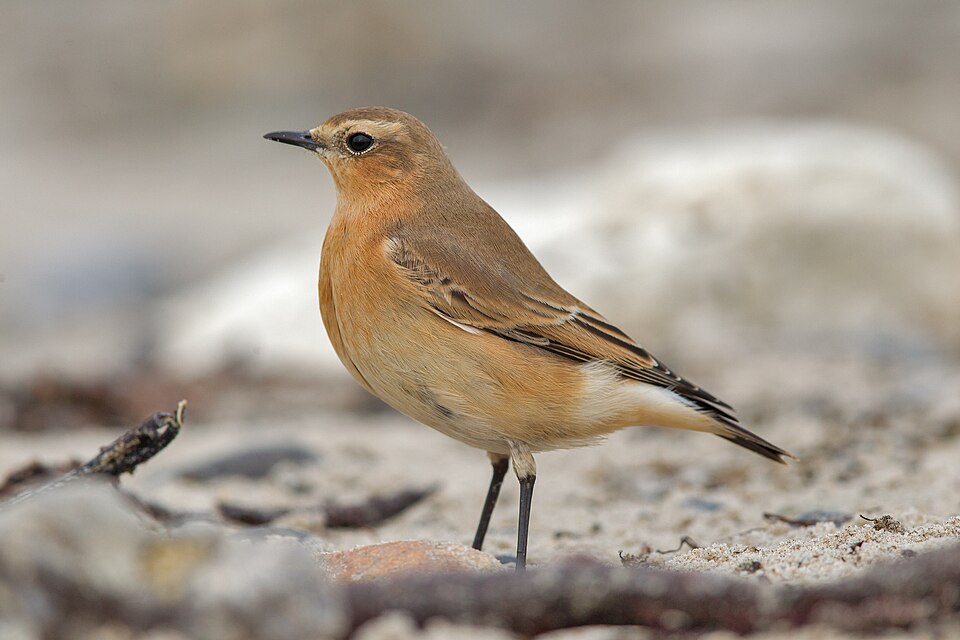
ハシグロヒタキ (Oenanthe oenanthe) ハシグロヒタキ
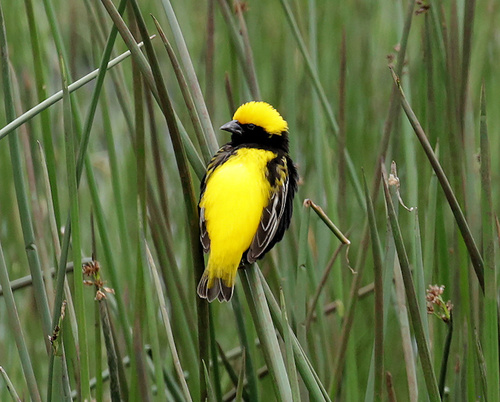
オウゴンチョウ (Euplectes afer) オウゴンチョウ

メディア

読み込み中…

要点

最も信頼できる区別は、繁殖期のオウゴンチョウの成鳥オスの目を引く羽毛です:鮮やかな黄色の冠、背中、尾に対して、はっきりと対照的な黒い顔、胸、お腹があります。それに対して、すべての年齢と性別のハシグロヒタキは、黒いT字型の模様のある白い尾と尾を示し、黄色と黒の組み合わせは決して見られません。メスと非繁殖のオウゴンチョウはより難しいですが、両者は茶色がかった縞模様に見えることがありますが、ハシグロヒタキの白い尾と尾の模様は飛行中に独特です。構造的には、ハシグロヒタキは大きく、より直立しており、細いくちばしと長い脚を持っていますが、オウゴンチョウはコンパクトで短いくちばしです。生息地と行動も役立ちます:ハシグロヒタキは開けた石の多い地面を好み、岩の上に止まりますが、オウゴンチョウは草原の鳥で、群れで行動し、密な植生から遠く離れることはほとんどありません。

識別のコツ

  1. 白い尾と尾に黒いT字型模様(ハシグロヒタキのみ): 年齢や性別に関係なく、すべてのハシグロヒタキは、先端に黒い逆T字型がある白い尾と尾を示します—これは飛行中や尾を振って止まっているときに見えます。オウゴンチョウはこの模様を示すことはありません。
  2. 繁殖期のオスのオウゴンチョウは間違いなく識別可能: 明るい黄色の冠、背中、尾、はっきりとした黒い顔、喉、胸、お腹を持つ小さな鳥を見たら、それは繁殖羽毛のオスのオウゴンチョウです。ハシグロヒタキはこの黄色/黒の組み合わせを示すことはありません。
  3. メスと非繁殖のオウゴンチョウ対メス/未熟なハシグロヒタキ: 両者は茶色がかった縞模様に見えることがありますが、オウゴンチョウは下側がより濃く縞模様があり、ハシグロヒタキの白い尾/尾が欠けています。淡い眉(オウゴンチョウ)とより均一なバフの下部(ハシグロヒタキ)を探してください。
  4. くちばしの形: ハシグロヒタキは昆虫を捕まえるのに適した細くて真っ直ぐなくちばしを持っています。オウゴンチョウは短くて太い円錐形のくちばしを持ち、種を食べる鳥に典型的です。これは特に近距離で明確です。
  5. 脚と姿勢: ハシグロヒタキは脚が長く、直立しており、しばしば岩や柱の上にいます。オウゴンチョウは脚が短く、丸みを帯びており、草の中や茎の上に低く座ります。
  6. 飛行スタイル: ハシグロヒタキは低く直接飛び、しばしば開けた地面や岩に着陸し、白い尾/尾を見せます。オウゴンチョウはよりひらひらとした波打つ飛行をし、しばしば草に急降下します。
  7. 生息地の文脈: 開けた岩の多い地面はハシグロヒタキを示します。密な草、湿地の端、または雑草の生えた畑はオウゴンチョウを示唆します。
  8. 群れのサイズ: ハシグロヒタキは通常一羽またはペアで行動しますが、オウゴンチョウは繁殖期以外は群れで行動することが多いです。
  9. 季節的文脈: 繁殖期(アフリカの春/夏)のオスのオウゴンチョウのみが明るい黄色/黒の羽毛を示します。他の時期には、両性とも茶色がかった縞模様になります。
  10. 下部の色: ハシグロヒタキは下部がバフ色(メス/未熟)または白で、ほとんど縞模様がありません。オウゴンチョウ(メス/非繁殖)はオフホワイトで、胸と側面に細かい暗い縞があります。
  11. 翼と尾の色: ハシグロヒタキの翼はオスが黒っぽく、メスが暗い茶色で、尾は白に黒いTです。オウゴンチョウの翼と尾は茶色で、白や黒のTはありません。
  12. サイズと形: ハシグロヒタキは大きく、より細長く、直立しています。オウゴンチョウは小さく、丸みを帯びており、よりコンパクトです。
  13. 止まり方: ハシグロヒタキは岩、壁、または裸の地面に止まります。オウゴンチョウは草の茎、葦、または低い茂みを好みます。
  14. 声: 鋭い「チャック」やざらざらした歌を聞いたら、それはおそらくハシグロヒタキです。オウゴンチョウの声は提供されたメモには記載されていません。
  15. 落とし穴: メスと非繁殖のオウゴンチョウは、悪い光や距離でハシグロヒタキと混同されることがあります。常に飛行中や鳥が尾を振るときに尾/尾の模様を確認しようとしてください。

大きさ

ハシグロヒタキは明らかに大きいです:長さ14.5〜16 cm、翼幅26〜32 cm、質量17〜30 g [wikipedia]。オウゴンチョウは小さく、よりコンパクトで、9.5〜10.5 cm、約14.5〜15 g [wikidata]です。フィールドでは、ハシグロヒタキは脚が長く、より直立して見えますが、オウゴンチョウは丸みを帯びており、スズメのように見えます。

羽色

行動

ハシグロヒタキはしばしば単独またはペアで見られ、岩や低い柱の上に直立して止まり、地面に短いサリーを行います。尾はしばしば振られ、白い尾と尾の模様を見せます。オウゴンチョウは群れで見られることが多く、特に繁殖期以外では、草や葦の中に低く留まり、跳ねるような波打つ飛行をします。オスは草原の上を飛ぶことでディスプレイすることがありますが、通常はすぐにカバーに戻ります。オウゴンチョウの餌の取り方はより織物のようで、しばしば草の茎にしがみつきます。

生息環境

ハシグロヒタキは開けた石の多い地面、岩の多い畑、またはツンドラを好み、密な植生から遠く離れていることが多いです。豊かな草や葦の中ではめったに見られません。オウゴンチョウは草原と湿地の端の専門家で、高い草、雑草の生えた畑、湿った地域を好み、しばしば水の近くにいて、岩や荒れた地形にはめったにいません。岩の多い開けた風景で鳥を見た場合、ハシグロヒタキである可能性が高く、豊かな草や湿地の近くではオウゴンチョウである可能性が高いです。

声

ハシグロヒタキは鋭い「チャック」と呼ばれる声を出し、繁殖期には笛のようなざらざらした歌を歌います。オウゴンチョウの呼び声や歌は提供されたメモには記載されていないため、ここでの区別のための信頼できるフィールドマークではありません。

より良い説明を送る

比較と同じ項目を使ってください。文章はすぐに公開されます。

The most reliable separation is the striking plumage of the adult male Yellow-crowned Bishop in breeding season: a vivid yellow crown, back, and rump with a sharply contrasting black face, breast, and belly. By contrast, Northern Wheatear of all ages and sexes shows a white rump and tail with a black T-pattern, never the yellow-and-black combination. Females and non-breeding bishops are trickier, as both can appear brownish and streaked, but the wheatear’s white rump and tail pattern remain distinctive in flight. Structurally, the wheatear is larger and more upright, with a slimmer bill and longer legs, while the bishop is compact and short-billed. Habitat and behavior can help: wheatears favor open, stony ground and perch on rocks, while bishops are grassland birds, often in flocks and rarely far from dense vegetation.

  1. White rump and tail with black T-pattern (Wheatear only): All Northern Wheatears, regardless of age or sex, show a white rump and tail with a black inverted T at the tip—this is visible in flight and often when perched with tail flicks. No Yellow-crowned Bishop ever shows this pattern.
  2. Breeding male bishop is unmistakable: If you see a small bird with a bright yellow crown, back, and rump, and a sharply defined black face, throat, breast, and belly, it is a male Yellow-crowned Bishop in breeding plumage. Wheatear never shows this yellow/black combination.
  3. Female and non-breeding bishop vs. female/immature wheatear: Both can look brownish and streaked, but the bishop is more heavily streaked below and lacks the wheatear’s white rump/tail. Look for the pale eyebrow (bishop) vs. more uniform buff underparts (wheatear).
  4. Bill shape: Wheatear has a slim, straight bill suited to insect catching. Bishop has a short, thick, conical bill, typical of seed-eaters. This is especially clear at close range.
  5. Legs and stance: Wheatear is longer-legged and stands upright, often on rocks or posts. Bishop is shorter-legged, rounder, and sits low in grass or on stems.
  6. Flight style: Wheatear flies low and direct, often landing on open ground or rocks, flashing the white rump/tail. Bishop has a more fluttery, undulating flight, often dropping quickly into grass.
  7. Habitat context: Open, rocky, or barren ground points to wheatear. Dense grass, marsh edge, or weedy fields suggest bishop.
  8. Group size: Wheatear is usually alone or in pairs; bishop often in flocks, especially outside breeding season.
  9. Seasonal context: Only male bishops in breeding season (spring/summer in Africa) show the bright yellow/black plumage. At other times, both sexes are brownish and streaked.
  10. Underpart color: Wheatear is buff below (female/immature) or white with little streaking. Bishop (female/non-breeding) is off-white with fine dark streaks on breast and flanks.
  11. Wing and tail color: Wheatear wings are blackish (male) or dark brown (female), tail is white with black T. Bishop wings and tail are brown, never with white or black T.
  12. Size and shape: Wheatear is larger, more elongated, and upright. Bishop is smaller, rounder, and more compact.
  13. Perching behavior: Wheatear perches on rocks, walls, or bare ground. Bishop prefers grass stems, reeds, or low bushes.
  14. Voice: If you hear a sharp 'chack' or crackly song, it is likely a wheatear. Bishop’s voice is not distinctive in the provided notes.
  15. Pitfalls: Female and non-breeding bishop can be confused with wheatear in poor light or at distance. Always try to see the rump/tail pattern in flight or when the bird flicks its tail.

Northern Wheatear is noticeably larger: 14.5–16 cm in length with a wingspan of 26–32 cm and a mass of 17–30 g [wikipedia]. Yellow-crowned Bishop is smaller and more compact, at 9.5–10.5 cm and about 14.5–15 g [wikidata]. In the field, wheatears look longer-legged and more upright, while bishops are rounder and more sparrow-like.

  • Juvenile/immature and non-breeding birds: Female and non-breeding Yellow-crowned Bishops are pale brown above with darker streaking, a pale eyebrow, and off-white underparts with fine dark streaks. Northern Wheatear females and autumn males are pale brown above and buff below, but both sexes (all ages) show a white rump and tail with a black T-pattern—this is visible in flight and when perched with tail flicks. No bishop shows a white rump or tail pattern.

  • Adult breeding males: Male Yellow-crowned Bishop in breeding plumage is unmistakable: brilliant yellow crown, back, and rump, with a sharply defined black lower face, throat, breast, belly, and a wide black collar. Wings and tail are brown. Northern Wheatear males in summer have grey upperparts, buff throat, black wings, and a black face mask, but never show yellow or such a sharp black/yellow division. Both sexes of wheatear have the white rump and tail with black T-pattern.

  • Wings in flight: Wheatear wings are blackish in males, darker brown in females, but the key is the white rump and tail pattern, visible in all ages and sexes. Bishop wings are brown, with no white or black tail pattern.

Northern Wheatear is often seen singly or in pairs, perching upright on rocks or low posts, and making short sallies to the ground. Its tail is often flicked, flashing the white rump and tail pattern. Yellow-crowned Bishop is more likely to be seen in flocks, especially outside breeding season, and tends to stay low in grass or reeds, with a bouncy, undulating flight. Males may display by flying over grasslands, but usually return quickly to cover. Bishop’s feeding is more weaver-like, often clinging to grass stems.

Northern Wheatear prefers open, stony ground, rocky fields, or tundra, often far from dense vegetation. It is rarely found in lush grass or reedbeds. Yellow-crowned Bishop is a grassland and wetland-edge specialist, favoring tall grass, weedy fields, and marshy areas, often near water and rarely in rocky or barren terrain. If you see the bird in a rocky, open landscape, it is much more likely to be a wheatear; in lush grass or near wetlands, bishop is more likely.

Northern Wheatear gives a sharp 'chack' call and, in breeding season, a whistling, crackly song. Yellow-crowned Bishop’s calls and songs are not described in the provided notes, so are not a reliable field mark for separation here.

変更を破棄しますか?

保存していない編集があります。今離れると失われます。

ハシグロヒタキ · オウゴンチョウ · 苦手な鳥