

Culbianco vs Vescovo dalla corona gialla
Oenanthe oenanthe contro Euplectes afer
Fai un quiz con Culbianco e Vescovo dalla corona gialla
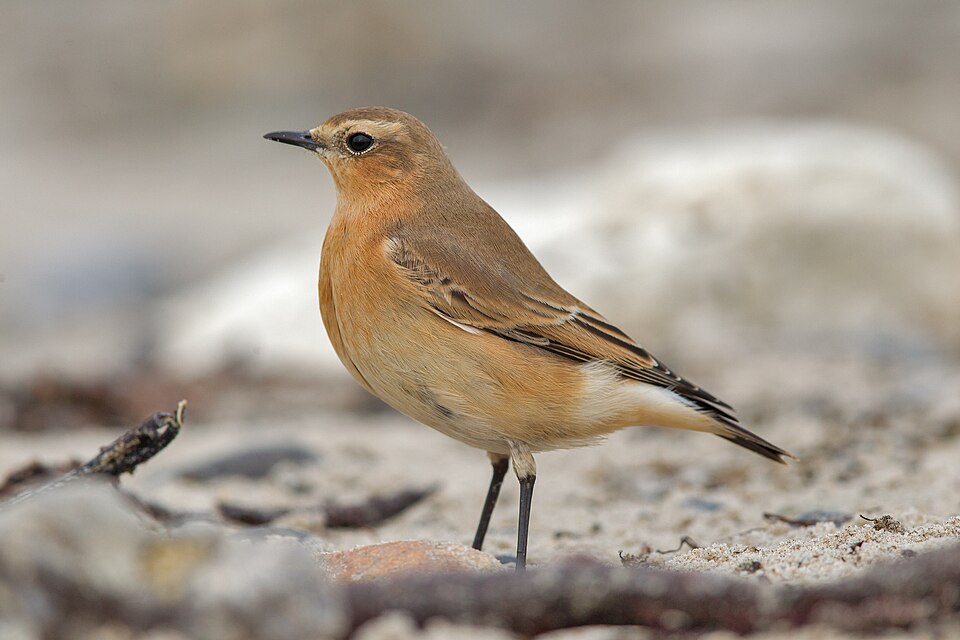 Culbianco
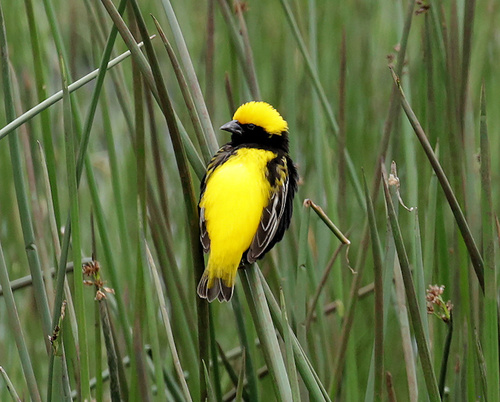 Vescovo dalla corona gialla
In breve
La separazione più affidabile è il piumaggio sorprendente del maschio adulto Vescovo dalla corona gialla in stagione di riproduzione: una vivace corona gialla, dorso e coda con un viso, un petto e un ventre neri a forte contrasto. Al contrario, il Culbianco di tutte le età e sessi mostra una coda e una coda bianche con un motivo a T nera, mai la combinazione giallo-nera. Le femmine e i vescovi non in riproduzione sono più difficili da distinguere, poiché entrambi possono apparire marroni e striati, ma il motivo della coda e della coda bianca del culbianco rimane distintivo in volo. Strutturalmente, il culbianco è più grande e più eretto, con un becco più snello e zampe più lunghe, mentre il vescovo è compatto e con un becco corto. L'habitat e il comportamento possono aiutare: i culbianchi preferiscono terreni aperti e rocciosi e si posano su rocce, mentre i vescovi sono uccelli di prateria, spesso in stormi e raramente lontani da vegetazione densa.
Consigli di identificazione
- Coda e coda bianche con motivo a T nera (solo Culbianco): Tutti i Culbianchi, indipendentemente dall'età o dal sesso, mostrano una coda e una coda bianche con una T nera invertita alla punta—questo è visibile in volo e spesso quando posati con scatti di coda. Nessun Vescovo dalla corona gialla mostra mai questo motivo.
- Il maschio vescovo in riproduzione è inconfondibile: Se vedi un piccolo uccello con una brillante corona gialla, dorso e coda, e un viso, una gola, un petto e un ventre neri ben definiti, è un maschio Vescovo dalla corona gialla in piumaggio di riproduzione. Il culbianco non mostra mai questa combinazione giallo/nera.
- Vescovo femmina e non in riproduzione vs. femmina/immaturo culbianco: Entrambi possono apparire marroni e striati, ma il vescovo è più pesantemente striato sotto e manca della coda/coda bianca del culbianco. Cerca il sopracciglio chiaro (vescovo) rispetto a parti inferiori più uniformi color buff (culbianco).
- Forma del becco: Il culbianco ha un becco snello e dritto adatto alla cattura di insetti. Il vescovo ha un becco corto, spesso e conico, tipico degli uccelli granivori. Questo è particolarmente chiaro a distanza ravvicinata.
- Zampe e postura: Il culbianco ha zampe più lunghe e sta eretto, spesso su rocce o pali. Il vescovo ha zampe più corte, è più rotondo e si siede basso nell'erba o sui fusti.
- Stile di volo: Il culbianco vola basso e diretto, spesso atterrando su terreni aperti o rocce, mostrando la coda/coda bianca. Il vescovo ha un volo più fluttuante, spesso scendendo rapidamente nell'erba.
- Contesto dell'habitat: Terreni aperti, rocciosi o aridi indicano culbianco. Erba densa, margine di palude o campi infestati suggeriscono vescovo.
- Dimensione del gruppo: Il culbianco è solitamente solo o in coppie; il vescovo spesso in stormi, specialmente al di fuori della stagione di riproduzione.
- Contesto stagionale: Solo i maschi vescovi in stagione di riproduzione (primavera/estate in Africa) mostrano il brillante piumaggio giallo/nero. In altri momenti, entrambi i sessi sono marroni e striati.
- Colore delle parti inferiori: Il culbianco è color buff sotto (femmina/immaturo) o bianco con poche striature. Il vescovo (femmina/non in riproduzione) è bianco sporco con fini striature scure su petto e fianchi.
- Colore delle ali e della coda: Le ali del culbianco sono nerastre (maschio) o marroni scure (femmina), la coda è bianca con T nera. Le ali e la coda del vescovo sono marroni, mai con motivo bianco o T nera.
- Dimensioni e forma: Il culbianco è più grande, più allungato e eretto. Il vescovo è più piccolo, più rotondo e più compatto.
- Comportamento di posarsi: Il culbianco si posa su rocce, muri o terreni nudi. Il vescovo preferisce fusti d'erba, canne o arbusti bassi.
- Voce: Se senti un 'chack' acuto o una canzone frizzante, è probabile che sia un culbianco. La voce del vescovo non è distintiva nelle note fornite.
- Trappole: Il vescovo femmina e non in riproduzione può essere confuso con il culbianco in scarsa luce o a distanza. Cerca sempre di vedere il motivo della coda/coda in volo o quando l'uccello muove la coda.
Taglia
Il Culbianco è notevolmente più grande: 14,5–16 cm di lunghezza con un'apertura alare di 26–32 cm e una massa di 17–30 g [wikipedia]. Il Vescovo dalla corona gialla è più piccolo e più compatto, a 9,5–10,5 cm e circa 14,5–15 g [wikidata]. Sul campo, i culbianchi sembrano avere zampe più lunghe e più erette, mentre i vescovi sono più rotondi e simili a passeri.
Piumaggio
-
Uccelli giovanili/immaturi e non in riproduzione: Le femmine e i vescovi non in riproduzione sono di un marrone chiaro sopra con striature più scure, un sopracciglio chiaro e parti inferiori bianche sporche con fini striature scure. Le femmine di Culbianco e i maschi autunnali sono di un marrone chiaro sopra e color buff sotto, ma entrambi i sessi (tutte le età) mostrano una coda e una coda bianche con un motivo a T nera—questo è visibile in volo e quando posati con scatti di coda. Nessun vescovo mostra un motivo di coda o coda bianca.
-
Maschi adulti in riproduzione: Il maschio Vescovo dalla corona gialla in piumaggio di riproduzione è inconfondibile: corona, dorso e coda gialli brillanti, con un viso inferiore, gola, petto, ventre neri ben definiti e un ampio collare nero. Le ali e la coda sono marroni. I maschi di Culbianco in estate hanno parti superiori grigie, gola color buff, ali nere e una maschera facciale nera, ma non mostrano mai giallo o una così netta divisione nero/giallo. Entrambi i sessi di culbianco hanno la coda e la coda bianche con un motivo a T nera.
-
Ali in volo: Le ali del culbianco sono nerastre nei maschi, marroni più scure nelle femmine, ma la chiave è il motivo della coda e della coda bianche, visibile in tutte le età e sessi. Le ali del vescovo sono marroni, senza motivo di coda bianca o nera.
Comportamento
Il Culbianco è spesso visto singolarmente o in coppie, posandosi eretto su rocce o pali bassi, e facendo brevi scatti verso il suolo. La sua coda è spesso scossa, mostrando il motivo della coda e della coda bianche. Il Vescovo dalla corona gialla è più probabile che venga visto in stormi, specialmente al di fuori della stagione di riproduzione, e tende a rimanere basso nell'erba o nelle canne, con un volo rimbalzante e ondulato. I maschi possono esibirsi volando sopra le praterie, ma di solito tornano rapidamente a coprirsi. L'alimentazione del vescovo è più simile a quella di un tessitore, spesso aggrappandosi ai fusti d'erba.
Habitat
Il Culbianco preferisce terreni aperti e rocciosi, campi rocciosi o tundra, spesso lontano da vegetazione densa. È raramente trovato in erba lussureggiante o canneti. Il Vescovo dalla corona gialla è uno specialista di prateria e margine di zone umide, preferendo erba alta, campi infestati e aree paludose, spesso vicino all'acqua e raramente in terreni rocciosi o aridi. Se vedi l'uccello in un paesaggio roccioso e aperto, è molto più probabile che sia un culbianco; in erba lussureggiante o vicino a zone umide, è più probabile che sia un vescovo.
Voce
Il Culbianco emette un acuto richiamo 'chack' e, in stagione di riproduzione, una canzone fischiante e frizzante. I richiami e le canzoni del Vescovo dalla corona gialla non sono descritti nelle note fornite, quindi non sono un segno distintivo affidabile per la separazione qui.
Culbianco · Vescovo dalla corona gialla · I miei uccelli difficili