

Motmot

キタオビナシショウドウツバメ 対 サンショクツバメ

Stelgidopteryx serripennis 対 Petrochelidon pyrrhonota

キタオビナシショウドウツバメとサンショクツバメのクイズ
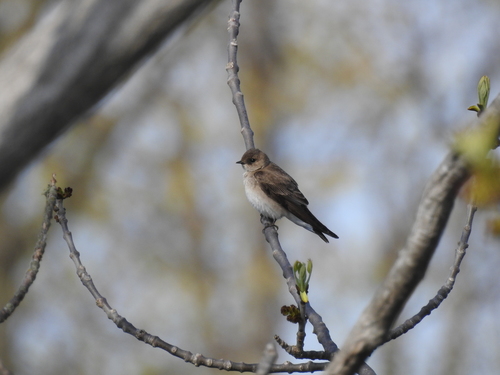
キタオビナシショウドウツバメ (Stelgidopteryx serripennis) キタオビナシショウドウツバメ
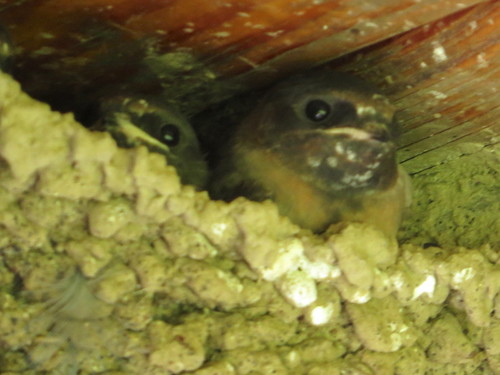
サンショクツバメ (Petrochelidon pyrrhonota) サンショクツバメ

メディア

読み込み中…

要点

キタオビナシショウドウツバメとサンショクツバメを区別する最も信頼できるフィールドマークは、サンショクツバメの存在する大胆な白い額と淡い色の尾羽であり、これはキタオビナシショウドウツバメには決して見られません。幼鳥のサンショクツバメは、額と喉に特徴的な白い斑点を示しますが、幼鳥のキタオビナシショウドウツバメは赤褐色の翼帯を持っています。飛行中、サンショクツバメは四角い尾羽と対照的な淡い色の尾を持ち、キタオビナシショウドウツバメは微妙に切れ込みのある尾羽と地味な茶色の上面を持っています。両種はサイズが似ていますが、サンショクツバメは大きくて騒がしいコロニーで見つかる可能性が高く、キタオビナシショウドウツバメはしばしば孤独または小さな群れで見られます。

識別のコツ

  1. 白い額(サンショクツバメ): 額に大胆な白い斑点を探してください。これはすべての年齢のサンショクツバメに見られますが、キタオビナシショウドウツバメには見られません。
  2. 淡い色の尾羽(サンショクツバメ): サンショクツバメは、飛行中や止まっているときに淡い色の尾羽を示し、暗い背中や翼と対照的です。キタオビナシショウドウツバメは均一な茶色の背中と尾羽を持っています。
  3. 幼鳥の顔のマーキング: 幼鳥のサンショクツバメは額と喉に白い斑点を持ち、幼鳥のキタオビナシショウドウツバメはこれを欠き、代わりに赤褐色の翼帯を示します。
  4. 喉の色: サンショクツバメは濃い喉と豊かな赤い頬を持ち、キタオビナシショウドウツバメは地味な灰褐色の喉を持っています。
  5. 尾の形: サンショクツバメは四角い尾を持ち、キタオビナシショウドウツバメはわずかに分かれたまたは切れ込みのある尾を持っています。これは飛行中に最も明らかです。
  6. 上面: キタオビナシショウドウツバメは上面が均一に茶色です。サンショクツバメは良い光の中で虹色の冠とマントルを持ち、より暗いです。
  7. 下面: 両種は白い下面を持っていますが、サンショクツバメのものはより清潔で明確に区別され、キタオビナシショウドウツバメのものは灰色の喉の洗い流しのためにより汚れて見えることがあります。
  8. コロニーのサイズ: 大きくて密な巣作りのコロニー(数百から数千羽の鳥)は、サンショクツバメを強く示唆します。孤独または緩くグループ化された鳥はキタオビナシショウドウツバメを好みます。
  9. 巣の基盤: サンショクツバメの巣は泥で作られ、垂直な表面に取り付けられています。キタオビナシショウドウツバメは、通常は近くで観察しない限り見えない、土手やパイプの穴に巣を作ります。
  10. 飛行の群れ: サンショクツバメはコロニーの近くで密集した渦巻く群れで飛ぶことがよくあります。キタオビナシショウドウツバメは、より頻繁に単独または小さな緩いグループで見られます。
  11. 幼鳥の上翼パターン: キタオビナシショウドウツバメの幼鳥だけが赤褐色の翼帯を示します。これを夏の終わりに確認してください。
  12. 性差: フィールドでは役に立ちません。両種の性別は外見が似ています。
  13. くちばしの形: 両種はツバメに典型的な短く平らなくちばしを持っています。これは区別のための有用なフィールドマークではありません。
  14. 声: 提供されたメモには記載されていません。ここでの区別のために声に頼らないでください。
  15. 落とし穴: 幼鳥のサンショクツバメ(白い顔の斑点がある)を他の淡い顔のツバメと混同しないように注意し、キタオビナシショウドウツバメの地味な茶色の上面を暗い光の中で鈍いサンショクツバメと間違えないようにしてください。

大きさ

両種は長さが非常に似ており、キタオビナシショウドウツバメは13〜15 cm、サンショクツバメは平均約13 cmです。キタオビナシショウドウツバメの体重は約13.9 g [wikidata]で、サンショクツバメは似ていますが、ここでは指定されていません。全体的に、サイズはフィールドでの区別のための信頼できるマークではありません。

羽色

行動

サンショクツバメは非常に社交的で、数千羽に及ぶ大きくて密なコロニーに巣を作り、騒がしい渦巻く群れで見られることがよくあります。キタオビナシショウドウツバメはより孤独で、通常は単独または緩いグループで巣を作り、時にはバンクツバメのコロニーの近くに見られますが、大きな集団にはめったに見られません。飛行中、両種は敏捷ですが、サンショクツバメはより狂乱的に見えることがあり、大きなグループで見られる可能性が高いです。

生息環境

サンショクツバメは、崖、橋、建物などの垂直な表面に巣を作ることに密接に関連しており、ほぼ常に大きなコロニーの中または近くに見られます。キタオビナシショウドウツバメは、土手、パイプ、または他の空洞の穴に巣を作り、しばしば単独または小さなグループで見られ、大きなコロニーにあまり依存しません。両種は開けた水域や野原で餌を探しますが、大きな巣作りのコロニーの文脈はサンショクツバメを強く支持します。

より良い説明を送る

比較と同じ項目を使ってください。文章はすぐに公開されます。

The most reliable field mark to separate Northern Rough-winged Swallow from Cliff Swallow is the presence of a bold white forehead and buffy rump on Cliff Swallow, which are never shown by Northern Rough-winged. Juvenile Cliff Swallows also show distinctive white speckling on the forehead and throat, while juvenile Northern Rough-winged Swallows have reddish-brown wing-bars. In flight, Cliff Swallow has a square tail and contrasting pale rump, whereas Northern Rough-winged Swallow has a subtly notched tail and plain brown upperparts. Both species are similar in size, but Cliff Swallow is more likely to be found in large, noisy colonies, while Northern Rough-winged Swallow is often solitary or in small groups.

  1. White Forehead (Cliff Swallow): Look for a bold white patch on the forehead; present in all ages of Cliff Swallow but never in Northern Rough-winged Swallow.
  2. Buffy Rump (Cliff Swallow): Cliff Swallow shows a pale, buffy rump in flight and when perched, contrasting with darker back and wings. Northern Rough-winged Swallow has a uniform brown back and rump.
  3. Juvenile Facial Markings: Juvenile Cliff Swallows have white-speckled forehead and throat, while juvenile Northern Rough-winged Swallows lack these and instead show reddish-brown wing-bars.
  4. Throat Color: Cliff Swallow has a dark throat with rich red cheeks; Northern Rough-winged Swallow has a plain, dusky brownish-grey washed throat.
  5. Tail Shape: Cliff Swallow has a square tail; Northern Rough-winged Swallow has a slightly forked or notched tail. This is most apparent in flight.
  6. Upperparts: Northern Rough-winged Swallow is uniformly brown above; Cliff Swallow is darker with iridescent crown and mantle in good light.
  7. Underparts: Both have white underparts, but Cliff Swallow's are cleaner and more sharply demarcated, while Northern Rough-winged Swallow's can appear dingier due to the dusky throat wash.
  8. Colony Size: Large, dense nesting colonies (hundreds to thousands of birds) strongly indicate Cliff Swallow. Solitary or loosely grouped birds favor Northern Rough-winged Swallow.
  9. Nesting Substrate: Cliff Swallow nests are mud-built and attached to vertical surfaces; Northern Rough-winged Swallow uses burrows in banks or pipes, usually not visible unless observed closely.
  10. Flight Flocks: Cliff Swallows often fly in tight, swirling flocks near colonies; Northern Rough-winged Swallows are more often seen singly or in small, loose groups.
  11. Juvenile Upperwing Pattern: Only Northern Rough-winged Swallow juveniles show reddish-brown wing-bars; check for this in late summer.
  12. Sex Differences: Not useful in the field; both species' sexes are similar in appearance.
  13. Bill Shape: Both have short, flat bills typical of swallows; not a useful field mark for separation.
  14. Voice: Not described in the provided notes; do not rely on vocalizations for separation here.
  15. Pitfalls: Beware of confusing juvenile Cliff Swallow (with white facial speckling) for other pale-faced swallows, and of mistaking the plain brown upperparts of Northern Rough-winged Swallow for a dull Cliff Swallow in poor light.

Both species are very similar in length, with Northern Rough-winged Swallow at 13–15 cm and Cliff Swallow averaging about 13 cm. The body mass for Northern Rough-winged Swallow is around 13.9 g [wikidata], and Cliff Swallow is similar but not specified here. Overall, size is not a reliable field mark for separation in the field.

  • Juveniles: Juvenile Cliff Swallows have a distinctive white-speckled forehead and throat, which is highly variable between individuals, and lack the iridescence of adults. Juvenile Northern Rough-winged Swallows are plainer brown above and show reddish-brown wing-bars, a feature not present in Cliff Swallow.
  • Adults: Adult Cliff Swallows have a bold white forehead, dark throat, rich rufous cheeks, and a buffy rump, with dark brown upperparts and wings. Northern Rough-winged Swallows are uniformly brown above with white underparts and a dusky, brownish-grey washed throat, lacking any bold facial or rump markings.
  • Tail: Cliff Swallow has a square tail, while Northern Rough-winged Swallow has a subtly forked or notched tail.
  • Sex differences: Cliff Swallow sexes are identical in plumage; Northern Rough-winged males have longer, broader undertail coverts and hooked barbs on outer primaries, but these are not field marks.

Cliff Swallows are highly social, nesting in large, dense colonies that can number in the thousands, and are often seen in noisy, swirling flocks. Northern Rough-winged Swallows are more solitary, typically nesting alone or in loose groups, sometimes near Bank Swallow colonies, but rarely in large aggregations. In flight, both species are agile, but Cliff Swallows may appear more frenetic and are more likely to be seen in large groups.

Cliff Swallows are closely associated with vertical surfaces for nesting, such as cliffs, bridges, and buildings, and are almost always found in or near large colonies. Northern Rough-winged Swallows nest in burrows in banks, pipes, or other cavities, often singly or in small groups, and are less tied to large colonies. Both species forage over open water and fields, but the context of a large nesting colony strongly favors Cliff Swallow.

変更を破棄しますか?

保存していない編集があります。今離れると失われます。

キタオビナシショウドウツバメ · サンショクツバメ · 苦手な鳥